Month-by-Month: Where to Dive in 2026-2027
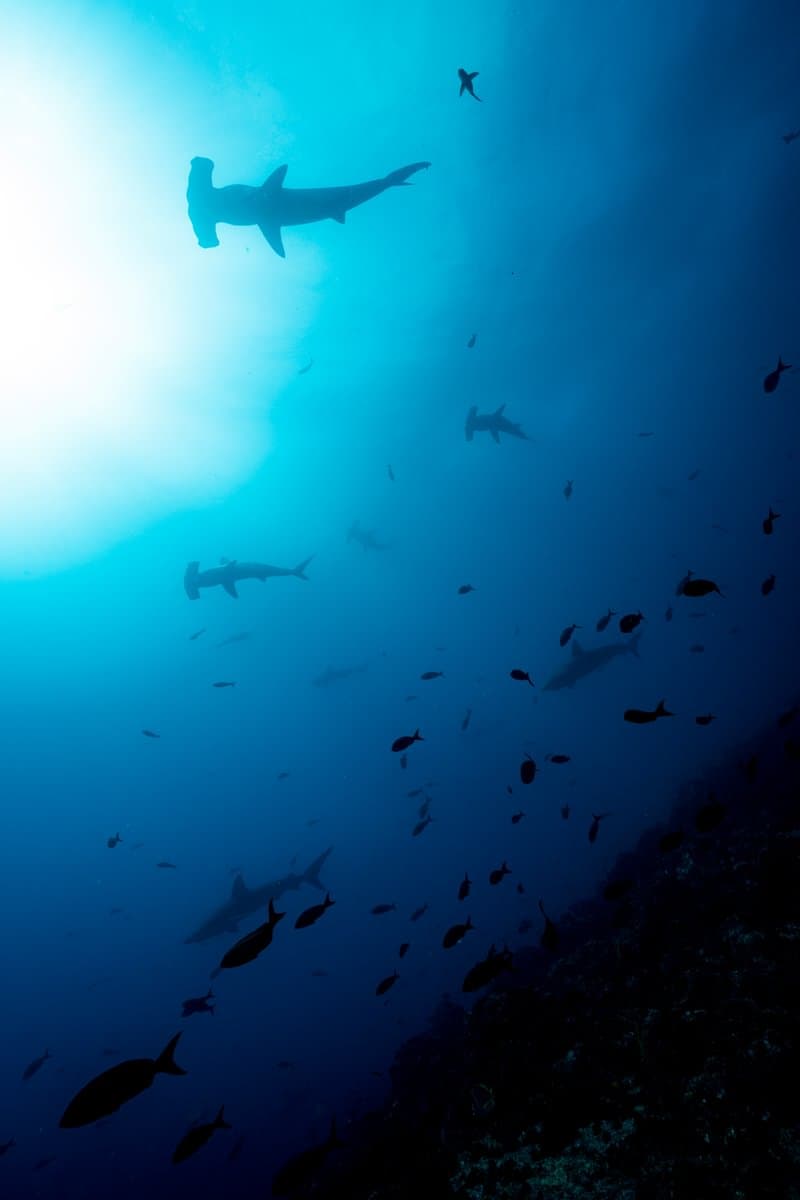
Most liveaboard destinations have a good season and a poor one, and a few only open for part of the year. This calendar picks two or three destinations for each month, with the reason and the water temperature.
The picks come from the same season data that runs our marine life sightings finder, which rates every species month by month at each destination. "Peak" means your best odds, not a promise: these are wild animals. The water temperatures are typical surface ranges for the main liveaboard area; thermoclines at depth can be several degrees colder.
The year at a glance
| Month | Top picks | Why | Water |
|---|---|---|---|
| January | Socorro, Raja Ampat, Maldives | Giant mantas and humpbacks; reef mantas; calm, clear monsoon water | 22–25°C · 28–30°C · 27–29°C |
| February | Thailand, Palau, Myanmar | Whale shark window opens; German Channel mantas; Black Rock mantas | 28–30°C · 28–29°C · 28–29°C |
| March | Saudi Arabia, Galápagos, Thailand | Juvenile whale sharks at Al Lith; warm, calm Galápagos; Richelieu Rock | 25–27°C · 25–28°C · 29–30°C |
| April | Philippines (Tubbataha), Socorro, Saudi Arabia | Tubbataha's short season; last month of Socorro's peak; whale sharks | 28–30°C · 21–24°C · 26–28°C |
| May | Philippines (Tubbataha), Solomons, Bikini Atoll | Calm Sulu Sea; manta season starts; wreck season opens | 29–31°C · 28–30°C · 28–29°C |
| June | Galápagos, Cocos Island, Red Sea | Whale sharks and big hammerhead schools; summer hammerheads at Daedalus | 22–25°C · 25–28°C · 25–28°C |
| July | Red Sea, Galápagos, Sea of Cortez | Hammerhead peak; cool-season pelagics; whale sharks and dolphins | 27–29°C · 21–24°C · 22–26°C |
| August | Galápagos, Cocos Island, Maldives | Whale sharks at Darwin and Wolf; hammerhead walls; Baa mantas | 20–23°C · 24–27°C · 28–30°C |
| September | Galápagos, Cocos Island, Maldives | The same three, with Galápagos water at its coldest | 20–22°C · 24–27°C · 28–30°C |
| October | Red Sea, Galápagos, Seychelles | Oceanic whitetips; last whale shark month; flat, clear seas | 26–28°C · 20–23°C · 27–29°C |
| November | Red Sea, Raja Ampat, Socorro | Whitetips continue; manta peak begins; Socorro season opens | 25–27°C · 28–30°C · 25–28°C |
| December | Socorro, Raja Ampat, Palau | Mantas at all three, plus Socorro's hammerheads and dolphins | 24–27°C · 28–30°C · 28–30°C |
Red Sea temperatures are for the north (Hurghada to the Brothers); the south runs one to two degrees warmer. Sea of Cortez figures are for the Midriff Islands, where our summer trips sail.
January
January is manta season across the Pacific. At Socorro the giant oceanic mantas, the hammerheads at Roca Partida and the bottlenose dolphins are all at peak odds, and the humpbacks arrive for their breeding season, January to March. On many dives you hear them; seeing one underwater takes luck. The water is 22–25°C and cools further from February, so most divers bring a 5–7 mm suit. The season sells out far ahead.
Raja Ampat liveaboards are in their best window, which runs roughly October to April. January and February are the peak liveaboard months, with reef mantas at the Dampier Strait cleaning stations most reliable from November to February and the water at 28–30°C.
In the Maldives the northeast monsoon, roughly December to April, brings calm seas and the clearest water of the year, often 25–40 m. It is the dependable season for channel diving on the central atolls, and the South Ari whale sharks are on the west side of the atoll from December to April. Mantas are possible at the cleaning stations, but the big Baa Atoll feeding season is mid-year.
Also strong: Palau's German Channel mantas (December to March) and the start of the Galápagos warm season.
All of January's peak species and departures
February
Thailand's Similans open their best stretch. Whale shark odds at Richelieu Rock run from February to April, and mantas at Koh Bon and Koh Tachai peak in the same window. February and March are usually the driest, flattest months. Later, plankton softens the visibility; that is what draws the big animals in. Surface water is 28–30°C, with occasional cold thermoclines of 23–25°C.
Palau is in its drier season. The manta cleaning station at German Channel is busiest from December to March, with January and February usually strongest, and the grey reef sharks at Blue Corner are there all year, best on an incoming current. Water 28–29°C. Our Palau diving season guide adds the moon dates for the spawning dives.
In Myanmar's Mergui Archipelago our trips sail from January to March, the calmest and sunniest part of the dry season. From February, plankton blooms can cut visibility to 10–15 m, and that is the best time for oceanic mantas at Black Rock. Treat a manta as likely in those weeks and a whale shark as a bonus. Check your government's current travel advice for Myanmar before you book.
February's species and departures
March
In Saudi Arabia, young whale sharks gather over Shib Habil, a reef off Al Lith, from about March to May. Research puts the highest numbers in April and May. Not every trip goes there, so ask which departures plan to. The same boats dive the Farasan Banks from January to April, where the crews rate February and March highest for hammerheads, though they are never certain. Water 25–27°C.
The Galápagos warm season runs from December to May. In March the water is at its warmest, 25–28°C in the central islands, the sea is calmer and visibility is usually better. Hammerheads stay at Darwin and Wolf all year, in smaller numbers than in the cool season, and the warm months are the best time to see marine iguanas feeding in the west. Whale sharks are a cool-season animal and are rarely seen now.
Tubbataha opens from about mid-March. In the Red Sea the water bottoms out around 21–23°C in the north; the northern wrecks dive well, but the summer hammerheads and autumn whitetips are months away.
March's species and departures
April
Tubbataha, in the middle of the Sulu Sea, is open only from roughly mid-March to mid-June; the monsoons make the open-sea crossing unsafe the rest of the year. April and May usually bring the calmest seas, and they are the peak months for whale sharks and mantas passing along the walls. Water 28–30°C.
April is the last month of Socorro's peak for mantas, hammerheads and dolphins, and the humpbacks are thinning out. The water is still cool, 21–24°C.
Saudi Arabia's Al Lith whale sharks are at their most numerous, with the water warming to 26–28°C.
Also good: Thailand's last full month before the marine park closes for the monsoon, and the end of the Maldives northeast monsoon. Komodo's main dry season begins.
April's species and departures
May
May is Tubbataha's last full month; June can bring the first monsoon weather, and the park closes around mid-June. Elsewhere in the Philippines, the threshers at Malapascua's Monad Shoal rise to the cleaning station at dawn in every month of the year.
The Solomon Islands dry season runs roughly May to October, and April to June and October to November are the standout windows. Reef mantas at Devil's Highway in the Florida Islands are at peak odds from May to October, and grey reef sharks patrol the Russell Islands all year. Water 28–30°C. The Solomon Islands season guide goes through it month by month.
Bikini Atoll opens. Boats only run from about May to October, when the sea is calmest. Departures are few and book far ahead.
May is also Socorro's last month and Al Lith's last whale shark month, while Saudi boats move north to the Seven Sisters. Daedalus in the Red Sea starts to see hammerheads.
June
June brings the Galápagos cool season. The Humboldt current carries plankton-rich water up the archipelago, the sea gets rougher, and the whale sharks arrive at Darwin and Wolf, at peak odds from June to October. This is also when the biggest hammerhead schools gather. Expect 22–25°C in the central islands and colder water in the west and at depth. Our Darwin & Wolf guide explains how those dives run.
Cocos Island enters its wet season, roughly June to November: heavy rain, stronger currents, visibility often 10–20 m and the largest hammerhead schools, peaking from June to October. Whale sharks are most likely in these months too. The surface is 25–28°C, with thermoclines at depth down to around 20–22°C. The crossing takes 32 to 36 hours each way, and Cocos is for experienced divers.
In the Red Sea, June to August is the summer schooling window for hammerheads at Daedalus and the Brothers. It is open-water diving with real current, and busy in summer. Water 25–28°C.
Also good: Komodo's central manta sites, and the Maldives' Baa Atoll manta feeding season, which opens in May and peaks from July to October.
July
The Red Sea hammerheads stay at peak, the water warms to 27–29°C, and oceanic whitetips start to appear at the offshore reefs, though their best months come later.
The Galápagos and Cocos keep their cool-season pattern, with the Galápagos central islands at 21–24°C.
In the Sea of Cortez, the Midriff Islands trips run from early July to mid-September. Juvenile whale sharks feed in Bahía de los Ángeles, and every itinerary includes a stop to snorkel with them; scuba isn't part of that encounter. Dolphin superpods are at their best odds from June to October, and mobula rays are often seen leaping at the surface. In early July the water is 22–26°C, with thermoclines that can drop below 20°C.
In Komodo, the south turns cold and green with upwelling in July and August, while the north and centre stay calm.
August
August is the middle of the Galápagos whale shark season, and many operators rate August and September the strongest months at Darwin and Wolf. It is cold diving: 20–23°C in the central islands, warmer at Darwin and Wolf, colder on the western thermoclines.
Cocos is at the height of its hammerhead season, with the surface at 24–27°C.
In the Maldives, Baa Atoll's manta feeding season is well under way. Divers meet the mantas at cleaning stations and channels; Hanifaru Bay itself is snorkel-only, by permit. Visibility is lower than in the northeast monsoon, and South Ari's whale sharks have moved to the east side of the atoll. Water 28–30°C.
The Red Sea is at its warmest (28–30°C) in the last month of the hammerhead peak.
August's species and departures
September
The same three as August. The Galápagos water is at its coldest, around 20–22°C, and whale sharks are still at peak odds. Cocos keeps its hammerheads. The Maldives' Baa manta season continues.
In the Red Sea, the hammerheads thin out and the oceanic whitetips build towards autumn. In the Sea of Cortez, the Midriff trips end in mid-September and the 12-night Baja trips begin. The Oman (Musandam) liveaboard season restarts, running to May, and the Saudi boats return to the Seven Sisters.
September's species and departures
October
October and November are the prime window for oceanic whitetips at Elphinstone and the Brothers, one of the best places in the world to see them. These are open-water dives for confident, advanced divers. The water is 26–28°C. Our oceanic whitetip guide covers how those dives are run.
October is the last peak month for Galápagos whale sharks, and Cocos' hammerhead schools are still at their largest.
The Seychelles are between monsoons. April–May and October–November usually bring the flattest seas and the clearest water, often 20–30 m on the better sites. Whale sharks feed off Mahé in this season, but numbers fell sharply after 2009, so treat one as a bonus. Aldabra expeditions sail between October and May. Water 27–29°C.
Also opening: Thailand's Similans reopen around 15 October, Raja Ampat's calm season begins, and the Solomons enter their second standout window.
October's species and departures
November
The Red Sea whitetips stay at peak odds, and the water is a comfortable 25–27°C. The northern wrecks and reefs dive well right through the winter.
Raja Ampat's manta peak begins, running to February, and conditions settle into the calm season.
Socorro's season opens. November and December bring very clear water, and the sea is at its warmest of the season, 25–28°C. Giant mantas are often seen from the first trips, though the odds are best from January to April. Hammerheads and dolphins build too.
Also good: the Seychelles' calm, clear inter-monsoon, and the start of Palau's drier November-to-April season.
November's species and departures
December
Socorro's hammerheads at Roca Partida and bottlenose dolphins are at peak odds from December to April, and the giant mantas are there too, at their most reliable from January. The first humpbacks can turn up late in the month. Water 24–27°C.
Raja Ampat and Palau both have mantas at peak odds, at 28–30°C. Christmas and New Year weeks in Raja Ampat are popular and fill early.
Also in season: Komodo's south, where Manta Alley sees its largest manta gatherings from about December to February while the rains make the northern crossings choppier; the Maldives northeast monsoon; the Galápagos warm season; and Truk Lagoon, calmest from December to April. For trips that cover the holidays, see Christmas and New Year departures.
December's species and departures
Fixed seasons: book around these
Some destinations only run for part of the year, so the dates decide the trip first.
- Thailand (Similans): the marine park is closed from about mid-May to mid-October.
- Tubbataha: open from roughly mid-March to mid-June only.
- Socorro: boats run from November to May; hurricane season keeps them in port the rest of the year.
- Bikini Atoll: trips run from about May to October, with few departures.
- Cocos Island: the boat we sell runs from May to December.
- Myanmar: our trips sail from January to March.
- Sea of Cortez: our trips run from July to October.
- Saudi Arabia: no trips in July and August.
- Oman (Musandam): the liveaboard season runs from about September to May.
Places that dive well all year include the Philippines' Visayas, Truk Lagoon, Palau and the Red Sea's northern routes.
The destinations with a short season and few boats (Socorro, Cocos, Bikini, Tubbataha) are the ones to plan first. A year ahead is normal for Socorro, and six to twelve months is sensible for any peak week elsewhere. If your dates are flexible, start from the animal you want to see and fit the month around it.
The moon is worth a look too. Palau's spawning aggregations follow the new and full moons, and in current destinations such as Komodo and the Maldives the spring tides around them make the channels run hardest. For some trips the week matters as much as the month.
For a closer look at single destinations, our month-by-month guides cover the Red Sea, the Galápagos, Socorro, the Maldives, Raja Ampat, Komodo, Thailand and Oman.
If you have dates and want to know which of these fits them, send us a brief, or browse the departure calendar.
Related Guides
- Hammerhead Season Around the World: Where and when the schools gather
- Liveaboard Off-Season: Better Deals, Fewer Crowds: Why shoulder seasons can be the best time to go
- What Happens If Weather Cancels Your Liveaboard?: Dealing with seasonal weather disruptions
Related Articles
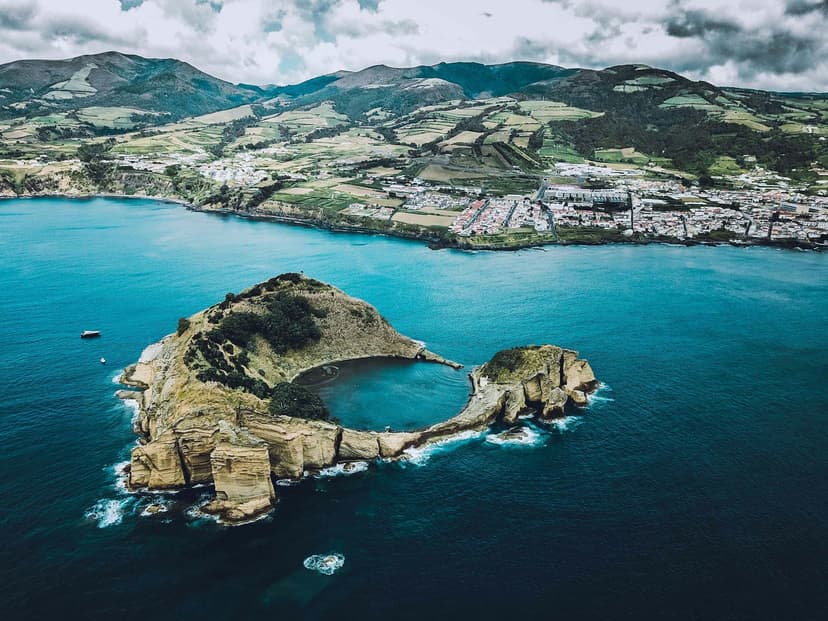
Diving the Azores: Blue Sharks, Mobulas and the North Atlantic's Largest Protected Network
In 2024 the Azores created the largest network of marine protected areas in the North Atlantic, about 287,000 km² of ocean that blue sharks, mobulas and sperm whales pass through. Here is why we think it is the most underrated diving in Europe, island by island and month by month.
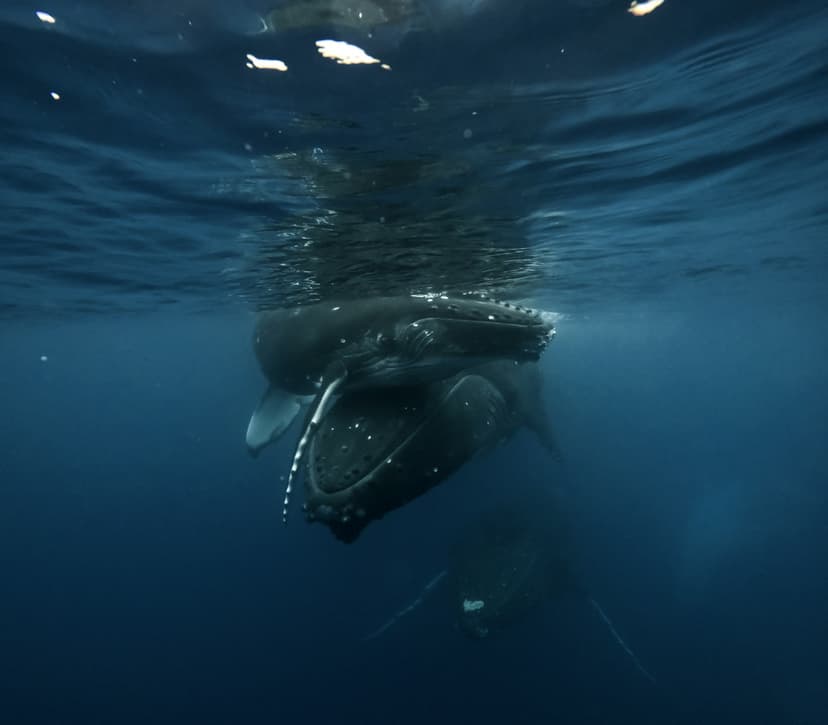
Cape Verde for Divers: Whales, Sharks, and the Atlantic Crossroads
Cape Verde sits where African, European and equatorial currents meet. The result: humpback whales in spring, juvenile lemon sharks in water you can wade into, nesting loggerheads in summer, and warm-water Atlantic diving most Europeans have never seriously considered.