Liveaboard Off-Season: Better Deals, Fewer Crowds
%20-%20Large.jpg&w=1920&q=75)
Here's something the dive industry doesn't shout about: some of the best diving in the world happens during "off-season." That term conjures images of grey skies, empty boats, and mediocre conditions. The reality? Off-season often means unique marine encounters, uncrowded dive sites, and prices that'll make your wallet do a happy dance.
Let's reframe the conversation. It's not "off-season." It's "the season everyone else is missing out on."
Why Off-Season Diving Deserves Your Attention
The Price Difference Is Real
We're not talking about a cheeky 10% discount. Off-season liveaboard pricing can be 20-40% below peak rates. On a trip that costs $3,000 in high season, that's $600-$1,200 back in your pocket. Enough for your next trip's flights. Or a very nice underwater camera.
Operators need to fill boats year-round. Empty cabins earn nothing. Smart travellers exploit this reality.
Fewer Divers, Better Diving
There's a dirty secret in popular dive destinations: during peak season, the famous sites can feel crowded. Multiple boats moored at the same spot. Divers finning through each other's photos. Bubble curtains everywhere you look.
Off-season? You might be the only boat on the reef. Your dive guide can adjust the plan on the fly. That manta cleaning station has space for you to lie on the sand and watch without bumping elbows with fifteen other divers.
Different Season, Different Wildlife
Many divers don't realise that "off-season" simply means "different season." The marine life doesn't disappear — it changes. And sometimes, what shows up in the quieter months is exactly what you've been dreaming about.
Destination by Destination: Off-Season Decoded
Maldives — Southwest Monsoon (May-November)
What changes: Rougher crossings between atolls, more rain, reduced visibility in some areas, and stronger currents.
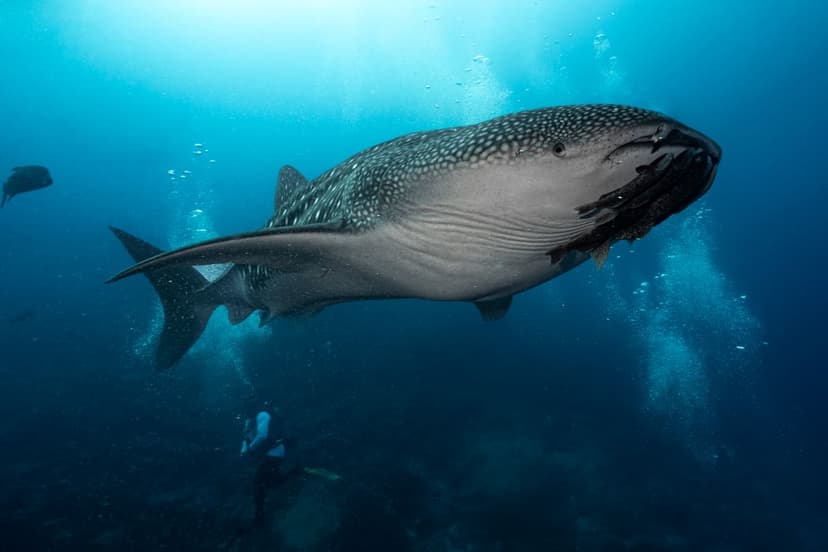
What you gain: Whale sharks. The southwest monsoon brings plankton-rich water to the western side of the atolls, and with it come the Maldives' largest visitors. South Ari Atoll becomes one of the most reliable places on Earth to swim with whale sharks.
The deal: Prices drop 20-30% from peak season rates. Some boats offer free nitrox, cabin upgrades, or reduced single supplements.
Is it worth it? Absolutely — if whale sharks are your thing and you don't mind the occasional choppy transfer. The diving between sites is still world-class, just with a different cast of characters.
Red Sea — Winter (December-February)
What changes: Water temperature drops to 22-24°C (you'll want a 5mm or even a semidry). Surface temperatures are cooler but pleasant. Shorter days.
What you gain: Fewer boats, exceptional visibility, and the kind of pricing that makes the deep south routes genuinely affordable. The marine life doesn't change much — the Red Sea is remarkably consistent year-round.
The deal: Off-peak pricing on the premium boats, which are often fully booked in spring and autumn. Last-minute deals are common.
Is it worth it? If you own a decent wetsuit and don't mind layering up, winter Red Sea is a hidden gem. The reefs are just as spectacular, and you'll share them with far fewer people.
Thailand — Early and Late Season (Mid-October, Late April)
What changes: The shoulder weeks at the start and end of the Similan season can bring occasional rain and reduced visibility.
What you gain: Pristine dive sites that haven't seen a diver in months (at season opening) or the last-chance energy of late season when operators offer discounts to fill remaining spots.
The deal: Early October and late April trips often run 15-25% below mid-season prices.
Is it worth it? The opening weeks of Similan season are genuinely special. The reefs have recovered from the closed season, fish life is abundant, and the water — while occasionally green from plankton — is rich and alive.
Komodo, Indonesia — Wet Season Shoulder (March, November-December)
What changes: More rain, occasionally reduced visibility, slightly rougher seas in exposed areas.
What you gain: The marine life in Komodo doesn't take holidays. Manta rays are present year-round, and the transition months often bring interesting pelagic activity. Plus, you'll have Batu Bolong and Castle Rock practically to yourself.
The deal: Significant discounts available, especially for November-December trips outside the Christmas/New Year premium window.
Is it worth it? Komodo in the shoulder months is still Komodo — one of the richest marine environments on the planet. The occasional rain shower is a small price for empty dive sites and happy manta encounters.
Raja Ampat — Wet Season (May-September)
What changes: More rain (it's a rainforest, after all), occasional swells, and reduced visibility at some exposed sites.
What you gain: Fewer boats in one of the world's most biodiverse marine areas. The macro life doesn't change — those pygmy seahorses are there year-round. And the wet season brings unique experiences, including possible whale sightings.
The deal: Wet season trips can be 25-35% cheaper than peak rates. For a destination that's already a significant investment, those savings are meaningful.
Is it worth it? For experienced divers who are comfortable with variable conditions, wet season Raja Ampat offers extraordinary value. The biodiversity is undiminished, and the sense of having discovered something remote and untouched is amplified.
How to Find Off-Season Deals
Book Early for Off-Season
Counterintuitive, but hear us out. The best cabins on the best boats fill up even in off-season. Operators release their schedule 6-12 months ahead, and savvy divers snap up the premium cabins at off-season prices before they're gone.
Watch for Last-Minute Offers
If your schedule is flexible, keep an eye on operators and agents for last-minute deals — typically 4-8 weeks before departure. Boats that aren't full will offer steep discounts rather than sail with empty cabins.
Ask About Added Value
Sometimes the deal isn't a lower price — it's added value. Free nitrox, complimentary equipment rental, cabin upgrades, or waived single supplements. These extras can be worth hundreds of dollars and are more common in off-season.
Work With a Specialist
A good dive travel agent knows which boats are offering off-season deals before they're advertised publicly. They also know which off-season trips are genuinely worth it and which are best avoided. This is where expertise saves you both money and disappointment.
When Off-Season Isn't Worth It
Let's be balanced. Some off-season combinations aren't worth the discount:
- Destinations where monsoon conditions make diving unsafe — no deal is worth a dangerous trip
- If you have very specific marine life targets that only appear in peak season
- If rough seas genuinely ruin your trip — seasickness for a week isn't a holiday
- Short trips where one bad weather day ruins a significant portion of your diving
The Bottom Line
Off-season diving is one of the best-kept secrets in the liveaboard world. It's not for everyone, and it requires realistic expectations about conditions. But for flexible, adventurous divers who value uncrowded sites and meaningful savings, it's a strategy that pays dividends — both financially and experientially.
The ocean is always open. It just charges less when fewer people are watching.
Curious about off-season options for your next trip? The Faneca team keeps a running list of off-season deals and can help you find the right balance between value and conditions. Reach out — we love matching divers with opportunities others overlook.
- Month-by-Month: Where to Dive in 2026-2027 — Detailed month-by-month destination calendar
- How Much Does a Liveaboard Trip Really Cost? — Full budget breakdown including savings tips
- Best Liveaboards Under $2,000 — Budget-friendly options year-round
Related Articles
%20-%20Large.jpg&w=828&q=75)
Best Time to Dive: A Season-by-Season Guide
When to visit the world's top liveaboard destinations for the best conditions and marine life encounters.
Galápagos Diving: What to Expect on Your First Trip
Hammerhead highways, curious sea lions, and currents that demand respect — here's what awaits in the enchanted islands.