Diving the Azores: Megafauna in Europe's Biggest Marine Reserve
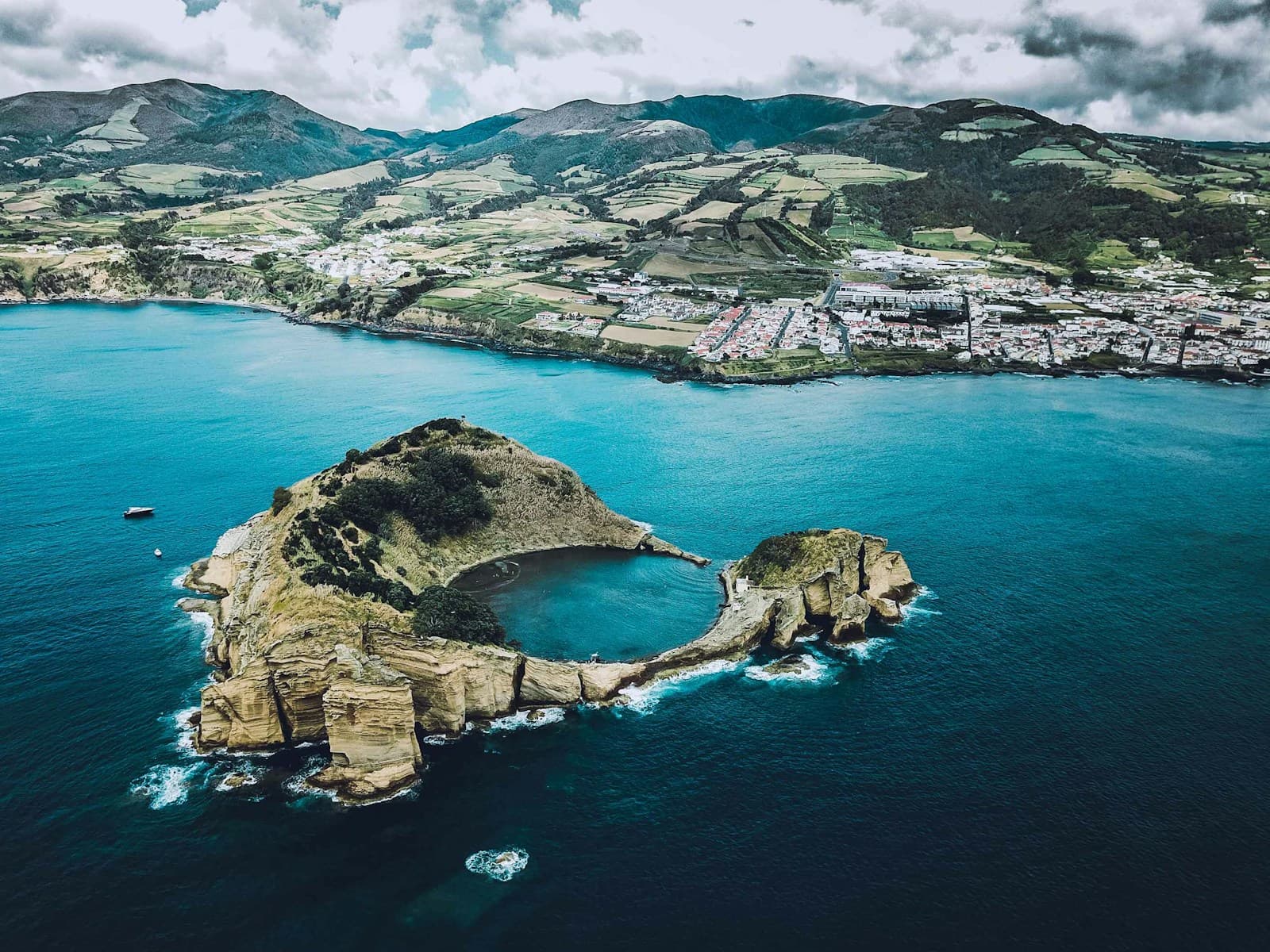
In 2024, Portugal did something that should have made diving headlines and mostly didn't: it designated roughly 287,000 square kilometres of Atlantic Ocean around the Azores as a marine protected area. That's one of the largest MPAs anywhere on earth, and it happens to sit directly on top of the pelagic highway that blue sharks, mobula rays, and sperm whales use to cross the North Atlantic.
For divers, this is an enormous deal that nobody outside the immediate region seems to have registered yet.
We haven't sent any clients there ourselves — not yet. This piece is why we think we're about to.
What the Azores actually are
Nine volcanic islands, 1,500 kilometres off the Portuguese mainland, roughly one-third of the way to North America. Three groups: eastern (São Miguel, Santa Maria), central (Faial, Pico, São Jorge, Graciosa, Terceira), and western (Flores, Corvo).
Above water, they look like a slice of Ireland that got lost in the Atlantic. Below water, they look like nothing else in Europe. The archipelago sits at the intersection of the Gulf Stream and the cold North Atlantic Drift, which produces two effects that matter if you dive:
- Seasonal pelagic migration. Between roughly June and October, the water warms into the low 20s Celsius and massive amounts of pelagic life passes through — not local reef fish, actual ocean-crossing animals. This is why divers go to the Azores.
- Seamounts close to land. The Azores islands are the tips of underwater volcanoes, but there are also freestanding underwater peaks — true offshore seamounts — within a few hours' boat ride of the inhabited islands. These are where the big encounters happen.
The new MPA covers both categories. Which means the diving isn't just good — it's being protected at a scale that almost no other dive destination in Europe can claim.
The megafauna case
What you're actually going to see depends entirely on when you go and which island group you dive from. Here's the honest inventory:
Blue sharks. July through October, the Azores are one of the most reliable places on earth to dive with blue sharks in open water. These are baited expeditions — divers on the surface and at shallow depth, sharks coming in from the blue. It's as close to a guaranteed pelagic shark encounter as this side of the Atlantic offers.
Mako sharks. Same season as blues, often on the same trips. Less frequent, more electric when they happen.
Mobula rays. Princess Alice Bank, about 50 nautical miles southwest of Faial, is one of the rare places in the world where you can reliably dive with large schools of chilean devil rays in summer. This is the kind of encounter most divers put on their life list and never get.
Sperm whales. The Azores have a resident sperm whale population — roughly 20 animals that stay around the archipelago year-round, plus migratory whales passing through. You won't scuba-dive with them (it's not legal to), but freediving encounters and whale-watching are world-class.
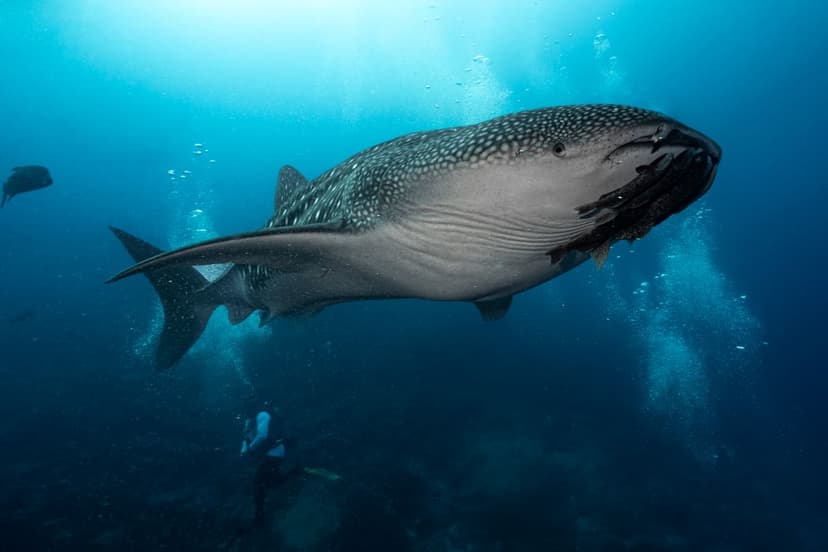
Mantas, whale sharks. Occasional, especially in late summer and early autumn. Not why you'd book the trip, but a bonus when they appear.
Local fish life. Dusky grouper (large ones), almaco jack, amberjack, barracuda, octopus, and a full supporting cast of temperate Atlantic species on the coastal reefs.
Where you actually dive
Three realistic bases, each with a different character:
Faial (central group). This is the offshore expedition hub. Princess Alice Bank, the Formigas reef, and Dollabarat are all reached from Horta. Boat rides are long — three to four hours each way — so you're committing a full day for one or two dives.
Pico (central group). Adjacent to Faial, great for sperm whale watching and lower-key coastal diving. A lot of serious divers base here for a more relaxed week.
Santa Maria (eastern group). The most reliable blue shark water. If your trip is about the sharks, this is usually the right island.
São Miguel — the biggest island and the one most tourists fly into — has diving too, but it's more coastal and less iconic. Most megafauna-focused trips route through the smaller islands.
When to go
The honest answer is mid-June through early October for anything involving big animals. Outside that window, the water's cold, the pelagic traffic is gone, and you're diving reef structure that — while good — you could do more cheaply in the Mediterranean.
Narrower windows if you want specific species:
- Blue sharks & makos: mid-July to September is peak
- Mobulas at Princess Alice: July and August, weather-permitting
- Sperm whale encounters: year-round resident population, but calmer weather May–September makes it practical
Weather is the variable that locals will talk about and operators won't advertise. The Atlantic around the Azores can stop diving dead for days at a time even in summer. Serious trips build in flex days.
What it costs
Real numbers based on published rates from Azorean operators, as of early 2026:
- Day diving (2 tanks, coastal): €60–€95
- Day trip to Princess Alice or a seamount (1 dive + long boat ride): €150–€220
- Blue shark charter (full day, baited, 2 dives): €180–€260
- Week-long land-based package (accommodation + daily diving): €1,100–€2,800 depending on island, operator, and room category
- Dedicated liveaboard weeks: these exist but are rare — €2,500–€4,500 is a typical range when they're offered
For context, that makes an Azores week roughly comparable to a mid-tier Red Sea liveaboard once you include European flights, with the key difference being the quality of the megafauna encounter and the protected-area context.
Who it's for
Divers with at least intermediate open-water experience, comfortable in blue-water conditions and cooler temperatures (wetsuit country, 5–7mm depending on the month), and more interested in ocean-crossing animals than coral reef postcards.
Photographers who shoot pelagic subjects will do some of their best work here. A good blue shark day at Santa Maria is genuinely world-class image material.
Who it's not for
Divers who want warm water and easy conditions. Azores visibility is often excellent but the water is cool, the boat rides to the best sites are long, and the weather can scrub a day with no warning. If your pattern is sun lounger between dives, you want somewhere else.
New divers — same honest answer we give for Galápagos. The seamount dives are deep, current-exposed, and blue-water by nature. Build up to this destination, don't start with it.
Why we think it's underrated
The Azores have historically been treated as a whale-watching destination with some diving attached. That framing is out of date. The MPA designation, combined with a slow growth in serious operators running offshore expeditions, has quietly put one of the best pelagic dive destinations in the northern hemisphere in a place most divers will fly over on their way somewhere else.
Our job, when we're talking to a client about pelagic diving, is to stop defaulting to "you should do Socorro again" and start asking whether the Azores in summer might actually be what they're looking for.
For Iberian clients in particular, the Azores are a three-hour flight from Lisbon, in Portuguese-speaking waters, with world-class megafauna and a protected-area story that's about to get more coverage, not less. That's a combination we haven't seen from anywhere else in our region.
How to start planning
If this is the trip you're considering, we'd want to know four things before suggesting a specific route:
- What's on your life list? (Blues sharks, mobulas, and sperm whales come from different islands.)
- What month can you realistically travel?
- How deep are you diving comfortably?
- Are you traveling alone, as a couple, or with a group — because island-hopping the central group takes planning.
- A Boutique Liveaboard Agency, On Purpose — How we actually match clients to trips.
- Diving Madeira: Monk Seals, Caves & Year-Round Atlantic — The other underrated Portuguese diving story.
- Cape Verde for Divers: Whales, Sharks, and the Atlantic Crossroads — The pelagic-highway destination south of here.
- Europe's Best Liveaboard Destinations for 2026: Ranked and Compared — Where the Azores sit in the wider picture.
Related Articles
%20-%20Large.jpg&w=828&q=75)
Best Time to Dive: A Season-by-Season Guide
When to visit the world's top liveaboard destinations for the best conditions and marine life encounters.
Galápagos Diving: What to Expect on Your First Trip
Hammerhead highways, curious sea lions, and currents that demand respect — here's what awaits in the enchanted islands.