Red Sea liveaboard diving at a glance: trips from €791 per person · best months Spring and Autumn · intermediate · known for sharks, wrecks, walls. 16 listed departures.
Facts checked against live availability · September 2026
The Red Sea is one of the few destinations where a single body of water gives you genuinely different trips depending on the route and the week. Plan red sea liveaboard diving well and you can chase the headline wreck of the sport, drift past oceanic whitetips at an offshore pinnacle, or watch hammerheads stack up over a sandy plateau — but rarely all three on one boat.
Three route families matter. The northern wrecks-and-reefs run links the Thistlegorm, the Abu Nuhas ship graveyard, and the reef walls of Ras Mohammed — accessible, photogenic, and divable across most of the year. The southern Brothers, Daedalus and Elphinstone (BDE) shark route trades comfort for exposure: open-water pinnacles, real current, and seasonal pelagics. St John's and the Deep South add labyrinth reefs and quieter pelagic chances further south.
The Red Sea forgives the wrong week less than people expect, which is exactly where we help.
Spring, Autumn
sharks, wrecks, walls
intermediate
Best time to dive Red Sea
Spring (roughly March-May) brings warming, settled water and the start of the hammerhead build-up at Daedalus and Brothers, which peaks into summer — though summer water reaches the high 20s°C (warmer still in the south) and BDE gets busy. Autumn (around October-November) is the prime window for oceanic whitetips at the offshore reefs, with water still warm. Threshers are more of a cooler-water, autumn-into-winter sighting at Brothers and Daedalus, usually on early dives in deeper water. Northern wrecks and reefs dive well across most of the year; winter is divable but cooler, dropping toward the low-to-mid 20s°C, so pack more exposure protection. We steer you to the season that matches the marine life you actually want.
What you'll see in Red Sea — and when
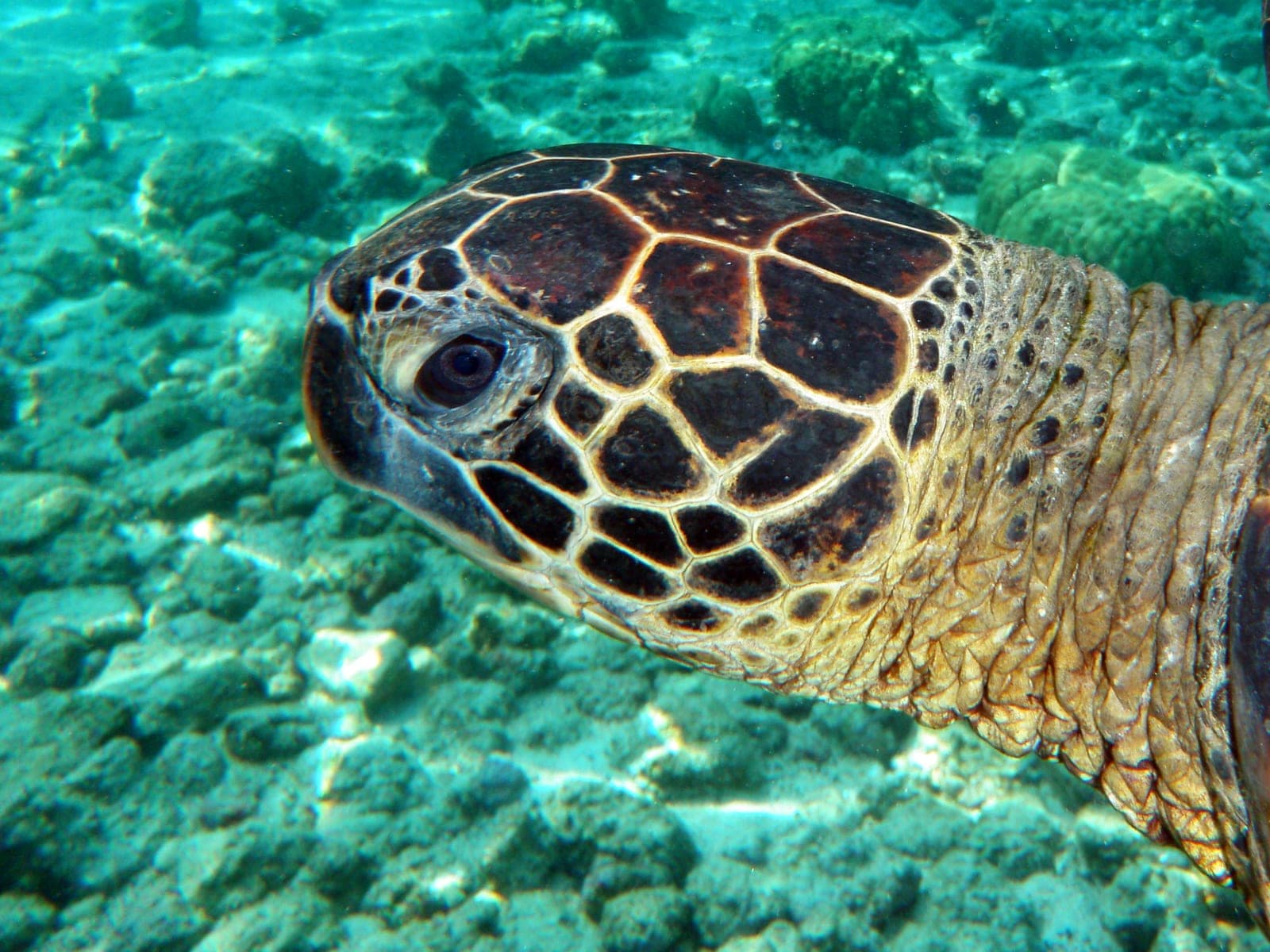
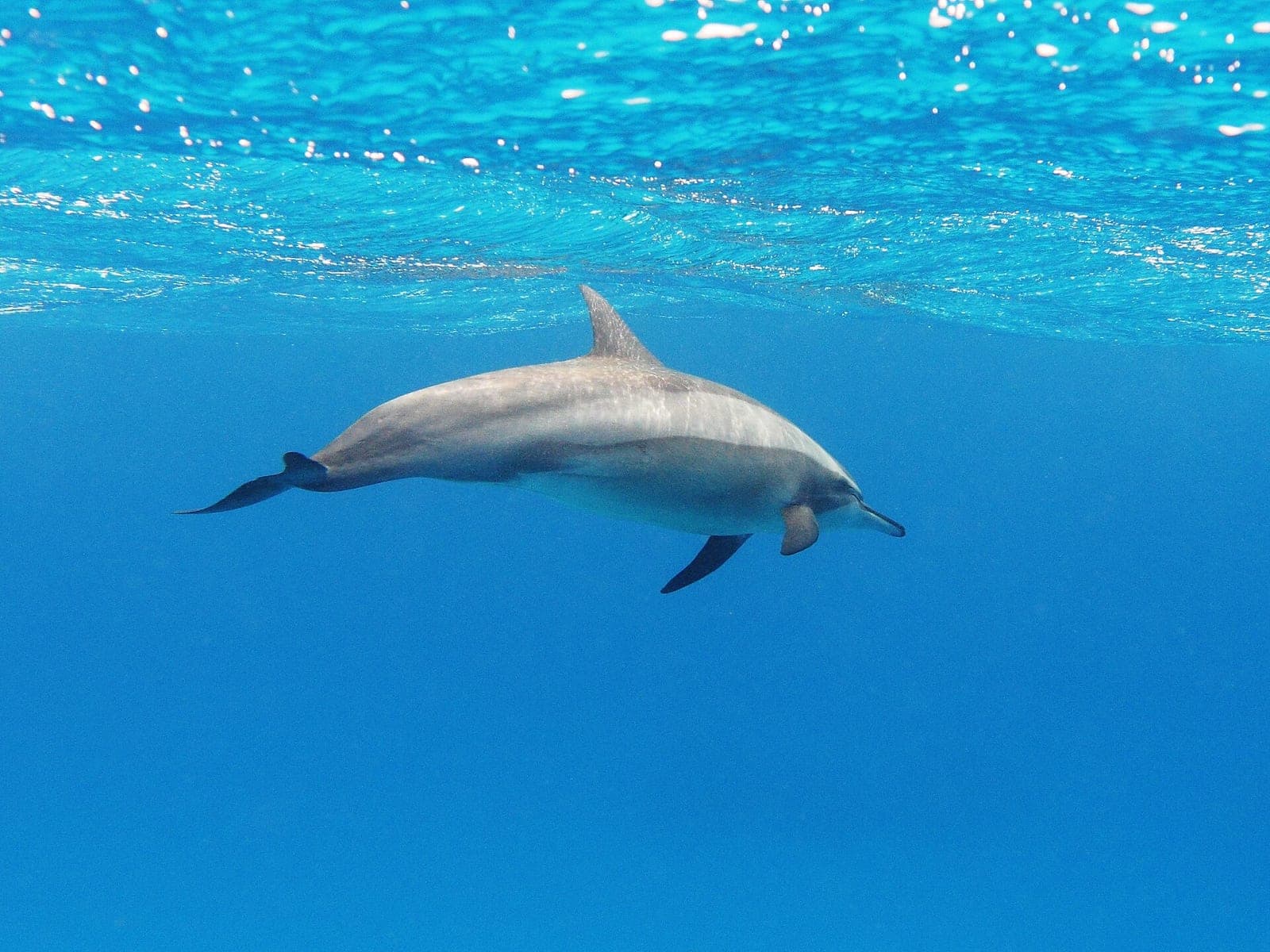
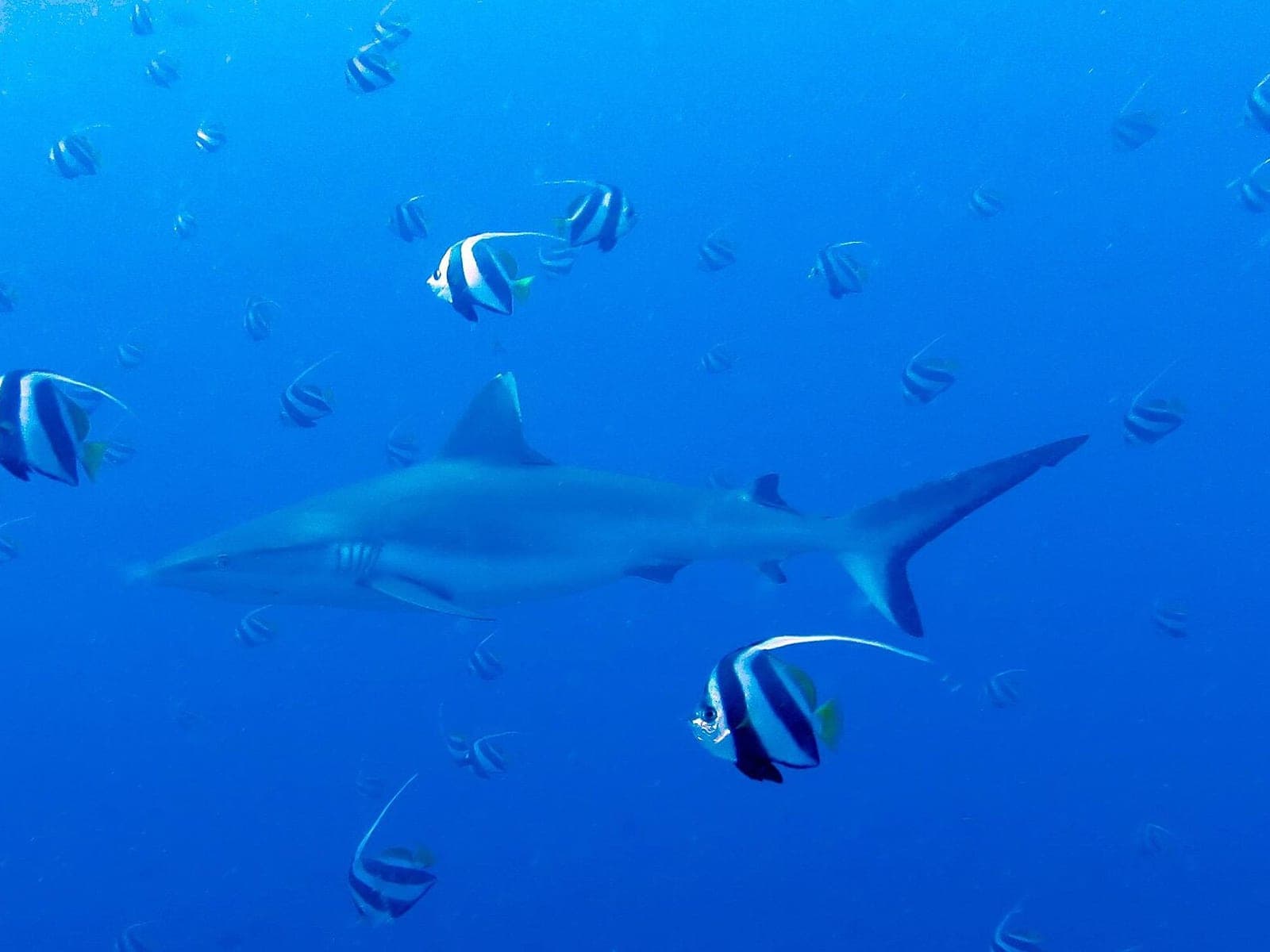
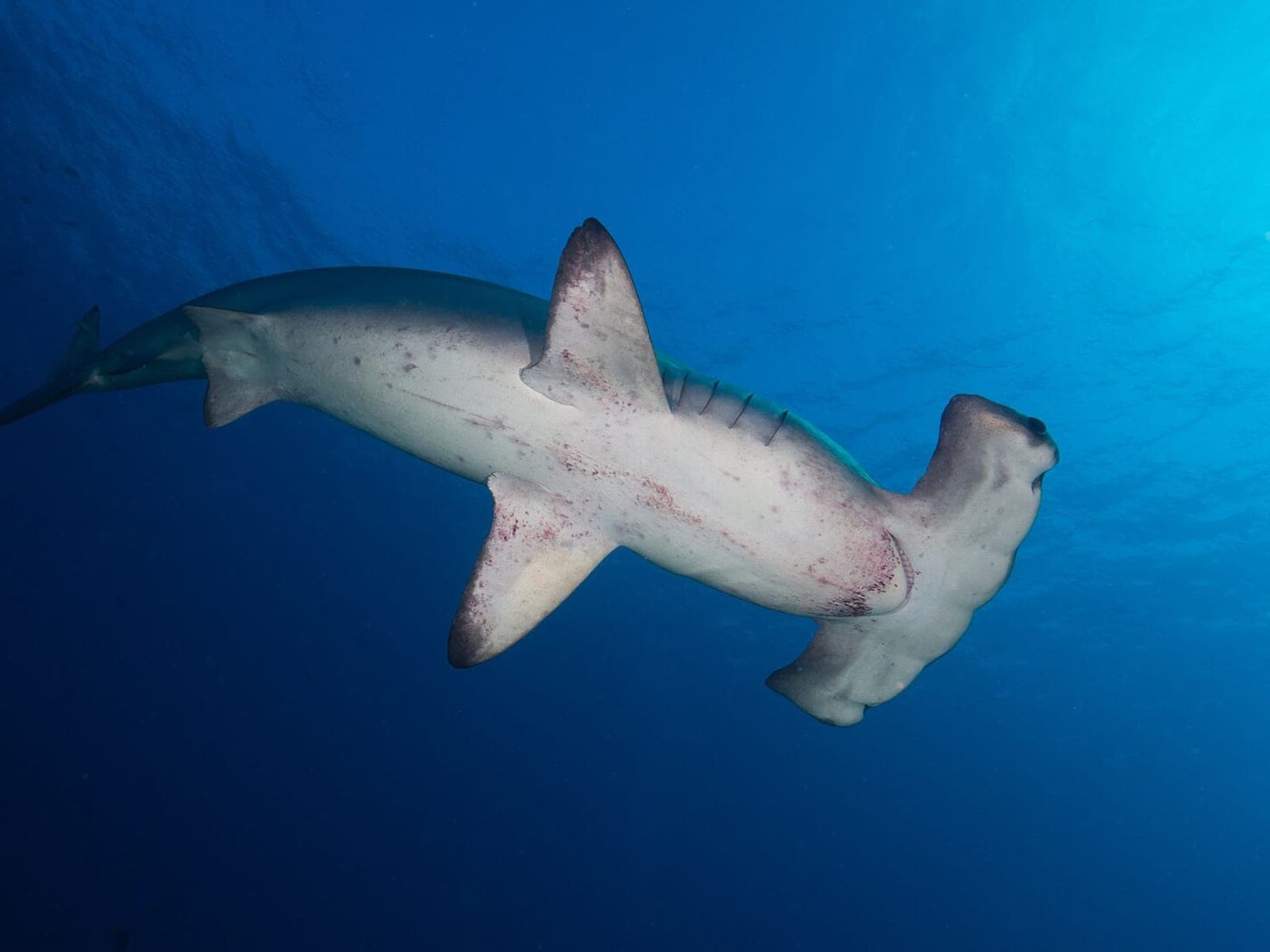
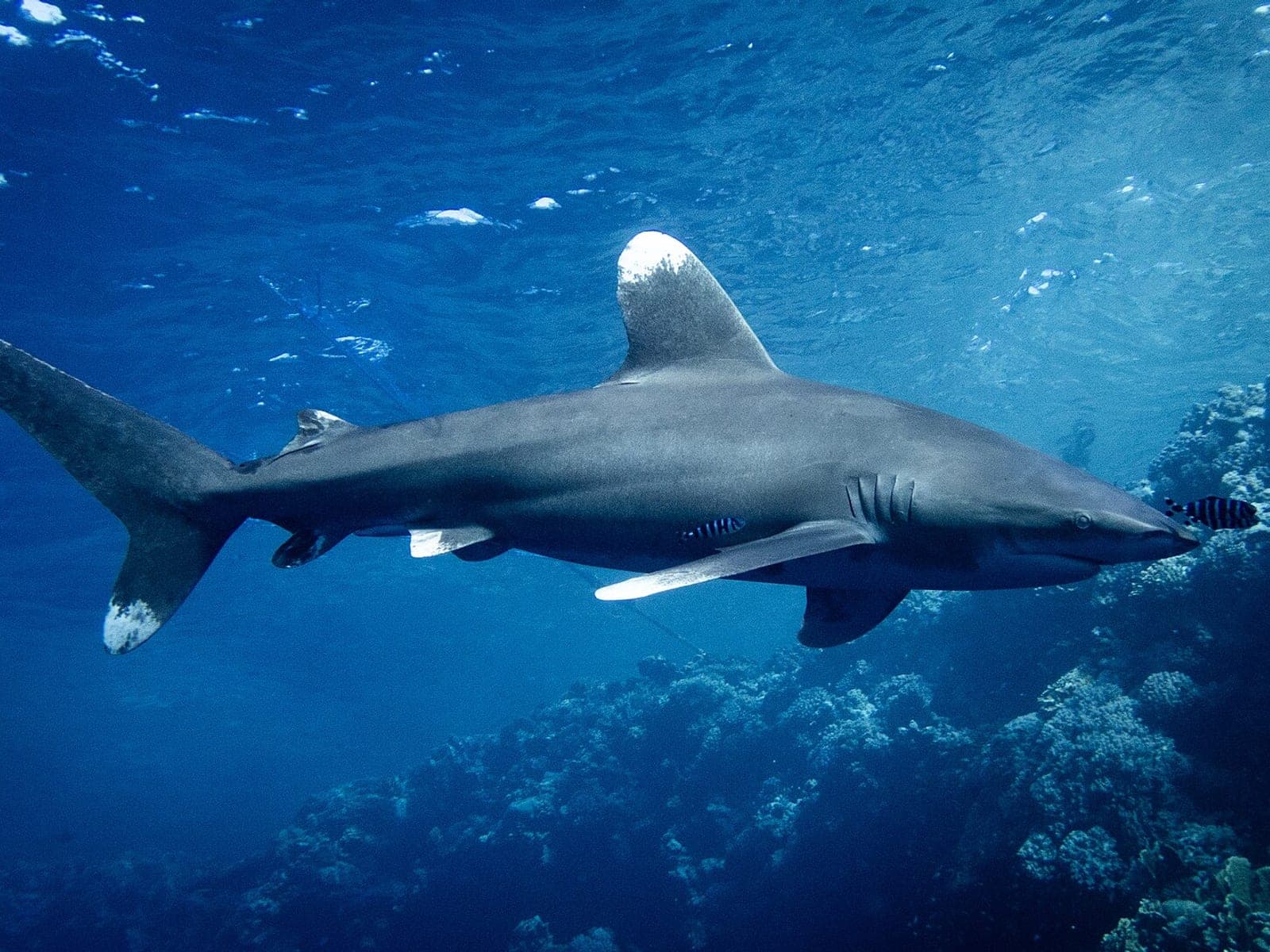
Want to plan around a specific animal? Try the Marine Life Finder.
What you'll dive in Red Sea
- SS Thistlegorm — the Red Sea's signature WWII wreck
- Abu Nuhas ship graveyard, including the Giannis D
- Ras Mohammed reef walls and Shark & Yolanda
- Brothers, Daedalus & Elphinstone (BDE) shark route
- Autumn oceanic whitetips and summer hammerheads
- St John's labyrinth reefs in the Deep South
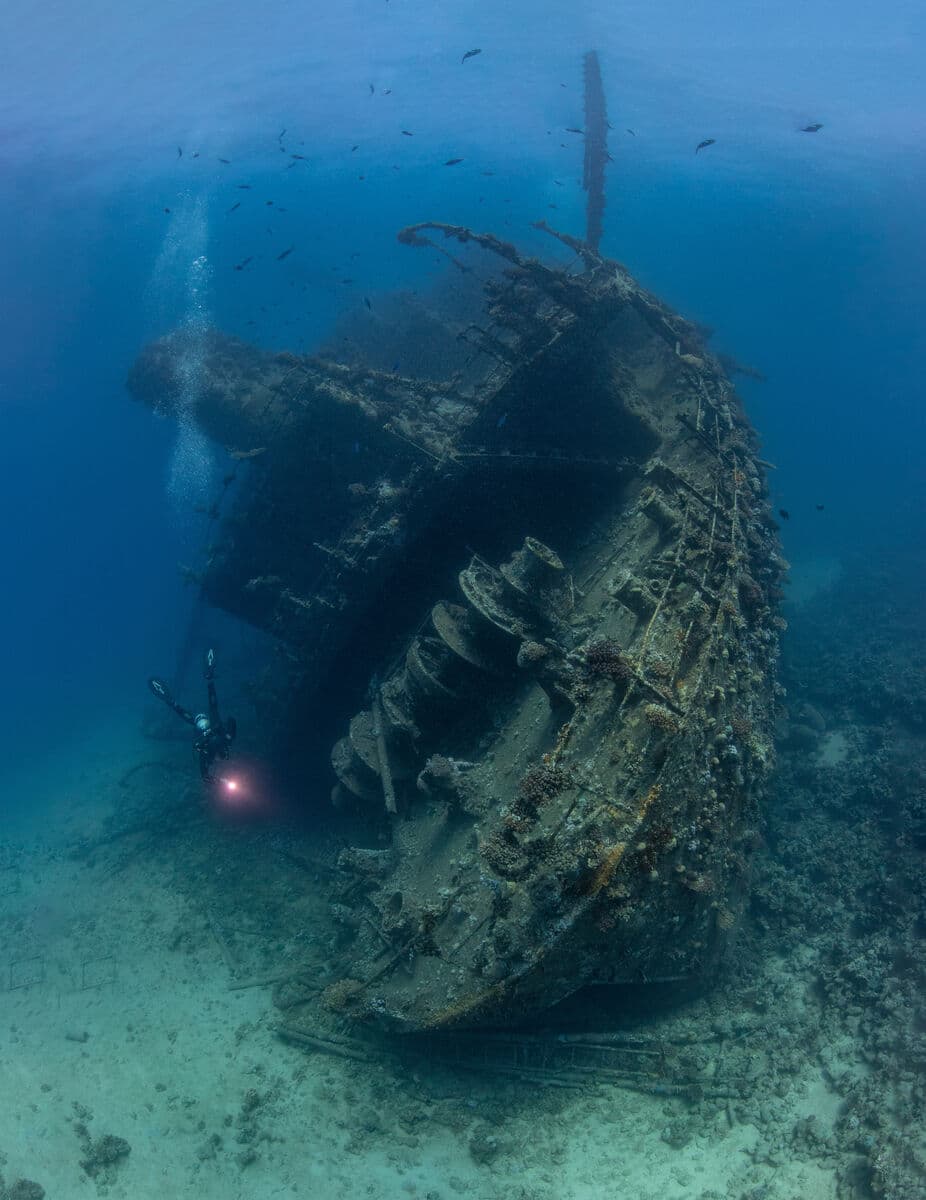
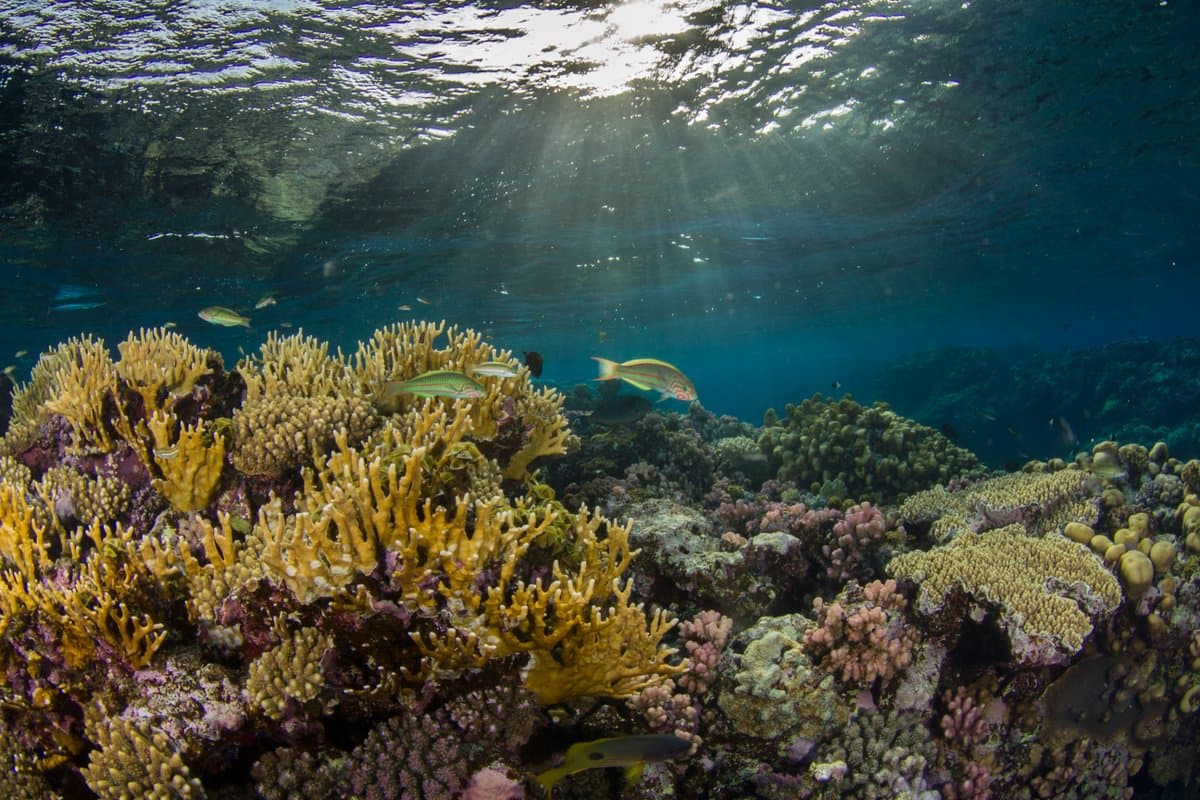
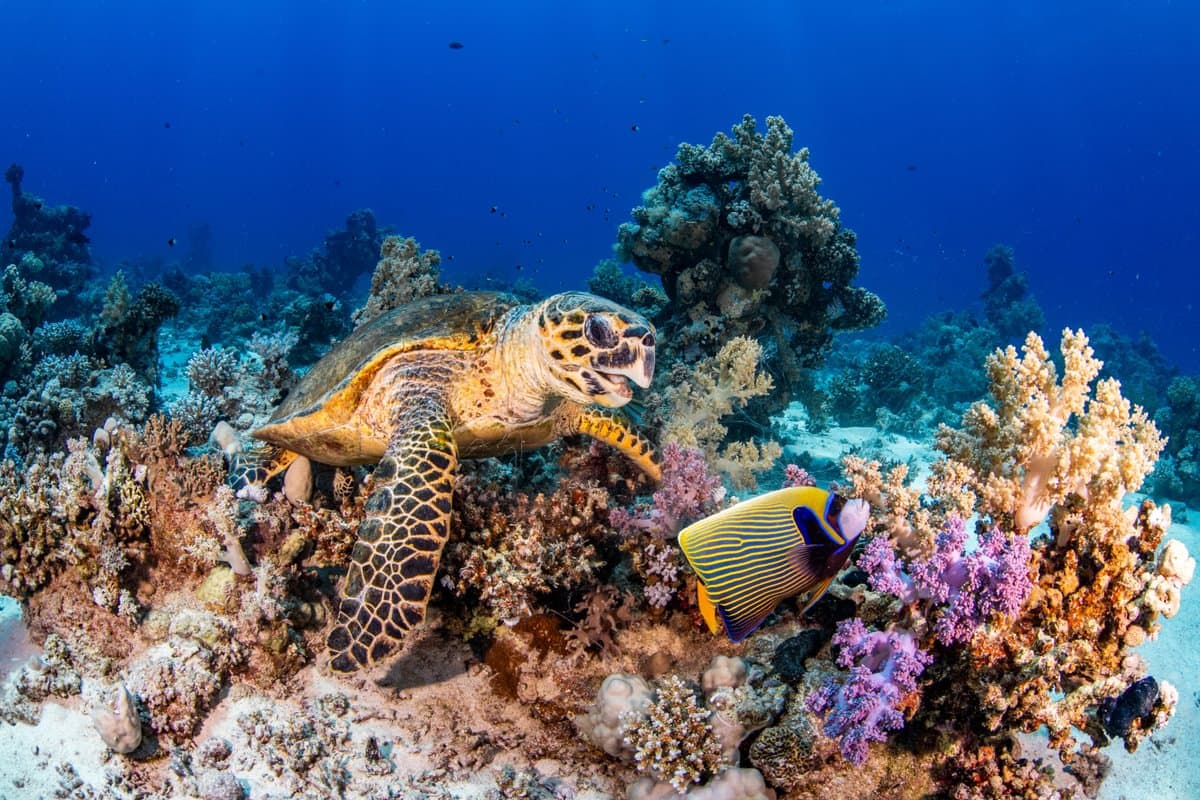
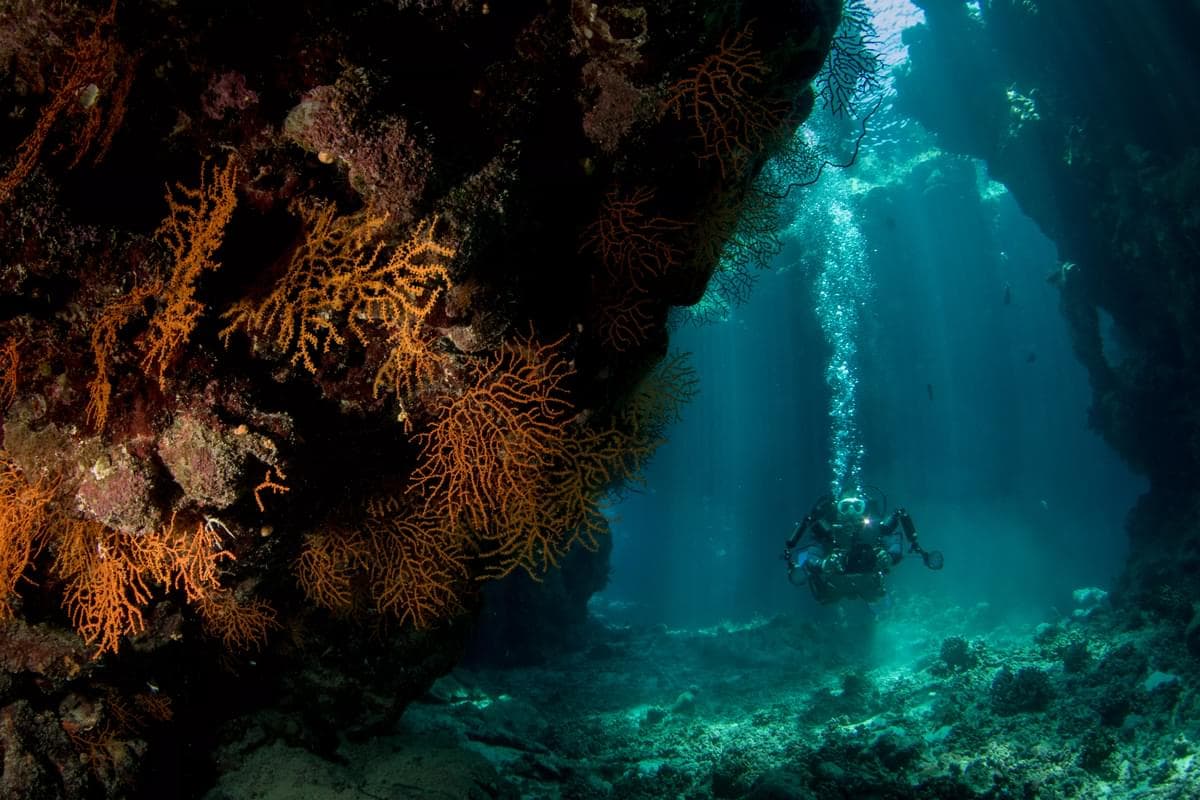
The marquee sites you'll dive
Read before you go
Red Sea Egypt: Wrecks, Reefs, and the Best Routes
From the northern wrecks to the Brothers and Daedalus — understanding Egypt's legendary Red Sea diving.
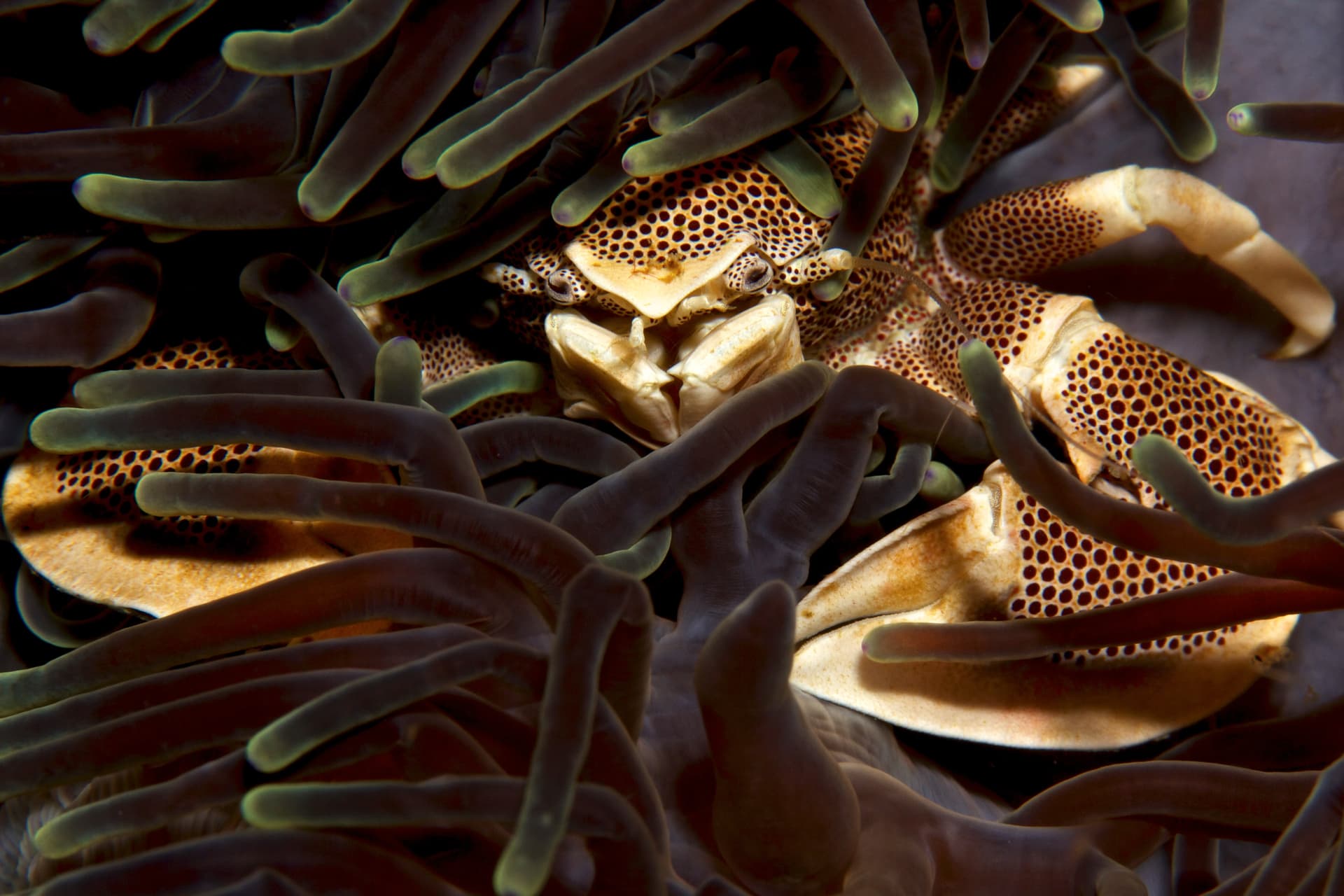
Saudi Arabia: The Untouched Red Sea
What Egypt looked like decades ago exists today — the Saudi Red Sea is diving's newest frontier.
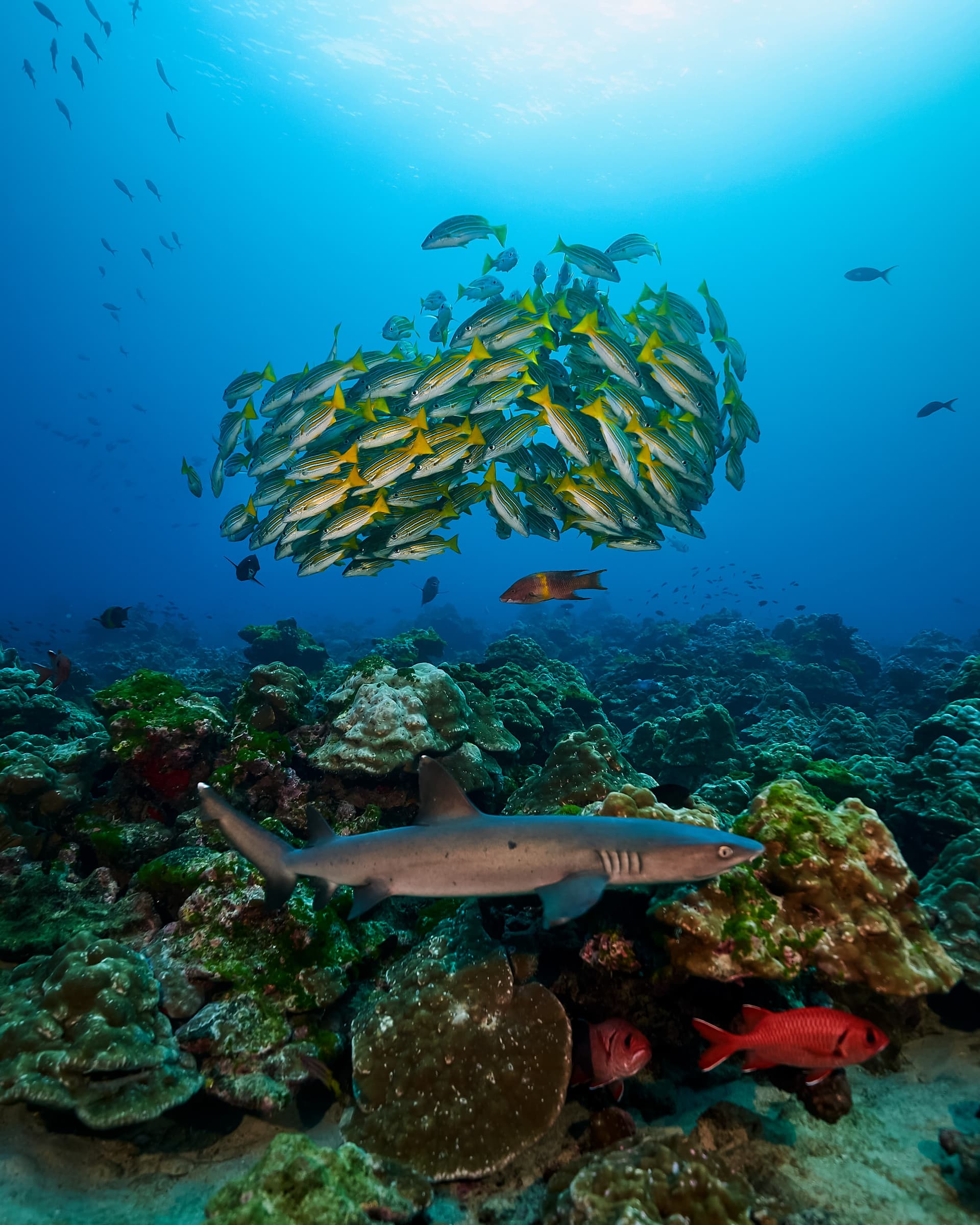
Red Sea Liveaboard Routes: North, South, BDE, and Deep South
The Red Sea offers wildly different liveaboard routes, from beginner-friendly reef tours to advanced deep south expeditions. Here's what each route delivers and who it suits.
Red Sea Route Deep Dive: Brothers Islands vs Northern Wrecks
The two most popular Red Sea liveaboard itineraries compared in honest detail — what each route offers, who it's best for, and which one to choose.
Red Sea diving — common questions
Which Red Sea route should I pick — north or south?
It depends on what you want. The northern route is wreck-and-reef diving: the Thistlegorm, Abu Nuhas, Ras Mohammed — more forgiving conditions and great for mixed-experience groups. The southern BDE route is open-water shark diving with real current and exposure. Tell us your group's experience and what you most want to see, and we'll match the route honestly rather than overselling the sharks.
When can I actually see oceanic whitetips and hammerheads?
They run on different calendars. Oceanic whitetips at the offshore reefs are mainly an autumn thing, roughly October to November. Schooling hammerheads at Daedalus and Brothers build through late spring into summer. Threshers are more of a cooler-water, autumn-into-winter sighting, usually on early dives. No liveaboard guarantees an encounter — these are wild animals — but booking the right week stacks the odds. We'll line up the dates with the species you're after.
How experienced do I need to be for a Red Sea liveaboard?
It varies sharply by route. Northern wrecks and reefs suit advanced divers building experience, even some confident newer divers. The southern offshore reefs — Brothers, Daedalus, Elphinstone — involve current, depth temptation and blue-water exposure, so good buoyancy and a solid logged-dive count matter. We match conditions and current requirements to your actual experience, not just your certification card.
How do I book a liveaboard trip to Red Sea?
Start by reaching out through our concierge service with a short brief — your dates, experience, and what you want from the trip. We'll shortlist trusted boats, check availability, and come back to you personally.
Bookable Red Sea dates
Ready to dive Red Sea?
Trips from €791 per person
Share a short brief and we'll shortlist trusted boats, check availability, and come back to you personally.
“I'd booked dive trips through the big search sites before, and it always felt like picking a boat off a list. Faneca asked about my experience, what I wanted to see and how I like…”— Sarah, London, UK