Sha'ab Sataya (Dolphin House)
A sheltered lagoon where spinner dolphins rest, and a reef that asks you to behave well.
Sha'ab Sataya is a large horseshoe-shaped reef on the southern edge of the Fury Shoals, and its sheltered lagoon is home to a resident population of spinner dolphins. That is why it is known as Dolphin House, and why so many southern itineraries stop here. Meeting a pod of spinners in clear, shallow water is a real privilege. It is also an encounter that depends entirely on how people behave, because the dolphins are here to rest, and research has flagged that the Sataya population is under pressure. This guide covers the dolphins, the rules, and the diving around the reef.
Quick answer: Sha'ab Sataya (Dolphin House) is a horseshoe reef with a sheltered lagoon, coral pinnacles and an outer wall; dolphins met by snorkel in Red Sea. Best season: Year-round; dolphins are present most days but never guaranteed, and calves are born mainly in July–August. Level: Snorkelling for dolphin encounters; Open Water for lagoon-side pinnacles; Advanced for the outer wall. Depth: Lagoon 5–10 m; outer reef and pinnacles to 30 m; the outer wall drops much deeper. Typical visibility: Typically 20–30 m.
Facts verified September 2026
Why the dolphins are here
Spinner dolphins feed offshore at night and spend much of the day resting in sheltered water, where they are safer from predators. Sataya's lagoon is ideal for that: shallow, protected by the reef and close to deep water. Pods of several dozen are common, and the population here is described as more than a hundred animals. Calves are usually born in July and August.
Resting matters. A dolphin that is repeatedly woken, chased or surrounded by swimmers burns energy it needs, and over time that drives animals away from a site. A review of dolphin watching in Egypt found that management at Sha'ab Samadai, the other Dolphin House near Marsa Alam, was working well, but that the Sataya population was under unsustainable pressure. Whatever the rules say on the day, the dolphins' rest comes first.
The rules and how to behave
In 2018 the Hurghada Environmental Protection and Conservation Association (HEPCA) and Egypt's Environmental Affairs Agency began a zoning plan for Sataya. It sets aside shallow areas in the north-east and south-east of the reef where all activity is banned except authorised research, creates neighbouring zones where snorkelling is allowed but diving and boat movement are not, and limits zodiacs to 10 knots in the swimming area. Boats may only moor in designated anchorage zones. Rules and their enforcement can change, so your guide's briefing on the current zones is the one to follow.
Whatever the zone, good conduct is the same:
- Snorkel, do not dive, with the dolphins; bubbles and divers below a resting pod disturb it
- Enter the water quietly from the zodiac, away from the pod, never on top of it
- Never chase, surround or swim into the middle of a group; let them choose to approach
- Never touch or feed a dolphin, and keep clear of mothers with calves
- Keep encounters short and leave if the animals start moving away or diving deep
Diving the reef
The dolphins are the headline, but Sataya is a good reef in its own right. The lagoon is about 5 to 10 metres deep, with coral heads and pinnacles that make easy, relaxed dives, and the outer reef has steep drop-offs and protected pinnacles covered in hard and soft corals. The outer wall is a dive for experienced divers; the lagoon-side sites suit everyone.
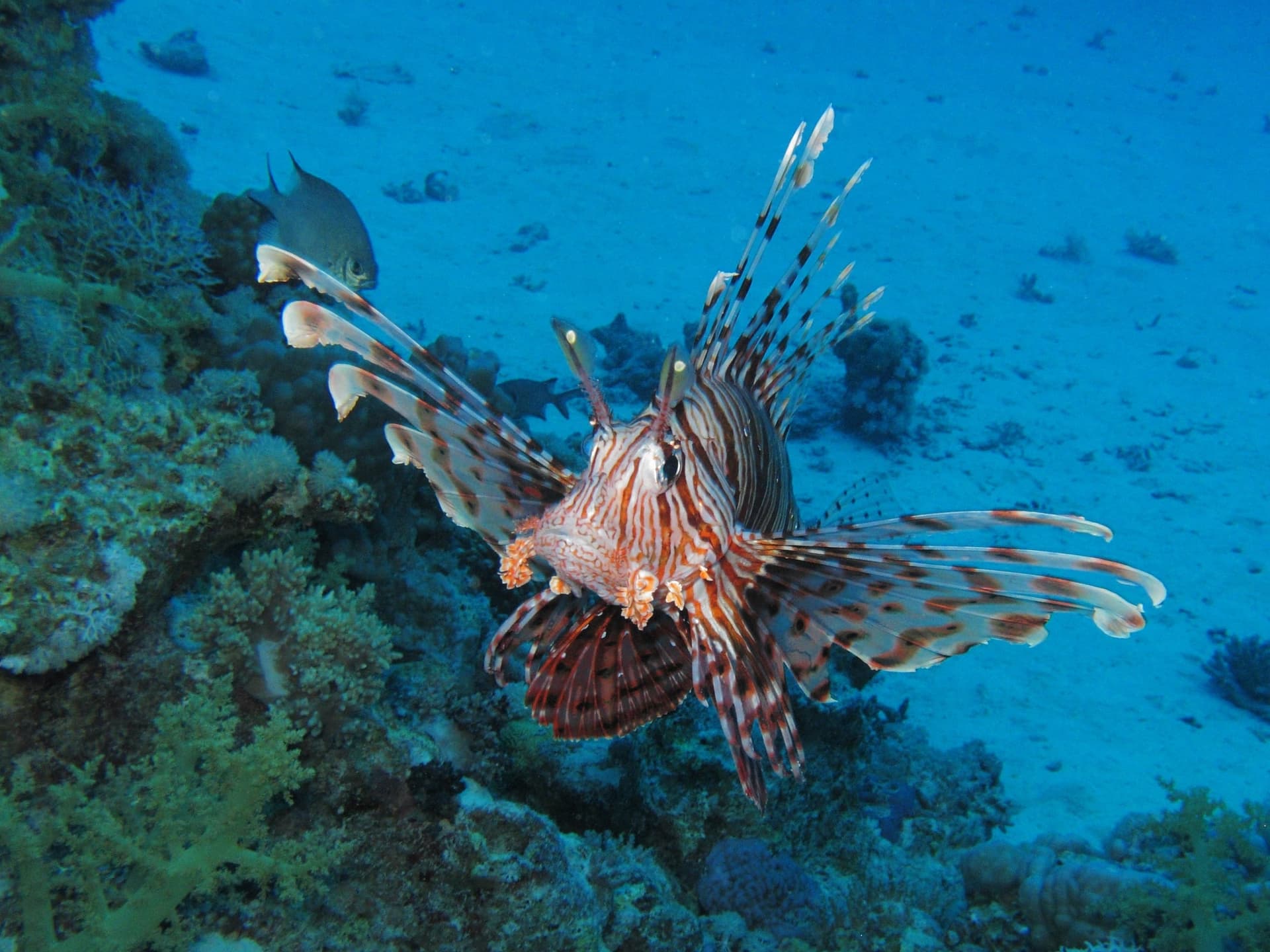
Expect turtles, whitetip reef sharks resting on the sand, barracuda and Napoleon wrasse, lionfish hunting at dusk and anemonefish in the shallows. Current is usually mild, and visibility is typically 20 to 30 metres. The wider Fury Shoals around Sataya add hard-coral gardens, swim-throughs and small wrecks, so a day here rarely feels repetitive.
When to go and what to expect
Spinner dolphins use Sataya throughout the year, and most visits find them, but they sometimes leave the lagoon for hours at a time, so no operator can promise an encounter. Mornings are generally the best time to find them resting in the lagoon. Water is warmest from July to October, at around 28°C or more, and coolest in February and March, when it drops to the low 20s.
Do not confuse Sataya with Sha'ab Samadai, the Dolphin House reached from Marsa Alam, which is more than 100 km to the north and has its own management system.
How you actually visit
Day boats run to Sataya from Hamata, about two hours each way, which leaves limited time on site. Liveaboards on southern routes usually moor in the designated anchorage overnight, which means you can snorkel with the dolphins in the morning, dive the reef through the day and avoid the busiest hours of the day-boat traffic.
On a good morning the pod comes past the zodiac, a few animals break off to look at the snorkellers and the rest carry on resting. That is the encounter at its best, and it is the one you get by staying calm and letting them decide.
Faneca visits Sataya on our Golden Mix (Daedalus, Sataya & St Johns) itineraries, mooring in the designated anchorage so you can meet the dolphins in the calm of the morning and dive the reef afterwards.
Sha'ab Sataya (Dolphin House): common questions
What is the best season to dive Sha'ab Sataya (Dolphin House)?
Year-round; dolphins are present most days but never guaranteed, and calves are born mainly in July–August
What experience level do I need for Sha'ab Sataya (Dolphin House)?
Snorkelling for dolphin encounters; Open Water for lagoon-side pinnacles; Advanced for the outer wall
How deep is Sha'ab Sataya (Dolphin House)?
Lagoon 5–10 m; outer reef and pinnacles to 30 m; the outer wall drops much deeper
What marine life will I see at Sha'ab Sataya (Dolphin House)?
Resident spinner dolphins, turtles, whitetip reef sharks, barracuda, Napoleon wrasse, lionfish, anemonefish, bluespotted rays
