Europe's Best Liveaboard Destinations for 2026: Ranked and Compared
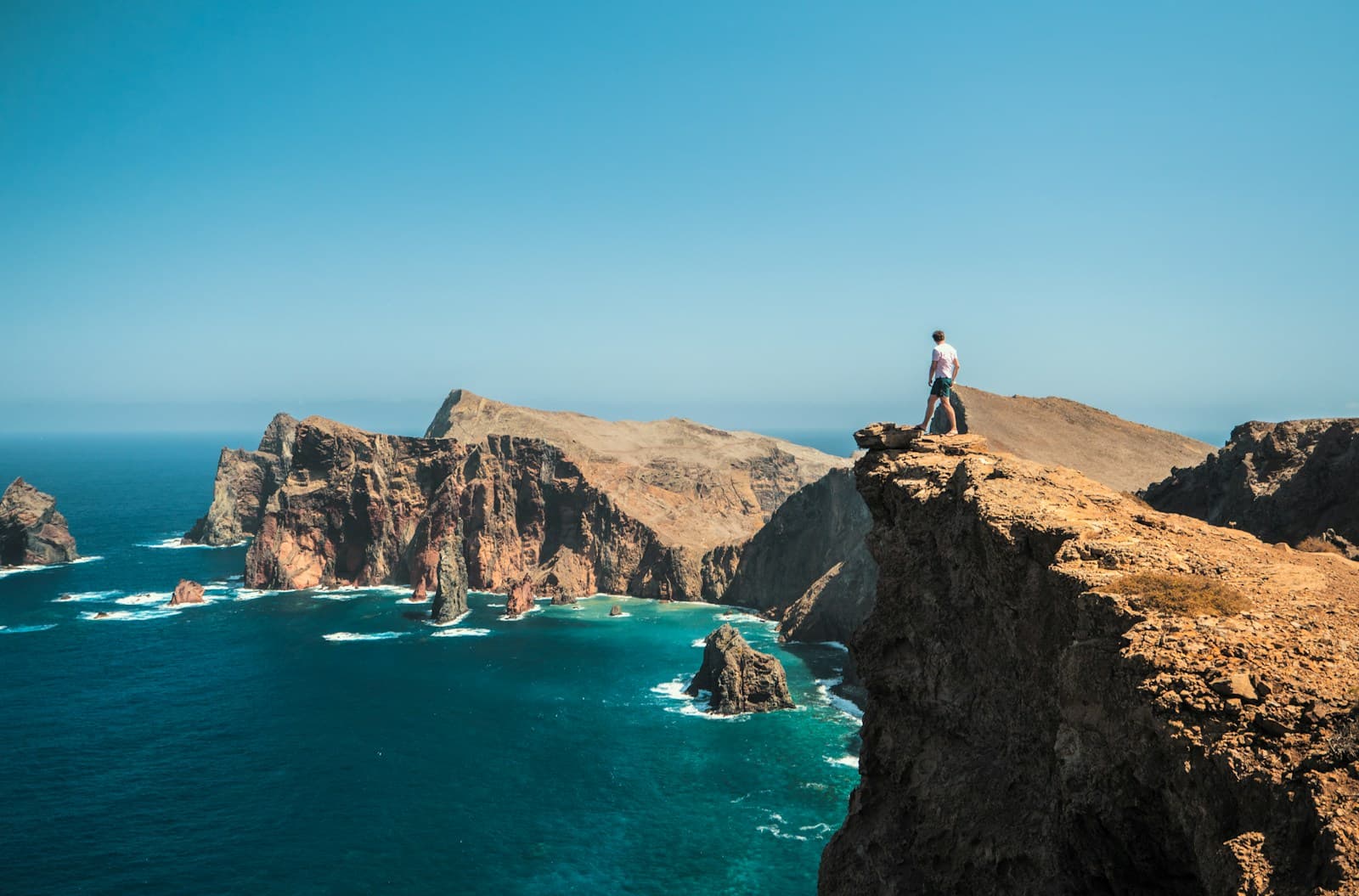
Europe has a boat-diving inferiority complex. Ask a European diver where they dream of diving and the answer is almost always somewhere else — Raja Ampat, Palau, the Maldives, the Galápagos. All of those are excellent. None of them are in Europe.
Which is how we end up with well-travelled divers who have logged 500 dives across the Pacific and couldn't tell you what's at Princess Alice Bank or Mar de las Calmas.
This piece ranks the destinations European divers can realistically reach by liveaboard or structured boat diving in 2026. It is opinionated by design. A few destinations are missing on purpose; we'll explain why at the end.
How we ranked them
Four criteria, weighted equally:
- Marine life quality — what's actually in the water, with specific reference to pelagic encounters, resident populations, and marine-protected-area status.
- Operator infrastructure — how many serious boats operate there, and how consistent the dive experience is.
- Cost-to-value ratio — not cheapest, but strongest value relative to what you'd pay flying to the Indo-Pacific for comparable diving.
- Accessibility for European divers — flight distance, seasonality, visa friction.
#1 — Egypt (Red Sea)
Not technically European, but the closest serious warm-water diving to any European capital, and the only Red Sea–adjacent country on our list. The offshore routes — Brothers, Daedalus, Elphinstone, and Rocky & Zabargad for the southern itinerary — deliver the full pelagic catalogue: oceanic whitetips, threshers, hammerheads (seasonal), mantas, dolphins, plus wreck diving of genuinely global significance.
Infrastructure: the largest and most mature liveaboard market in our region. Dozens of boats, every tier from mid-range to genuinely luxury.
Cost: 7 nights offshore Red Sea on a good mid-tier boat runs €1,400–€2,400 per person, flights not included. Flights from most European capitals run €200–€450.
Who it beats on this list: everyone, on cost-to-value. A serious Brothers week is the best single liveaboard trip in our region for under €2,500 all-in.
Full breakdown → (how a Red Sea week actually unfolds)
#2 — Azores (Portugal)
The one we'd argue should be higher on most serious divers' short lists and almost never is.
Why it's here: pelagic diving in the largest marine protected area in the Atlantic (287,000 km², designated 2024). Reliable blue shark and mobula encounters in summer. Resident sperm whale population. Genuinely wild, Atlantic, cool-water conditions that most Mediterranean divers have never experienced.
Infrastructure: smaller than Egypt but growing. A handful of serious operators run offshore expeditions to Princess Alice and Santa Maria. Liveaboard format is rare; most trips are land-based with daily offshore boat days.
Cost: €1,100–€2,800 for a land-based week, €2,500–€4,500 for the rare chartered liveaboard weeks when available.
Best for: divers chasing rare pelagic encounters (blue sharks, mobulas) without leaving the Atlantic. Summer only (June–October).
#3 — Cape Verde
The destination most European divers have never seriously considered, and the one we think will be the biggest sleeper hit of the next three years.
Why it's here: North Atlantic humpback whale breeding season (February–April) with permitted snorkel encounters. Wild juvenile lemon shark aggregations at Sal that you can wade into. Major loggerhead nesting at Boa Vista. Warm water year-round (22–26°C). Cultural and logistical familiarity for Lusophone divers.
Infrastructure: small. No established liveaboard fleet. Diving is land-based from Sal, Boa Vista, or São Vicente. This is a "bigger adventure per euro" destination, not a luxury-vessel one.
Cost: €700–€1,800 week-long package. Flights from Lisbon €200–€450 return, slightly more from other European capitals.
Best for: divers who want big-animal encounters in warm water without the 14-hour flight to Mexico or Indonesia. Non-diver partners have a substantial vacation too.
#4 — Madeira (Portugal)
The quiet year-round option.
Why it's here: the Garajau Marine Reserve has been protected since 1986 — the oldest in Portugal — producing large resident fish populations you don't see elsewhere in temperate Atlantic waters. The Desertas Islands host one of the last breeding populations of Mediterranean monk seals. Diving is viable 12 months a year.
Infrastructure: mature for a destination this size. Dozens of operators in Funchal, reliable shore and boat diving within a 15-minute transfer from the capital. No liveaboard fleet — it doesn't need one.
Cost: €700–€1,600 week-long package. Cheapest of the four top-tier picks.
Best for: divers who need a reliable off-season option, first-timers looking at "real" marine reserve diving, couples where one partner doesn't dive.
#5 — Scotland (Scapa Flow)
The specialist pick. Not for everyone, but what it does, it does at world-class level.
Why it's here: Scapa Flow in Orkney has seven remaining vessels of the scuttled German High Seas Fleet from 1919 — battleships, cruisers, and light cruisers sitting in divable depths in relatively clear, cold water. The wrecks are of genuinely global historical significance, and several are technically challenging in ways that reward serious divers.
Infrastructure: small but specialised. A handful of dedicated wreck-diving liveaboards operate the route May–September.
Cost: €1,800–€3,200 for a week-long liveaboard, weather-dependent. Flights to Aberdeen or Kirkwall.
Best for: advanced divers, wreck obsessives, cold-water-comfortable divers with dry-suit experience. Not a beginner destination under any interpretation of the word.
What we deliberately left off this list, and why
Canary Islands. Outstanding land-based and day-boat diving — particularly El Hierro — but the infrastructure, economics, and geography don't support a liveaboard use case. Treating the Canaries as a liveaboard destination is a mistake. We wrote a whole piece on this.
Mediterranean (general). Some of the most important diving in European history happened here, and isolated pockets — Malta's Gozo, Croatia's island reefs, Cyprus, specific Italian sites — are still worth a dedicated trip. But as a liveaboard category, the Mediterranean is a shadow of the Atlantic. The pelagic population has been under pressure for centuries, and no single Mediterranean destination rewards a week on a boat the way the four Atlantic options above do.
Norway. The arctic orca and humpback trips out of Skjervøy and Tromsø in November–January are genuinely spectacular, but the format is surface snorkel in immersion suits, not scuba liveaboard. We love it. It is not what this piece is about.
Iceland. Silfra is a bucket-list dive; it's 45 minutes of fresh-water drift between tectonic plates, not a week of boat diving. Different category.
Quick reference table
| Destination | Best season | Cost (week) | Primary draw |
|---|---|---|---|
| Red Sea (Egypt) | Apr–Nov | €1,400–€2,400 | Offshore pelagics, wrecks, infrastructure |
| Azores | Jun–Oct | €1,100–€2,800 | Blue sharks, mobulas, MPA scale |
| Cape Verde | Feb–Oct | €700–€1,800 | Humpbacks, lemon sharks, warm Atlantic |
| Madeira | Year-round | €700–€1,600 | Garajau reserve, monk seals, reliability |
| Scotland (Scapa) | May–Sep | €1,800–€3,200 | Historic wrecks, advanced diving |
How to decide
If you've never done a serious liveaboard: Red Sea. Biggest safety net, best infrastructure, most bang for the euro.
If you've done a few Red Seas and want the next step: Azores in summer. You will dive differently there than you have anywhere else in Europe.
If you want warm water and wild animals without flying further: Cape Verde. Pick your month carefully (March–April for humpbacks).
If you have a week in February or November and want real diving: Madeira. No other destination on this list is accessible at that time of year.
If you're a wreck specialist: Scapa Flow. There is genuinely nothing else like it.
How we actually help
Every destination on this list is a trip we can plan. Some — Red Sea, Azores, Madeira — we run actively. Others — Cape Verde, Scapa — we're building active programming for in 2026. In all cases, our job is to match you to the right trip at the right time on the right boat, and to turn down the trip if none of those three line up.
Tell us what you're thinking about →
- A Boutique Liveaboard Agency, On Purpose — How we work.
- Diving the Azores: Megafauna in Europe's Biggest Marine Reserve — #2 on this list in detail.
- Cape Verde for Divers: Whales, Sharks, and the Atlantic Crossroads — #3 on this list in detail.
- Diving Madeira: Monk Seals, Caves, and Year-Round Atlantic — #4 on this list in detail.
- Canary Islands Liveaboard vs Day-Boat: Why Land-Based Wins Here — Why the Canaries are intentionally absent from this ranking.
Related Articles
%20-%20Large.jpg&w=828&q=75)
Best Time to Dive: A Season-by-Season Guide
When to visit the world's top liveaboard destinations for the best conditions and marine life encounters.
Galápagos Diving: What to Expect on Your First Trip
Hammerhead highways, curious sea lions, and currents that demand respect — here's what awaits in the enchanted islands.