A Boutique Liveaboard Agency, On Purpose

There's a short answer for why we started Faneca Expeditions.
Because nobody was running a liveaboard agency the way we'd want one run if we were the customer.
That's not a marketing line. Every process we have — the questions we ask before we'll quote, the boats we've removed from our list, the clients we redirect to other agencies — started as something we wished somebody had done for us.
Who we are
We're a team of diving professionals who've been in the industry for years. The kind of divers who plan the next trip before the current one ends, who read an operator's incident history before the brochure, who pick a boat based on the dive deck and the captain, not the cabin photos. At some point our friends started asking us to do that legwork for them. That's the job now.
What matters on your booking isn't our history — it's how well your specific trip matches what you actually want, and whether the operator we put you with can deliver on it. Our experience just makes us able to tell.
Why Portugal
Portugal has been an Atlantic country longer than it's been a country. The ports that launched the age of exploration are a short drive from where we work. That's not romance — it's context. Iberian divers don't book a "dive vacation," they plan a passage, and it shows in the questions they ask.
The other reason is less glamorous and more important: the European morning overlaps with Red Sea operator office hours. The afternoon reaches the Pacific when Southeast Asian captains are wrapping up. The evening catches Caribbean boats before they lock up. Roughly 90% of the world's serious liveaboard operators are reachable during our working day. That math is why we set up here — not an accident of it.
What "boutique" actually means to us
"Boutique" is a word that's been worn down to uselessness. Half the industry uses it to mean "expensive." Here's what we actually mean by it:
Curation, not catalog. Every boat on our list has been personally vetted. If we wouldn't book it ourselves, you don't see it. We sometimes tell a client "we don't have a good match for you — here's another agency we'd recommend instead." Losing a booking is cheaper than sending someone on a trip we don't believe in.
Matching, not selling. We ask questions before we quote. Experience level, what kind of diving you like, who you're traveling with, how you feel about current. A client who said "macro, solo, November, flexible" and a client who said "sharks, group of six, fixed June dates" get very different answers from us — even if the brochure version of their trips looks identical.
Same fare as direct. We earn commission from operators. The fare is exactly what you'd pay on the operator's own website, and our invoice adds a 3% admin and card processing fee as its own line. No markup on the fare, and no hidden fees. If an agency is charging you more than the direct price, they're charging you for bad service.
A real one: the Brothers–Daedalus substitution
Abstract values are cheap. A concrete example is more useful.
Last spring a client — first-ever liveaboard, solo traveler — had booked a northern Red Sea reef route. Three weeks out she got cold feet. Wasn't sure she could handle the currents. Wanted to cancel.
Most agencies would have talked her into staying, or refunded her to a land-based resort. We did neither. We moved her onto a Brothers–Daedalus–Elphinstone trip two weeks later, on a boat we knew had a good dive deck culture for solo travelers. The price difference went back to her as a refund. The operator sold the original cabin to a walk-in. She came back six months later and booked Raja Ampat for the following year.
That's the ratio we're playing for. It took us about three hours of phone and email work. A bigger agency would have flagged it as "not worth the hassle." For us, not-worth-the-hassle is the actual job.
What the industry gets wrong
The rest of the industry is running a menu. Grid of thumbnails, pick one, book, hope.
That's fine for a flight. It's not fine for a diving trip — because diving trips aren't fungible. A Maldives atoll trip is not interchangeable with a Red Sea offshore route. A "beginner-friendly" Indonesian itinerary can mean three different things depending on the operator. A "photography-focused" Raja Ampat trip disappoints if the guide team doesn't know how to hover-hold a manta cleaning station without spooking the animals.
Any agency that doesn't ask you ten questions before showing you a trip is selling you the wrong trip on purpose. We don't quote until we understand what you want. It slows down the funnel. We've made peace with that.
Who we're not for
Cheapest-cabin-available shoppers. If your process is sorting every available boat by price and picking the bottom of the list, we're the wrong partner. We can match any direct-operator quote — but that investment only pays off if you care about fit.
Last-minute with no flexibility. Good matching needs lead time or flexibility, usually both. A specific 7-night Red Sea departure in ten days with a non-negotiable group size? We'll try. We won't promise.
Divers in over their head. Freshly certified, heart set on Galápagos next month? We'll tell you it's a bad idea and redirect you to a buildup trip. Come back after 50–100 logged dives and we'll plan Galápagos properly.
We'd rather lose a booking than fail a trip. Most clients self-select correctly once they've read this list.
How to work with us
Two ways in:
- The concierge form — a short brief, personal response within a business day.
- The calendar — if you already know what you want, skip the matching and go to upcoming departures.
Both funnel to the same person eventually.
Related Guides
- 10 Mistakes First-Time Liveaboard Divers Make (And How to Avoid Them) — If you're new to liveaboards, start here.
- Emergency Procedures on Remote Liveaboards — How to think about safety when you're offshore.
- Mergulho em Liveaboard: Guia Completo para Mergulhadores Portugueses — Versão em português.
- Buceo en Liveaboard: Guía Completa para Buzos de Habla Hispana — Versión en español.
Related Articles
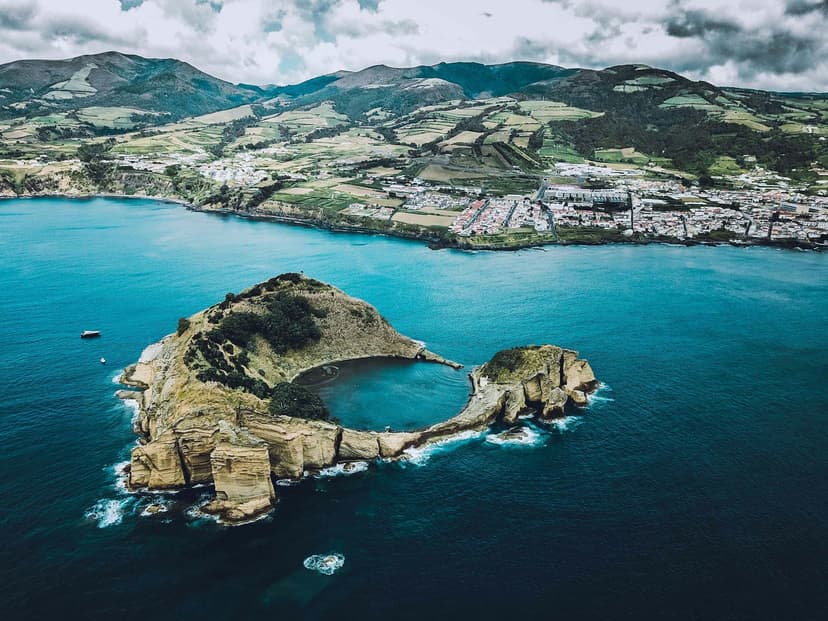
Diving the Azores: Blue Sharks, Mobulas and the North Atlantic's Largest Protected Network
In 2024 the Azores created the largest network of marine protected areas in the North Atlantic, about 287,000 km² of ocean that blue sharks, mobulas and sperm whales pass through. Here is why we think it is the most underrated diving in Europe, island by island and month by month.
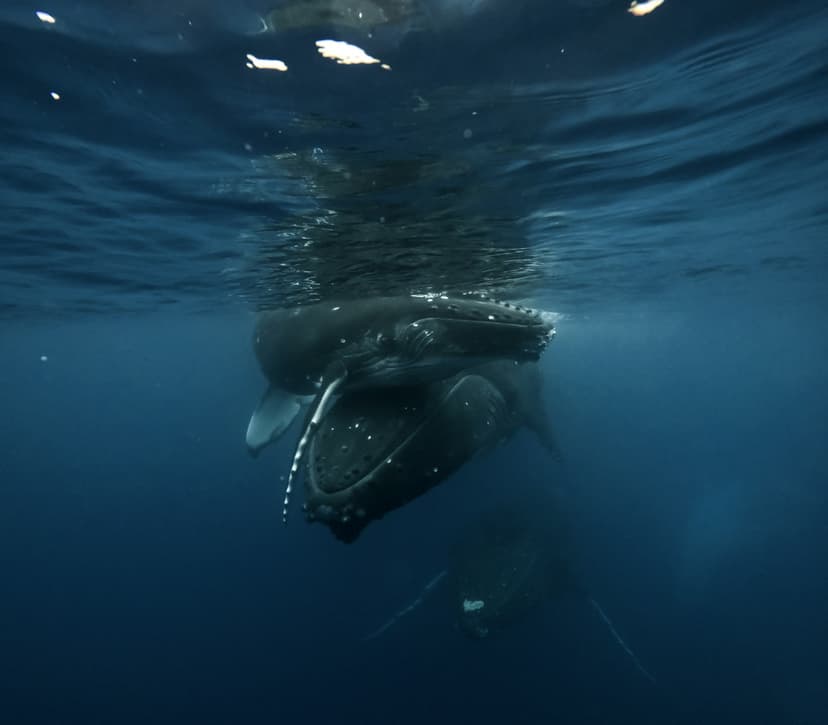
Cape Verde for Divers: Whales, Sharks, and the Atlantic Crossroads
Cape Verde sits where African, European and equatorial currents meet. The result: humpback whales in spring, juvenile lemon sharks in water you can wade into, nesting loggerheads in summer, and warm-water Atlantic diving most Europeans have never seriously considered.