Emergency Procedures on Remote Liveaboards
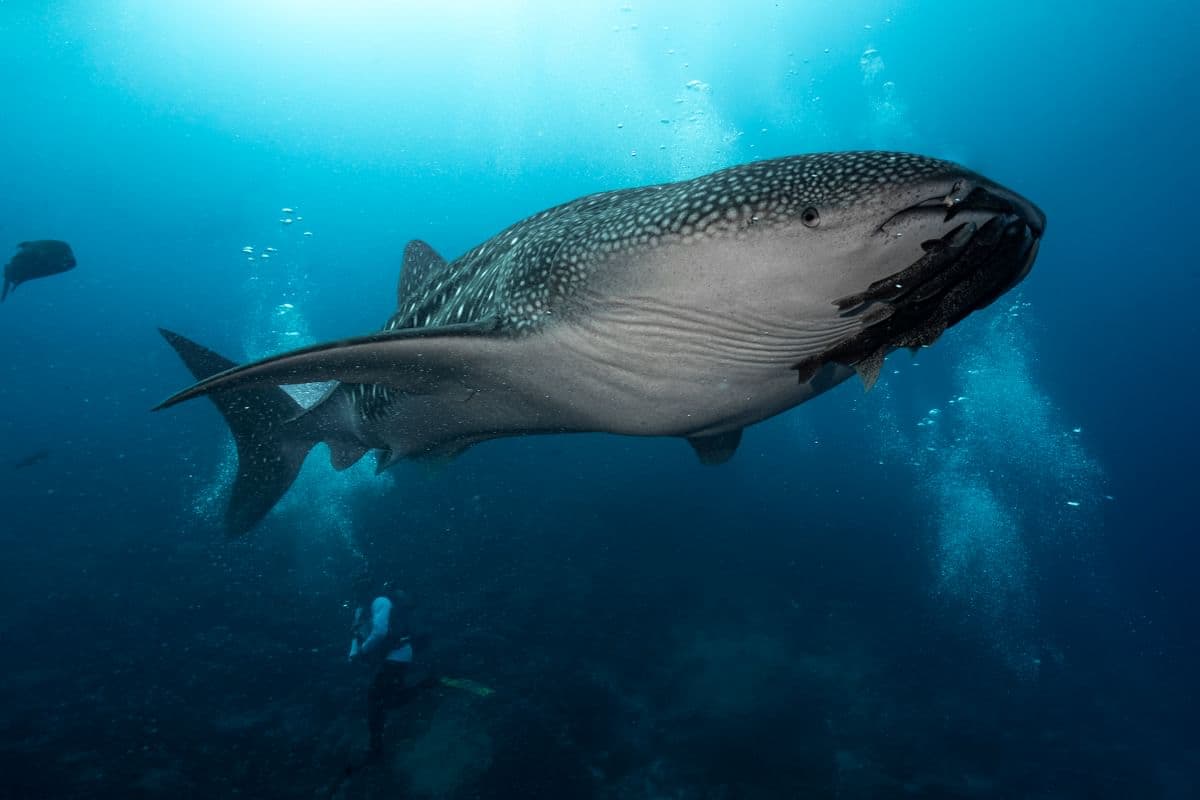
The best diving often happens in the most remote places. Cocos Island. Socorro. Outer Raja Ampat. These destinations deliver precisely because they're far from everything.
Including hospitals.
So what happens if something goes wrong? Here's how professional liveaboard operators prepare for the worst while helping you enjoy the best.
What Operators Prepare For
Medical Emergencies
Every serious liveaboard carries:
- Comprehensive first aid kit
- Emergency oxygen (this is critical for diving emergencies)
- AED (defibrillator)
- Basic medications
- Trained crew (at minimum, first aid; often Divemaster-level emergency training)
Some luxury boats have crew members with paramedic or nursing backgrounds.
Diving Emergencies Specifically
- DCS protocols: Emergency oxygen administration, monitoring, evacuation procedures
- Missing diver procedures: Search patterns, signal equipment, coordination with other vessels
- Injury response: From minor cuts to serious trauma
Communication
Remote doesn't mean disconnected. Modern liveaboards maintain:
- Satellite phone
- Emergency radio (VHF/SSB)
- Sometimes satellite internet
- DAN emergency numbers programmed and posted
The DCS Scenario
Let's walk through a realistic decompression sickness scenario:
- Recognition: Diver surfaces, reports tingling and joint pain
- Immediate response: Emergency oxygen, hydration, monitoring
- Assessment: Crew evaluates symptoms, contacts DAN emergency line
- Consultation: DAN physicians advise on treatment/evacuation
- Evacuation decision: If chamber treatment needed, evacuation begins
- Transit: Boat moves toward nearest port or coordinates pickup
- Handoff: Coast guard, helicopter, or local transport to chamber
The whole system is designed to get oxygen flowing fast and experts consulted immediately.
What You Can Do
Before the Trip
- Ensure your dive insurance includes evacuation coverage (we keep saying this for a reason)
- Fill out medical forms honestly
- Inform the boat of any conditions or medications
- Know where the emergency equipment is located
On Day One
- Attend the safety briefing (actually attend it)
- Note the location of: first aid kit, emergency oxygen, AED
- Know who to alert in an emergency
- Save DAN's emergency number in your phone
During Diving
- Dive within your limits
- Monitor yourself for symptoms after diving
- Report anything unusual to crew immediately
- Don't minimize symptoms out of embarrassment
If Something Happens
- Stay calm (panic helps no one)
- Alert crew immediately
- Follow their instructions
- Accept oxygen if offered (it's not an overreaction)
The Evacuation Reality
Evacuating from remote destinations is:
- Expensive ($10,000 - $100,000+)
- Logistically complex
- Time-consuming
From Cocos Island to Costa Rica: 36 hours by boat, or a very expensive helicopter coordination
From Raja Ampat to a chamber: potentially 24+ hours involving multiple transfers
From Socorro: long boat ride to Cabo, then transport to Guadalajara or elsewhere
This isn't to frighten you. Emergencies are rare. But it underscores why:
- Dive insurance is essential
- Conservative diving makes sense
- Operator choice matters
Choosing Safety-Conscious Operators
Not all boats are equal. When booking, consider:
- Crew training: What certifications do they hold?
- Emergency equipment: What do they carry? Is it maintained?
- Communication: What systems are on board?
- Evacuation plans: Do they have documented procedures?
- Reputation: What do reviews say about safety culture?
Good operators will happily answer these questions. Evasive answers are red flags.
The Peace of Mind Mindset
You don't need to be paranoid. Thousands of divers complete remote liveaboards every year without incident.
But being prepared — mentally, logistically, financially — lets you relax and enjoy the diving.
The ocean demands respect. Give it that respect, choose good operators, dive within your limits, and the remote destinations will reward you with experiences that make everything worth it.
Questions about safety on a specific trip you're considering? Our concierge can share what we know about operator standards and destination logistics.
- How to Spot a Quality Liveaboard Operator — Identifying safe and reputable operators
- DAN vs. Other Dive Insurance: Which Should You Choose? — Insurance for remote diving emergencies
- Essential Safety Guide for Liveaboard Diving — The complete safety guide for liveaboard diving
Related Articles
Essential Safety Guide for Liveaboard Diving
Everything you need to know about staying safe on liveaboard trips, from pre-dive checks to emergency procedures.
Dive Insurance Explained: What You Actually Need
Cutting through the confusion about dive insurance — coverage types, providers, and what to look for.