Deep Diving Considerations for Liveaboard Destinations
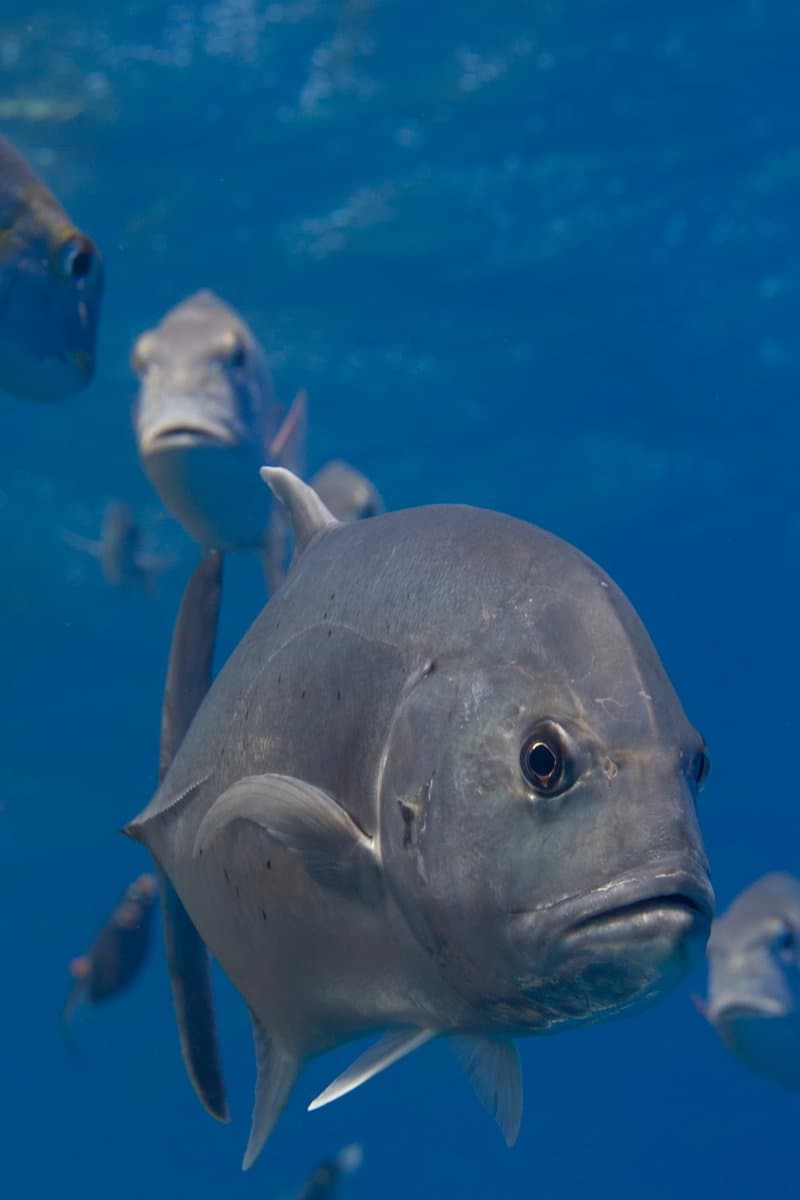
Some of the best liveaboard sites are deep. Hammerhead cleaning stations at 30m. Wrecks at 40m. That one shark seamount that starts at 35m.
Depth adds risk. But with proper preparation, it also adds access to experiences you can't get in the shallows.
What Counts as "Deep"?
In recreational diving terms:
- 18m/60ft: Where nitrogen effects start becoming noticeable
- 30m/100ft: Deep diving specialty threshold
- 40m/130ft: Recreational limit (varies by certification)
Many liveaboard sites regularly hit 25-35m. Some go deeper. Know your limits.
The Depth Risks
Nitrogen Narcosis
That drunk-at-depth feeling. Starts around 30m for most divers, intensifies from there.
Signs: Impaired judgment, tunnel vision, euphoria or anxiety, difficulty focusing
Management: Descend slowly, ascend if symptoms are significant, know your personal threshold
Decompression Sickness
Deeper dives = faster nitrogen absorption = shorter no-deco limits.
At 40m, your no-deco time might be under 10 minutes. Overstay and you're looking at mandatory stops — or worse, a chamber visit.
Air Consumption
You breathe more gas at depth. A lot more. That 50-bar return point needs adjustment.
Rule of thumb: Start your ascent with more reserve than you think you need.
Preparation for Deep Liveaboard Diving
Get Certified
If you plan to dive below 30m, get your Deep Diver specialty. It's not just card collection — the training covers real skills you'll use.
Dive Nitrox
Longer no-deco limits, less nitrogen absorption, more margin. At depth, nitrox earns its keep.
Important: Know your maximum operating depth (MOD) for your mix. Nitrox with too much O2 at depth = oxygen toxicity.
Use Your Computer
Don't guess at depth or time. Let your computer track nitrogen loading and no-deco limits. Trust it. Follow it.
Buddy Up Properly
Deep dives aren't the time for casual buddy relationships. Stick close, communicate regularly, watch each other for narcosis signs.
Liveaboard-Specific Depth Considerations
Multiple Deep Dives
Three or four dives a day, some of them deep, accumulates nitrogen fast. By day three, your tissues are loaded.
Smart approach:
- Deep dives early in the day
- Shallower dives later
- Longer surface intervals after depth
- Use nitrox if available
- Skip a dive if your computer says you're pushing limits
Remote Locations
Many liveaboard destinations are far from hyperbaric chambers. DCS at Cocos or Raja Ampat is a serious situation involving expensive evacuation.
This isn't to scare you — just to emphasize that conservative diving matters more when help is far away.
Listening to Guides
Good guides know the sites and the depths. If they say "the action is at 25m, don't need to go deeper" — trust them. They're not limiting you for fun.
Signs You're Not Ready
Be honest with yourself:
- Do you blow through air quickly even on moderate dives?
- Does your buoyancy suffer when you're task-loaded?
- Have you experienced significant narcosis before?
- Is your logbook mostly shallow tropical dives?
If yes to multiple questions, build more experience before chasing the deep stuff. The sites will still be there.
The Bottom Line
Deep diving from liveaboards opens up incredible experiences. But depth demands respect.
Train properly. Dive conservatively. Know your limits. And when in doubt, stay shallower.
The ocean rewards patience.
Planning a trip with deep diving opportunities? Our concierge can help you choose boats and itineraries that match your experience level.
- Nitrox on Liveaboards: Is It Worth the Certification? — Why nitrox matters for deep diving trips
- Technical Diving: Is It Right for You? — Going beyond recreational depth limits
- Essential Safety Guide for Liveaboard Diving — Safety fundamentals including depth management
Related Articles
Essential Safety Guide for Liveaboard Diving
Everything you need to know about staying safe on liveaboard trips, from pre-dive checks to emergency procedures.
Dive Insurance Explained: What You Actually Need
Cutting through the confusion about dive insurance — coverage types, providers, and what to look for.