Bikini Atoll liveaboard diving at a glance: best months Spring and Summer · advanced · known for wrecks, history, advanced.
Facts checked against live availability · September 2026
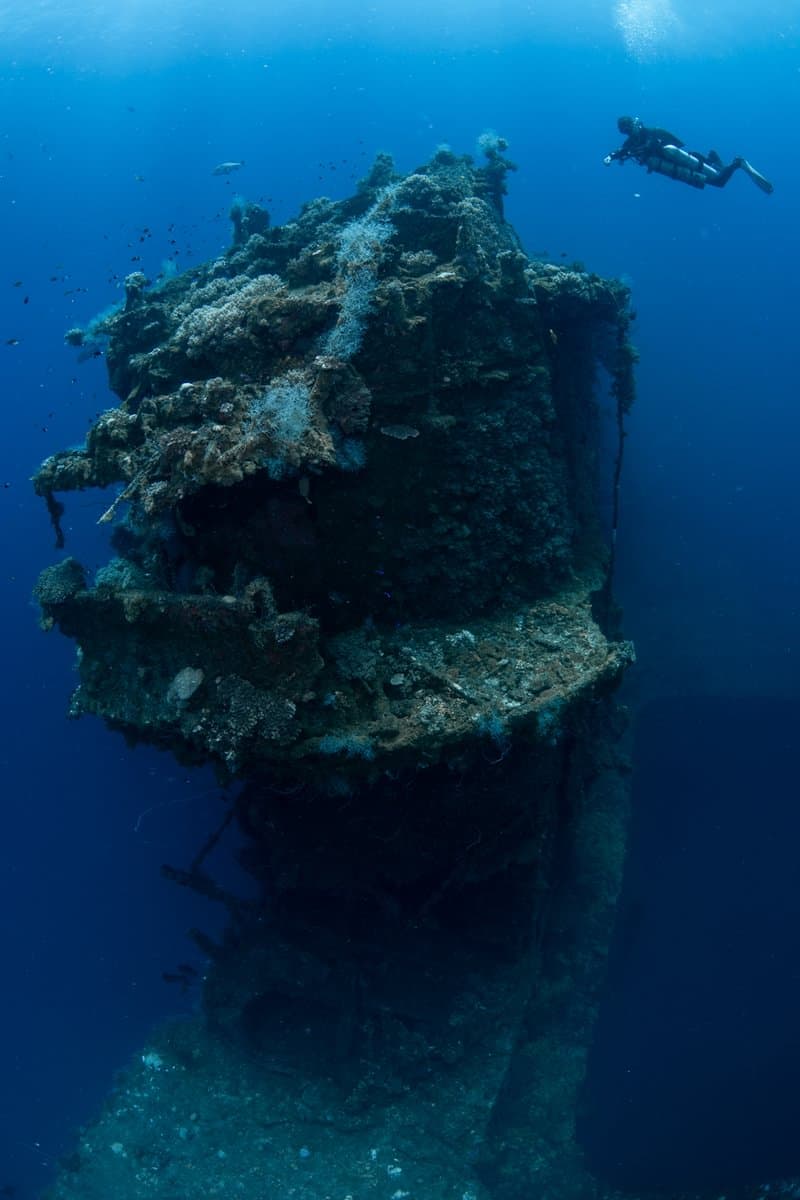
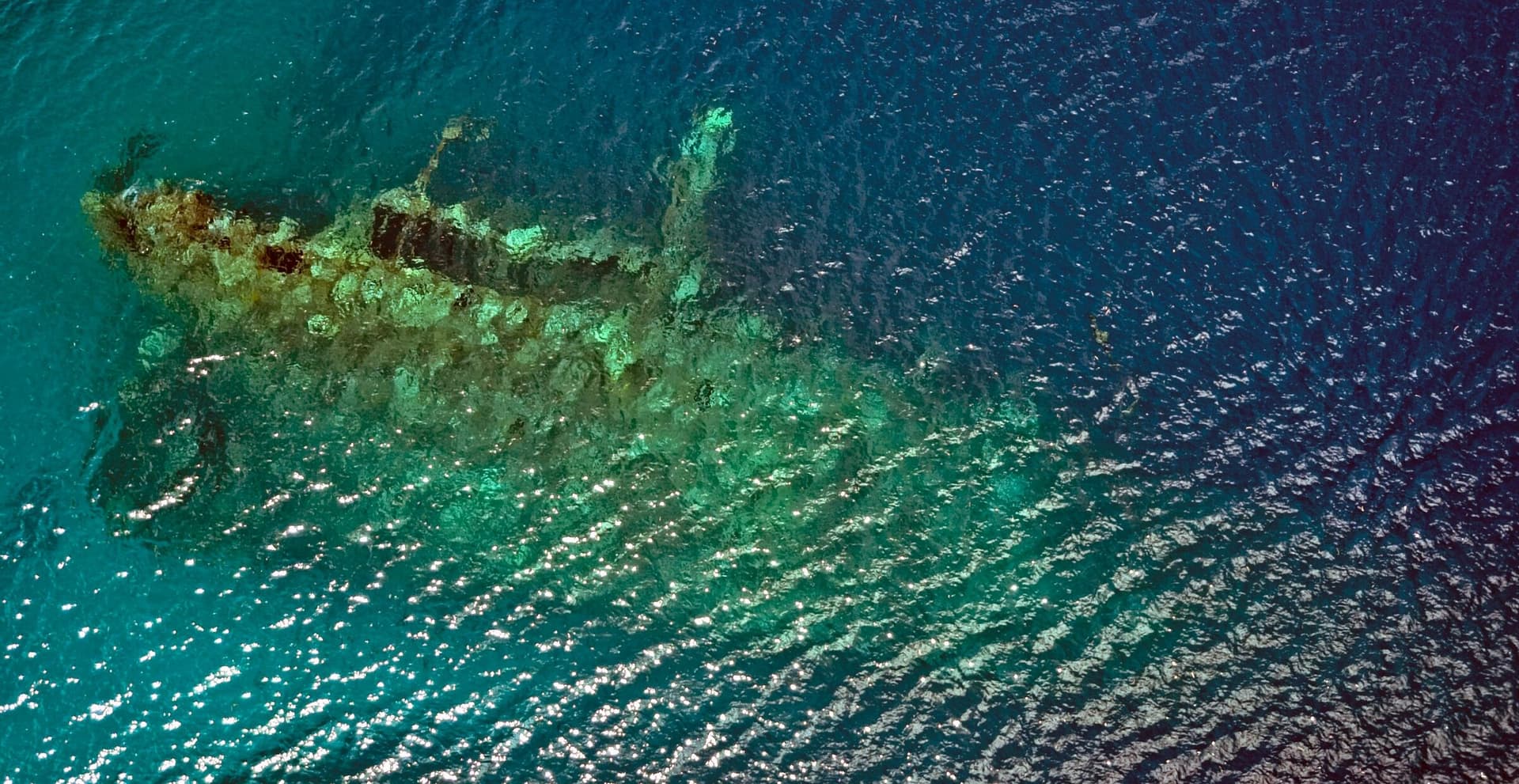
Bikini Atoll is a serious technical wreck destination, not a bucket-list box you tick on a whim. The fleet here was sunk during the 1946 nuclear tests, and most of it sits deep: the aircraft carrier USS Saratoga is the headline dive, but the Japanese battleship Nagato and the battleship USS Arkansas are equally extraordinary. Average depths sit around 50 metres, which is exactly why bikini atoll liveaboard diving is reserved for trained technical divers rather than recreational ones. Many trips also fit in the German cruiser Prinz Eugen, which lies capsized at nearby Kwajalein Atoll, as a shallower check-dive en route.
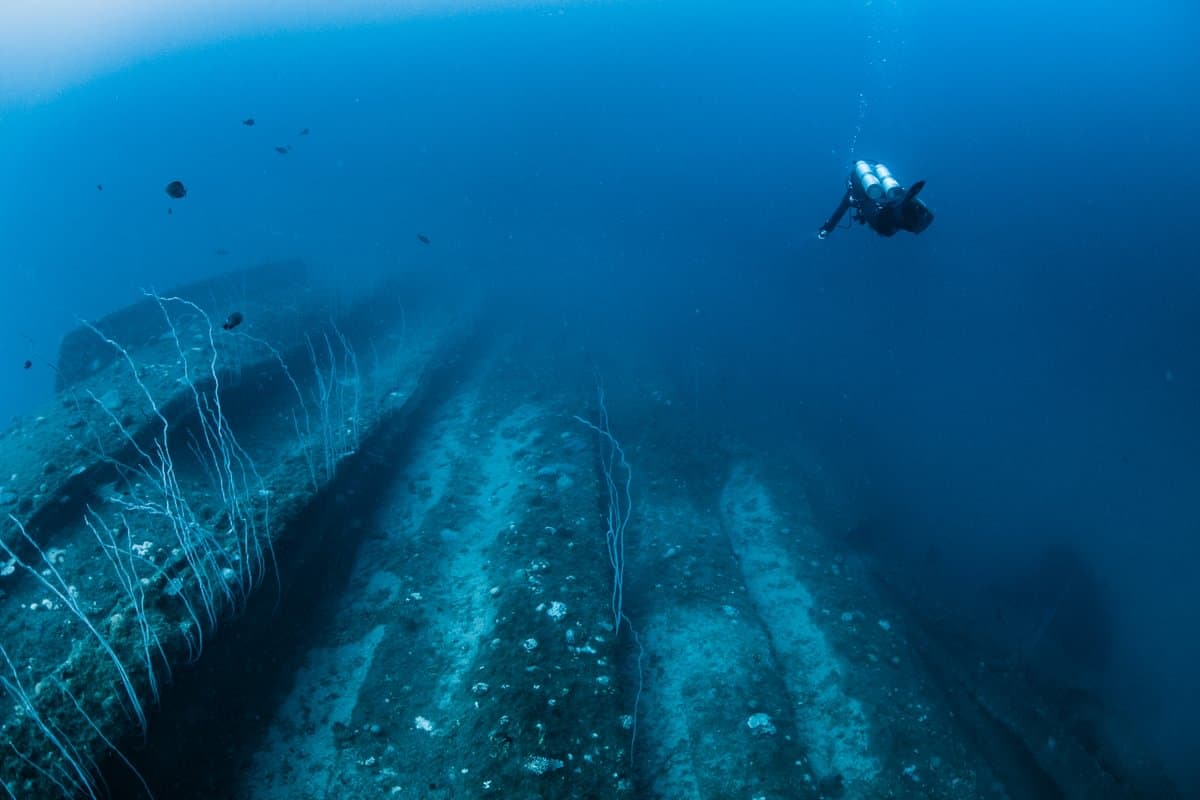
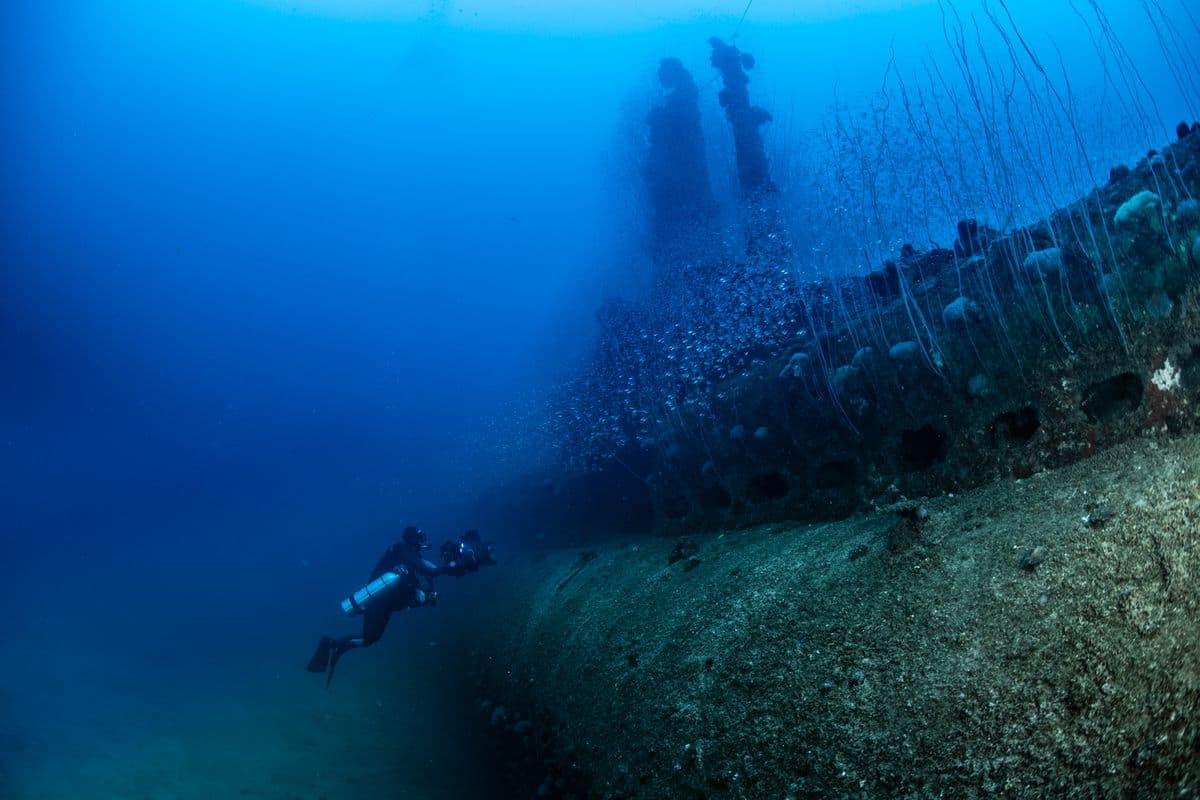
What surprises people is how benign the water is. It is warm, the visibility is excellent, and there is little current or surge, so the challenge is depth and decompression, not conditions. The wrecks are vast, intact, and slowly being reclaimed by coral and reef sharks.
This suits experienced wreck and trimix divers who want history they can swim through. If that is not yet you, we will say so honestly and point you somewhere better matched first.
Spring, Summer
wrecks, history, advanced
advanced
Best time to dive Bikini Atoll
The diving window runs late spring through summer, roughly May into September or October, when the lagoon is calmest and the long crossing from Majuro is most comfortable. There is no separate dry-versus-wet trade-off driving conditions the way there is in Southeast Asia; the limiting factor is sea state on the open-water transit and the operator's own seasonal schedule, which clusters trips in these months. Visibility and water temperature stay excellent across the season, so the practical choice is less about marine life and more about securing a berth, since departures are few and book out far ahead.
What you'll dive in Bikini Atoll
- USS Saratoga — one of the world's largest diveable aircraft carriers
- HIJMS Nagato — Yamamoto's Combined Fleet flagship, from which the order to attack Pearl Harbor was issued; now lies inverted
- USS Arkansas battleship, capsized by the test blasts
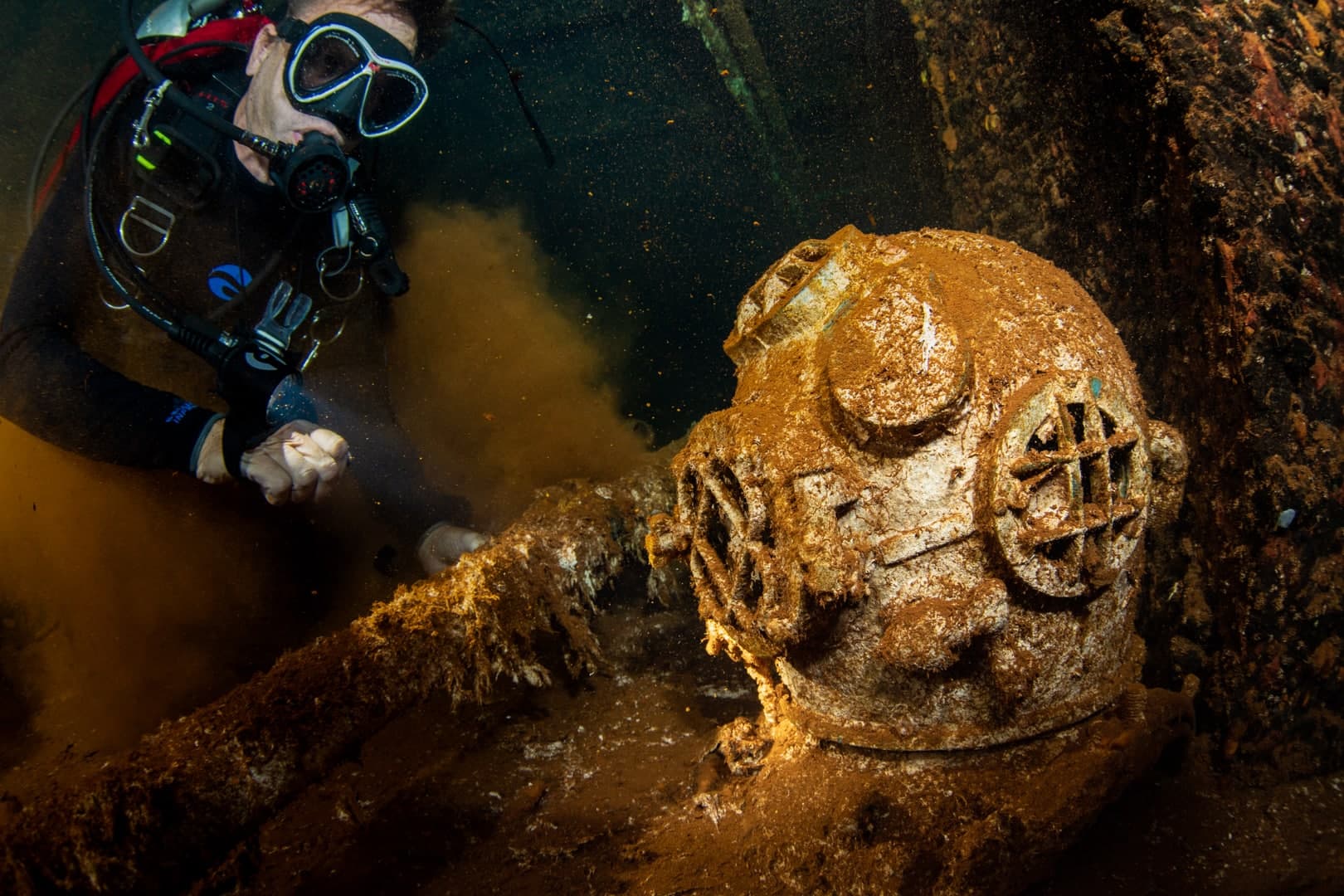
- Intact gun turrets, aircraft, and ordnance still in place
- Warm, clear, current-free water over deep technical profiles
- Prinz Eugen at neighbouring Kwajalein Atoll — a shallower wreck often dived as a check-dive on the trip
Read before you go
Bikini Atoll: Diving the Nuclear Ghost Fleet
A 270-metre aircraft carrier at 55m, a Japanese battleship from Pearl Harbor, and wrecks that were literally nuked. Bikini Atoll is not a normal dive trip.
Truk Lagoon vs Bikini Atoll: Choosing Your WWII Wreck Liveaboard
Truk Lagoon is a reachable, mostly-recreational wreck pilgrimage; Bikini Atoll is a deep, technical, decompression expedition to nuclear-sunk warships. Here's the honest certification, depth and cost reality.
Bikini Atoll Diving: The Full Cost of the World's Most Exclusive Wreck Trip
What Bikini Atoll diving really costs in 2026: liveaboard fares, Island Hopper flights via Kwajalein, tech gas and gear — a verified $13,500–18,000 all-in budget.
What It Takes to Dive Bikini Atoll: Certifications, Experience and Honest Prerequisites
Bikini Atoll is decompression diving at 45-55m, full stop. The certifications, logged-dive minimums, gear and a realistic training pathway from AOW — honestly.
Bikini Atoll diving — common questions
Do I need technical certification to dive Bikini Atoll?
Yes. Because the wrecks average around 50 metres, operators require a technical decompression certification at roughly the Tec 50 or equivalent trimix level, a substantial logbook (typically at least 50 logged dives, and more is better) and prior deep wreck experience. This is non-negotiable for safety and access. We help match conditions and current requirements to your actual experience, not just your certification card, and will tell you honestly if more training comes first.
When is the best time to dive Bikini Atoll?
Trips run in the warmer half of the year, broadly May through to September or October, when the lagoon is calm and the long crossing from Majuro is settled. Water temperature and visibility stay reliably good throughout, so the real constraint is the limited number of departures rather than seasonal marine life. We recommend booking well ahead and will help you lock in dates that fit your schedule.
What makes Bikini Atoll different from other wreck dives?
Scale and history. This is an intact nuclear-test fleet, including a full-size aircraft carrier and battleships sunk together in 1946, sitting in warm, clear, current-free water. Few places let you swim through ships of this significance. The remoteness and depth keep numbers low, so it stays genuinely uncrowded. We can talk you through the routes and how each season's trips are run.
How do I book a liveaboard trip to Bikini Atoll?
Start by reaching out through our concierge service with a short brief — your dates, experience, and what you want from the trip. We'll shortlist trusted boats, check availability, and come back to you personally.
Ready to dive Bikini Atoll?
Share a short brief and we'll shortlist trusted boats, check availability, and come back to you personally.