Technical Diving: Is It Right for You?
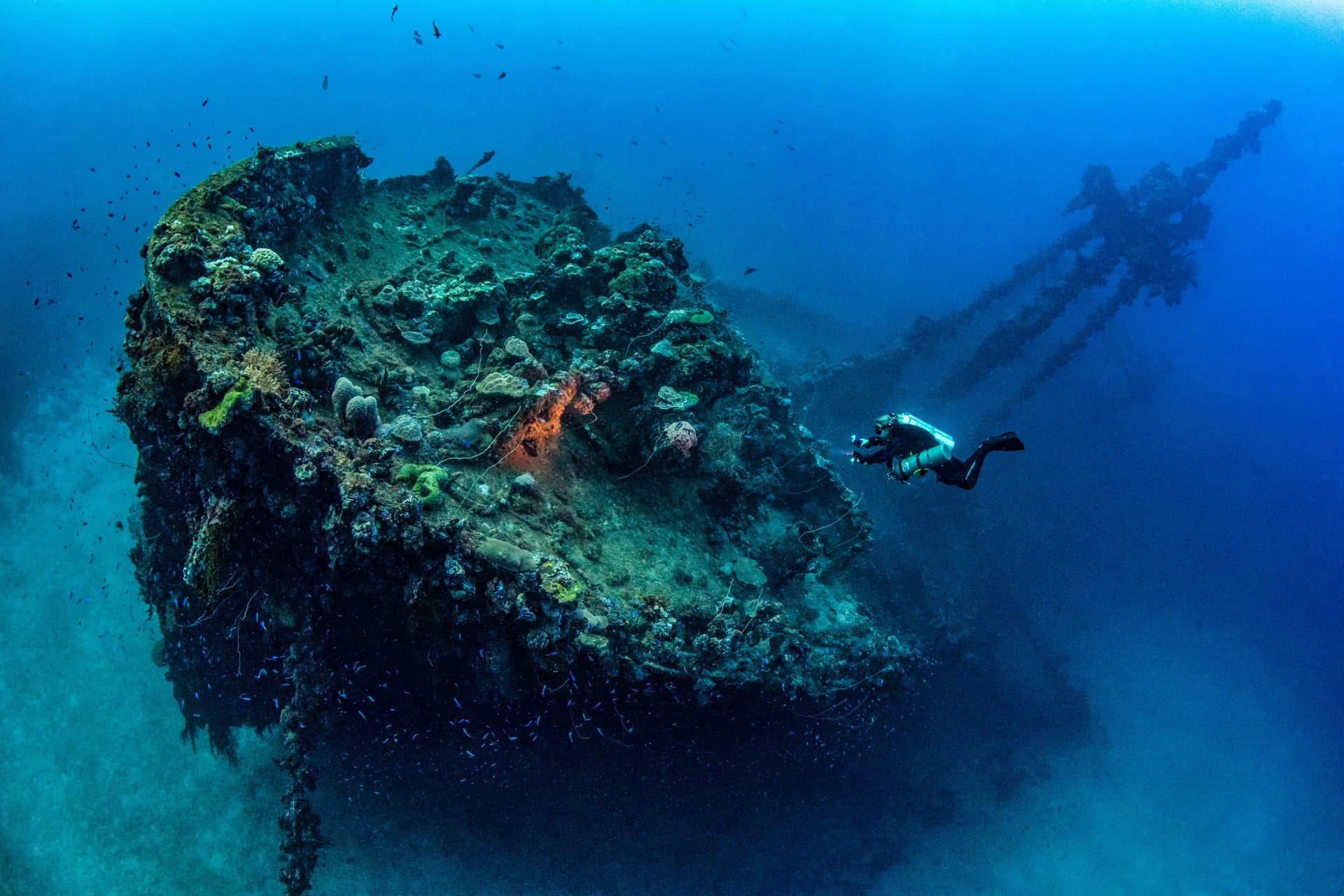
At some point, every serious diver looks down into the blue and wonders what's beyond 40 meters. The wrecks too deep for recreational limits. The caves that extend past the light zone. The extended bottom times that would require decompression stops.
Technical diving opens those doors. But it's not for everyone — and honestly, it shouldn't be.
What "Technical" Actually Means
Technical diving is any diving that involves:
- Planned decompression stops — you can't go straight to the surface
- Depths beyond 40m/130ft — past recreational limits
- Overhead environments — wrecks, caves, ice
- Gas switching — using different breathing mixtures during the dive
- Extended penetration — going where a direct ascent isn't possible
The key difference? In recreational diving, you can always go up. In technical diving, sometimes you can't — at least not immediately.
The Gear Transformation
Forget your single tank and BCD. Technical diving requires:
Redundancy
Everything critical has a backup:
- Twin tanks (or sidemount configuration)
- Dual regulators
- Multiple cutting devices
- Backup lights (cave diving requires at least three)
- Redundant buoyancy options
If your primary fails at 60 meters with 20 minutes of decompression ahead, you need a backup. Period.
Breathing Gases
Technical divers use different gas mixes for different depths:
- Air — to 40m, then narcosis becomes significant
- Nitrox — higher oxygen content for decompression efficiency
- Trimix — helium added to reduce narcosis at depth
- Pure oxygen — for shallow decompression stops
You'll learn gas planning, oxygen toxicity limits, and how to calculate your exposure. Math becomes relevant again.
The Backplate and Wing
Most tech divers ditch the recreational BCD for a backplate-and-wing system:
- Streamlined profile
- Better trim
- Modular configuration
- Steel plate for negative buoyancy with dry suits
Your gear configuration becomes precise. Everything has a specific place. Muscle memory matters.
The Training Pathway
Entry Level: Intro to Tech / Tec 40
Your first step beyond recreational limits:
- Depths to 40m with limited decompression
- Introduction to decompression theory
- Stage bottle handling
- Emergency procedures for missed stops
This is where you discover if technical diving is actually for you.
Intermediate: Tec 45-50 / Decompression Procedures
- Extended decompression diving
- Gas switches underwater
- Deeper depths (45-50m)
- More complex dive planning
You're building real competency now.
Advanced: Tec Trimix / Normoxic Trimix
- Depths to 60m+
- Helium-based breathing mixes
- Extended deco obligations
- Serious contingency planning
This is where the training intensifies significantly.
Specialized: Cave, Wreck Penetration, CCR
Beyond open water tech:
- Cave diving — arguably the most demanding training
- Wreck penetration — specific hazards and navigation
- Closed-circuit rebreathers — different skill set entirely
Each path requires dedicated training with qualified instructors.
The Reality Check
Time Commitment
Technical certification takes months, not days. You'll need:
- Extensive classroom theory
- Multiple confined water sessions
- Many open water training dives
- Significant practice before certification
- Ongoing skill maintenance
This isn't a vacation course. It's a serious pursuit.
Financial Investment
Prepare for substantial costs:
- Training (thousands, not hundreds)
- Equipment (a full tech setup easily exceeds $10,000)
- Gases (helium isn't cheap)
- Maintenance (regulators need annual service)
- Travel (you need the right dive sites)
Technical diving is not a budget hobby.
Physical Requirements
Tech diving demands fitness:
- Carrying heavy equipment
- Managing task loading under stress
- Staying calm during long decompression stops
- Swimming against current with multiple tanks
Health conditions that are manageable for recreational diving may disqualify you from tech.
Who Should Consider It
Technical diving makes sense if you:
- Have genuine curiosity about deep wrecks, caves, or extended exploration
- Already dive regularly and want to expand your capabilities
- Accept the risks and are willing to train properly to manage them
- Have the time and money to commit to proper training and equipment
- Enjoy the process — the planning, the precision, the discipline
Who Should Probably Skip It
Technical diving isn't for you if:
- You're chasing thrills — tech diving is methodical, not adrenaline-fueled
- You want quick results — proper training takes significant time
- Budget is tight — cutting corners in tech diving gets people killed
- You skip steps in recreational diving — tech requires discipline
- You're not diving regularly — skills need constant maintenance
There's no shame in being an excellent recreational diver. Most of the ocean's wonders are within recreational limits.
Starting Sensibly
If you're serious about technical diving:
- Get excellent recreational skills first — trim, buoyancy, air consumption
- Dive with technical divers — learn from their approach and mindset
- Research training agencies — GUE, IANTD, TDI, PADI TecRec all have different philosophies
- Choose instructors carefully — experience and teaching ability both matter
- Start with Intro to Tech — see if you actually enjoy it before major investment
A Note on Ego
Technical diving attracts ego. Don't let yours make decisions.
The technical community has lost divers who pushed beyond their training, skipped steps, or prioritized impressive-sounding depths over proper preparation.
The best tech divers are methodical, humble, and happy to call a dive when conditions or circumstances warrant it. They've survived because they respect the environment.
Curious about technical diving or want recommendations for quality instruction? We can point you toward reputable training options.
- Rescue Diver Certification: Why It Changes Everything — The foundation before going technical
- Deep Diving Considerations for Liveaboard Destinations — Understanding depth at popular liveaboard sites
- Nitrox on Liveaboards: Is It Worth the Certification? — The first step toward technical gas management
- Truk Lagoon Wreck Diving: Complete Guide — A destination where tech diving opens new possibilities
Related Articles
%20-%20Large.jpg&w=828&q=75)
Best Time to Dive: A Season-by-Season Guide
When to visit the world's top liveaboard destinations for the best conditions and marine life encounters.
Galápagos Diving: What to Expect on Your First Trip
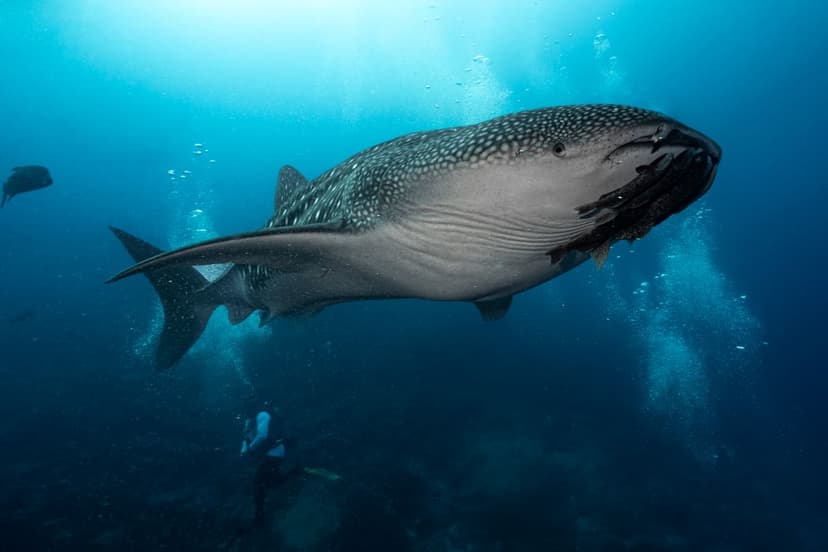
Hammerhead highways, curious sea lions, and currents that demand respect — here's what awaits in the enchanted islands.