Truk Lagoon Wreck Diving: Complete Guide to the Ghost Fleet
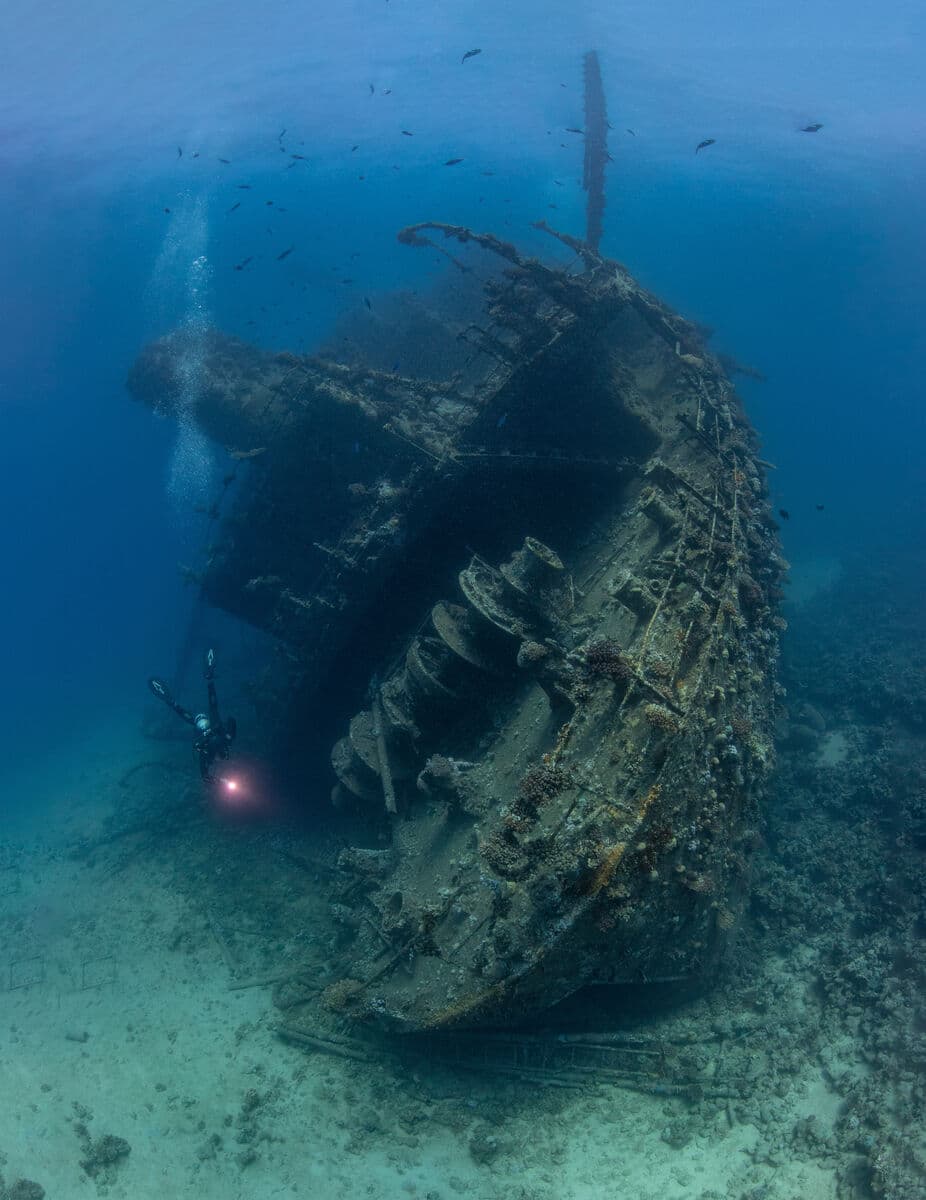
There are wreck dives, and then there is Truk Lagoon. Nowhere else on earth will you find over 60 shipwrecks from a single naval battle, all sitting in warm, clear water inside a protected lagoon. It is, without exaggeration, the holy grail of wreck diving.
If you have ever dreamed of gliding through the holds of a WWII freighter, past tanks still chained to the deck, past sake bottles lined up in the galley, past coral-encrusted anti-aircraft guns pointing at a sky they will never see again — this is your destination. Let us walk you through everything you need to know.
A Brief History: Operation Hailstone
In February 1944, the United States launched a devastating air and naval attack on the Japanese stronghold of Truk (now Chuuk), in the Federated States of Micronesia. Over two days, American forces sank more than 60 ships and destroyed nearly 300 aircraft. The Japanese Imperial Navy's major Pacific anchorage was effectively neutralised.
What remained was a graveyard. Merchant vessels, warships, submarines, and aircraft settled onto the lagoon floor at depths ranging from 10 to 70 metres. For decades they sat undiscovered by recreational divers until Jacques Cousteau's 1969 expedition brought Truk Lagoon to the world's attention.
Today, these wrecks are war graves, living reefs, and underwater museums all at once.
What to Expect: The Diving
The Wrecks
The sheer variety is staggering:
- Fujikawa Maru — The poster child of Truk. A 133-metre armed cargo vessel sitting upright at 34 metres, with fighter plane fuselages still in the forward hold and the engine room fully accessible. Hard corals blanket every surface.
- Shinkoku Maru — An oil tanker considered one of the most beautiful wrecks in the world. The operating theatre is intact, complete with medicine bottles. Soft corals explode from every railing.
- San Francisco Maru — The "Million Dollar Wreck." Three tanks sit on the deck, alongside mines, bombs, and ammunition. Deeper at 50-plus metres, this one is for experienced divers.
- Fumitsuki — A destroyer resting on its side at just 12 metres, perfect for newer wreck divers and snorkellers.
- Betty Bomber — A Mitsubishi G4M bomber sitting upright on the sand at 15 metres, remarkably intact.
Most liveaboard itineraries cover 12 to 20 wrecks over a week, mixing deeper advanced dives with shallower, more accessible ones.
Conditions
- Visibility: Typically 15 to 30 metres, though it can drop inside wrecks
- Temperature: 27 to 30 degrees Celsius year-round — a 3mm wetsuit is fine for most divers
- Currents: Generally mild inside the lagoon, which is a major plus
- Depth range: 10 to 60-plus metres, though most popular wrecks sit between 15 and 40 metres
Best Routes and Itineraries
Most Truk Lagoon liveaboards run 7-night itineraries covering the main wreck sites. A typical trip includes:
- Day 1-2: Shallower orientation wrecks (Fumitsuki, Sankisan Maru) to get your buoyancy dialled in
- Day 3-4: The marquee wrecks (Fujikawa Maru, Shinkoku Maru, Heian Maru)
- Day 5-6: Deeper and more advanced sites (San Francisco Maru, Aikoku Maru)
- Day 7: Final dives on favourite wrecks or lesser-visited sites
Some operators offer extended 10-night trips that include more remote wrecks and allow for repeat dives on the best sites. If you have the time, the extended itinerary is worth every extra day.
Night Diving the Wrecks
Night dives on Truk wrecks are genuinely otherworldly. Flashlight beams sweeping across coral-covered decks, sleeping turtles tucked into gun turrets, hunting lionfish patrolling the railings. Most boats offer two or three night dives per trip — do not skip them.
Experience Level: What You Need
Let us be straightforward:
- Minimum: Advanced Open Water certification with solid buoyancy control and at least 50 logged dives
- Recommended: Wreck diving specialty and 100-plus dives, especially if you want to do penetration dives
- For the deep wrecks (San Francisco Maru, Aikoku Maru): Technical diving qualifications or deep diving specialty with appropriate gas management experience
Good buoyancy is not optional here. These wrecks are historical artefacts and war graves. Silting out a compartment by dragging your fins along the floor is not just dangerous — it is disrespectful to the site and everyone else diving it.
If you are honest with yourself that your buoyancy needs work, spend a few pool sessions or sheltered water dives practising before you go. Your dive guides and fellow passengers will appreciate it.
Best Season to Visit
Truk Lagoon is diveable year-round, but the best conditions fall between:
- December to April: Driest months, calmest seas, best visibility
- May to November: Wetter, slightly choppier, but still very diveable and less crowded
Water temperature barely changes, so seasonality is mainly about surface comfort and visibility. Typhoons are rare inside the lagoon but can affect travel plans, so check forecasts if travelling during the wet season.
What Makes Truk Special
We get asked this constantly: "I've dived wrecks before. Why should I go all the way to Truk?"
Because nothing else compares. Not in volume, not in preservation, not in historical weight.
- Density: More than 60 wrecks in a single lagoon. You could dive here for a month and not see everything.
- Preservation: Warm, calm water and minimal salvage means these wrecks are extraordinarily intact compared to cold-water wrecks.
- Marine life: The wrecks are artificial reefs now. Hard and soft corals, reef sharks, turtles, eagle rays, barracuda schools — the biology is as compelling as the history.
- Emotion: These are war graves. Swimming through a cargo hold where supplies were stacked for a battle that never came is a profoundly moving experience. Treat them with the reverence they deserve.
Practical Tips
- Photography: Bring wide-angle for exteriors and a good torch for interiors. A small secondary light is essential for penetrations.
- Nitrox: Highly recommended given the number of dives and the depths. Most boats offer it, often at an extra charge.
- Surface interval activities: Truk is not exactly a resort island. The liveaboard is your base, your hotel, and your entertainment. Choose a boat you will enjoy living on.
- Getting there: Fly into Chuuk International Airport (TKK), typically via Guam or Honolulu. Connections can be infrequent, so build in buffer days.
Planning Your Trip
Truk Lagoon is a bucket-list destination that requires some planning — flights are limited, boats fill up well in advance, and you want to be on the right vessel for your experience level.
If you are considering a Truk trip, we can help you match the right liveaboard to your diving background and walk you through the logistics. Get in touch and let us help you plan the wreck diving trip of a lifetime.
Have questions about Truk Lagoon or wreck diving in general? Drop us a line — we love talking about this stuff.
- Bikini Atoll: Diving the Nuclear Ghost Fleet — Another legendary Pacific wreck diving destination
- Red Sea Egypt: Wrecks, Reefs, and the Best Routes — World-class wreck diving closer to Europe
- Technical Diving: Is It Right for You? — Going deeper into Truk's wrecks with tech training
Related Articles
%20-%20Large.jpg&w=828&q=75)
Best Time to Dive: A Season-by-Season Guide
When to visit the world's top liveaboard destinations for the best conditions and marine life encounters.
Galápagos Diving: What to Expect on Your First Trip
Hammerhead highways, curious sea lions, and currents that demand respect — here's what awaits in the enchanted islands.