Truk Lagoon liveaboard diving at a glance: trips from €2,225 per person · best months Year-round · intermediate · known for wrecks, history. 25 listed departures.
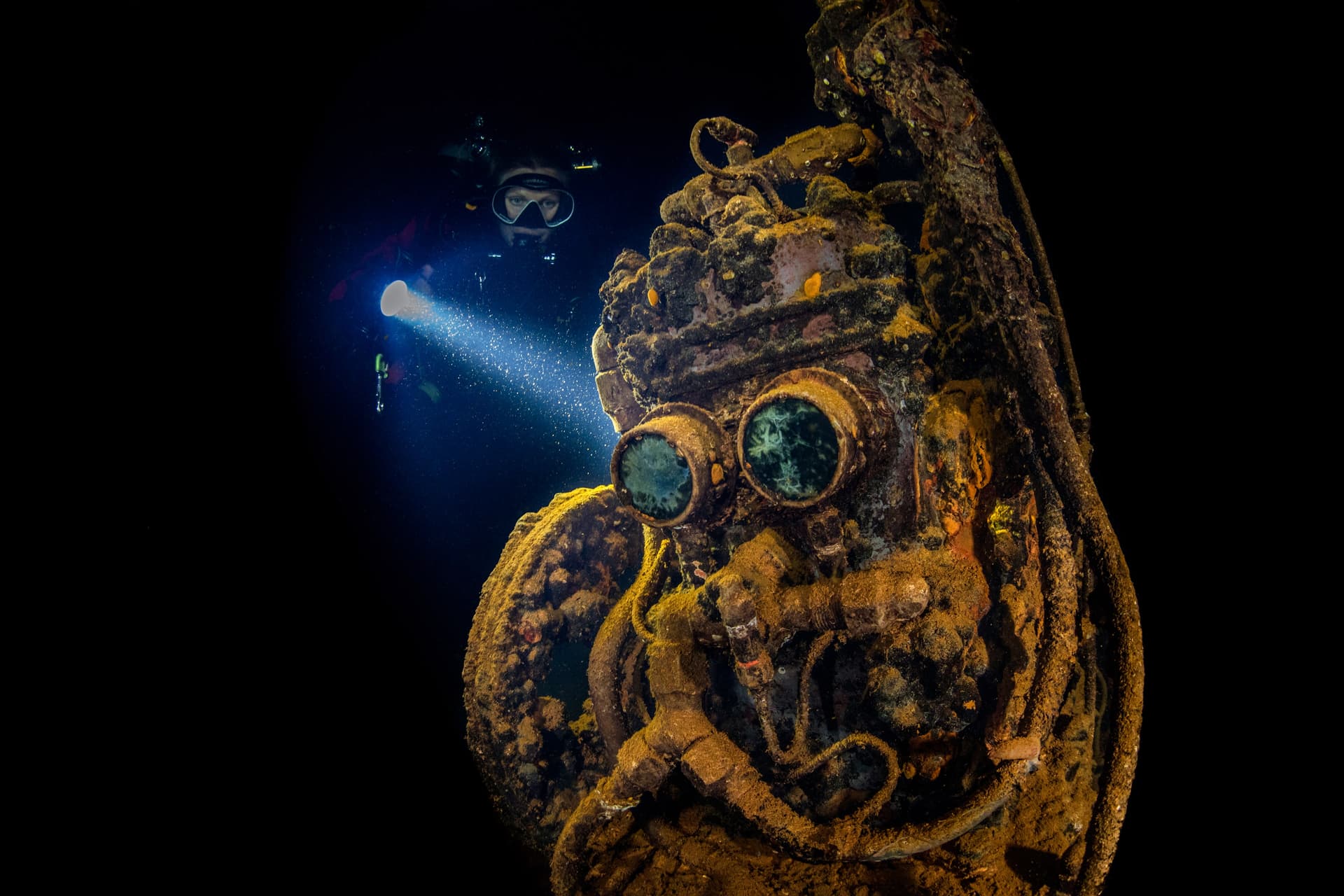
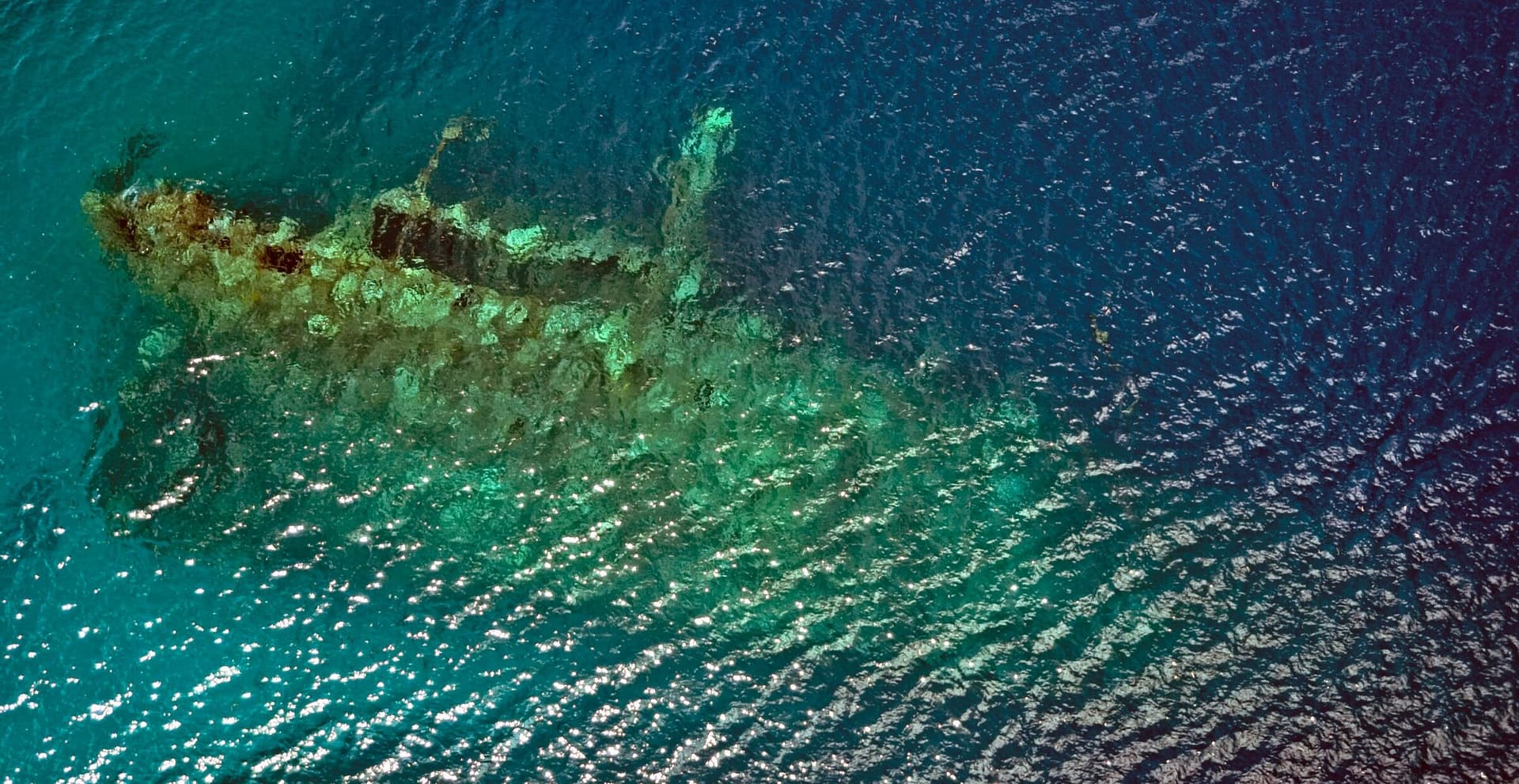
Truk Lagoon, officially Chuuk Lagoon in the Federated States of Micronesia, holds the largest collection of diveable WWII wrecks in the world. In February 1944, Operation Hailstone, a two-day American air raid, sank dozens of Japanese ships and destroyed hundreds of aircraft at what was then Japan's main forward base in the central Pacific. Around 50 wrecks are dived today, many with their cargo still in the holds: aircraft parts, trucks, tanks, munitions, sake bottles and machinery.
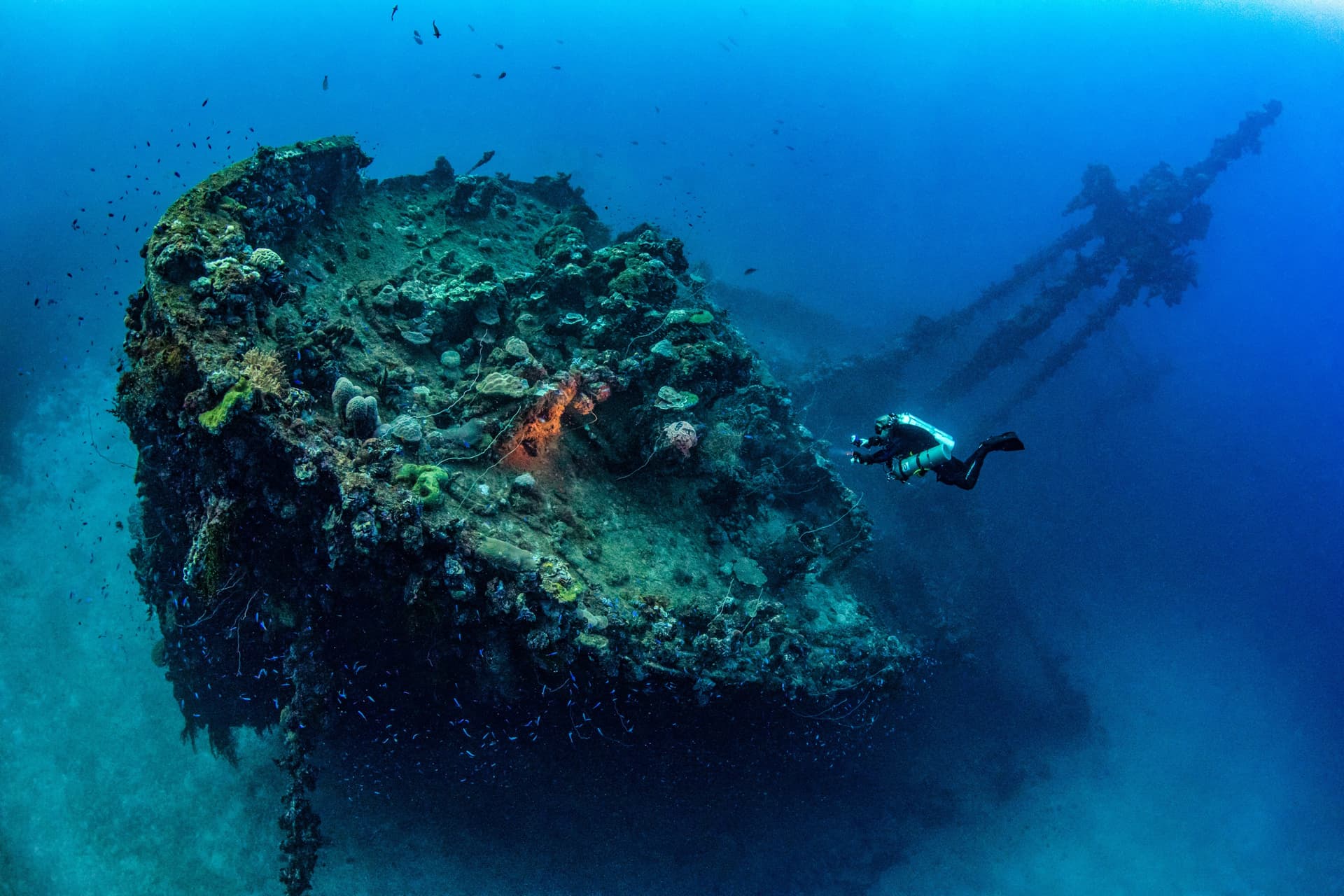
A liveaboard is the efficient way to dive Truk. The boat moors over the wrecks, so you fit up to four dives a day, including night dives, without long boat rides. The famous names sit at a wide range of depths: the Fujikawa Maru and Shinkoku Maru can be dived well within recreational limits, while the San Francisco Maru, with tanks on its deck at around 45–50 metres, suits technical divers.
Water is warm all year, around 28–30°C, and the lagoon is sheltered, so conditions are rarely the problem. Depth, gas planning and penetration discipline are. Nitrox makes a real difference, and wreck experience helps you get the most from the holds.
Year-round
wrecks, history
intermediate
Truk Lagoon liveaboard prices by route
From our live calendar: per person sharing, the lowest cabin, in euros, before park fees, nitrox and tips. Other currencies are shown as a guide at today's rate; you always pay in euros.
| Route | Nights | From | Per night | Sails |
|---|---|---|---|---|
| Truk Lagoon Wrecks | 8–10 | €2,225 | €247 | Feb, Mar, Apr, Sep, Oct, Nov, Dec (25 dates) |
See every Truk Lagoon date and hold a place free for 72 hours →
Truk Lagoon liveaboards: the boats we sell
One boat has open Truk Lagoon dates with us. Facts are from the operators; prices are the lowest confirmed cabin on our live calendar, per person sharing, in euros.
Pacific Master
Steel motor vessel · 30 m · built 2004
Up to 20 guests · 6 en-suite upper-deck cabins; 6 lower-deck (4 singles) share bathrooms; all air-con
Wreck divers with Advanced Open Water and 50 dives in Truk, and decompression-trained divers with 100 dives at Bikini.
- You need
- Advanced Open Water, 50 logged dives. Bikini: TDI Advanced Nitrox + Decompression Procedures or equivalent (45 m) and 100 logged dives. Truk: nitrox recommended.
- Nitrox
- extra (US$180-270 per Truk trip)
- Included
- full board, soft drinks, air fills, airport transfers
- Extra
- park and port fees: Truk US$215-275, Bikini US$550-650, fuel surcharge (varies with the fuel price), Chuuk departure tax US$30, Marshall Islands departure tax US$20, rental gear (Truk trips only), Wi-Fi US$90, crew tips
- Sails from
- Weno (Chuuk), Kwajalein
From €2,225 · 25 dates
See Truk Lagoon dates →Truk Lagoon liveaboard season, month by month
Best time to dive Truk Lagoon
Truk dives year-round: the water stays around 28–30°C and the lagoon is protected from open-ocean swell. The drier months from about December to April usually bring the calmest surface conditions, while the summer can be wetter, with more chance of reduced visibility after rain. For most divers the choice of week matters less than the choice of boat and how deep you plan to go.
What you'll see in Truk Lagoon — and when
Want to plan around a specific animal? Try the Marine Life Finder.
What you'll dive in Truk Lagoon
- Around 50 WWII wrecks sunk in Operation Hailstone, February 1944
- Fujikawa Maru: Zero fighter parts in the holds, within recreational depth
- Shinkoku Maru: an oil tanker covered in coral and soft growth
- San Francisco Maru: tanks on deck, a deep dive for technical divers
- Holds still full of trucks, munitions, bottles and machinery
- Warm, sheltered water all year
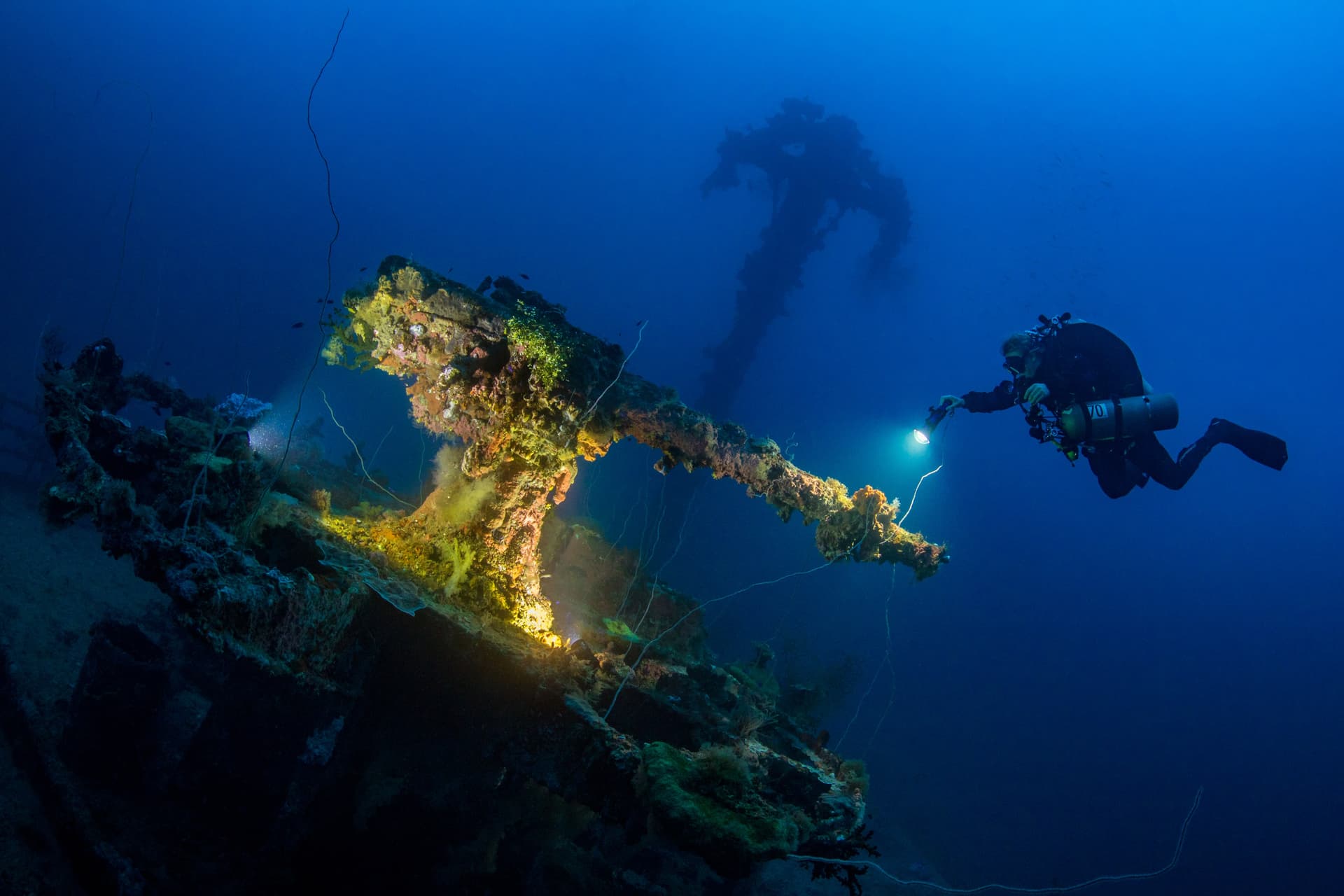
The marquee sites you'll dive
Read before you go
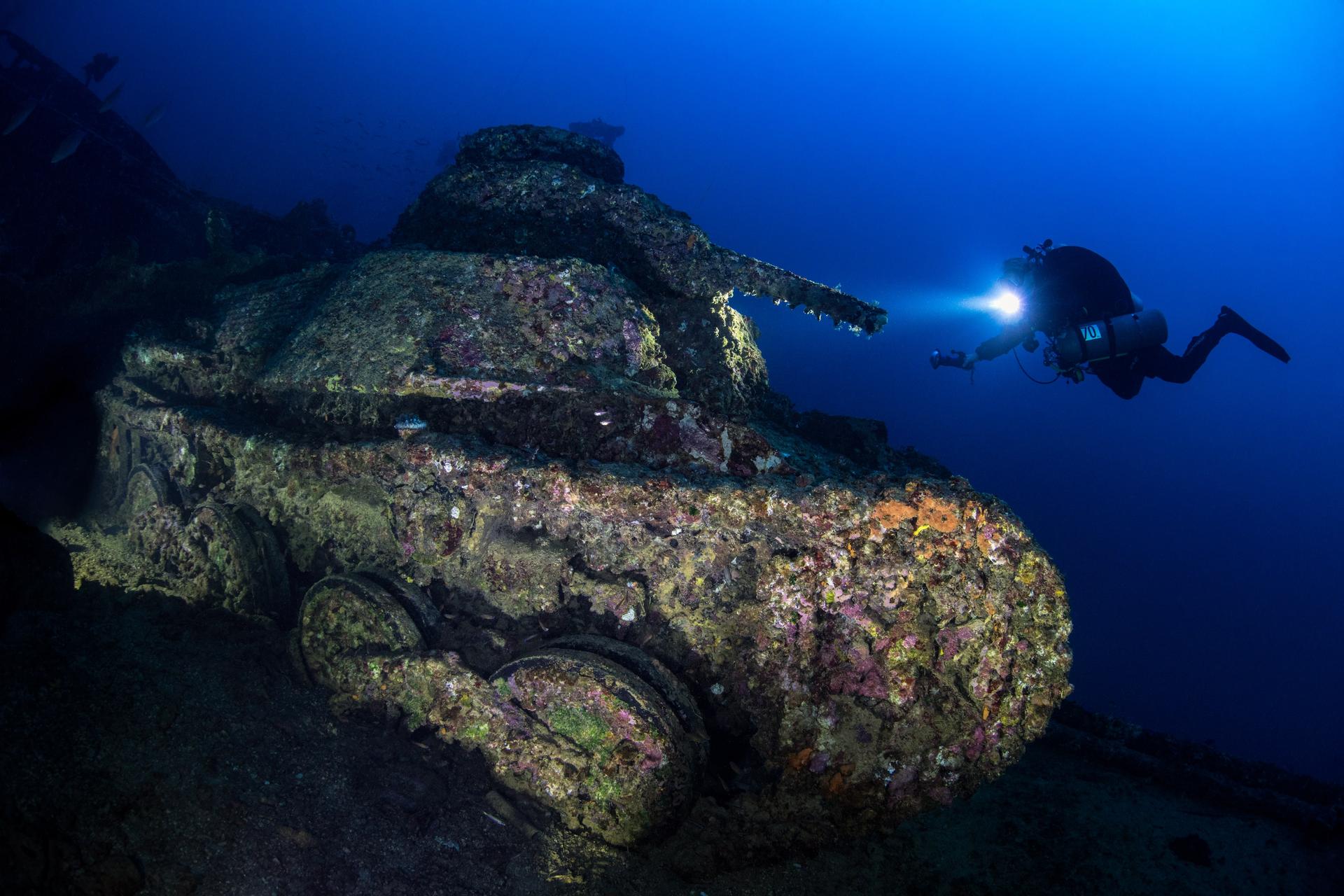
Truk Lagoon Wreck Diving: Complete Guide to the Ghost Fleet
Explore the world's greatest wreck diving destination — dozens of WWII Japanese ships resting in a tropical lagoon. Here's everything you need to plan your Truk Lagoon liveaboard trip.
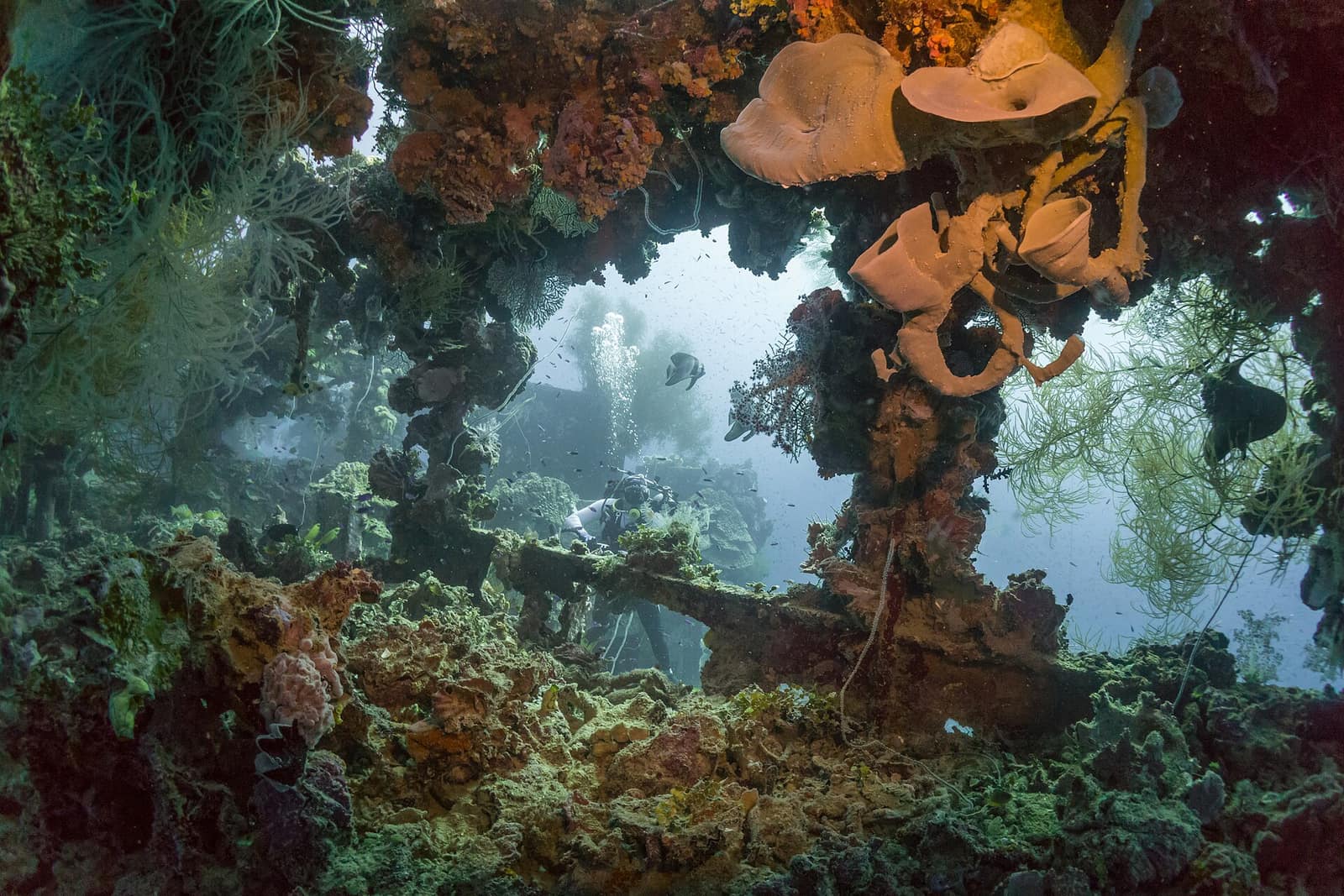
When to Dive Truk Lagoon: Seasons, Visibility and Booking Windows
Truk Lagoon is diveable all year, but Dec–Apr brings the calmest, clearest water. Real seasonal trade-offs, wreck depths and why booking windows matter here.
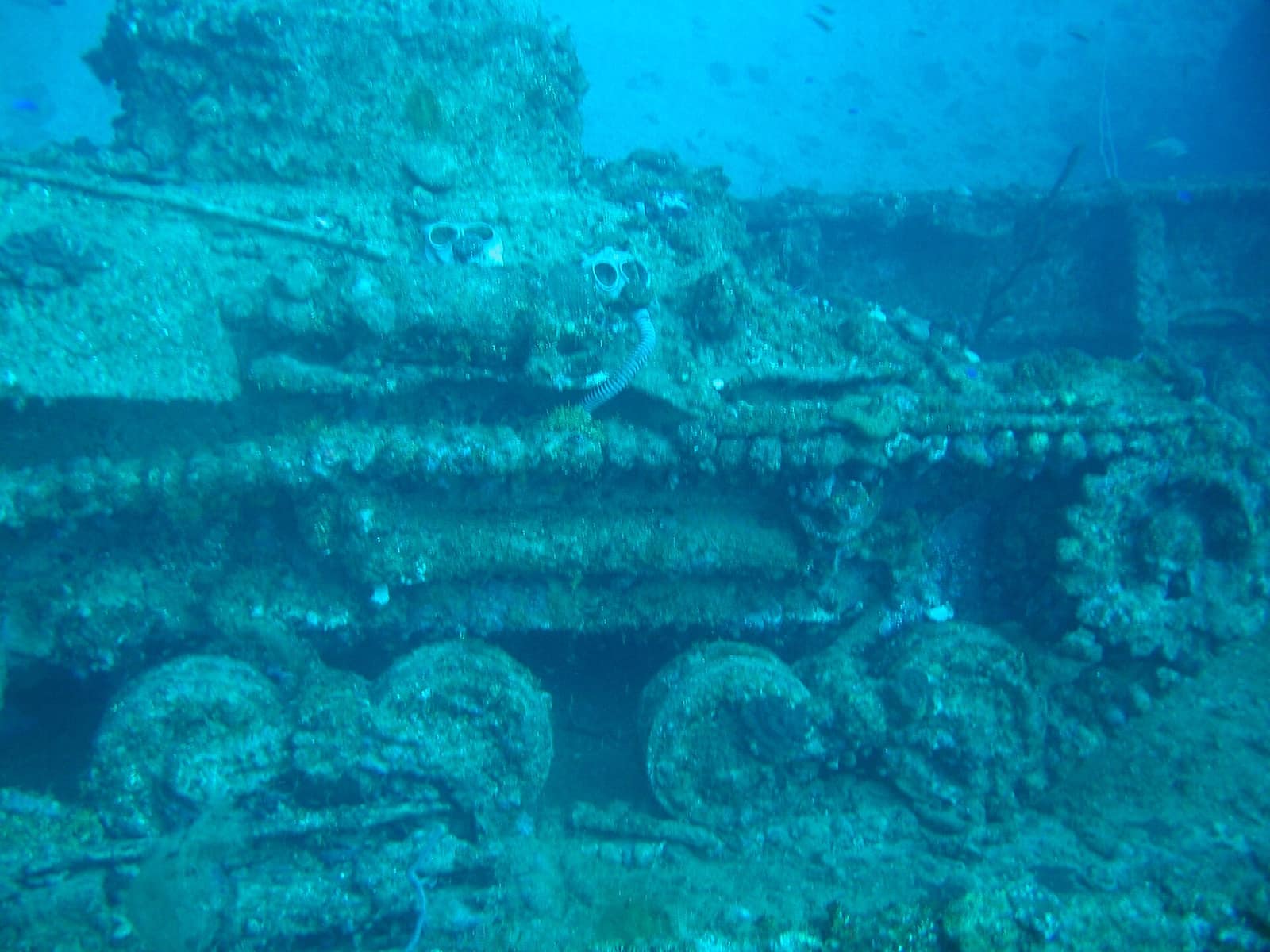
What Truk Lagoon Costs: Budgeting the World's Greatest Wreck Diving
Real Truk Lagoon budget: liveaboard fares, €1,350–2,250 flights, US$574–685 fees and fuel surcharge, nitrox and tips — expect €5–8.7k all-in.
Truk Lagoon vs Bikini Atoll: Choosing Your WWII Wreck Liveaboard
Truk Lagoon is a reachable, mostly-recreational wreck pilgrimage; Bikini Atoll is a deep, technical, decompression expedition to nuclear-sunk warships. Here's the honest certification, depth and cost reality.
Truk Lagoon diving — common questions
How do you get to Truk Lagoon?
Chuuk International Airport on Weno is served by United's island-hopper route through Guam, which also connects to Honolulu. Liveaboards board in the lagoon off Weno, so the transfer from the airport is short. Flights are limited, so book them before anything else.
Do I need technical training to dive Truk Lagoon?
No. Many of the best-known wrecks, including the Fujikawa Maru and Shinkoku Maru, can be dived within recreational limits, and nitrox helps you make the most of them. The deepest wrecks, such as the San Francisco Maru, need technical training. Some boats run separate technical programmes alongside recreational diving.
Is Truk Lagoon good for divers who aren't wreck specialists?
Yes, as long as you enjoy history and structure. The wrecks are heavily encrusted with coral and fish life, so even the outside of a ship is worth the dive, and guides can show you holds without deep penetration. If reefs and big animals matter more to you, we'll suggest a destination that fits better.
How much does a Truk Lagoon liveaboard cost?
Our listed Truk Lagoon liveaboards currently run from €2,225 to €4,231 per person sharing, for 9–10 nights (about €247 a night at the lower end). Park fees, nitrox, equipment rental, crew tips and flights are usually extra. Live prices and dates are on our Truk Lagoon calendar.
How long is a Truk Lagoon liveaboard?
The trips we list run 8 to 10 nights. Longer itineraries reach more remote sites and give you more dives for the travel time.
When do Truk Lagoon liveaboards run?
We currently list Truk Lagoon departures in Feb, Mar, Apr, Sep, Oct, Nov, Dec. Availability changes week to week; the calendar shows every listed date with space.
How do I book a liveaboard trip to Truk Lagoon?
Start by reaching out through our concierge service with a short brief — your dates, experience, and what you want from the trip. We'll shortlist trusted boats, check availability, and come back to you personally.
Bookable Truk Lagoon dates
Ready to dive Truk Lagoon?
Trips from €2,225 per person
Share a short brief and we'll shortlist trusted boats, check availability, and come back to you personally.