Wetsuit vs Drysuit for Liveaboards: Temperature Guide by Destination
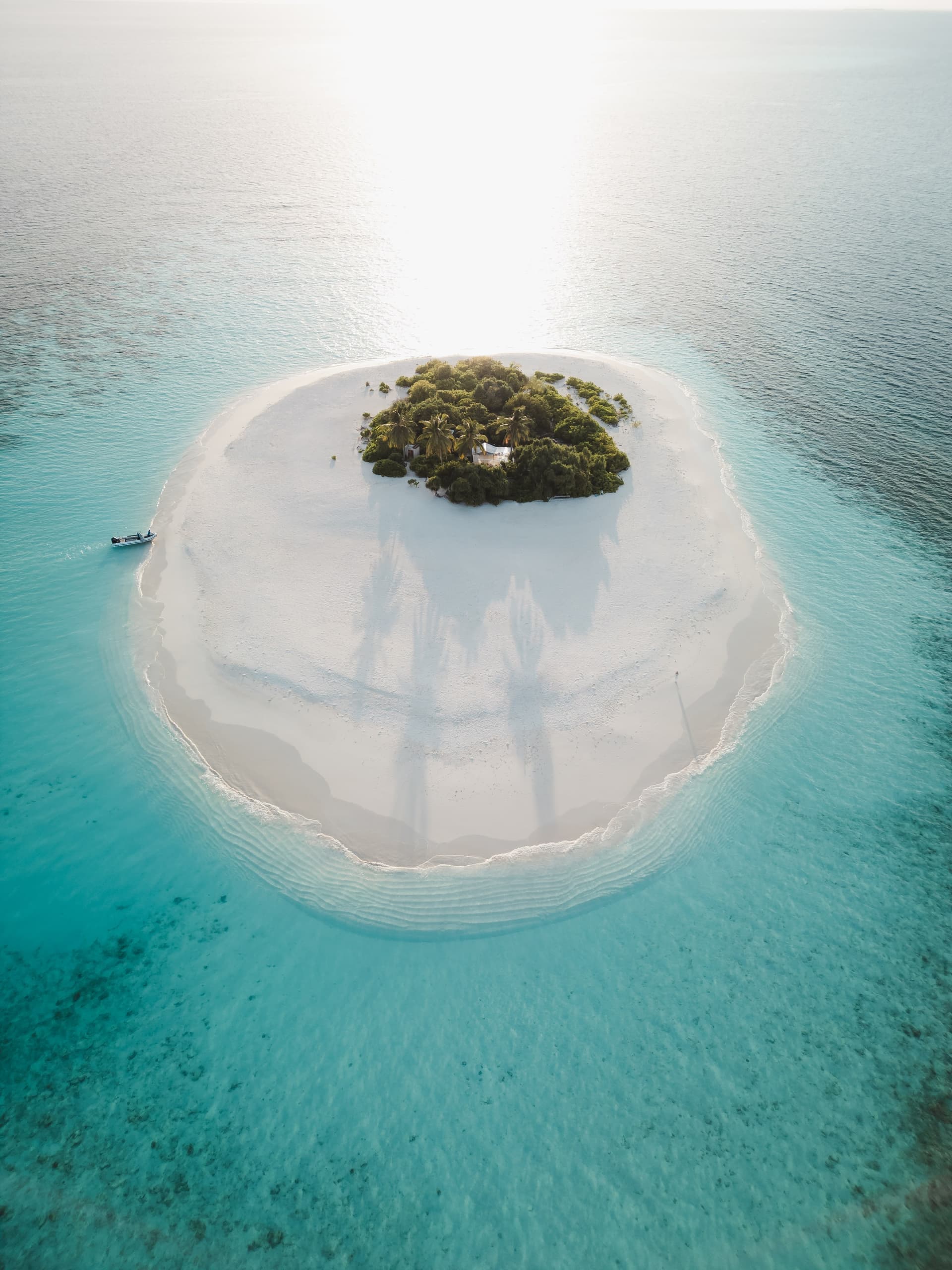
Few things ruin a dive faster than being cold. Not "oh, it's a bit nippy" cold. The kind of cold where your hands stop working, your brain stops caring about the manta overhead, and the only thought in your head is when can I get out.
On a liveaboard, you're doing four or five dives a day. If your exposure protection is wrong, that's four or five rounds of misery. For a week. Let's make sure that doesn't happen to you.
The Basics: How Exposure Protection Works
Wetsuits trap a thin layer of water between the neoprene and your skin. Your body heats that water, and the neoprene insulates it. The thicker the neoprene, the warmer you stay — but also the more buoyancy you add (which means more weight on your belt).
Drysuits keep you completely dry using waterproof seals at the wrists, neck, and zipper. You wear insulating undergarments beneath. They're more complex to dive, but in cold water, they're a revelation.
Rashguards and skins offer minimal thermal protection but guard against sun and stings. Perfect for tropical surface intervals.
Water Temperature Guide by Destination
Here's what to expect and what to wear at the most popular liveaboard destinations:
Tropical and Warm (27-30°C / 80-86°F)
Maldives (27-30°C year-round)
- 3mm full suit or shortie
- Some divers get by in a rashguard, but a thin wetsuit protects against hydroids and fire coral
- A hooded vest if you run cold on dive four of the day
Red Sea, Egypt (22-28°C depending on season)
- Summer: 3mm is plenty
- Winter (November-March): 5mm strongly recommended, especially for deeper wrecks
- The thermoclines in the Red Sea are sneaky — warm at 10m, surprisingly cool at 30m
Thailand / Andaman Sea (27-30°C)
- 3mm full suit, even if the water is bathwater-warm
- Protection against jellyfish and plankton stings is the real reason
Moderate (22-27°C / 72-80°F)
Indonesia — Komodo (24-28°C, but variable)
- 5mm is the safe bet
- Komodo has significant thermoclines; you can go from 28°C to 21°C in a single descent
- Bring a hood for the colder pockets — your head loses heat fast
Indonesia — Raja Ampat (27-30°C)
- 3mm is usually fine
- Warmer and more stable than Komodo
- A lightweight full suit for abrasion protection on reef dives
Palau (27-30°C)
- 3mm full suit
- Currents can make you feel colder than the thermometer suggests
- A reef hook will keep you stationary, but you'll still feel the chill on long drifts
Cool (18-24°C / 64-75°F)
Galápagos (16-24°C, wildly variable)
- 7mm is the minimum. Seriously.
- Many experienced Galápagos divers wear semi-dry or even drysuits
- The Cromwell Current brings 16°C upwellings that hit without warning
- Hooded vests, gloves, and boots are non-negotiable
- This is the destination where people most often underestimate the cold
Truk Lagoon (27-30°C surface, but wrecks are deep)
- 3mm for most divers
- The wrecks sit deep, and longer bottom times in the holds can feel cooler
- A 5mm if you're planning serious wreck penetration
When to Consider a Drysuit
Drysuits on liveaboards are less common but absolutely valid for certain destinations. Consider one if:
- Water temperature is below 20°C for most dives (Galápagos, winter Red Sea, Socorro)
- You're doing 4+ dives daily and can't warm up between them
- You run cold — and you know who you are
- The trip is long — cold stress accumulates over days
Drysuit Practicalities on Liveaboards
- Storage: Drysuits take up more space. Talk to the boat crew about hanging options
- Drying: They need airflow to dry inside. The dive deck can work, but don't leave them in the sun
- Weight: You'll need more lead to counteract the air in the suit
- Training: If you haven't dived dry before, a liveaboard is NOT the place to learn. Get certified first
- Undergarments: Bring multiple sets so you always have a dry one
Rental vs Your Own: The Real Talk
Own Your Wetsuit If...
- You dive more than once or twice a year
- You're between sizes (rental suits are M, L, XL — your body probably isn't)
- You care about comfort (your own suit, broken in, is always better)
- You have skin sensitivities or allergies to neoprene chemicals
Rent If...
- You dive rarely and it's always tropical
- You're still figuring out what thickness you prefer
- Luggage restrictions make bringing a 7mm impractical
- The liveaboard has a good reputation for quality rentals (ask us — we know which boats do)
The Hybrid Approach
Many experienced liveaboard divers own a 3mm and a 5mm and rent or borrow for extreme destinations. This covers about 90% of scenarios without filling your entire suitcase with neoprene.
Pro Tips for Staying Warm
Even with the right suit, these habits make a difference:
- Stay hydrated: Dehydration makes you feel colder (and increases DCS risk)
- Eat between dives: Your body burns calories to stay warm
- Wear a hood: 40% of heat loss is through your head. Even a thin neoprene beanie helps
- Hot drinks: Most liveaboards have tea, coffee, and hot chocolate between dives. Use them
- Windbreaker on deck: Wind chill between dives is a silent thief. A dry layer topside is worth its weight in gold
- Don't be a hero: If you're cold, surface early. One cut-short dive beats hypothermia
The Bottom Line
There's no universal answer to "what should I wear?" It depends on where you're going, when you're going, how your body handles cold, and how many dives per day you're planning.
The worst-case scenario is packing too thin. Cold divers don't enjoy themselves, burn air faster, and increase their risk of decompression sickness. When in doubt, go thicker.
Planning a trip and not sure what to pack? Tell us where you're headed and when, and the Faneca Expeditions team will give you specific advice based on real conditions — not guesswork.
- The Complete Liveaboard Packing Guide — Full packing list for liveaboard trips
- Best Time to Dive: A Season-by-Season Guide — Water temperatures by destination and season
- Galápagos Diving: What to Expect on Your First Trip — A cold-water destination where exposure protection matters
Related Articles
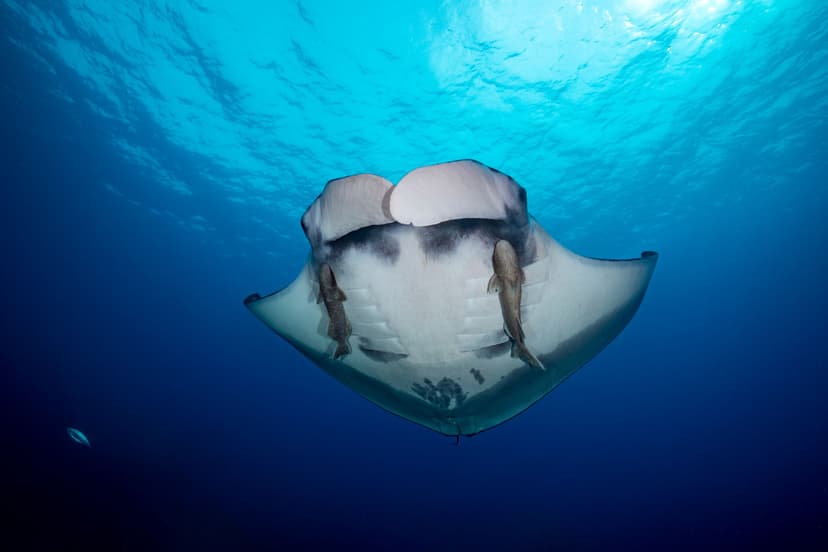
The Complete Liveaboard Packing Guide
What to bring, what to leave behind, and the gear essentials that experienced liveaboard divers swear by.
First-Time Liveaboard: What to Expect Day by Day
Never done a liveaboard? Here's the inside scoop on the schedule, the meals, the diving, and the delightful chaos.