When to Dive Thailand: the Similans Month by Month
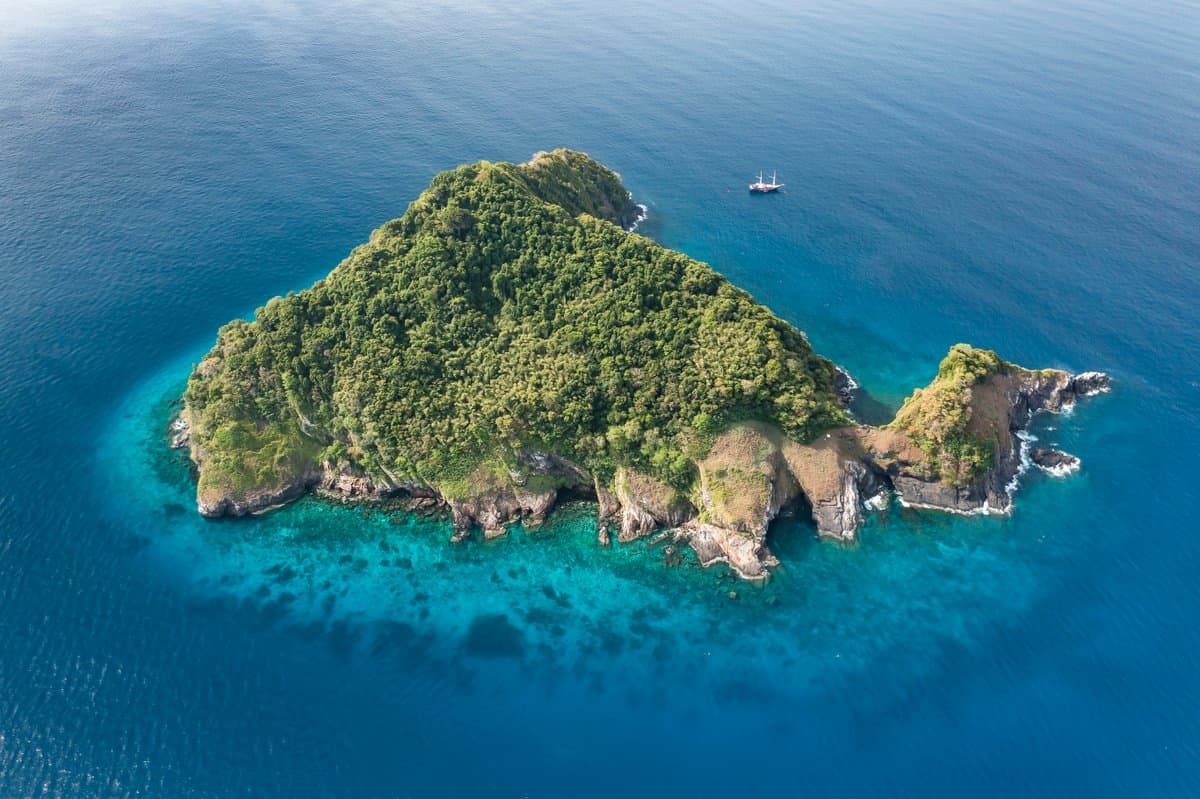
The short answer: the Similan and Surin national parks are only open from roughly 15 October to 15 May — they closed on 15 May 2026 and reopen in mid-October 2026, with the exact date confirmed by the Thai park authority a week or two ahead. Within that seven-month window, November to April is reliably excellent, and February to April is the sweet spot for whale sharks at Richelieu Rock. Liveaboards start around $1,115 for 4 nights and run to about $2,176 for the full 8-night Best of Thailand route.
That closure is the single fact that shapes every Thailand liveaboard decision. There is no shoulder season to gamble on, no "quiet months" workaround for the Similans. The southwest monsoon makes the crossing genuinely rough from June through September, and the five-month shutdown doubles as a recovery period for the reefs. If someone offers you a Similan trip in July, they are not taking you to the Similans.
Here is what each month actually looks like, so you can match your dates to what you want out of the water.
The season at a glance
- Park open: ~15 October to 15 May (announced annually; plan around these dates)
- Water temperature: 27-30°C all season — a 3mm suit or less, all season
- Visibility: 15-30m at the offshore sites in the dry months; 10-20m at the edges of the season
- Whale shark peak: February to April at Richelieu Rock
- Manta season: December to April at Koh Bon and Koh Tachai
- Busiest weeks: Christmas/New Year and Chinese New Year — book those 6+ months out
October: fresh reefs, unsettled edges
The park reopens mid-month, and the first boats out find the Similans at their least-dived — five months of zero traffic shows in the health of the shallows and the confidence of the fish life. Turtles at Donald Duck Bay have had the place to themselves.
The honest trade-off: October sits at the tail of the monsoon transition. You can get flat-calm days and 25m visibility, and you can get leftover swell and a milky 12m. Plankton is still thick from the wet season, which cuts viz but feeds everything on the reef. It is a good month for divers who care more about reef condition and quiet moorings than guaranteed blue water.
It is also the cheapest reliable window. Our season-opener departures in October 2026 run from $1,336 for 6 nights on The Junk — a genuine discount against the same boat's $1,670 high-season price, precisely because operators know the conditions carry a little more variance. If your budget is the deciding factor, October is where Thailand undercuts almost every other big-animal destination on earth.
November: the season finds its rhythm
By November the northeast monsoon has settled in, seas flatten, and visibility stretches to 20-30m at the offshore pinnacles. Water sits around 28-29°C. This is prime Similan diving — the granite boulder topography at sites like Elephant Head Rock in clean water is the version of Thailand you see in the brochures.
Mantas start showing at Koh Bon as the month goes on. Whale sharks are possible but not yet probable. Crowds are moderate: European half-term traffic has passed, Christmas hasn't started. For all-round conditions per euro spent, November and early December are arguably the smartest booking of the season.
December: prime conditions, peak pricing
Conditions are essentially perfect — calm seas, 25-30m viz, 28°C water. The catch is demand. The Christmas and New Year fortnight is the most heavily booked stretch of the Thai season, boats fill months in advance, and there are no discounts. Day-boat traffic from Khao Lak also peaks, so the Similan moorings themselves get busy mid-morning.
A liveaboard sidesteps most of that: you dive the marquee sites at 7am before the speedboats arrive, then move north to Koh Bon and Surin where day boats can't follow. If you must travel over the holidays, Thailand does holiday-season diving better than most — just book by midsummer.
January: the quiet prime month
January is December's conditions without December's crowds, once the New Year exodus clears. Seas are at their calmest, visibility is at its best, and mantas are increasingly reliable at Koh Bon and Koh Tachai. Whale shark encounters begin ticking up at Richelieu late in the month.
Watch one thing: Chinese New Year (mid-February in 2027) pulls a wave of regional bookings, and the weeks around it fill early. Our January 2027 departures — 6 nights on The Junk covering Similan, Surin and Richelieu at $1,670 — are the classic itinerary at the classic price.
February to April: the whale shark window
This is what most divers are really asking about when they ask when to dive Thailand. From February through April, warming water triggers plankton blooms around Richelieu Rock, and the whale sharks follow. No operator can promise you one — read our honest odds breakdown on the whale shark sightings page — but this is the stretch where a week on a boat gives you a genuine chance rather than a lottery ticket.
The supporting cast peaks too:
- Mantas at Koh Bon and Koh Tachai are at their most consistent
- Richelieu's macro — seahorses, frogfish, harlequin shrimp — is superb regardless of what swims out of the blue
- Water hits 29-30°C; some divers skip the wetsuit entirely
- Seas stay mostly calm, though April can bring the first pre-monsoon afternoon chop
Visibility is the one metric that softens: the same plankton that brings the whale sharks can drop viz to 15-20m on green days. If you want gin-clear water for wide-angle photography, December-January beats March. If you want the animal, take the plankton. You cannot fully have both — that is the trade the Andaman Sea offers, and anyone who tells you otherwise is selling something.
By late April, boats begin their final rotations. Early May trips still run and can be excellent value, but you are diving on the season's last legs with rising humidity and building seas.
May to September: the closure, and what's actually left
From 15 May the Similan and Surin parks shut completely. What remains is southern Thailand — Phi Phi, Shark Point and the King Cruiser wreck out of Phuket, or Koh Tao in the Gulf. These are day-trip destinations with decent leopard shark and turtle diving, but they are not liveaboard territory and they are not the Similans. Green-season viz of 10-15m and afternoon squalls are normal.
Who should dive Thailand in the monsoon months: nobody flying long-haul for it. If you are already in Thailand in July, a couple of Phi Phi days are a pleasant way to stay wet. If you are planning a dedicated dive trip from Europe in the northern summer, look at Komodo instead — its season peaks exactly when Thailand's closes — or hold your dates for the October reopening.
Who should book which month
- Best value: October opener trips (from $1,336) or a 4-night taster in early December ($1,115)
- Best all-round conditions: November, or January after the 5th
- Whale sharks: February to April, on an itinerary with at least two days at Richelieu — the 8-night Best of Thailand ($2,176) gives the most time on the northern sites
- Photographers chasing viz: December-January
- Should not book Thailand at all: divers wanting hammerheads or serious pelagic action beyond whale sharks and mantas (that is Socorro or Galápagos money and distance, but also a different league of encounters), and anyone whose only free window is June-September
Full destination detail — routes, boats and the honest skill-level picture — is on our Thailand destination page, and every departure we currently hold, with live pricing and spaces, is on the Thailand calendar.
One practical note: because the season is only seven months long and the whale-shark window is only three, the good boats compress a year of demand into a short calendar. If you want a specific week in February or March, or the Christmas fortnight, talk to our concierge early — we track cabin availability across the Thai fleet and can usually tell you within a day whether your dates are realistic or whether shifting one week saves you both money and disappointment.
Related Guides
Related Articles
%20-%20Large.jpg&w=828&q=75)
Best Time to Dive: A Season-by-Season Guide
When to visit the world's top liveaboard destinations for the best conditions and marine life encounters.
Galápagos Diving: What to Expect on Your First Trip
Hammerhead highways, curious sea lions, and currents that demand respect — here's what awaits in the enchanted islands.