Best Time to Dive Komodo: The Manta vs. Visibility Trade-Off, Month by Month
%20-%20Large.jpg&w=1920&q=75)
There is no single best time to dive Komodo — there is only the version of Komodo you want. Pick the wet season and you get walls of mantas at Manta Alley in green, plankton-thick water you can't see across. Pick the dry season and you get 30-metre visibility over technicolour reef — but the big southern manta aggregations have thinned out and moved on. This guide names that trade-off honestly and tells you, month by month, which side to land on.
We're an independent agency — we don't own the boats, so we have no reason to tell you "every month is amazing." Some months genuinely aren't, depending on what you came for. Here's the real picture.
The one tension that decides your dates
Komodo straddles two oceans. Warm, clear Flores Sea water pushes in from the north; cold, nutrient-loaded Indian Ocean water wells up in the south. The whole seasonal puzzle comes down to how much plankton is in the water — because plankton is both what feeds the mantas and what kills your visibility.
- Wet season (roughly December–March): Nutrient-rich water floods the park. Plankton blooms. Mantas — especially the big aggregations at southern sites like Manta Alley — gather to feed and clean. The catch: that same plankton drops visibility to a hazy 10–20 m, and the surface weather is wetter and bumpier.
- Dry season (roughly June–September): The water clears up beautifully — 25–35 m visibility at most sites in July–August, calm seas, postcard reef. The catch: the southern feeding frenzy quiets down, mantas spread out and shift north and central, and cold upwelling can throw surprise thermoclines and ripping currents at you in the south.
You cannot have peak-Manta-Alley and gin-clear water in the same week. That's the honest core of every Komodo guide worth reading. Everything below is just resolving which one matters more to you.
The month-by-month grid
| Months | Visibility | Manta scene | Water temp (N → S) | Crowds | Best for |
|---|---|---|---|---|---|
| Dec–Feb (wet, peak manta) | Lowest, ~10–20 m | Peak southern aggregations; Manta Alley feeding | 27–29 °C N / can dip to ~20–22 °C S | Lower | Manta obsessives, photographers chasing numbers |
| Mar (late wet) | Improving, ~15–20 m | Still strong, tapering | Warming up | Lower | Mantas + slightly better conditions |
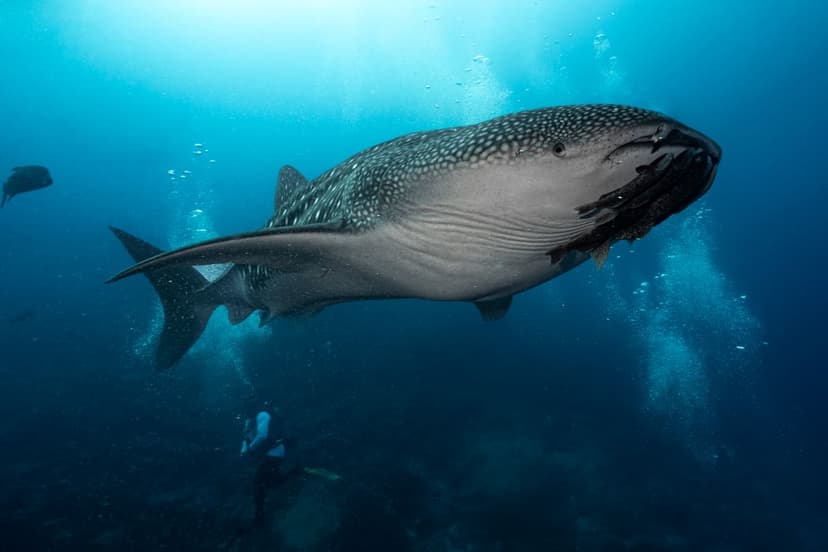
| Apr–May (shoulder) | Good, ~20–25 m | Mantas shifting north/central; whale-shark window opens | Warming, mild thermoclines | Building | All-rounders, value, fewer boats |
| Jun–Sep (dry, peak vis) | Best, 25–35 m | Quieter south; reliable central cleaning stations | 27–29 °C N / 22–25 °C S, cold upwelling | Highest | Reef, viz, first-timers, calm seas |
| Oct–Nov (shoulder) | Still strong, ~20–30 m | Reactivating, both zones can fire | Warming again | Easing | The "secret season" sweet spot |
Conditions are seasonal tendencies, not guarantees — a single big rain event or current shift can move the needle in any given week. Treat this as the shape of the year, not a promise.
What the wet season actually looks like (Dec–Mar)
This is manta season in the south, and it can be genuinely jaw-dropping. When the plankton blooms hit, Manta Alley near Komodo Island's southern tip and the central cleaning station at Manta Point (Karang Makassar) turn into feeding theatres. It's not unusual to share a dive with 20-plus reef mantas, and dive guides routinely describe single dives with 50–60 individuals barrel-rolling around them in good years. The occasional oceanic manta turns up too.
Here's the part the glossy brochures skip:
- Visibility is the price of admission. That green, soupy water is the food that pulls the mantas in. You're trading clarity for density of life. Wide-angle photographers often love it — mantas at arm's length forgive 12 m of vis — but if you came for crystalline coral panoramas, this isn't your season.
- The south gets cold. Cold Indian Ocean upwelling means southern sites like Manta Alley can drop to 20–22 °C while the north sits at a balmy 27–29 °C. A 5 mm wetsuit (and a hood for the truly cold-blooded) earns its keep.
- Surface conditions are wetter and less polished. More rain, occasional bumpy crossings, greener hills topside. None of it ruins a trip; it just isn't the flat-calm dry-season fantasy.
For a deeper look at why these manta numbers happen and where the dragons fit into a wet-season itinerary, see our Komodo diving: dragons and mantas field guide.
What the dry season actually looks like (Jun–Sep)
This is the postcard Komodo most people picture: 25–35 m visibility, calm seas in July–September, sunlit reef so dense with anthias, fusiliers, and surgeonfish that sites like Batu Bolong look like someone tipped over an aquarium. Reef sharks, Napoleon wrasse, turtles, hunting trevallies — the works. For first-timers, nervous-about-water-clarity divers, and anyone who wants reliable conditions, this is the safe, brilliant choice.
The honest caveats:
- Mantas don't vanish — they redistribute. The south's big feeding aggregations thin out, but central cleaning stations stay reliable through much of the dry season. You'll still see mantas; you just won't necessarily get the 50-strong wet-season wall.
- Cold and current bite hardest now. That same upwelling that clears the water also drives Komodo's legendary currents and surprise thermoclines — temperature swings of several degrees in a single dive are common in the south, and southern sites can punch above your comfort level. This is the season where Komodo's "fast-water" reputation is most earned.
- It's peak season, so it's busiest. More boats on the popular moorings, especially July–August.
The shoulders: the quietly best months for many divers
Don't sleep on the transitions. April–May and October–November are where a lot of experienced divers actually choose to go:
- April–May: weather settling, visibility climbing back, mantas drifting north and central, and the best whale-shark window (roughly April–June) as plankton draws them in. Fewer boats than peak. A genuine all-rounder.
- October–November: the so-called "secret season." Conditions still strong, crowds thinning, and manta activity starting to reawaken across both zones — November in particular can have the south and central both firing with far fewer boats around.
If you want a sense of how Komodo's calendar compares to its more famous northern cousin before you commit, our Raja Ampat vs. Komodo breakdown lays the two trips side by side.
The decisive verdict: book these months for mantas, these for viz
No hedging. Here's the call:
- You're here for the mantas above all else → book December to February (March is a solid late-window option). Accept the 10–20 m visibility and pack a 5 mm-plus exposure suit. This is when Manta Alley earns its name. If a single dive smothered in 30+ mantas is the trip of your life, the green water is a feature, not a bug.
- You're here for visibility, reef, and calm conditions → book June to September. Expect 25–35 m of clarity, the best sea state of the year, and still-reliable central manta cleaning stations. Just respect the currents and the cold the south can serve up.
- You want the best of both, with fewer crowds → book April–May or October–November. Decent visibility, mantas in transit, whale-shark odds in spring, and breathing room on the moorings. For most people booking their first Komodo trip, this is the smartest hedge.
Quick rule of thumb: green water = more mantas; blue water = more clarity. Choose your green or your blue first, then pick the month.
Practical notes that affect your timing
- Komodo is diveable year-round. There's no hard seasonal park closure — the difference is conditions, not access. (Individual liveaboards do reposition to other regions seasonally, so specific boats and dates sell out; that's a booking-calendar issue, not a park one.)
- Currents and certification. Open Water is the minimum to join most Komodo diving, but several signature sites — Batu Bolong, parts of Manta Point in stronger flow, the southern fast-water reefs — really want Advanced Open Water and genuine drift / current experience. If you're newer, the calmer dry-season central sites are kinder; the high-current south rewards confident divers. We'll match the itinerary to your logbook honestly — tell us where you actually are, not where you'd like to be.
- Park fees (2026, confirm current rates with us before you travel). Komodo National Park runs a consolidated entry fee with a daily visitor cap and pre-booking. Recent published rates have been around IDR 650,000 per person for the Komodo Island route and roughly IDR 900,000 for itineraries including Rinca — call it very roughly €35–€55 / US$40–US$60 at recent exchange rates. The old "premium" conservation fee (the rumoured multi-million-rupiah charge) was cancelled in late 2022 and has not returned. Fees and rules change with little notice, so treat any number here as indicative and let us confirm the live figure for your dates.
Where this fits in your bigger trip plan
If mantas are the whole reason you're going, it's worth zooming out: different destinations peak in different months, and you can sometimes time a single trip — or a pair of them — around the best aggregations. Our manta ray encounter calendar maps that across destinations. And if you're weighing Komodo against a Raja Ampat add-on, their seasons are almost mirror images — see when to dive Raja Ampat, month by month to see how the two calendars can dovetail.
Ready to lock in dates? Tell us your one non-negotiable — mantas or visibility — and we'll build the rest of the trip around it. Start with the Komodo destination page, or just message us with your rough window and we'll tell you, plainly, what you'll get.
Related Guides
- Komodo diving: dragons and mantas — the full picture of what's underwater (and on land)
- Raja Ampat vs. Komodo: which trip is right for you — two Indonesian icons, side by side
- Manta ray encounter calendar by destination — time your trip around the mantas
- When to dive Raja Ampat, month by month — the mirror-image season to Komodo's
Related Articles
%20-%20Large.jpg&w=828&q=75)
Best Time to Dive: A Season-by-Season Guide
When to visit the world's top liveaboard destinations for the best conditions and marine life encounters.
Galápagos Diving: What to Expect on Your First Trip
Hammerhead highways, curious sea lions, and currents that demand respect — here's what awaits in the enchanted islands.