The Cauldron
A sand bowl in the channel between the two Gili Lawa islands, with a narrow exit where the tide speeds up.
The Cauldron lies in the passage between Gili Lawa Laut and Gili Lawa Darat, in the north of Komodo National Park. The tide runs through that passage with every rise and fall, and it has scoured a bowl into the sea floor. Divers drift along a reef slope, drop into the bowl, then leave over its far lip through a short rocky channel where the water accelerates. That channel is the Shotgun, and many boats use the name for the whole dive. When the tide runs it is a drift for divers who are comfortable in current and can control their buoyancy while moving fast. Near slack it is a quiet reef dive.
Quick answer: The Cauldron is a channel drift dive through a sand bowl and a narrow rocky exit in Komodo. Best season: April to November, when the north of the park is calmest; within any month the state of the tide matters more than the date. Level: Advanced Open Water and real drift experience when the current runs. Near slack it is a gentle reef dive, but the bowl floor is below the 18 m Open Water limit. Depth: Bowl floor at about 20 to 25 m by most accounts; lip of the bowl around 15 m; the Shotgun channel at about 8 to 12 m. Typical visibility: Commonly 10 to 25 m, clearest in the dry season.
Facts verified November 2026
The layout: slope, bowl, Shotgun, coral garden
The shape of the bottom explains the whole dive. It has four parts, and it helps to know them before you roll in.
- The reef slope beside Gili Lawa Laut, where most dives start in little current and follow the reef down towards sand at a little over 20 m
- The Cauldron itself: a bowl with a sand floor at about 20 to 25 m by most operators' figures (a few put it deeper), a lip at roughly 15 m, and walls with sea fans and soft coral
- The Shotgun: a short rocky channel on the far side of the bowl, at about 8 to 12 m, where the water leaving the bowl speeds up and rises
- A hard-coral garden beyond it, which some crews call the China Shop, where the current eases and the dive ends
Tide and direction
Most operators describe the Cauldron as a falling-tide dive, with the water running from west to east: in beside Gili Lawa Laut, through the bowl and out through the Shotgun. At least one dive centre times it on the incoming tide, and it can be dived the other way round when the flow is reversed. The entry point, the route and the pick-up all depend on the tide the crew has chosen.
Around new and full moon the channel runs hard. Near slack, or on a neap tide, the same route is a slow swim and the interest shifts to the sea fans and the sand. If you would like the gentler version, tell the guide before the day is planned.
How the dive goes
You enter over the reef slope, descend with the guide and feel the current build as the slope gives way to sand and rubble. The group crosses to the lip of the bowl and drops in, out of the main flow, where there is time to look around.
The exit is the part to prepare for. As you rise out of the bowl towards the Shotgun, the water pushes you upward as well as forward, up the far wall and into a channel at about 8 to 12 m. Let the air out of your BCD before you reach the lip, stay low and stay directly behind the guide. Do not try to stop in the channel unless the guide does. Past it, the current spreads out over the coral garden and drops away.
Make the safety stop at about 5 m above that coral garden, or in open water under the guide's surface marker buoy if the drift has carried the group off it.
Hazards and who it is for
Boats and dive centres treat this as an advanced dive when the tide is running. They typically ask for Advanced Open Water and real drift experience, and bigger boats ask for 30 to 50 logged dives. The floor of the bowl is below the 18 m limit of an Open Water certification, so Open Water divers taken here near slack stay on the slope and the rim.
Older descriptions have guides hooking divers on to bare rock at the mouth of the Shotgun. The park's published visitor rules list reef hooks and gloves as not allowed, and practice now differs from boat to boat. Follow your crew's briefing, and do not plan the dive around a hook.
The main hazards, and what to do about each:
- A fast ascent at the Shotgun: the rising water can lift a diver who still has air in the BCD by several metres. Dump early and watch your computer
- Up-wellings and down-wellings around the bowl and the channel on a strong tide. If you are pushed down, stay with the guide, swim across the flow and add air only a little at a time
- Separation: the group moves quickly and the channel is narrow. Stay close to your buddy and behind the guide
- Contact with the bottom: the channel is shallow rock and the garden beyond it is hard coral. Keep fins, gauges and hands clear
- Surfacing away from the boat: carry a surface marker buoy
What you see
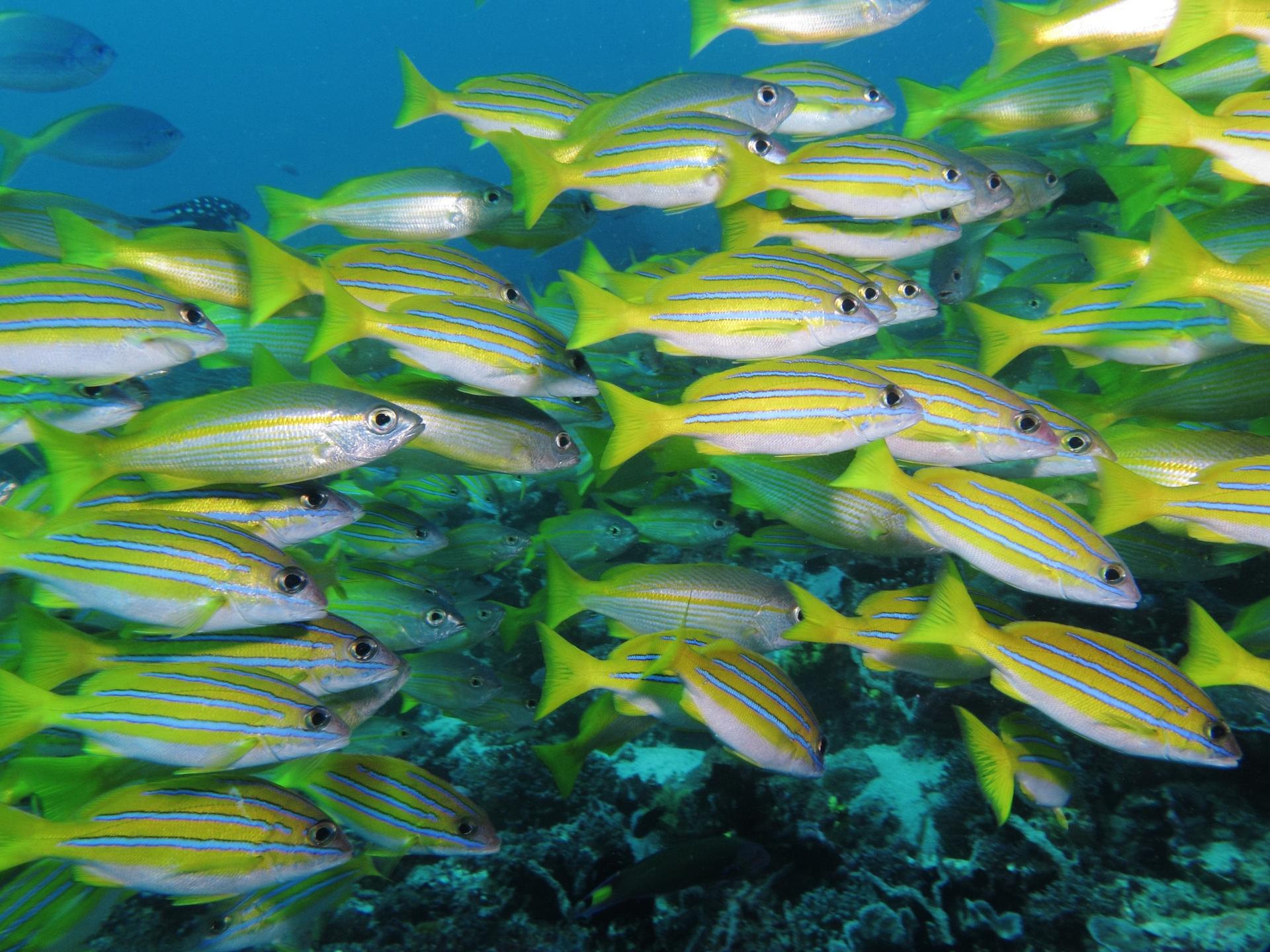
On a running tide the fish are where the water is: giant trevally and whitetip reef sharks working the lip of the bowl and the mouth of the channel, and schools of snapper and surgeonfish holding in the shelter of the rim. Eagle rays pass through, and stingrays and garden eels sit on the sand of the bowl. Reef mantas turn up at times in and around the channel, and a 2022 study of Komodo's mantas found that those seen here were more often immature animals, frequently feeding. They are a bonus, not the plan. For mantas, Karang Makassar in the centre of the park is the more dependable site.
Near slack, look closer: pygmy seahorses on the sea fans, and frogfish and nudibranchs on the slope and the walls of the bowl.
When to dive it
The north of Komodo is calmest from about April to November, and that is when most boats dive the Gili Lawa sites, often on the same visit as Castle Rock and Crystal Rock off the north side of Gili Lawa Laut. From December to March the north gets more wind and chop, and boats spend less time there. The water is around 28 to 30°C for much of the year and about 25 to 28°C from July to September, and a 3 mm full suit is enough for most divers.
The Cauldron is on the northern leg of Komodo liveaboard routes, alongside Castle Rock and Crystal Rock. Whether a trip dives it depends on the tide and the weather on the day, and crews swap in another site when the channel is running too hard or the north is rough. See the dates on our Komodo calendar, or tell us what is in your logbook and we will suggest a trip that fits.
The Cauldron: common questions
What is the best season to dive The Cauldron?
April to November, when the north of the park is calmest; within any month the state of the tide matters more than the date
What experience level do I need for The Cauldron?
Advanced Open Water and real drift experience when the current runs. Near slack it is a gentle reef dive, but the bowl floor is below the 18 m Open Water limit
How deep is The Cauldron?
Bowl floor at about 20 to 25 m by most accounts; lip of the bowl around 15 m; the Shotgun channel at about 8 to 12 m
What marine life will I see at The Cauldron?
Giant trevally, whitetip reef sharks, schooling snappers and surgeonfish, eagle rays, stingrays and garden eels on the sand, pygmy seahorses on sea fans, reef mantas at times