What a Komodo Liveaboard Costs: Fares, Park Fees and Extras
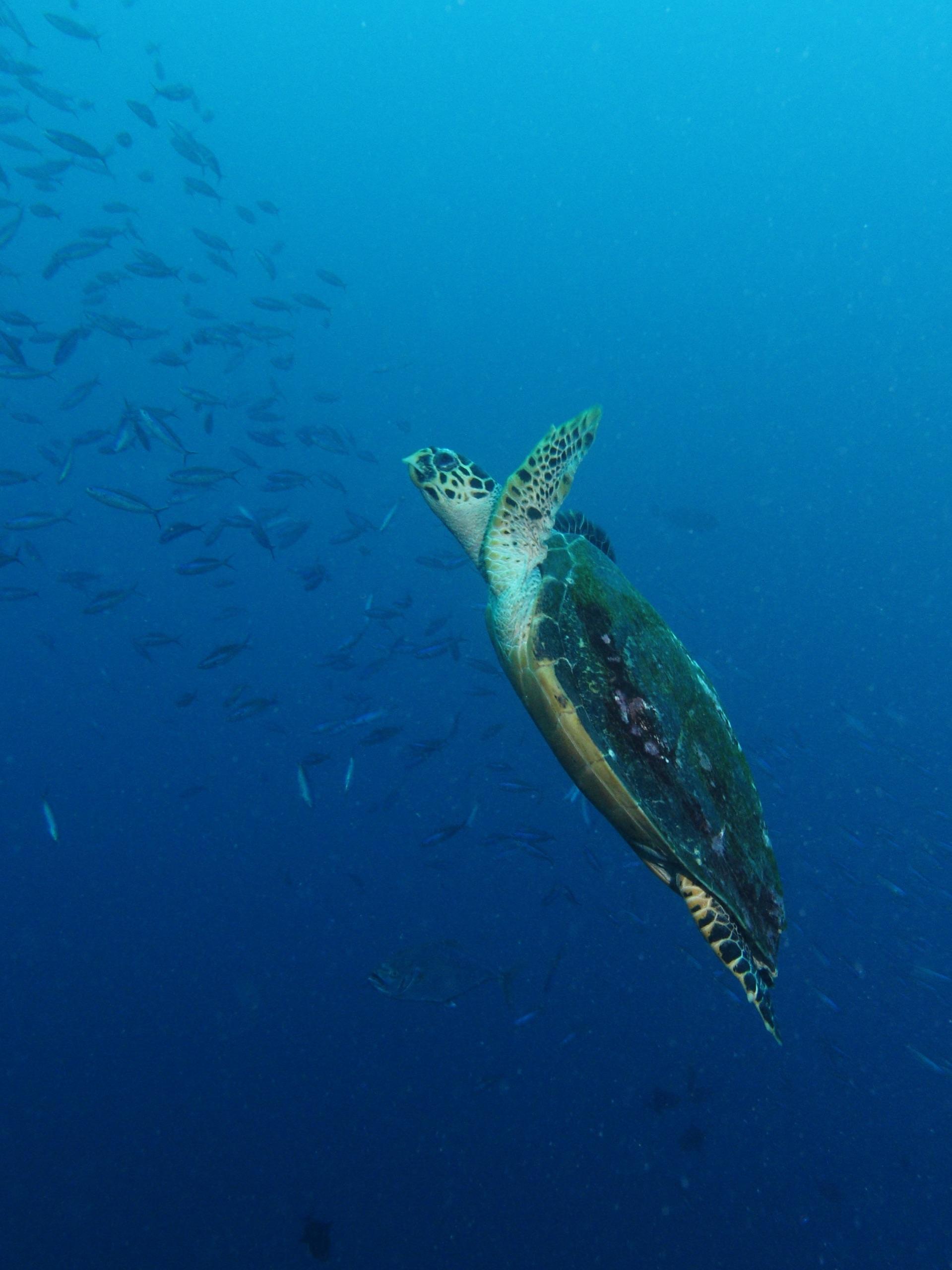
Photo: Alexander Vasenin, CC BY-SA 3.0
Of the two Indonesian liveaboard regions most divers ask us about, Komodo is the cheaper one to reach and to dive. The Komodo liveaboards we list start at €1,067 per person sharing for a loop of the national park from Labuan Bajo, and the longest routes, which reach Saleh Bay on Sumbawa or carry on east to Alor, run to around €6,000 and a little beyond. On top of the fare come the park fees, a domestic flight, tips and whatever you add on board.
This guide takes the bill line by line: what the fare buys at each trip length, how the park fees work under the current tariff, what flights and extras add, what each dive ends up costing, and how it compares with Raja Ampat.
What sets the fare
Three things move a Komodo fare: the number of nights, the boat and the route.
Most trips start and end in Labuan Bajo, on the western tip of Flores, and loop through the park for three to seven nights. Most of the short loops sail on a phinisi, the traditional wooden Indonesian sailing boat, and the range within that one type is wide. A plain phinisi with compact cabins and a larger boat with en-suite cabins, more deck space and a bigger crew can run the same length of trip at twice the fare. You pay the difference for comfort, not for different reefs: both dive the same pinnacles.
Longer routes cost more because they cover more water. One-way Bali to Komodo crossings spend a week along the north coast of Sumbawa, nine-night trips add the whale sharks of Saleh Bay, and a few trips run west to Bima on Sumbawa or east to Alor. All of these run in the dry season.
Fares by trip length
These figures come from our live calendar and change as the boats change their prices. Each is the lowest cabin, per person sharing, on a confirmed sailing that still has space.
| Trip | Nights | From |
|---|---|---|
| Short loop of the park | 3 | €1,466 |
| Short loop of the park | 4 | €1,650 |
| Classic loop from Labuan Bajo | 5 | €1,067 |
| Classic loop from Labuan Bajo | 6 | €2,199 |
| Full week, loop or crossing | 7 | €2,895 |
| Bali to Komodo crossing | 7 | €3,637 |
| Komodo and Saleh Bay | 9 | €6,094 |
| Labuan Bajo to Bima | 10 | €4,122 |
| Komodo to Alor | 9 to 10 | €5,301 |
Read each row as a floor, not a typical price. Within one length the spread is wide: five-night trips run from about €1,000 to just over €2,000, and seven-night trips from about €2,800 to €4,500, depending on the boat. Short trips are also less efficient than they look. A three-night loop still has a boarding afternoon and a last morning heading back to port, so you get fewer full diving days for each night you pay for.
The next sailings with space, live:
| Date | Destination | Route | Nights | From |
|---|---|---|---|---|
| 27 Nov 2026 | Komodo | Komodo National Park | 5 | €1,756 |
| 4 Dec 2026 | Komodo | Komodo National Park | 5 | €1,547 |
| 6 Jan 2027 | Komodo | Komodo National Park | 6 | €2,199 |
| 11 Jan 2027 | Komodo | Komodo National Park | 5 | €1,186 |
| 18 Jan 2027 | Komodo | Komodo National Park | 5 | €1,186 |
| 25 Jan 2027 | Komodo | Komodo National Park | 5 | €1,186 |
| 15 Feb 2027 | Komodo | Komodo National Park | 5 | €1,186 |
| 16 Feb 2027 | Komodo | Komodo National Park | 6 | €2,199 |
Komodo National Park fees
On most boats the park fees are not in the fare. They are set by national regulation, Government Regulation 36 of 2024, which came into force on 30 October 2024. Under it, as the park authority (Balai Taman Nasional Komodo) set out when the tariff began, a foreign visitor pays Rp250,000 for each day in the park, the same on weekdays and holidays, and diving carries its own ticket of Rp25,000. The day fee covers trekking, wildlife viewing and snorkelling. Drones and sport fishing are charged separately and heavily. On a five-day loop the entry fee alone comes to Rp1,250,000, plus the diving tickets.
Some boats collect a flat charge instead, which bundles the park fees with port fees and a fuel surcharge. On one boat we sell it is US$200 per person for three and four-night trips and US$300 for five nights or longer, paid in cash. Others add a ranger or landing charge for the dragon walk. Your confirmation lists what is charged on top and how to pay it, usually in rupiah or US dollars in cash on board or at boarding.
Two recent changes matter. Since 1 April 2026 the park has capped the number of visitors each day and requires every visitor to be registered in advance; the boat does this with your passport details, so book under your name exactly as it appears in your passport. And in April 2026 the forestry minister said a higher fee for foreign visitors was under consideration. Nothing had been confirmed when we wrote this, so check the current fee before you travel.
Flights, visa and the night before
Labuan Bajo's Komodo Airport (LBJ) sits a few minutes from the harbour. It has several flights a day from Bali, about an hour and a quarter, and direct flights from Jakarta. Most divers from Europe fly long-haul into Bali or Jakarta and connect, so the domestic hop is a small part of the travel bill next to the long-haul ticket.
Budget a hotel night in Labuan Bajo before the boat sails. Domestic flights are often delayed in the wet season, and a missed connection here means a missed boat. One-way trips need open-jaw tickets: into Bali and home from Labuan Bajo on a crossing, or out of Bima on Sumbawa at the end of a Saleh Bay trip.
Visitors from Europe, the UK, the US and Australia need a visa on arrival or an e-VOA. It has cost Rp500,000 for 30 days; in August 2026 the immigration service proposed raising it, so check the current fee. If you stay in Bali on the way, foreign visitors also pay Bali's Rp150,000 tourist levy.
Nitrox, gear and tips
Nitrox ranges from included to a charge per fill or a flat price for the trip, depending on the boat. On three or four dives a day around 20 to 30 m on the pinnacles it buys useful bottom time, and you need the certification first: our guide to whether nitrox is worth it on a liveaboard covers the course.
Gear rental, where boats offer it, commonly runs around US$35 to US$50 a day for a full set. Bring your own computer, a surface marker buoy and a reef hook in any case. If your trip goes to the south of the park, add a 5 mm suit or a hood: the water there can drop to 20 to 24°C.
Tips are the line people forget. On Indonesian boats the usual guide is 5 to 10% of the fare, or roughly US$100 to US$280 for a seven-night trip depending on the class of boat, in cash. Our Indonesia liveaboard tipping guide explains how the envelope works and how the crew share it.
| Extra | Typical cost | Notes |
|---|---|---|
| Park entry | Rp250,000 a day | Plus Rp25,000 diving ticket; check the current fee |
| Flat park, port and fuel charge | US$200 to US$300 | On some boats, instead of separate fees |
| Visa on arrival or e-VOA | Rp500,000 | Rise proposed in August 2026 |
| Bali tourist levy | Rp150,000 | Only if you stay in Bali |
| Gear rental | US$35 to US$50 a day | Where offered |
| Crew tips, 7 nights | US$100 to US$280 | 5 to 10% of the fare |
Add dive insurance with evacuation cover, a night's hotel in Labuan Bajo, drinks on board and the long-haul flight, and you have the whole bill.
The price per dive
Divide the fare by the dives and Komodo looks better still. A five-night loop usually gives around 16 to 18 dives once the first afternoon and the last morning are counted. At the five-night fares on our calendar as we write, that is roughly €60 to €120 a dive, depending on the boat. A seven-night trip gives around 22 dives, which works out at roughly €130 to €200 a dive.
Those figures move with the fares, so treat them as a guide and use the table above for today's prices. The pattern holds even when the numbers shift: the cheapest dives in Komodo are on a five or six-night loop on a simpler boat, and the long routes cost more per dive because part of every day goes on sailing between regions.
When prices are higher
On the short loops, the season moves the diving more than the price. Some boats charge the same fare for every departure from January to June, and reduced fares appear whenever a boat has cabins to fill. What the season changes is what you see. The wet season, roughly December to March, brings the biggest manta gatherings at Manta Alley in the south and lower visibility. The dry season, about June to September, brings the clearest water in the north and centre, at Castle Rock, Crystal Rock and Batu Bolong, and a colder, greener south. Our guide to the best time to dive Komodo goes through it month by month.
The top of the price range sits in the dry season for a different reason: that is when the long routes run. The Bali crossings, the Saleh Bay trips and the routes to Bima and Alor are all scheduled between about June and September.
Komodo or Raja Ampat: where the money goes
Compare like with like and the floors are closer than many divers expect: six nights in Komodo start at €2,199, and six nights in Raja Ampat at €2,508. The real difference is length and distance. Raja Ampat trips run six to twelve nights, most of them eight or more, Sorong is a flight of about four hours from Jakarta against an hour and a quarter from Bali to Labuan Bajo, and Raja Ampat adds its own marine park card and regency visitor levy, both of which have changed recently. Our Raja Ampat liveaboard cost guide breaks that bill down the same way.
What the extra buys in Raja Ampat is reef: more species, more soft coral and more macro on every dive. In Komodo the money goes on current, mantas, dragons ashore and a shorter journey. If you are still choosing between them on the diving rather than the price, Raja Ampat vs Komodo compares the two directly.
To see what your own dates cost, the Komodo calendar shows every sailing with space, or send us your dates and we will lay out the options.
Related Guides
Related Articles
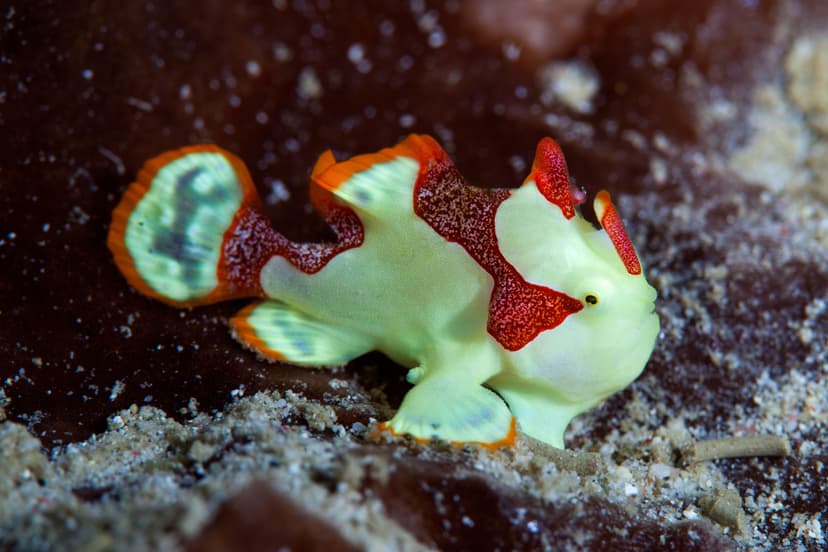
Best Time to Dive Komodo: The Manta vs. Visibility Trade-Off, Month by Month
Komodo's dry season brings calm seas and the clearest water to the north and centre of the park, and the wet season opens the south and its manta site. Water, weather, visibility, what is in season and which trips sail, month by month.
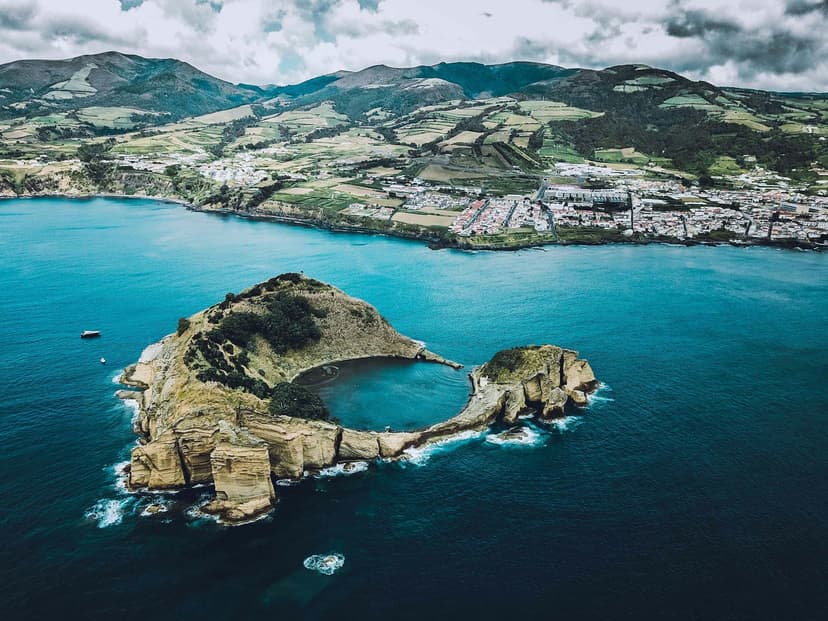
Diving the Azores: Blue Sharks, Mobulas and the North Atlantic's Largest Protected Network
In 2024 the Azores created the largest network of marine protected areas in the North Atlantic, about 287,000 km² of ocean that blue sharks, mobulas and sperm whales pass through. Here is why we think it is the most underrated diving in Europe, island by island and month by month.