%20-%20Large.jpg&w=1920&q=75)
Raja Ampat liveaboard diving at a glance: trips from €3,185 per person · best months Autumn and Winter · intermediate · known for coral, macro, pelagics. 18 listed departures.
Facts checked against live availability · September 2026
Raja Ampat sits at the heart of the Coral Triangle, where the Pacific and Indian Oceans meet and feed some of the densest reef life on the planet. The diving is about abundance more than single big animals: walls and sloping reefs packed with soft corals and fish, busy seamounts where current pulls everything into the blue, and quiet macro corners hiding pygmy seahorses, wobbegongs, and the region's famous walking sharks.
Current is the defining feature here, not an occasional surprise. It is what makes the reefs so alive, and it is also why a Raja Ampat liveaboard suits intermediate divers who are comfortable with moving water and, at some sites, hooking onto bare reef. It is not the place for your first ocean dives.
This works well for divers who want biodiversity and scenery in the same week, and for photographers shooting both wide reef and macro. We help you weigh classic central Dampier Strait routes against longer combinations that reach further south, and match the boat and itinerary to your real comfort with current.
Autumn, Winter
coral, macro, pelagics
intermediate
Best time to dive Raja Ampat
The reliable window runs roughly October through April — our Autumn and Winter seasons — when the seas are calmest and visibility is at its best. January and February are the peak liveaboard months, with manta activity strong around Dampier Strait cleaning stations such as Manta Sandy from late autumn into spring. The trade-off is that the most popular weeks book early and can carry heavier rain at the height of the local rainy stretch. We generally steer clear of the windier mid-year off-season, when many boats reduce or pause departures. Tell us your dates and we will find the right week.
What you'll see in Raja Ampat — and when
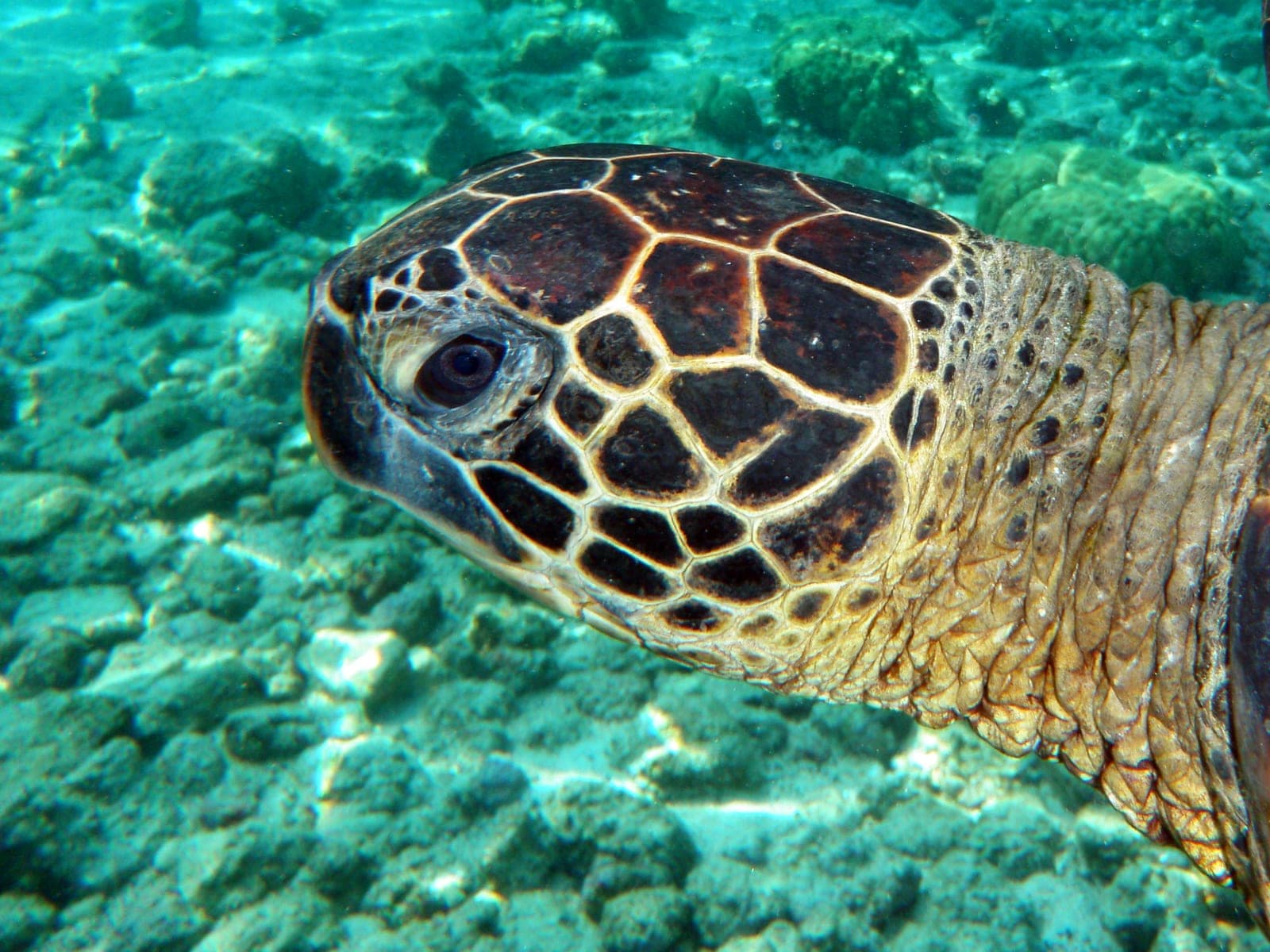
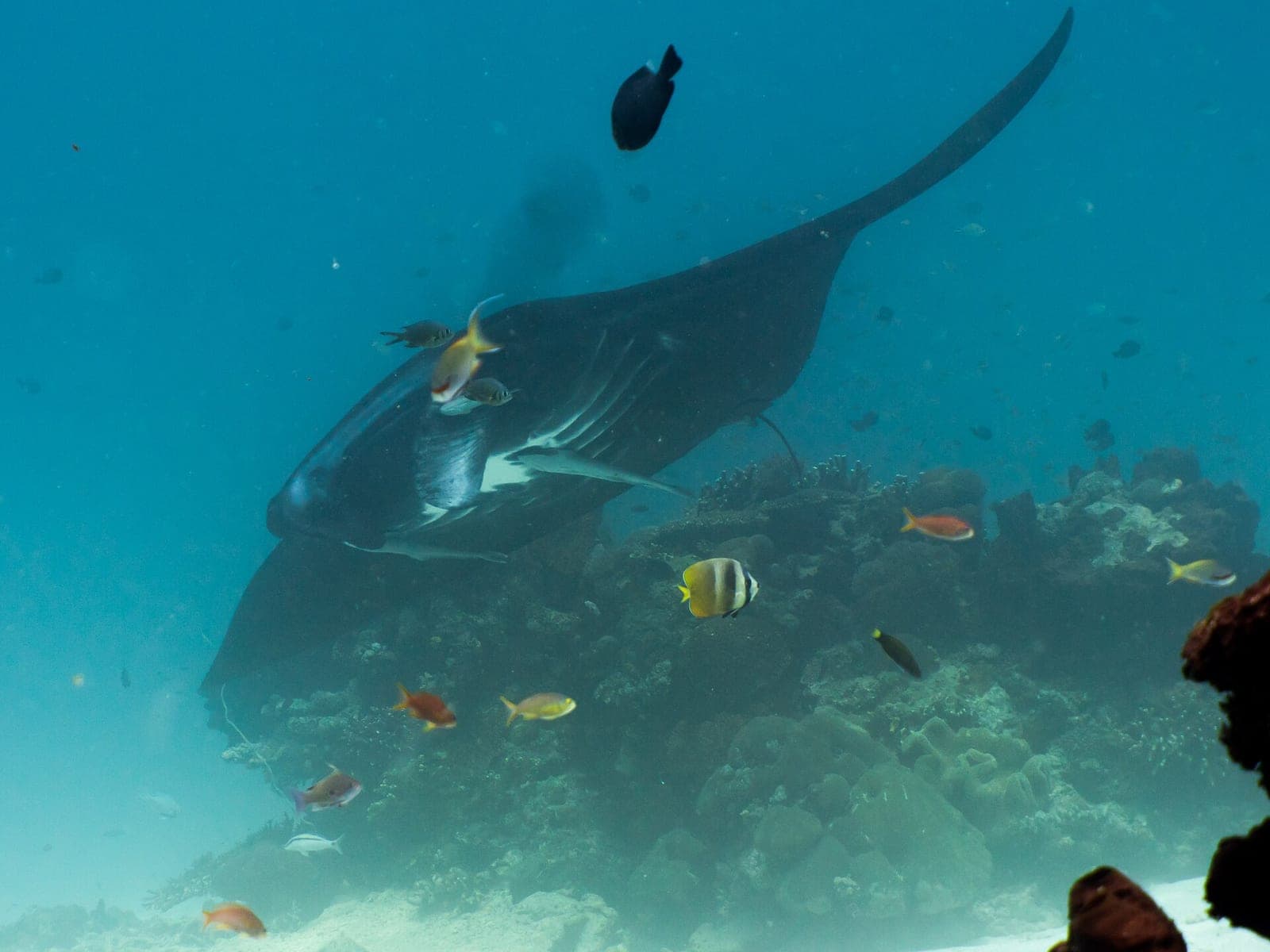
Want to plan around a specific animal? Try the Marine Life Finder.
What you'll dive in Raja Ampat
- Cape Kri — record-setting fish density on a single dive
- Dampier Strait — the busy central hub of reefs and seamounts
- Manta Sandy & Manta Ridge cleaning stations
- Misool's soft-coral pinnacles in the remote south
- Macro hunting: pygmy seahorses, wobbegongs, walking sharks
- Coral Triangle reef scenery for both wide-angle and macro
%20-%20Large%20(1).jpg&w=1920&q=75)
%20-%20Large%20(2).jpg&w=1920&q=75)
.jpg&w=1920&q=75)
The marquee sites you'll dive
Read before you go
Raja Ampat vs Komodo: Which Indonesian Trip is Right for You?
Two world-class destinations, very different experiences. Here's how to choose between Indonesia's best diving regions.
%20-%20Large.jpg&w=1920&q=75)
Diving Indonesia Beyond Bali: Raja Ampat, Komodo, Banda Sea
Indonesia is the world's greatest diving country, but most of the best stuff is far from Bali. Here's your guide to the liveaboard destinations that make Indonesia truly extraordinary.
Liveaboard Visa Guide: Which Countries Need What
Visa requirements for every major liveaboard destination: Egypt, Maldives, Indonesia, Thailand, Philippines, Mexico, and the tricky ones.
When to Dive Raja Ampat: Month-by-Month Guide
Raja Ampat has a proper dive season and a proper off-season. Getting the month right is the difference between the most biodiverse water on earth at its best, and watching your liveaboard cancel half the itinerary because of weather. Here is the 2026 calendar.
Raja Ampat diving — common questions
When is the best time for a Raja Ampat liveaboard?
The dependable season is roughly October to April, when the weather is drier, seas are calmer, and visibility is strongest. January and February are the peak liveaboard months and align with the best manta activity in the Dampier Strait, so those weeks book well ahead. The windier mid-year off-season sees many boats reduce or pause departures, which is why we usually plan around it.
How much diving experience do I need for Raja Ampat?
This is best for comfortable intermediate divers. Current is the defining feature here — it drives the marine life, but it also means some sites involve drift diving and hooking onto bare reef. It is not a first-ocean-dives destination. We look at your real recent experience with current, not just your certification level, and match the boat and route accordingly.
What makes Raja Ampat special compared with other liveaboards?
It sits at the heart of the Coral Triangle, so the standout is sheer biodiversity rather than one headline animal. You get dense soft-coral reefs, busy seamounts, reliable manta cleaning stations, and world-class macro — pygmy seahorses, wobbegongs, walking sharks — often in a single week. That mix of wide-angle reef and macro in one trip is rare, and it suits photographers especially well.
How do I book a liveaboard trip to Raja Ampat?
Start by reaching out through our concierge service with a short brief — your dates, experience, and what you want from the trip. We'll shortlist trusted boats, check availability, and come back to you personally.
Bookable Raja Ampat dates
Ready to dive Raja Ampat?
Trips from €3,185 per person
Share a short brief and we'll shortlist trusted boats, check availability, and come back to you personally.
“My wife and I had talked about Raja Ampat for years, but there were so many options we didn't know where to start. She shoots underwater photos and I'm always hoping for the big st…”— Marcus, Singapore