Raja Ampat Liveaboard Costs: From Value Boats to the Far South
%20-%20Large%20(2).jpg&w=1920&q=75)
Expect to pay $4,655 to $7,315 per person for a Raja Ampat liveaboard in the 2027 season, based on real departures on our calendar: a 7-night Central Raja itinerary on Dancing Wind at $4,655, a 10-night Best of Raja Ampat at $6,650, and an 11-night Misool–Triton Bay expedition at $7,315. On top of the fare, budget roughly $1,100–$1,700 extra for flights via Jakarta to Sorong, the marine park entry fees (about US$60 at current rates), nitrox, and crew tips. That lands most divers at $6,000–$9,200 all-in — more than Komodo, far more than Thailand, and still, dive for dive, one of the most defensible spends in the sport.
Here is where every dollar goes, which tier of boat actually makes sense for you, and who should not book Raja Ampat at all.
The real 2027 fares, boat by boat
These are live prices from our departure calendar, not brochure rates:
- Dancing Wind — Central Raja Ampat, 7 nights: $4,655. The value entry point. Central Raja means the Dampier Strait heavyweights — Cape Kri, Blue Magic, Mioskon — plus the Fam Islands and Melissa's Garden. Shorter route, less fuel burned, lower fare.
- Dancing Wind — Best of Raja Ampat, 10 nights: $6,650. Adds Misool's soft-coral ridges to the central circuit. Ten nights is the length most first-timers should actually book: Raja rewards time, and the per-night rate drops from $665 to $665 — identical, so you are paying for more of the same boat, not a premium.
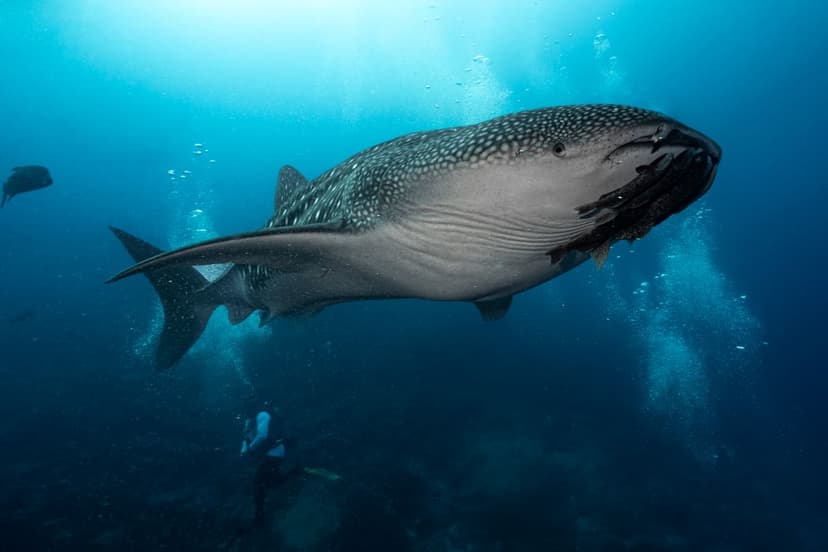
- Dancing Wind — Misool & Triton Bay, 11 nights: $7,315. The far south. Triton Bay is a genuine expedition add-on: whale sharks at bagans, black-forest soft coral, almost no other boats. Longest crossings, highest fare, and the one itinerary on this list that repeat Raja divers book.
- Blue Pearl — 8 nights: $6,000. A step up in comfort at $750/night versus Dancing Wind's $665. You are paying the difference for the boat, not the reef — both anchor over the same sites.
If those spreads look tight, that is the honest signal: in Raja Ampat there is no genuinely cheap boat that we would put clients on. The "budget" Indonesian phinisis that advertise $250–$300/night mostly run compressed itineraries, older compressors, and guide ratios of 1:8. We do not sell them, and this guide will not pretend they are the same product.
What the fare does not include
Add these to any Raja Ampat quote before you compare it to anything:
- International flights to Jakarta: from Europe, typically $800–$1,200 return in economy.
- Jakarta (CGK) to Sorong (DEO/SOQ): the domestic leg most people underestimate. One-way fares run $180–$250 on Garuda, Batik or Lion Air, so budget $380–$500 return. It is a 4-hour flight, usually overnight or early morning — plan a buffer night in Jakarta or Sorong on the way in, because a missed connection here costs you the boat.
- Raja Ampat entry fees: foreign visitors pay a Marine Park Entry Permit (IDR 700,000–1,000,000, valid 12 months) plus a regency Visitor Entry Ticket that rose to IDR 1,000,000 per visit in January 2026 — roughly US$100–120 combined. These fees change more often than boats update their websites, so verify the current figure when you book; some operators collect it on board, others expect cash in Sorong.
- Nitrox: typically $100–$150 per trip where offered. On a 10-night itinerary with up to four dives a day, it is worth every cent for bottom-time and fatigue alone.
- Crew tips: the working norm on Indonesian liveaboards is 5–10% of the fare, so plan on $250–$500. The crew-to-guest ratio on these boats is close to 1:1; the service reflects it, and so should the envelope.
- Odds and ends: marine gear rental if you need it ($150–$250/trip), a Sorong hotel night ($40–$80), dive insurance with evacuation cover (non-negotiable this far from a chamber).
Realistic all-in totals from Europe: about $6,600 for the 7-night trip, $8,700–$9,300 for the 10–11 night itineraries.
Why Raja Ampat costs more than Komodo or Thailand
A Thailand liveaboard runs $150–$250 per night. Komodo sits around $300–$500. Raja Ampat starts near $600 and climbs. That is not margin-padding — it is geography:
- Remoteness. Everything the boat consumes — fuel, food, spare parts, oxygen — ships to Sorong at West Papua prices, then travels onward by tender. There is no Phuket-style supply chain within a thousand kilometres.
- Fuel and distance. Raja itineraries cover serious water. The Misool–Triton Bay route in particular burns fuel on long overnight crossings that a Similan boat simply never makes.
- Park and port fees. Beyond the visitor permit, operators pay mooring, port and conservation levies across multiple regencies. Those costs land in the fare.
- Season concentration. The core season runs roughly October to April. Boats earn a year's keep in six-plus months, whereas Thailand's high-volume fleet amortises across near-constant demand and cheap turnarounds.
- Crew economics. A 12-guest phinisi sailing with 14 crew is a floating boutique hotel. The good ones pay and keep good guides, and Raja Ampat guiding — reading current at Cape Kri, timing the slack at Blue Magic — is a craft you feel on every dive.
If your budget conversation starts and ends with the nightly rate, Thailand wins and it is not close — our Thailand liveaboard cost guide makes that case without embarrassment. But nightly rate is the wrong denominator for Raja.
The per-dive math
Divide the fare by dives actually delivered and the picture changes:
- Dancing Wind 7n: ~24 dives → ~$194/dive
- Dancing Wind 10n: ~34 dives → ~$196/dive
- Misool–Triton Bay 11n: ~38 dives → ~$193/dive
- Blue Pearl 8n: ~27 dives → ~$222/dive
Around $190–$220 per dive, before flights. A Komodo liveaboard delivers dives at roughly $130–$160; Thailand at $60–$100. So yes — Raja dives cost two to three times a Similan dive. The question is what a dive is. Raja Ampat sits at the centre of the Coral Triangle with the highest recorded reef-fish diversity on Earth: oceanic mantas at Blue Magic, wobbegongs under every second table coral, walls of fusiliers so dense they shade the reef. On Melissa's Garden the hard-coral cover is so complete that experienced divers routinely name a single dive there among the best of their lives. You are not buying more dives. You are buying different dives.
The value tiers, honestly
- Value tier (~$650–$700/night — Dancing Wind). Solid mid-range phinisi comfort: air-con cabins, good food, competent guiding. Where the smart money goes on a first Raja trip. The 7-night Central itinerary at $4,655 is the cheapest way into world-class Raja diving that we are willing to recommend.
- Comfort tier (~$750–$900/night — Blue Pearl and peers). Bigger cabins, better ratios, more polish. Worth it if you are travelling as a couple who will feel a cramped cabin for ten days, or if surface-interval comfort genuinely matters to you. The diving is the same ocean.
- The far south premium (11n Misool–Triton Bay, $7,315). Not a comfort upgrade — a scope upgrade. Book it if you have dived Raja before, or if you know yourself well enough to want the emptiest, wildest version of a destination the first time. Skip it if 11 nights afloat sounds long; it is.
Who should not book Raja Ampat: newly certified divers with under ~30 logged dives (current at the marquee sites is real, and you will be politely benched from the best of them), anyone whose total budget caps below roughly $6,000 all-in (a compromised Raja trip is worse value than an excellent Komodo one), and non-divers travelling as companions — this is a diver's destination and the itineraries do not pretend otherwise. If Raja is on your list but the timing budget matters as much as the money, our month-by-month guide to Raja Ampat conditions covers when each fare buys the best water.
How to book it without overpaying
Prices for a given cabin are fixed by the operator — an agency cannot legally undercut them, and any site claiming to is playing games with inclusions. What actually moves your cost: choosing the itinerary length that fits your logged experience, catching genuine early-bird windows (some operators release 10–15% off 12+ months out), and not paying twice for flights that connect badly. The 2027 departures above are on the calendar now, and berths on the far-south routes historically sell out 9–12 months ahead. If you want a second pair of eyes on the math for your specific dates — or an honest answer on whether Raja Ampat or somewhere cheaper is the right call this year — talk to our concierge; we hold cabins for 72 hours at no cost while you decide.
Related Guides
Related Articles
%20-%20Large.jpg&w=828&q=75)
Best Time to Dive: A Season-by-Season Guide
When to visit the world's top liveaboard destinations for the best conditions and marine life encounters.
Galápagos Diving: What to Expect on Your First Trip
Hammerhead highways, curious sea lions, and currents that demand respect — here's what awaits in the enchanted islands.