When to Dive Raja Ampat: Month-by-Month Guide
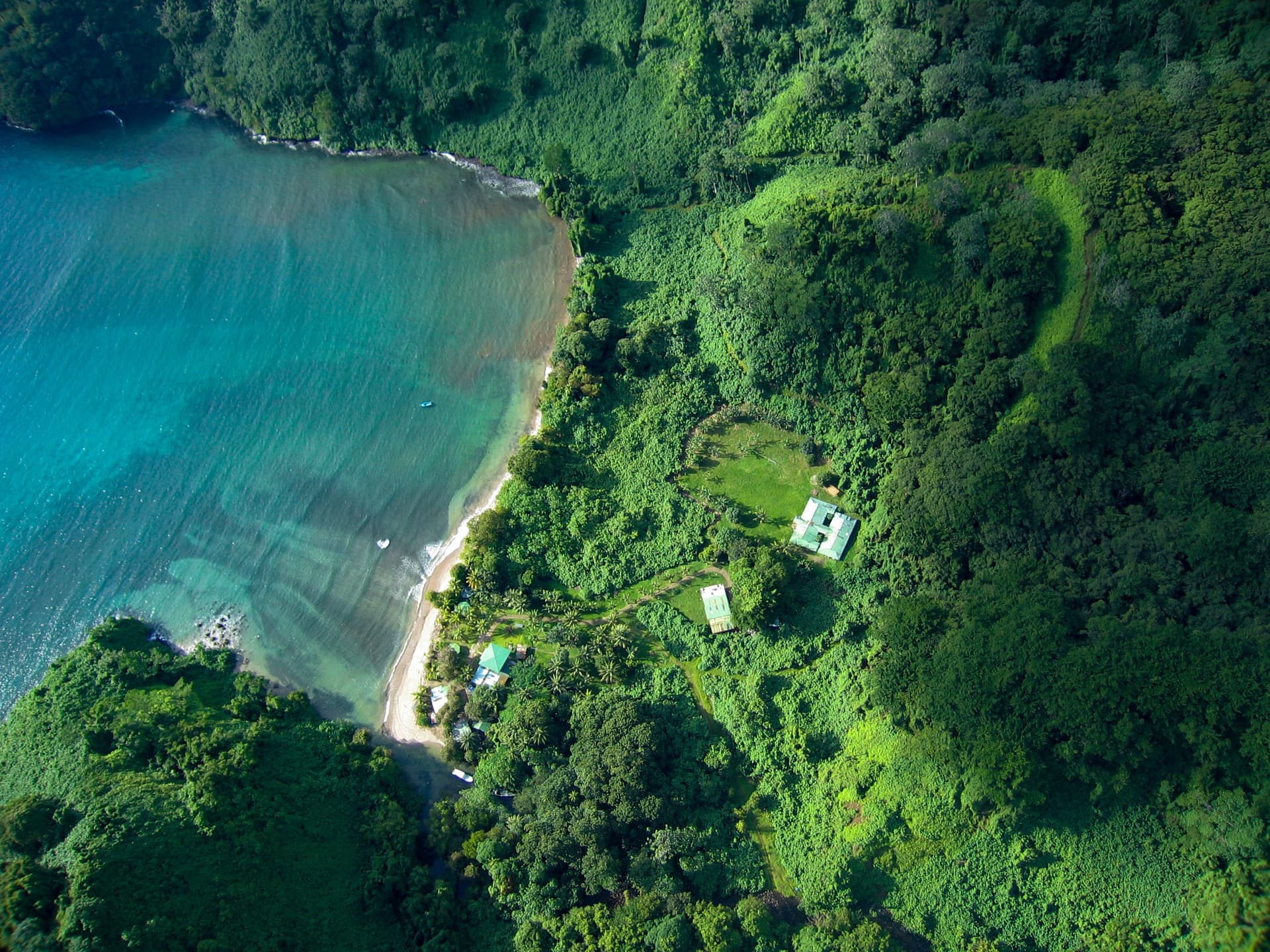
Raja Ampat has some of the richest coral reefs yet surveyed. It is also seasonal in a way that the Red Sea and the Maldives are not: the wind decides which areas a boat can reach, and from about June to September many boats leave.
This guide walks through the year, with the manta season in the Dampier Strait, the window for Misool in the south, and the months when the weather takes sites off the plan.
The short answer
Overall best month: February: reef mantas at their best, settled weather and the full choice of routes.
Secondary best: November or early December: similar conditions, fewer boats, and the mantas back at the cleaning stations.
Mantas in the Dampier Strait: reef mantas are seen all year. They are most reliable from about December to March.
When not to go: June to September, the south-east monsoon. The south is rough and many liveaboards leave for other regions.
A quieter month: early April, the tail of the season, with conditions usually still good.
The geography that drives the decision
Raja Ampat lies off the north-western tip of New Guinea, in eastern Indonesia. The diving divides into two main zones:
- North/Central (Dampier Strait, Fam, Waigeo): manta-ray concentrated, big current diving. Liveaboards board in Sorong.
- South (Misool): reef-structure diving, fewer divers, and more exposed to the mid-year wind.
The monsoon hits these zones differently. North Raja is more weather-sheltered; Misool is exposed to stronger swell in the off-season.
Month by month
January
- Water temp: 28–30°C
- Air temp: 26–32°C, humid
- Rain: daily afternoon showers common
- Viz: 20–30m
- Key species: mantas at their best in the Dampier Strait, sharks, schooling jacks
- Crowds: high (peak season)
- Prices: peak
Proper dive season in full swing. Most operators running full schedules. Manta action strong.
February
- Water temp: 28–30°C
- Air temp: 26–32°C
- Rain: regular
- Viz: 20–30m
- Key species: mantas (peak), sharks
- Crowds: peak
- Prices: peak
The month most serious divers target. Manta aggregations at their most reliable. Book 9–12 months ahead.
March
- Water temp: 28–30°C
- Air temp: 27–32°C
- Rain: regular
- Viz: 20–30m
- Key species: mantas still reliable, fewer by the end of the month; reef action strong
- Crowds: high
- Prices: high
The last of the reliable manta weeks. Reef diving continues at its best.
April
- Water temp: 28–30°C
- Air temp: 27–32°C
- Rain: variable
- Viz: 15–30m
- Key species: transition
- Crowds: mid
- Prices: softening
Transition month. Manta action tapering noticeably. Weather starting to shift. Early April still reliable; late April mixed. Sailings to Misool continue.
May
- Water temp: 28–30°C
- Air temp: 26–31°C
- Rain: variable
- Viz: variable
- Key species: reef life, residual pelagics
- Crowds: low
- Prices: shoulder
Season end. Some boats run their final trips, a few of them to Misool. Winds picking up. Viable if you accept unpredictability.
June
- Water temp: 27–29°C
- Air temp: 26–30°C
- Rain: heavy
- Viz: reduced
- Key species: reef
- Crowds: low
- Prices: off-peak
The off-season begins. A few boats still sail early in the month, some of them to Misool, with a lumpier crossing. After that most liveaboards go into dry dock or move to other regions. Some land-based diving continues, within the limits of the weather.
July
- Water temp: 27–29°C
- Air temp: 25–30°C
- Rain: heavy
- Viz: reduced
- Key species: reef
- Crowds: very low
- Prices: lowest, if available
Deep off-season. Do not book a Raja Ampat trip for July unless you have strong local advice suggesting a specific weather window. Most operators simply aren't running.
August
- Water temp: 26–29°C
- Air temp: 25–30°C
- Rain: heavy
- Viz: reduced
- Key species: reef
- Crowds: very low
- Prices: lowest
Same as July. Not the window for Raja Ampat. In the south a cooler layer of about 26°C can push up onto the reefs at this time of year.
September
- Water temp: 27–29°C
- Air temp: 26–31°C
- Rain: tapering
- Viz: improving
- Key species: reef
- Crowds: low
- Prices: off-peak
Season starting to rebuild. Weather improving but still unpredictable. Early-return liveaboards start scheduling for October.
October
- Water temp: 28–30°C
- Air temp: 26–31°C
- Rain: variable
- Viz: improving (20m+)
- Key species: mantas arriving at Dampier
- Crowds: mid
- Prices: shoulder
Dive season returning. Manta activity building toward peak. Good value window for divers who don't need peak reliability.
November
- Water temp: 28–30°C
- Air temp: 26–32°C
- Rain: regular afternoon
- Viz: 20–30m
- Key species: mantas back at the cleaning stations, reef strong
- Crowds: mid
- Prices: mid
Often overlooked. Conditions are close to those of the peak months, with fewer boats, and it is one of the better manta months.
December
- Water temp: 28–30°C
- Air temp: 26–32°C
- Rain: regular
- Viz: 20–30m
- Key species: mantas strong, full reef action
- Crowds: peak (Christmas)
- Prices: peak (Christmas weeks)
Peak season officially. Christmas and New Year weeks premium-priced and booked 12+ months ahead.
Which itinerary when
- North Raja (Dampier Strait, Waigeo): October to April.
- Misool (south): October to April, when the overnight crossing from Sorong is usually comfortable. A few boats also sail there in May and June, at the edge of the south-east monsoon, with a rougher passage and the odd exposed site swapped for a sheltered one. From about June to September the south is rough and the resorts there close. See the Misool and southern Raja Ampat route page.
- Combined north and south itineraries: mostly October to April, with a few at the edges of the season.
Most 10-night itineraries combine both zones.
Key planning notes for 2026
- Book 9–12 months ahead for peak months. The best boats for the best weeks sell out early.
- Flights go to Sorong (SOQ). There is a direct flight from Jakarta of about four hours, and flights from Makassar and Manado. The domestic leg is often the most fragile part of the trip. Build a buffer day in.
- Entry charges come on top of the fare: a marine park entry card and a regency visitor levy, both paid in rupiah and both changed in 2026. The current amounts and how they are paid are in our Raja Ampat liveaboard cost guide.
How we help
Tell us what you want to see and when you can travel. We'll match you to the right zone, the right operator, and the right cabin category for your budget.
The routes, boats and live fares for every month are on our Raja Ampat liveaboards page.
Related Guides
- Manta Ray Encounter Calendar: Destinations by Month — Raja mantas in global context.
- Red Sea vs Maldives vs Raja Ampat: First-Liveaboard Decision Guide — How to choose between this and the alternatives.
- How Much Does a Liveaboard Trip Really Cost? Full Budget Breakdown — Where Raja sits in the pricing tiers.
Related Articles
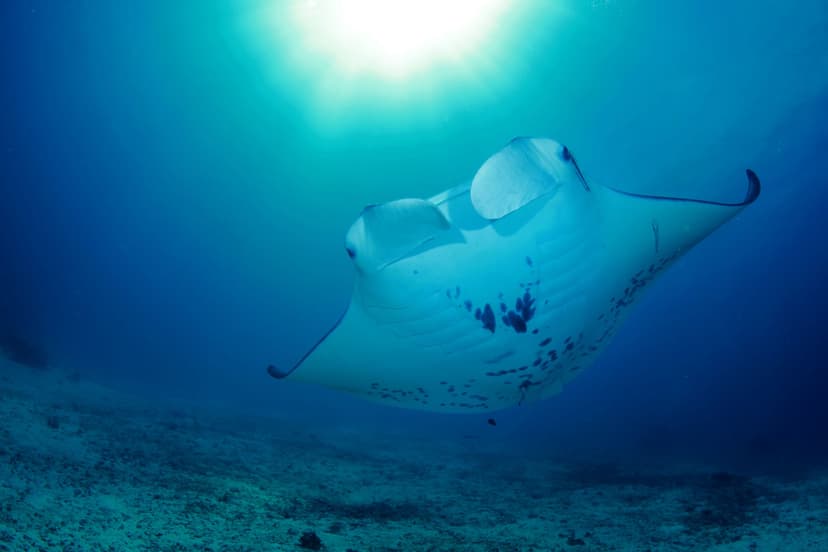
Raja Ampat Liveaboard Costs: From Value Boats to the Far South
Raja Ampat liveaboard fares by trip length and route, the two entry charges as they stand today, flights to Sorong, nitrox, gear and tips, and how the bill compares with Komodo.
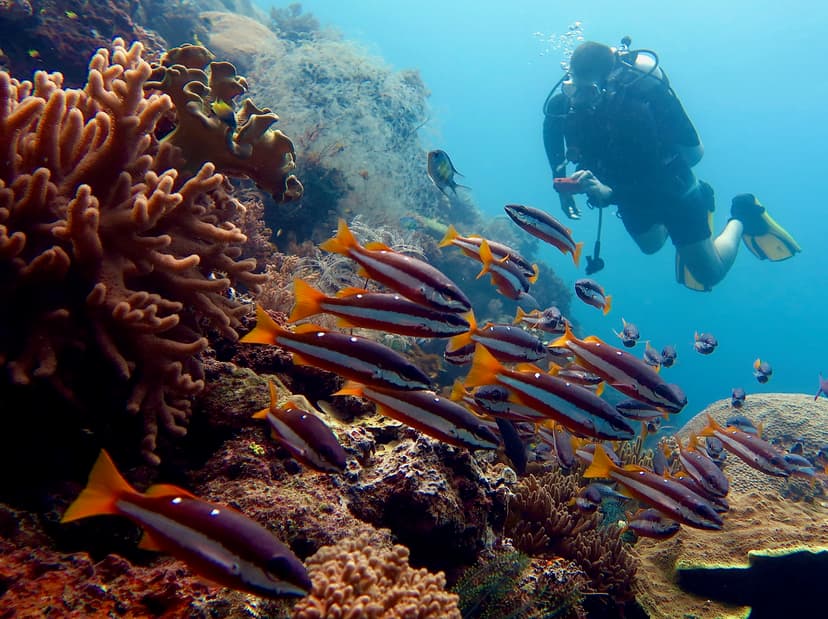
Raja Ampat Liveaboard or Resort? How to Choose
Where Raja Ampat's resorts and homestays are and which sites they reach, what only a liveaboard covers in one trip, what a day on each looks like, who each suits, the mid-year season and how the costs compare.