Manta Ray Trip Planner: Reef vs Giant Mantas, Where to Go and When to Book
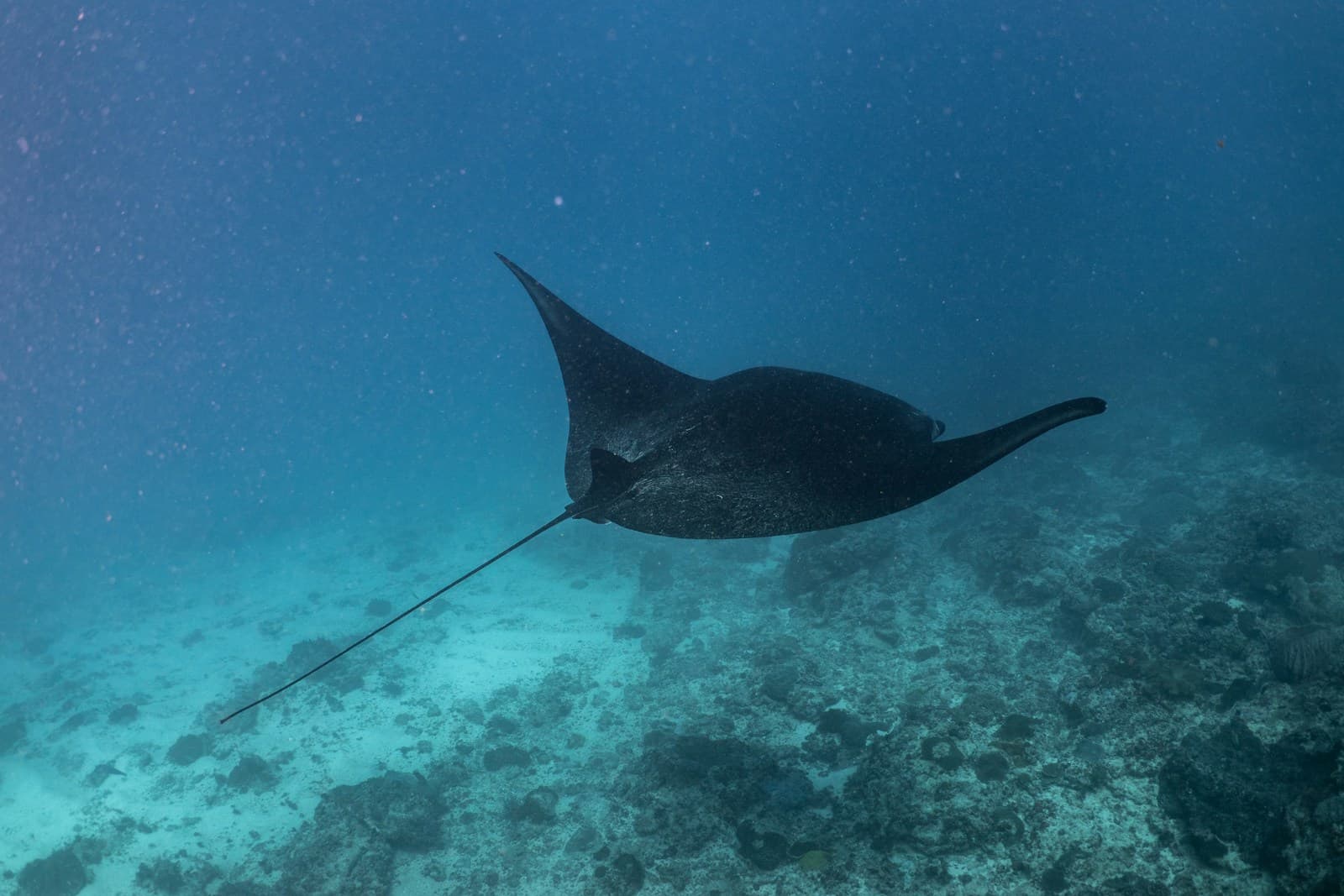
There are two manta species divers encounter, and they're not the same animal. Knowing which you're targeting — and when and where each aggregates — is the difference between a memorable week and one that misses what you came for.
- Reef manta ray (Mobula alfredi) — smaller (3–4 metre wingspan), coastal, seen at cleaning stations in the Maldives, Indonesia, Fiji, and similar warm-water reef destinations.
- Giant oceanic manta ray (Mobula birostris) — larger (up to 7 metres), pelagic, seen reliably at only a handful of sites worldwide. Socorro is the flagship.
This guide is the trip-planning side: which manta you're after, where to go (including a few resort and day-boat options we don't sell), rough costs and how far ahead to book. For month-by-month sighting odds and water temperatures across the eight liveaboard destinations we book, use our manta ray season calendar.
The nine destinations
Socorro (Mexico) — giant mantas
- Season: November–May
- Peak: January–April
- Species: giant oceanic mantas
- Encounter type: cleaning stations (The Boiler, San Benedicto), active interaction with divers
- Cost: US$3,500–US$7,500 per week
The premier giant manta destination on earth. Mantas here engage with divers, circling and holding position in bubbles. See our Socorro guide and Socorro month-by-month.
Maldives — Hanifaru Bay (Baa Atoll)
- Season: June–November
- Peak: August–October
- Species: reef mantas (large aggregations)
- Encounter type: feeding on plankton in shallow bay, snorkel only (no scuba permitted in the bay)
- Cost: Included in Maldives liveaboard itineraries
UNESCO Biosphere site. Documented feeding events with 100+ mantas in a single session. The highest concentration of reef manta encounters anywhere. Requires liveaboard access during the southwest monsoon; see our Maldives month-by-month guide.
Raja Ampat — Dampier Strait (Indonesia)
- Season: December–March
- Peak: January–February
- Species: reef mantas (some giant mantas reported)
- Encounter type: cleaning stations, schooling feeding aggregations at Manta Sandy
- Cost: US$3,500–US$7,500 per 10-day liveaboard
Primary manta season at the world's most biodiverse reef system. Combines with apex reef diving. See Raja Ampat month-by-month.
Komodo — Manta Alley (Indonesia)
- Season: year-round, peak December–April
- Peak: January–March
- Species: reef mantas
- Encounter type: cleaning stations, drift dives
- Cost: US$2,500–US$5,000 per week liveaboard
Reliable year-round, with peak aggregations in the wet season. Often included in Komodo-Labuan Bajo liveaboard itineraries.
Yap (Micronesia)
- Season: December–April
- Peak: January–March
- Species: reef mantas
- Encounter type: channel dives through Mil Channel, cleaning stations
- Cost: US$2,500–US$5,500 per week resort-based
One of the most reliable reef manta destinations during the December–April season. Resort-based, not liveaboard.
Fiji — Kadavu and others
- Season: April–October
- Peak: May–August
- Species: reef mantas
- Encounter type: cleaning stations, schooling
- Cost: US$3,500–US$6,500 per week resort-based
Southern hemisphere seasonal window. Often combined with Fiji's shark-diving destinations for a two-week trip.
Ecuador — Isla de la Plata
- Season: June–October
- Peak: July–September
- Species: giant oceanic mantas
- Encounter type: day-trip diving from the coast
- Cost: US$100–US$250 per day diving, from Puerto López
A lesser-known giant manta destination. Day-boat diving from the Ecuadorian mainland. Quieter and cheaper than Socorro, but with less predictable conditions.
Revillagigedo (extended beyond Socorro)
See Socorro entry. Same archipelago, same window.
Mozambique — Tofo
- Season: June–November
- Peak: July–October
- Species: reef mantas + occasional giant mantas
- Encounter type: feeding aggregations, occasional cleaning stations
- Cost: US$1,500–US$3,500 per week shore-based
One of the lesser-known but reliable manta destinations, especially for divers based in southern Africa or Europe willing to fly via Johannesburg.
Booking by goal
If you want the iconic giant manta encounter: Socorro, January–April.
If you want the largest aggregation numbers: Maldives Hanifaru, August–October.
If you want mantas + reef biodiversity together: Raja Ampat Dampier Strait, January–February.
If you want reef mantas year-round: Komodo (peak December–April) or Yap (peak December–April).
If you're on a budget: Mozambique (July–October) or Komodo off-peak.
The four months that dominate the calendar
If you can only pick one month for a manta-focused year, here's how it stacks up:
- February: Socorro + Raja Ampat both peaking. Best single month globally for manta diversity.
- August–September: Maldives Hanifaru at peak. Highest aggregation numbers.
- January: Socorro peak overlaps with reef manta destinations in the northern Indian Ocean.
- April: Socorro late-season warm water, reef manta destinations in the southwest Pacific still open.
Booking lead times for 2026
- Socorro peak weeks (Jan–Mar): 9–12 months ahead
- Maldives peak weeks (Aug–Oct): 6–9 months ahead
- Raja Ampat peak weeks (Jan–Feb): 9–12 months ahead
- Komodo and Yap: 4–6 months usually sufficient
- Mozambique and Fiji: 3–6 months
How we help
We'll ask three questions to route the right trip:
- Reef mantas or giant oceanic mantas?
- Your target month (or a flexible range)?
- Are you combining this with other species (whale sharks, sharks, reef diving)?
From those, we'll recommend the specific destination, operator tier, and cabin that delivers what you're targeting.
Related Articles
The Complete Liveaboard Packing Guide
What to bring, what to leave behind, and the gear essentials that experienced liveaboard divers swear by.
First-Time Liveaboard: What to Expect Day by Day
Never done a liveaboard? Here's the inside scoop on the schedule, the meals, the diving, and the delightful chaos.