Hammerhead Season Around the World: Where and When in 2026
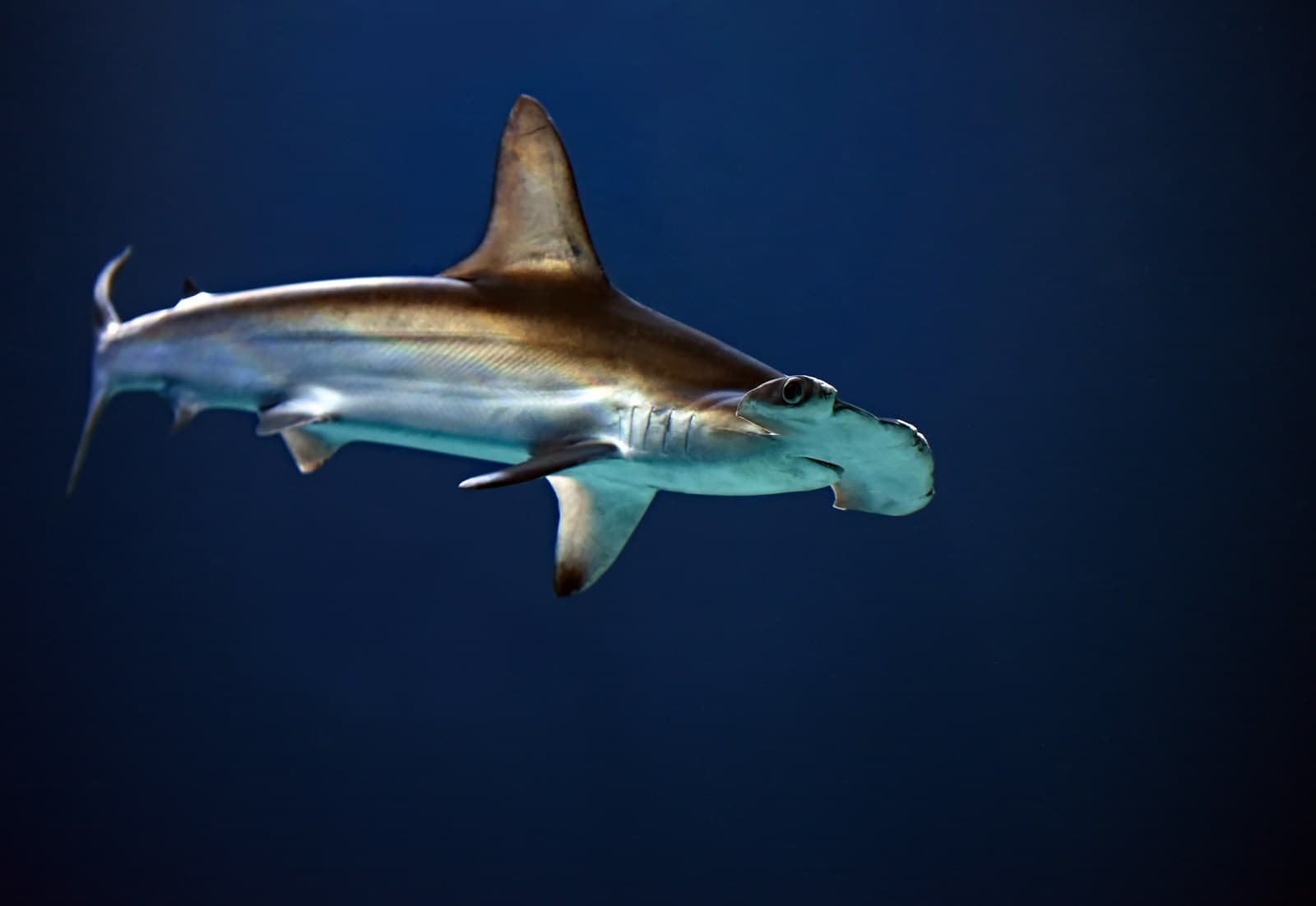
Hammerheads are among the most photographable sharks on earth, and seeing them in numbers is one of the signature dive experiences. The catch: they aggregate on specific cues (temperature, current, seamounts, breeding cycles) that change dramatically between hemispheres and species.
This guide is the calendar of where and when hammerhead encounters are realistic in 2026, broken out by destination and species. Three species matter for divers:
- Scalloped hammerhead (Sphyrna lewini) — the schooling species. What most people picture.
- Great hammerhead (Sphyrna mokarran) — larger, usually solitary, iconic encounters in Bimini.
- Smooth hammerhead (Sphyrna zygaena) — colder water, less schooling, less targeted.
The eight destinations
Cocos Island (Costa Rica)
- Species: scalloped hammerheads (primary), plus tigers, silkys, whitetips
- Peak season: June–November
- Off-season: December–May (quieter, still present)
- Encounter type: large schools at cleaning stations, 100–300+ animals on best days
- Requirement: advanced, 50+ dives, 10-day liveaboard commitment
- Cost: US$5,500–US$8,500 per week all-in
The destination where the most concentrated hammerhead school experience on earth happens. Full Cocos guide.
Galápagos — Darwin & Wolf (Ecuador)
- Species: scalloped hammerheads (primary), plus whale sharks
- Peak season: June–November
- Off-season: December–May (warmer water, smaller schools)
- Encounter type: large schools in current, often with whale sharks in the same week
- Requirement: advanced, 100+ dives recommended, 7–10 night liveaboard
- Cost: US$5,500–US$10,000+ per week all-in
Iconic. Darwin specifically is the single most famous hammerhead dive site in the world. Full Galápagos guide.
Malpelo Island (Colombia)
- Species: scalloped hammerheads (primary), plus galapagos sharks, silkys
- Peak season: June–November
- Off-season: December–May
- Encounter type: schools in current, remote location
- Requirement: advanced, 50+ dives, 10-night liveaboard
- Cost: US$4,500–US$7,000
The "Colombian Cocos." Same eastern Pacific seamount system, less famous, fewer visitors. Logistics are harder (charter out of Buenaventura), but it delivers a less-crowded version of Cocos-caliber diving. Less commercially developed.
Bimini, Bahamas
- Species: great hammerheads (primary), plus tigers, bulls
- Peak season: December–March
- Off-season: April–November
- Encounter type: individual great hammerheads on baited dives, often with surface intervals showing
- Requirement: intermediate+, comfort with shark dives, day-boat based
- Cost: US$2,500–US$5,000 for a week of day-trip diving
The only place in the world where great hammerhead encounters — a much larger, solitary species — are reliable. Winter-specific; animals aggregate in Bimini's shallow banks to hunt stingrays during these months. Very different experience from scalloped hammerheads of the Pacific.
Fuvahmulah, Maldives
- Species: scalloped hammerheads, plus tiger sharks
- Peak season: January–March
- Off-season: April–December (present but less reliable)
- Encounter type: deep drift dives, schools in blue water
- Requirement: advanced, 50+ dives, strong current swimming
- Cost: US$1,500–US$3,500 per week package
A Maldives destination that operates as a specialist shark destination, not the mainstream atoll experience. Different trip profile; standalone Fuvahmulah weeks rather than a liveaboard include.
Red Sea — Daedalus Reef (Egypt)
- Species: scalloped hammerheads (primary)
- Peak season: June–August
- Off-season: rest of year (reef still dives, hammerheads rare)
- Encounter type: schools hovering at the reef's plateau, often 20–30m
- Requirement: intermediate+, comfortable in current
- Cost: US$1,800–US$3,500 per liveaboard week
Hammerheads in the Red Sea are specifically a Daedalus phenomenon in summer. If you're already planning a Red Sea trip, this is the window to target. See our Red Sea month-by-month guide for context.
Layang Layang (Malaysia)
- Species: scalloped hammerheads
- Peak season: April–July
- Off-season: remote and seasonal access
- Encounter type: schools in open water off atoll wall
- Requirement: advanced, 50+ dives, remote logistics
- Cost: US$2,500–US$4,500 per week resort-style
A niche South China Sea destination. Quieter than the Pacific destinations, seasonal access only (April–August typically).
Socorro (Mexico)
- Species: scalloped hammerheads (occasional schools at Roca Partida)
- Peak season: January–May (during main Socorro season)
- Off-season: June–October (operators closed)
- Encounter type: schools passing at deep blue-water sites
- Requirement: advanced, 50+ dives
- Cost: US$4,500–US$7,500 per week
Hammerheads are not the primary reason to book Socorro — mantas and whales are — but Roca Partida can deliver school encounters on the right day. See our Socorro guide.
Booking by species
If you want great hammerheads: Bimini, December–March. Only reliable option worldwide.
If you want scalloped hammerheads in schools of 100+: Cocos June–November, or Galápagos June–November. These are the top-tier options.
If you want scalloped hammerheads on a budget: Red Sea Daedalus July, or Fuvahmulah January–March.
If you want hammerheads + other pelagics together: Galápagos (whale sharks) or Socorro (mantas + whales).
Best 2026 weeks to target
- Cocos: third week of August
- Galápagos: last week of August through first week of September
- Bimini: second or third week of February
- Red Sea Daedalus: last week of July
- Fuvahmulah: first two weeks of February
- Malpelo: first week of September
Most of these require 6–12 month advance booking for premium operators.
How we help
We'll match you to the destination, operator, and week that gives the best odds for the specific hammerhead encounter you're after. For photographers especially, timing matters enormously; we can fine-tune the trip to the week where tides, currents, and aggregation patterns historically align.
Related Articles
The Complete Liveaboard Packing Guide
What to bring, what to leave behind, and the gear essentials that experienced liveaboard divers swear by.
First-Time Liveaboard: What to Expect Day by Day
Never done a liveaboard? Here's the inside scoop on the schedule, the meals, the diving, and the delightful chaos.