Cocos Island: The Definitive Guide to Hammerhead Heaven
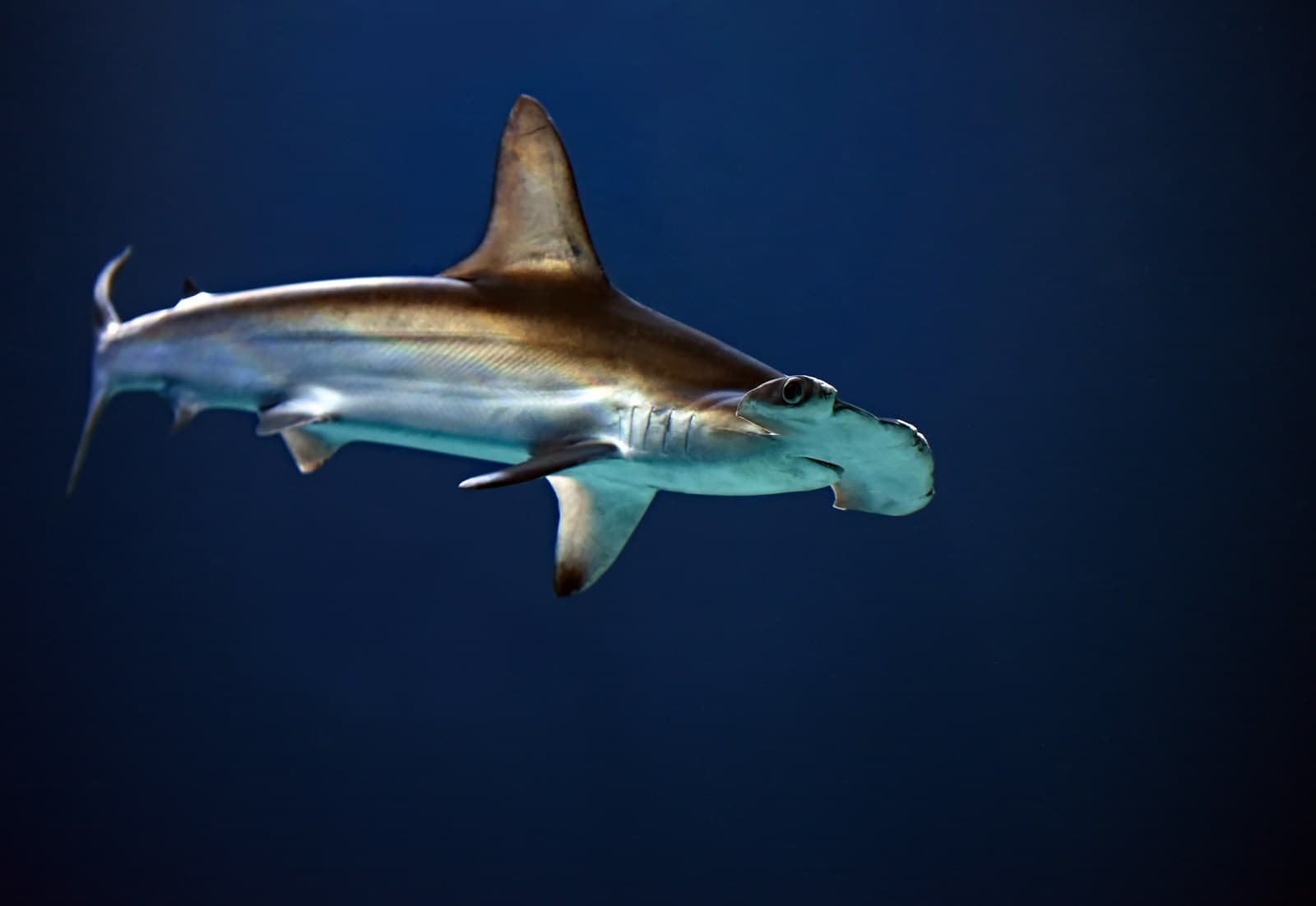
Let's start with the central fact that defines a Cocos trip: you spend 36 hours at sea in each direction to reach one uninhabited volcanic island 550 kilometres off the Costa Rican coast. That's three full days of your 10-day trip dedicated to crossings. It's the longest scheduled open-ocean transit in mainstream liveaboard diving.
You do it because Cocos delivers the single most concentrated hammerhead shark experience on earth.
This is the post most divers read about Cocos before they book one. We've consolidated everything we'd tell a client considering the trip: what it is, what it costs, how it compares to Galápagos, who should go, and who definitively should not.
What Cocos Island is
A 24 square kilometre uninhabited volcanic island in the eastern Pacific, under Costa Rican sovereignty, declared a National Park in 1978 and a UNESCO World Heritage Site in 1997. The surrounding marine area has been progressively protected, with the Seamounts Marine Management Area added in 2011 extending no-take protection significantly offshore.
Only ranger stations are permanently staffed. No tourism infrastructure. No day diving. You come by liveaboard or you don't come at all.
The hammerhead science
The scalloped hammerheads that congregate at Cocos are doing something specific: they school at seamounts during the day to be cleaned by king angelfish and other cleaner species. The iconic images — hundreds of hammerheads hovering in current at 20–40 metres as cleaner fish work their bodies — are of sharks doing a routine biological behaviour, not reacting to divers.
Individual schools of 300+ hammerheads are documented. Peak aggregations happen in the rainy/current season (June–November), when nutrient-rich water drives the pelagic activity. The diving during this window is more demanding — more current, occasionally reduced visibility — but the encounters justify the conditions.
What else you'll see
Cocos is a pelagic site, and the hammerheads are just the headline act. On a normal trip you can expect:
Tiger sharks. Resident populations at specific sites (Manuelita Deep, Alcyone). Large animals, often approaching divers with curiosity. The tiger shark encounters at Cocos are arguably more predictable than anywhere else on earth.
Galápagos sharks, silky sharks, whitetip reef sharks. Often in the same dive. Whitetips sleep in stacks in shallow caves at Cocos — a photographable behaviour rare elsewhere.
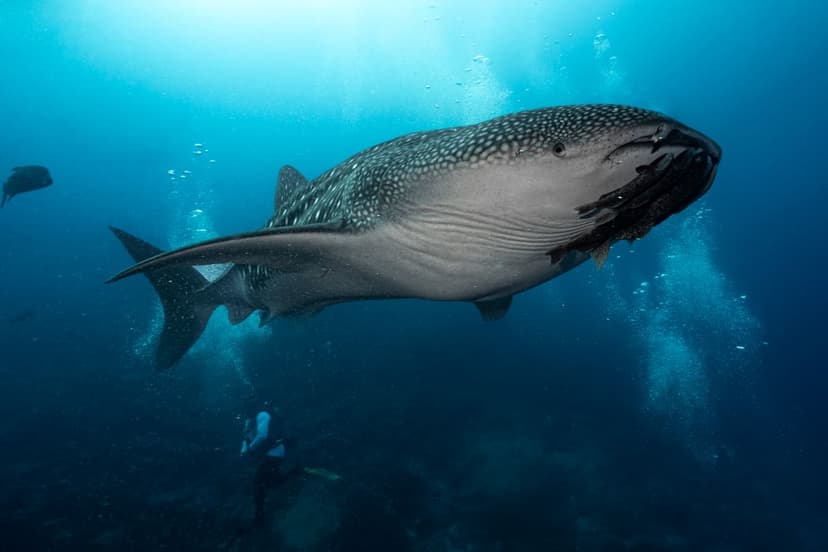
Whale sharks. Seasonal, mostly August–November. Not as reliable as Galápagos Darwin but present.
Schooling jacks, mobulas, mantas (less reliable than Socorro), dolphins, tuna in hunting groups, turtles, mola mola.
How Cocos compares to the Galápagos
These two destinations get lumped together. They're more different than they look.
| Cocos | Galápagos | |
|---|---|---|
| Flight access | Costa Rica (SJO) | Ecuador (UIO) + inter-island |
| Crossing time | 36 hours each way | 12–14 hours each way |
| Trip length | 10 days | 7–10 days |
| Main draw | Hammerhead schools, tiger sharks | Hammerhead schools, whale sharks |
| Water temp | 25–28°C | 18–28°C (variable) |
| Wetsuit | 5mm | 5–7mm, sometimes thicker |
| Diver requirement | 50+ dives, advanced | 50+ dives, advanced |
| Cost (typical) | US$5,500–US$8,000 | US$6,500–US$10,000 |
| Above-water variety | None (uninhabited) | Abundant (wildlife, geology) |
Simplified decision: if you want the maximum hammerhead school experience in warmer water, pick Cocos. If you want whale sharks plus above-water wildlife plus marine iguanas, pick Galápagos. Both are legitimate apex trips.
When to go
Two seasons with very different character:
Rainy/peak season (June–November). The big animal season. Cooler water, more current, plankton-rich water that draws the hammerheads closer in larger numbers. Visibility drops (15–25m typical) but the encounters are the reason to come. Whale sharks peak August–November.
Dry/calmer season (December–May). Clearer water (20–30m visibility), calmer crossings, fewer pelagic aggregations, more forgiving conditions generally. A reasonable Cocos trip but not the iconic one. Tigers are still resident and active.
Most photographers planning a bucket-list Cocos trip target August–November. Repeat visitors or divers prioritising comfort sometimes pick April.
The trip itself
A standard Cocos itinerary:
- Day 0: fly to San José, transfer to Puntarenas (Pacific coast), board boat in evening.
- Days 1–1.5: crossing. 36 hours of open ocean. Seasickness remedies earn their keep here.
- Days 2–7 or 8: diving at Cocos. Three to four dives per day, split across sites (Manuelita, Alcyone, Dirty Rock, Dos Amigos, Submerged Rock).
- Days 8–9: return crossing.
- Day 10: disembark Puntarenas, fly home.
Dives at Cocos are predominantly deep (20–40m) and current-exposed. Nitrox is strongly recommended and often required by operators. Expect to hang onto current hooks at cleaning stations for 20–30 minutes while watching the action pass.
What it costs
Real ranges from operator-published rates as of early 2026:
- 10-day liveaboard (mid-tier): US$5,500–US$7,000 per person, double occupancy
- 10-day liveaboard (premium): US$7,000–US$8,500+
- Park fees (additional): US$500+ per person for the trip
- Flights to Costa Rica: €800–€1,500 from Europe
- Pre/post hotel in San José: €100–€200
All-in for a European diver on a mid-tier Cocos trip: €6,500–€8,500.
Who it's for
Advanced divers with 100+ logged dives, serious current experience, and comfort with three-to-four-dive days in open ocean.
Clients who've done Galápagos and want the other apex trip. Many serious divers target both destinations in a single career.
Photographers targeting the specific shot — hammerhead walls at cleaning stations — that Cocos delivers better than anywhere else.
Who it's not for
New divers, casual divers, intermediate-experienced divers who are "pretty sure" they can handle currents. The dive sites at Cocos will find you out, and the trip is too expensive to be unable to use properly.
Divers who get seasick badly. The 36-hour crossing in each direction is real weather exposure. Medications help, but some people genuinely cannot tolerate open-ocean transits this long.
Clients traveling with a non-diving partner. There is no land to step on for 7 of the 10 days. The partner will be bored or miserable or both.
Budget divers. This is an expensive trip. The all-in cost is materially higher than a week in Raja Ampat or Red Sea. Don't pretend it isn't.
How to start planning
Three questions we'd want answered before recommending a boat and window:
- What's your logged dive count and longest previous trip?
- Which season are you targeting (August–November for peak pelagic, or April for calmer conditions)?
- Galápagos or Cocos as your one-and-only, or are you building toward both?
From there we can recommend a specific operator tier and year.
Tell us about your dive history →
- Diving the Galápagos: Hammerheads, Iguanas, and the Crossing to Darwin & Wolf — The natural comparison trip.
- A Boutique Liveaboard Agency, On Purpose — How we think about matching clients to apex destinations.
- Essential Safety Guide for Liveaboard Diving — Extra relevant for Cocos conditions.
Related Articles
%20-%20Large.jpg&w=828&q=75)
Best Time to Dive: A Season-by-Season Guide
When to visit the world's top liveaboard destinations for the best conditions and marine life encounters.
Galápagos Diving: What to Expect on Your First Trip
Hammerhead highways, curious sea lions, and currents that demand respect — here's what awaits in the enchanted islands.