When to Dive the Maldives: Month-by-Month Guide for 2026
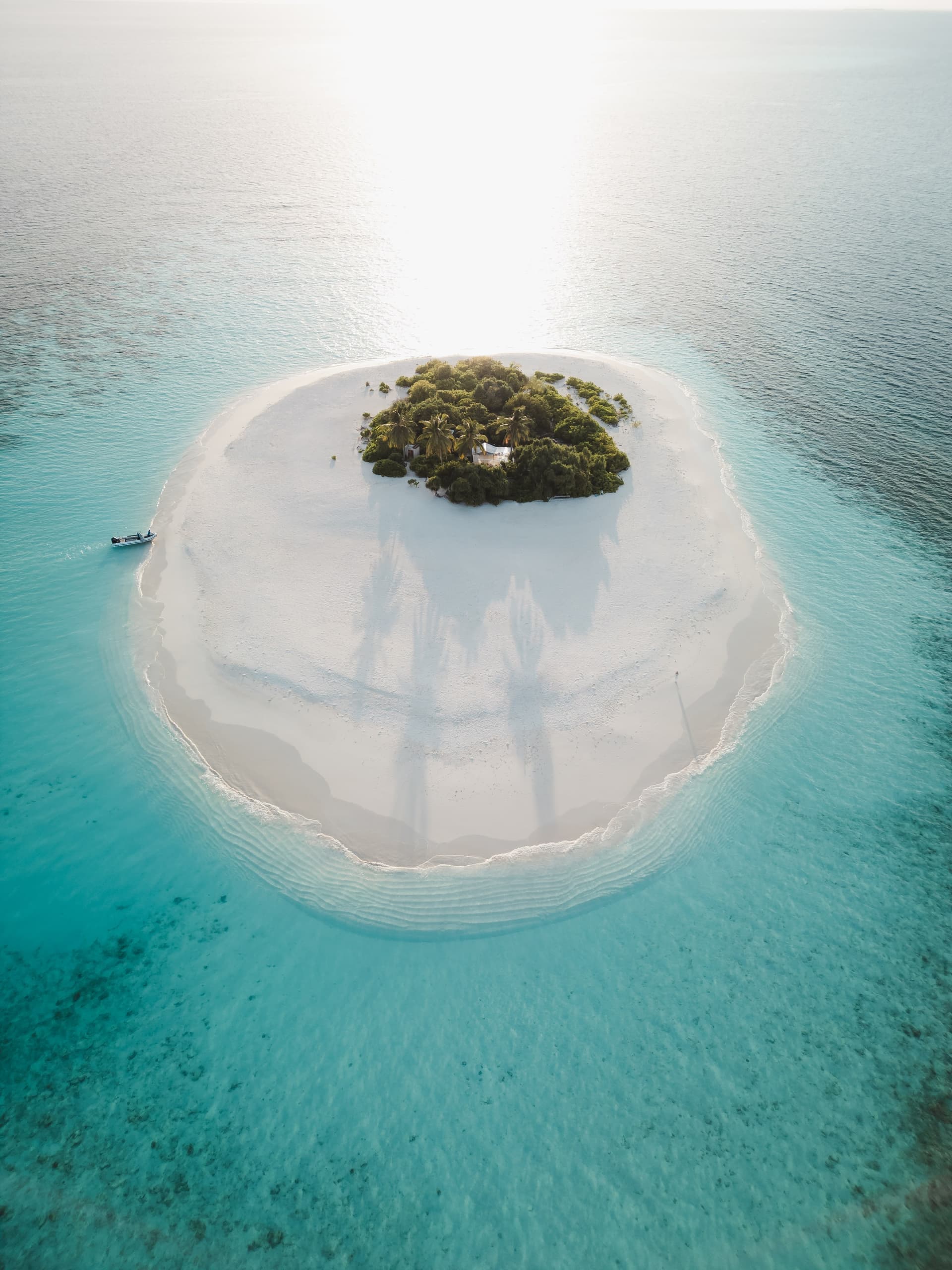
The Maldives has two seasons, driven by two monsoons. Most operator websites mash them together into one "year-round diving" claim. That's technically true and practically misleading. The truth is that the Maldives in February and the Maldives in August are almost different destinations, and knowing which one you're booking is the difference between seeing what you came for and missing it entirely.
This guide walks through the year, with specific focus on the two things most divers book the Maldives for: mantas and whale sharks.
The short answer
Mantas in Hanifaru Bay (Baa Atoll UNESCO site): June through November, peak August–October.
Whale sharks at South Ari: essentially year-round, best odds January–April.
Calmest conditions, best visibility, "classic" Maldives week: January through April (northeast monsoon / dry season).
Best hammerhead chances: January–March at Fuvahmulah (extreme southern atoll, distinct trip profile).
Below is the month-by-month detail.
The monsoon geography
The Maldives has two monsoons that determine which side of each atoll delivers what conditions:
- Northeast monsoon (December–April): dry season. Winds from the northeast. Plankton and nutrients push toward the eastern sides of the atolls, but western/southern sides generally calm with clearest water.
- Southwest monsoon (May–November): wet season. Winds from the southwest. Plankton pushes toward the western/southern sides, which drives the mantas and whale sharks that depend on it.
The practical effect: pelagic animals (mantas, whale sharks) concentrate on whichever side of the atoll the current is upwelling plankton toward. That side changes with the monsoon. Good operators rotate itineraries accordingly.
Month by month
January
- Water temp: 27–28°C
- Air temp: 25–31°C
- Rain: minimal
- Viz: excellent (30m+)
- Key species: whale sharks (South Ari), reef sharks, turtles
- Crowds: peak (European winter escape)
- Prices: peak
Dry season fully established. Eastern atolls (Male, Ari, Vaavu) dive beautifully. Whale sharks reliable at South Ari. Manta action limited to specific atolls.
February
- Water temp: 28°C
- Air temp: 26–31°C
- Rain: minimal
- Viz: excellent
- Key species: whale sharks, hammerheads (Fuvahmulah)
- Crowds: peak
- Prices: peak
Textbook "classic Maldives" conditions. Best odds for hammerheads at Fuvahmulah, which operates as a specialist destination. European school holiday weeks drive up prices sharply.
March
- Water temp: 28–29°C
- Air temp: 26–31°C
- Rain: minimal
- Viz: excellent
- Key species: whale sharks, tiger sharks (Fuvahmulah)
- Crowds: high
- Prices: high
Similar to February. One of the best all-round months. Water warming; 3mm comfortable for most divers.
April
- Water temp: 29°C
- Air temp: 26–32°C
- Rain: transition month
- Viz: still good
- Key species: last of northeast monsoon species
- Crowds: mid
- Prices: shoulder
End of dry season. Good diving still, but weather patterns start to shift. Prices soften after Easter weeks.
May
- Water temp: 29°C
- Air temp: 26–32°C
- Rain: increasing
- Viz: variable
- Key species: transition; mantas starting
- Crowds: low
- Prices: shoulder
Monsoon change. Weather can be dramatic. Operators adjusting itineraries. A transitional month most repeat divers skip.
June
- Water temp: 29°C
- Air temp: 26–32°C
- Rain: daily afternoon showers
- Viz: variable
- Key species: mantas arriving at Hanifaru
- Crowds: low–mid
- Prices: shoulder
Southwest monsoon properly established. Manta season opens at Hanifaru Bay. Western itineraries start delivering.
July
- Water temp: 28–29°C
- Air temp: 26–32°C
- Rain: regular
- Viz: mid (10–25m)
- Key species: mantas, whale sharks
- Crowds: mid
- Prices: mid
Peak manta month at Hanifaru begins. Whale sharks still present at South Ari. Viz lower but not problematic for pelagic diving.
August
- Water temp: 28–29°C
- Air temp: 26–32°C
- Rain: regular
- Viz: mid
- Key species: mantas (peak)
- Crowds: high (European holidays)
- Prices: high
Peak manta month at Hanifaru. Upwards of 100 mantas have been recorded feeding in a single session. If mantas are your goal, this is the window.
September
- Water temp: 28–29°C
- Air temp: 26–32°C
- Rain: heavy at times
- Viz: mid
- Key species: mantas, whale sharks
- Crowds: mid
- Prices: mid
Manta action continues. Weather can interrupt. Value window if you can tolerate some rain.
October
- Water temp: 28°C
- Air temp: 26–32°C
- Rain: tapering
- Viz: improving
- Key species: mantas (still strong)
- Crowds: mid
- Prices: shoulder
Another transition month. Weather calming. Mantas still at Hanifaru but numbers thinning through the month.
November
- Water temp: 28°C
- Air temp: 25–32°C
- Rain: tapering
- Viz: good
- Key species: late mantas, transition
- Crowds: mid
- Prices: shoulder–mid
Dry season returning. Last weeks of the manta season overlap with the first weeks of the dry. One of the sleeper months if you can tolerate some weather variability.
December
- Water temp: 27–28°C
- Air temp: 25–31°C
- Rain: minimal
- Viz: excellent
- Key species: whale sharks at South Ari picking up
- Crowds: peak (Christmas)
- Prices: peak
Dry season re-established. Christmas and New Year weeks command premium pricing. Excellent diving but you're paying for it.
Deciding which window
"I want mantas": August is peak. July–October is the window.
"I want whale sharks": January–April is best; possible year-round at South Ari.
"I want the classic calm-water postcard Maldives": January–March.
"I want value": May or November. Weather-variable but half the peak prices.
"I want hammerheads or tigers": Fuvahmulah January–March. This is a distinct trip with specific risks and rewards.
How we help
Tell us which species is on your life list and what weeks you have, and we'll tell you which atoll to prioritise and which operator is running the right itinerary for that window.
- When to Dive the Red Sea: Month-by-Month Guide for 2026 — Different seasonality, overlapping decision.
- Manta Ray Encounter Calendar: Destinations by Month — Maldives mantas in global context.
- Red Sea vs Maldives vs Raja Ampat: First-Liveaboard Decision Guide — How to choose.
Related Articles
The Complete Liveaboard Packing Guide
What to bring, what to leave behind, and the gear essentials that experienced liveaboard divers swear by.
First-Time Liveaboard: What to Expect Day by Day
Never done a liveaboard? Here's the inside scoop on the schedule, the meals, the diving, and the delightful chaos.