Best Liveaboards in the Maldives: 2026 Comparison Guide
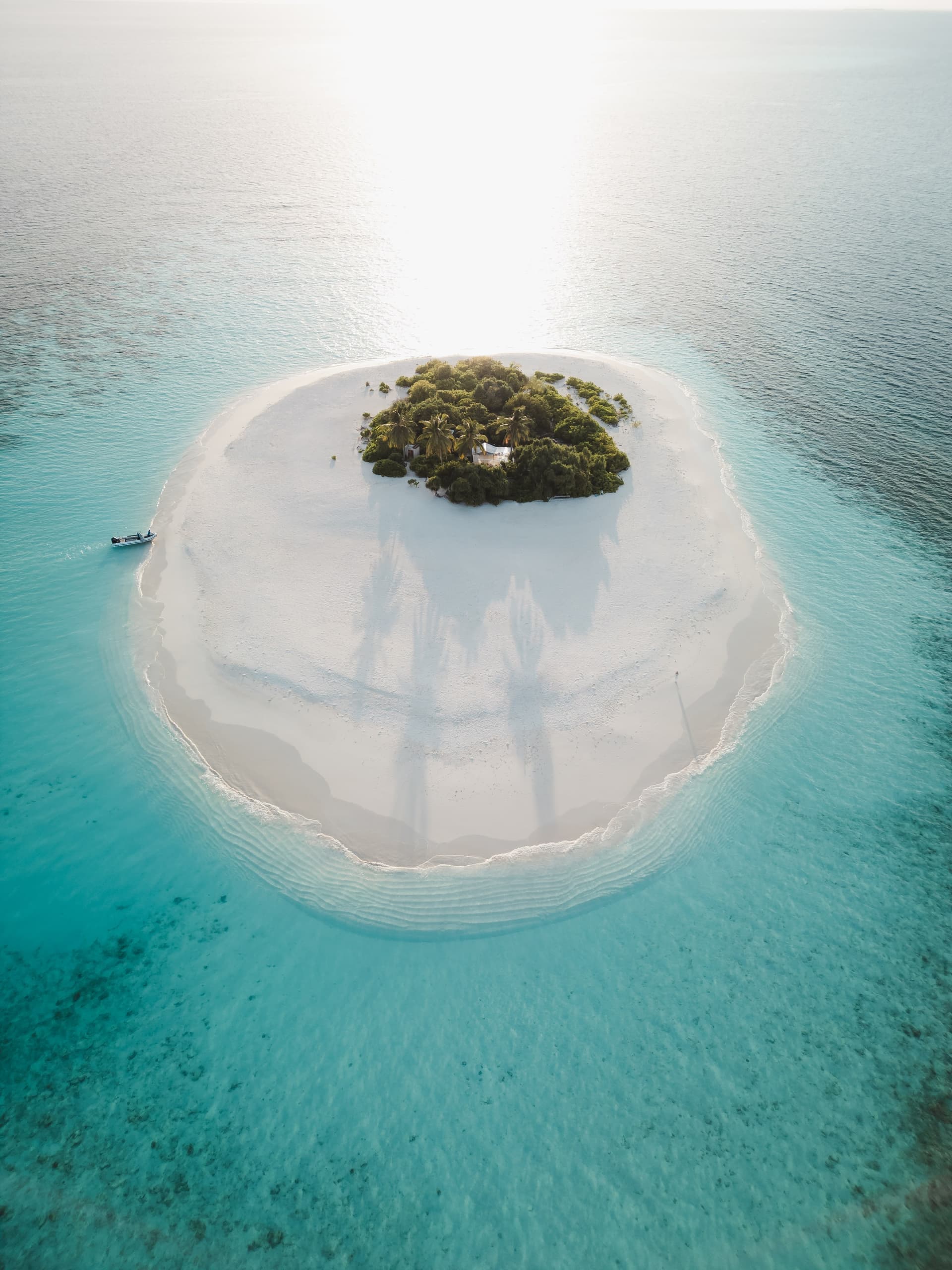
The Maldives is one of the world's great liveaboard destinations. Manta rays the size of cars. Whale sharks cruising past you in blue water. Channels packed with grey reef sharks. And all of it set against the backdrop of impossibly turquoise atolls.
But here is the thing — there are over 150 liveaboards operating in the Maldives. Choosing the right one can feel overwhelming. Prices range from $1,500 to $15,000 per trip, and the differences between boats are not always obvious from a website.
Let us break it down so you can find the right boat for your trip.
Understanding the Maldives Liveaboard Market
The Tiers
Maldives liveaboards generally fall into four categories:
Budget ($1,200 to $2,000 per week)
- Smaller boats, often converted fishing dhonis
- Basic but clean cabins, shared bathrooms common
- Good diving at a fraction of the cost
- Fewer amenities (no jacuzzi, simpler food)
- Ideal for divers who care more about what is under the water than what is on it
Mid-range ($2,000 to $3,500 per week)
- Purpose-built dive boats with en-suite cabins
- Good food, comfortable common areas
- Professional dive operations with Nitrox available
- The sweet spot for most serious divers
- Best value for money in terms of diving quality vs comfort
Premium ($3,500 to $6,000 per week)
- Larger vessels with spacious cabins
- Excellent cuisine, often with a dedicated chef
- Sun decks, lounges, sometimes a spa
- Smaller guest-to-guide ratios
- For divers who want comfort without going overboard
Luxury ($6,000 to $15,000 per week)
- Superyacht-level vessels
- Huge suites, gourmet dining, premium beverages
- Often combined with non-diving activities (surfing, fishing, island excursions)
- Perfect for couples where one dives and one does not
- The boat itself is part of the experience
What Actually Matters
Price does not always equal quality, at least not where it counts most. Here is what to look at beyond the photos:
- Dive operation quality: How many guides per group? What is the maximum group size? Do they use tenders (dhonis) for dive logistics? The best Maldives operations use a separate dive dhoni so the main vessel can reposition while you dive.
- Route flexibility: Does the captain adjust the itinerary based on conditions and sightings? Rigid routes miss opportunities. The best boats follow the marine life.
- Safety equipment: Oxygen kits, first aid, AED, life rafts, EPIRB. Ask specifically.
- Nitrox availability: Almost essential in the Maldives given the number of dives per day (3 to 4). Most mid-range and above include it or charge a small supplement.
- Crew experience: Maldivian dive guides who have been working the channels for years are worth their weight in gold. They read the currents, know where the mantas clean, and understand the reef intimately.
Routes: Where Will You Go?
Maldives liveaboard routes vary by season and are one of the most important factors in your trip.
Central Atolls (Male, Ari, Vaavu, Meemu)
The classic route. Most boats operate here, and for good reason:
- South Ari Atoll: Whale sharks almost guaranteed year-round at Dhigurah and Maamigili
- North Male channels: Grey reef sharks, whitetips, eagle rays
- Vaavu: Famous for night diving with nurse sharks and mantas at certain sites
- Best for first-time Maldives divers who want a greatest-hits experience
Southern Atolls (Huvadhoo, Addu, Fuvahmulah)
Fewer boats venture south, which means less crowded diving:
- Huvadhoo: Wide channels, big pelagic action, pristine reefs
- Fuvahmulah: Tiger sharks, thresher sharks, oceanic mantas, and whale sharks — one island with an absurd concentration of megafauna
- Addu: Southernmost atoll, unique marine life mix, WWII wreck (British Loyalty)
- Best for experienced divers seeking less-dived reefs and bigger animals
Deep South Expeditions
Some operators run extended 10 to 14-night itineraries from Male all the way down to Addu and back. These are expedition-style trips covering enormous distances and visiting atolls rarely seen by divers. Premium pricing but truly exclusive diving.
Northern Atolls (Baa, Raa, Lhaviyani)
- Baa Atoll: UNESCO Biosphere Reserve, famous for Hanifaru Bay — a site where hundreds of mantas and whale sharks gather to feed (June to November)
- Shallower diving overall, excellent for wide-angle photography
- Best visited during the southwest monsoon season
Seasonal Considerations
The Maldives has two monsoon seasons that affect diving conditions:
Northeast Monsoon (December to April) — "Dry Season"
- Calmer seas, better visibility (20 to 40 metres)
- Best for the central and southern atolls
- Peak season: higher prices, book well in advance
- Manta rays more common on the eastern sides of atolls
Southwest Monsoon (May to November) — "Wet Season"
- More plankton in the water, slightly lower visibility (10 to 25 metres)
- But: More manta rays, better whale shark encounters, Hanifaru Bay action
- Lower prices, fewer boats operating
- Best for the western sides of atolls and Baa Atoll
- Not actually that rainy — "wet season" is misleading
Pro tip: Some of the best Maldives diving happens in the shoulder months — May/June and November/December — when you get decent weather, good marine life, and better availability.
What to Look for When Booking
Questions to Ask
Before you put down a deposit, get answers to these:
- What route will we take, and how flexible is it?
- How many guests and how many dive guides?
- Is Nitrox included or extra?
- Are marine park fees included in the price?
- What is the cancellation policy?
- What safety equipment is on board?
- Is there a dive dhoni, or do we dive from the main vessel?
- What happens if weather forces a route change?
Red Flags
- Boats that never adjust their route regardless of conditions
- No mention of safety equipment on the website
- Very large guest-to-guide ratios (anything above 6:1 is concerning)
- Prices that seem too good to be true (they usually are)
- No recent reviews from actual divers
Green Flags
- Crew who have been with the boat for multiple seasons
- Flexible itinerary based on conditions
- Small group sizes (4:1 guide ratio is excellent)
- Transparent pricing with all fees listed upfront
- Active responses to reviews, especially negative ones
Our Honest Advice
The Maldives is incredible at every price point. You do not need a luxury superyacht to have world-class diving. A well-run mid-range boat with experienced guides will show you mantas, sharks, and pristine reef just as effectively as a boat costing three times more.
What matters most is:
- The route and season — this determines what you see
- The crew — experienced guides make all the difference
- The dive operation — well-maintained equipment, good logistics, sensible group sizes
If those three things are right, you will have an unforgettable trip regardless of whether your cabin has a porthole or a panoramic window.
Trying to narrow down the right Maldives liveaboard for your trip? Tell us your dates, budget, and what you want to see, and we will give you honest recommendations.
- Maldives Diving: Atolls, Seasons, and What to Expect — Understanding atolls, routes, and seasons
- How Much Does a Liveaboard Trip Really Cost? — Full budget breakdown for Maldives trips
- How to Choose the Right Liveaboard for Your Level — Matching your experience to the right boat
Related Articles
%20-%20Large.jpg&w=828&q=75)
Best Time to Dive: A Season-by-Season Guide
When to visit the world's top liveaboard destinations for the best conditions and marine life encounters.
Galápagos Diving: What to Expect on Your First Trip
Hammerhead highways, curious sea lions, and currents that demand respect — here's what awaits in the enchanted islands.