Mexico liveaboard diving at a glance: trips from €2,914 per person · best months Summer and Autumn · intermediate · known for sea lions, mobulas, whale sharks. 7 listed departures.
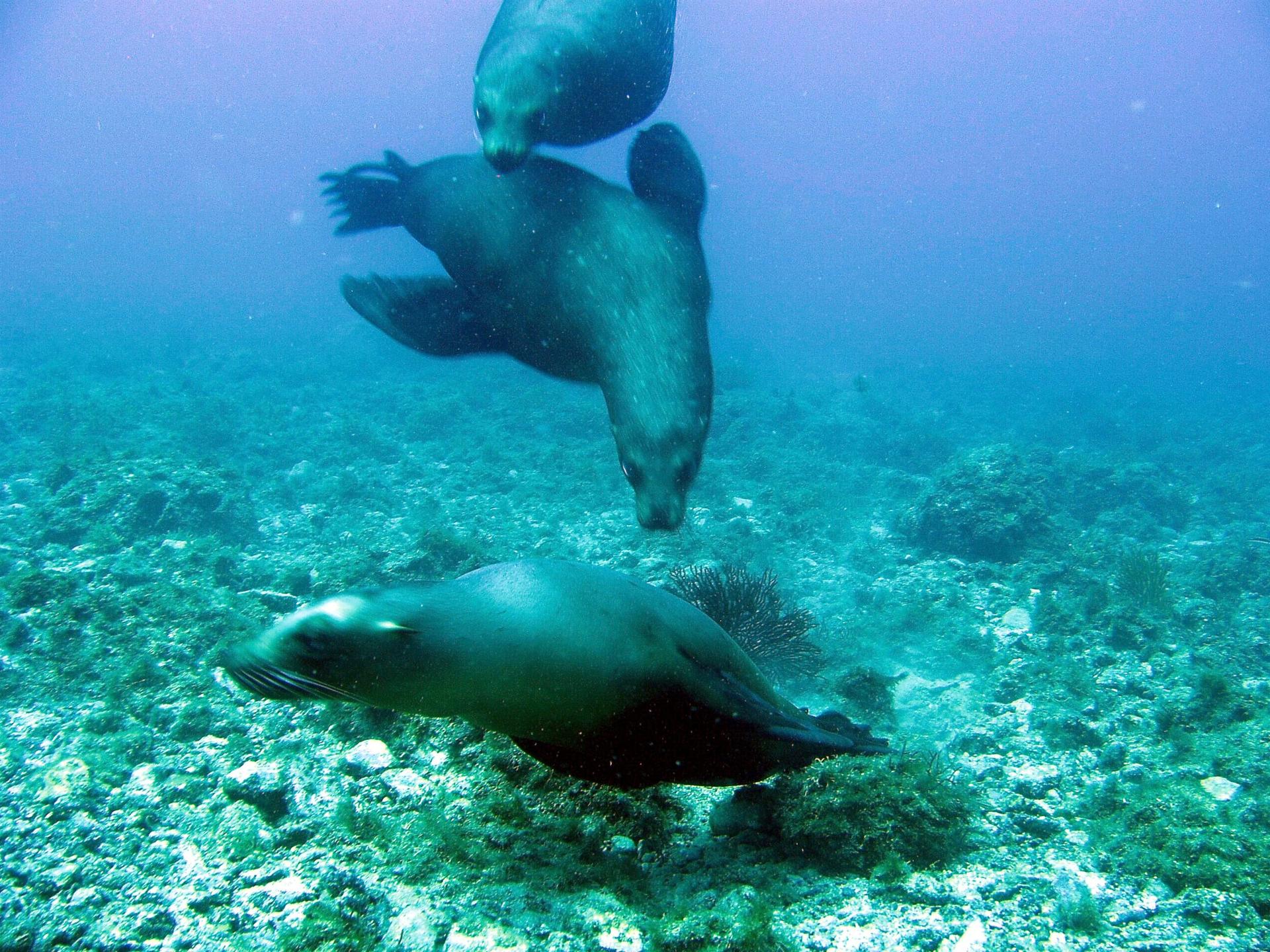
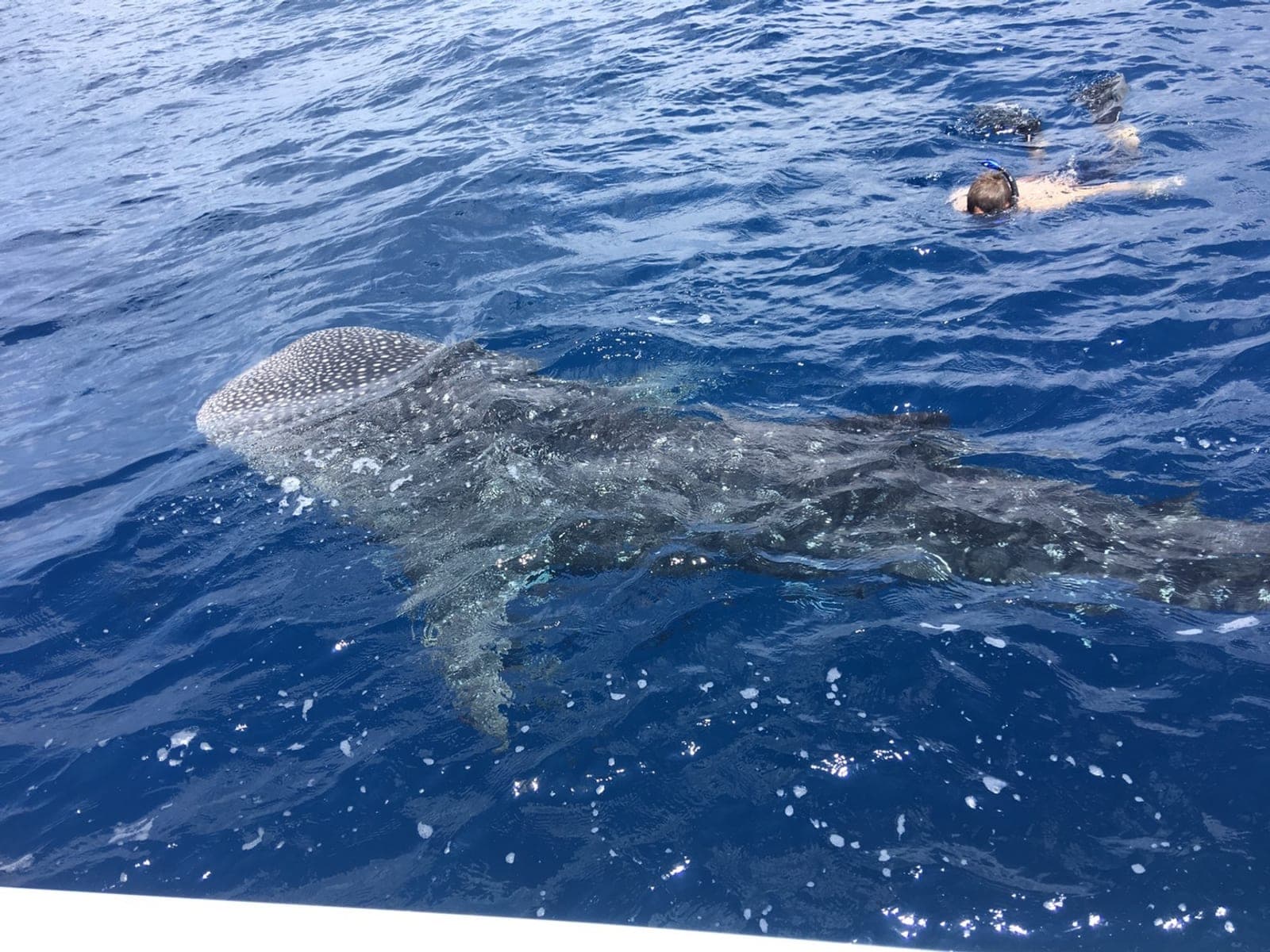
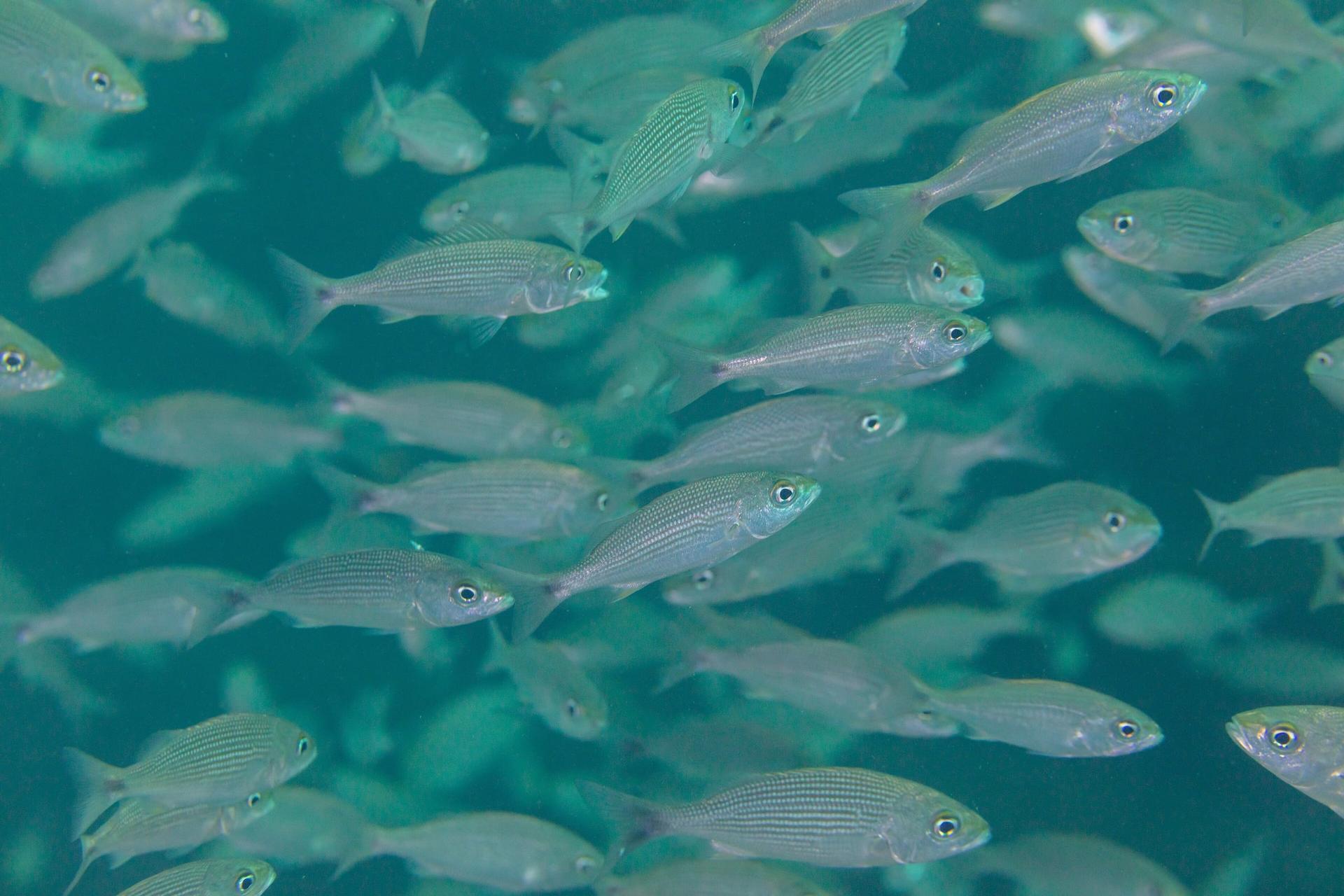
Sea of Cortez liveaboard diving in summer means the Midriff Islands, the chain of islands that crosses the narrow middle of the Gulf of California. The tide forces water through the channels between them, and that upwelling makes this one of the most productive stretches of the whole Gulf. Underwater it is rocky reef and wall rather than coral: black coral, big schools of fish, king and Cortez angelfish, octopus and morays, and plenty of macro for the patient. California sea lions live on the islands, and the young ones often come over to look at divers. In Bahía de los Ángeles, juvenile whale sharks feed in the bay through the summer.
Our 7-night trips start and end in Puerto Peñasco (Rocky Point) in Sonora, at the top of the Gulf, about four hours by road from Phoenix. The boat sails overnight to Isla Ángel de la Guarda, spends two days each there and at Isla San Pedro Mártir, dives Salsipuedes and Las Ánimas, and stops in Bahía de los Ángeles to snorkel with whale sharks before heading back. That gives six diving days with three or four dives a day, including night dives, all from inflatable tenders. In October we also sell a 12-night trip that runs the length of Baja, from San José del Cabo north to Puerto Peñasco: Cerralvo, Espíritu Santo and the Salvatierra wreck off La Paz, the islands of Loreto's national park, then the Midriff. Socorro, out in the Pacific, is a different trip with its own page.
This is diving for most certified divers. The operator asks for Open Water certification and at least 10 logged dives, and every diver must carry a dive computer, a surface marker buoy and a whistle. The guides lead the dives but don't teach, so you need to manage your own buoyancy. Current is usually mild to moderate. The bigger surprises are thermoclines, which can drop the temperature by several degrees in a few metres, and plankton or krill that can cut visibility early in the season. When sea lions come close, stay still and keep your hands to yourself; they lose interest in divers who chase them. The trips are also good for snorkellers, so a non-diving partner has plenty to do.
Summer, Autumn
sea lions, mobulas, whale sharks
intermediate
Mexico liveaboard prices by route
From our live calendar: per person sharing, the lowest cabin, in euros, before park fees, nitrox and tips. Other currencies are shown as a guide at today's rate; you always pay in euros.
| Route | Nights | From | Per night | Sails |
|---|---|---|---|---|
| Sea of Cortez — Midriff Islands | 7 | €2,914 | €416 | Jul, Aug, Sep (6 dates) |
| Sea of Cortez — Explore Baja | 12 | €4,646 | €387 | Oct (1 date) |
Mexico liveaboards: the boats we sell
2 boats have open Mexico dates with us. Facts are from the operators; prices are the lowest confirmed cabin on our live calendar, per person sharing, in euros.
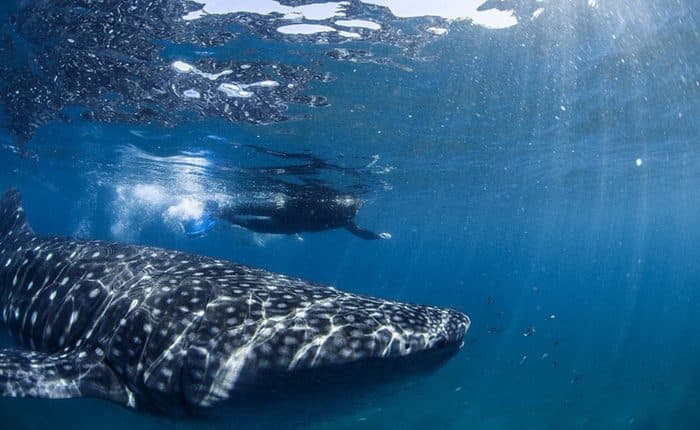 Photo: Mexico Liveaboards
Rocio del Mar
Steel-hulled motor vessel · 33.5 m · built 2008
Up to 20 guests · 10 en-suite cabins; the whole boat is air-conditioned
Open Water divers with 50 logged dives for Socorro, or 10 for the summer Sea of Cortez trips.
- You need
- Open Water, 50 logged dives. Socorro: 50 logged dives strongly recommended. Sea of Cortez: Open Water and 10 logged dives.
- Nitrox
- extra (US$140 per trip)
- Included
- all meals and snacks, soft drinks, beer and wine after the last dive, 3-4 guided dives a day, aluminium 80 tanks (DIN and yoke) and weights
- Extra
- Socorro park fee MXN 3,760 per day in the park (2026), Sea of Cortez park fee MXN 240 per day, rental gear (US$75 per item), Wi-Fi US$50, transfers, crew tips, dive insurance (compulsory)
- Sails from
- San José del Cabo, Puerto Peñasco
From €2,914 · 5 dates
See Mexico dates →Photo: Mexico LiveaboardsQuino del Mar
36 m · built 2025
Up to 20 guests · 10 en-suite cabins; the whole boat is air-conditioned
Open Water divers with 50 logged dives for Socorro, or 10 for the summer Sea of Cortez trips, on a boat built in 2025.
- You need
- Open Water, 50 logged dives. Socorro: 50 logged dives strongly recommended. Sea of Cortez: Open Water and 10 logged dives.
- Nitrox
- extra (US$140 per trip)
- Included
- all meals and snacks, soft drinks, beer and wine after the last dive, 3-4 guided dives a day, aluminium 80 tanks (DIN and yoke) and weights
- Extra
- Socorro park fee MXN 3,760 per day in the park (2026), Sea of Cortez park fee MXN 240 per day, rental gear (US$75 per item), Wi-Fi US$50, transfers, crew tips, dive insurance (compulsory)
- Sails from
- San José del Cabo, Puerto Peñasco
From €2,914 · 2 dates
See Mexico dates →Mexico liveaboard season, month by month
Best time to dive Mexico
The Midriff trips run from early July to mid-September, and the 12-night Baja trips from mid-September through October; the rest of the year the boats work Socorro. In early July the water is about 23–26°C, cooler in the north, and on early-season dives thermoclines can be well below that. It warms by roughly 1°C a week to about 26–29°C from mid-August to mid-September, then starts to cool. In October the south stays around 28°C while the northern islands drop to about 22–24°C. Visibility is usually 10–20 m, less when plankton or krill is thick. Juvenile whale sharks gather in Bahía de los Ángeles from about June to November, and every itinerary includes a stop to snorkel with them. Mobula rays are often seen leaping at the surface in summer; the largest schools of Munk's devil rays gather further south in spring, peaking around May, before our trips begin. The 12-night trip adds a night dive at Espíritu Santo where the boat's lights draw mobulas in. Sea lions are around all year, though the Los Islotes colony near La Paz is closed to swimmers from June to August for the breeding season. Late summer and autumn are also tropical storm season, and the captain will change the route if the weather calls for it.
What you'll see in Mexico — and when
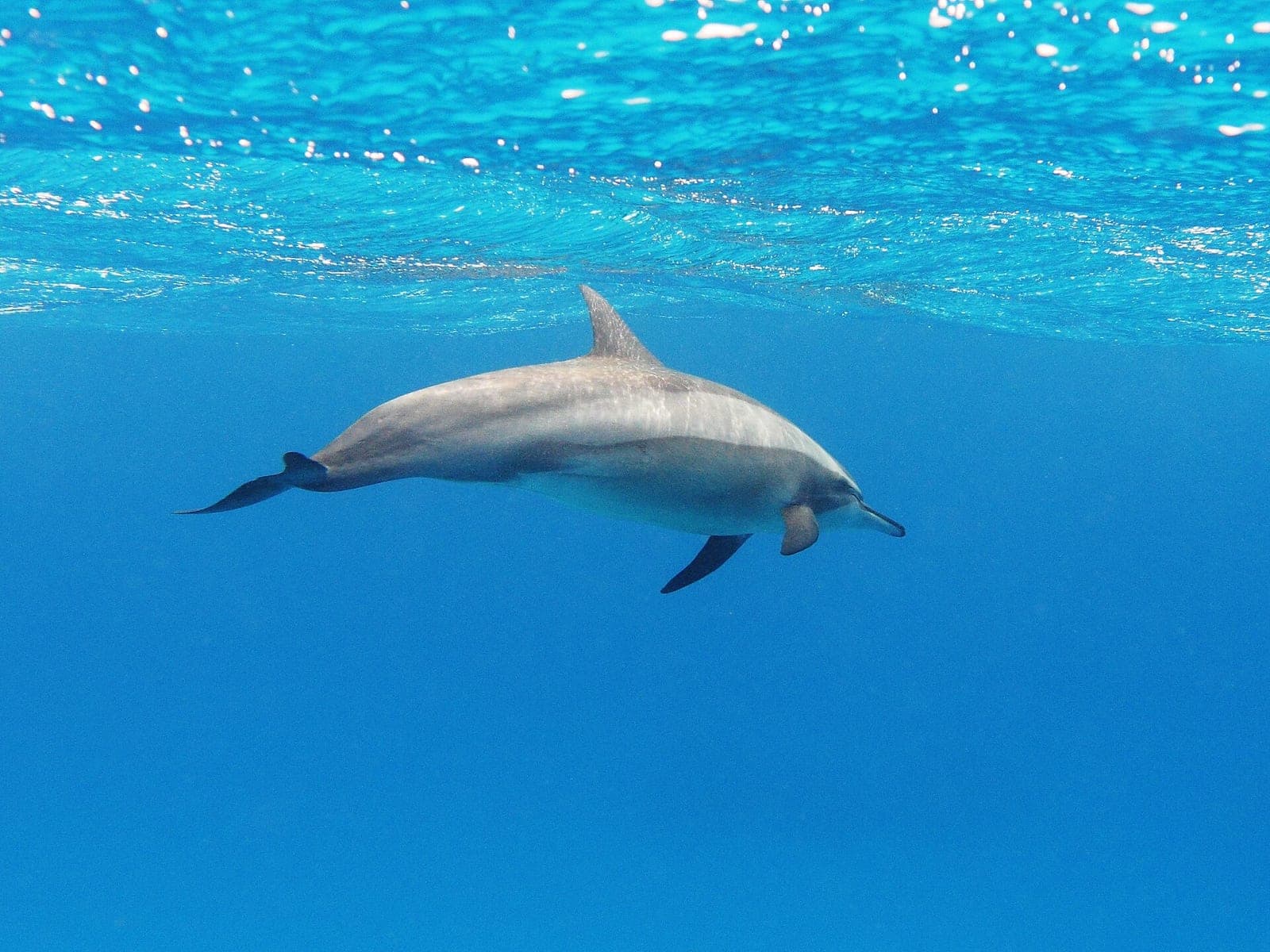
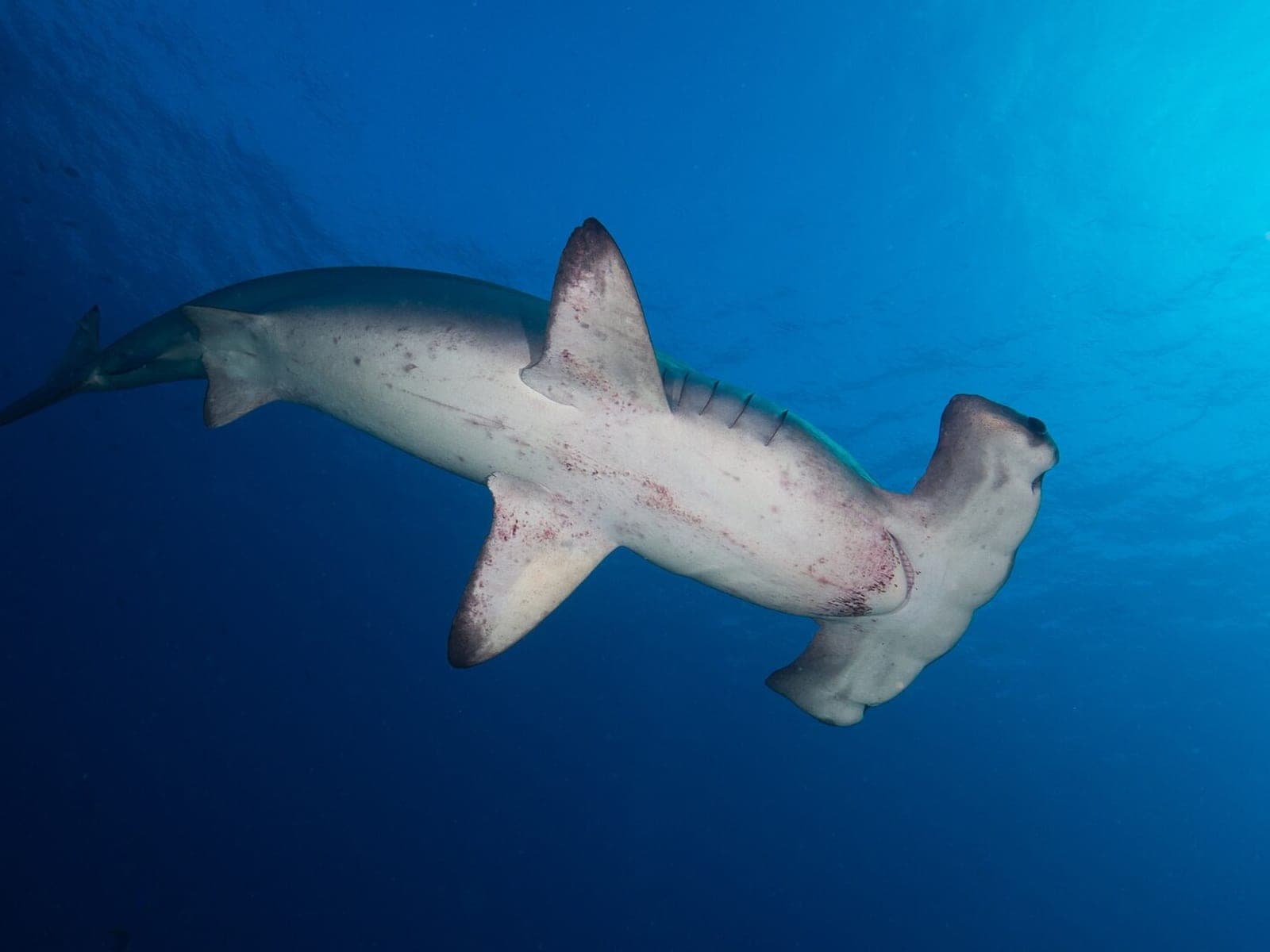
Want to plan around a specific animal? Try the Marine Life Finder.
What you'll dive in Mexico
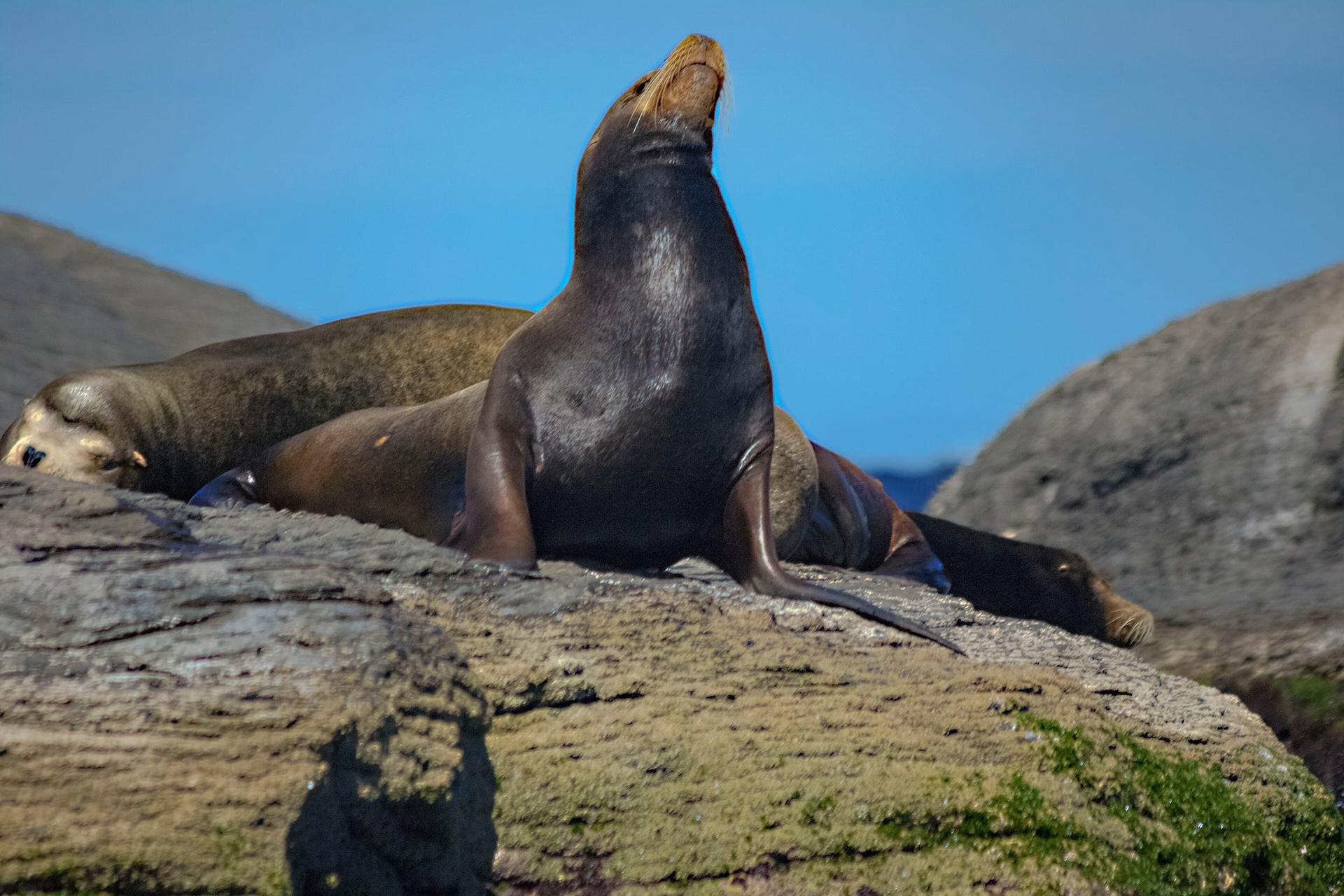
- Isla Ángel de la Guarda: sea lion colonies, with an evening cruise past the rookery
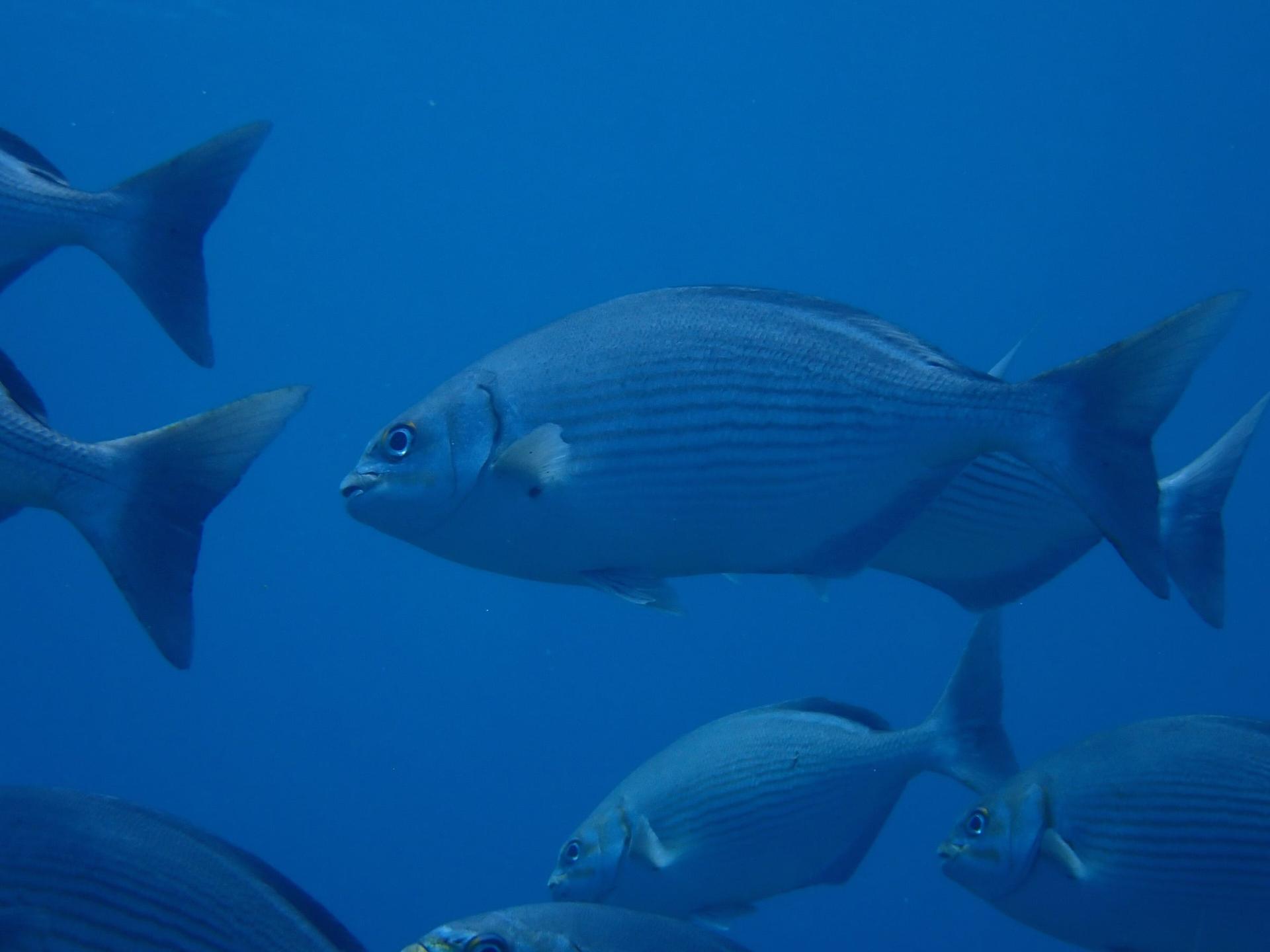
- Isla San Pedro Mártir, a biosphere reserve: walls with black coral, schooling fish and sea lions
- Snorkelling with juvenile whale sharks in Bahía de los Ángeles, there from about June to November
- Macro on the rocky reefs: nudibranchs, blennies, jawfish and seahorses
- Mobula rays leaping at the surface, and dolphins or whales on the crossings
- On the 12-night trip: Loreto's island park, the Salvatierra wreck and a night dive with mobulas
The marquee sites you'll dive
Read before you go
Mexico's Sea of Cortez: Sea Lions, Whale Sharks and the Midriff
Sea lion colonies, black coral walls and summer whale sharks in the Midriff Islands, plus La Paz and Cabo Pulmo for context. How Sea of Cortez liveaboards work, when to go, and how it compares with Socorro.
Liveaboard Visa Guide: Which Countries Need What
Visa requirements for every major liveaboard destination: Egypt, Maldives, Indonesia, Thailand, Philippines, Mexico, and the tricky ones.
Mexico diving — common questions
How do you get to a Sea of Cortez liveaboard?
Our 7-night trips start and end in Puerto Peñasco (Rocky Point), Sonora. Most guests fly to Phoenix Sky Harbor (PHX), where a shuttle the boat works with leaves the airport at 1 pm and reaches the marina about four and a half hours later (about US$175 return, booked directly with the shuttle). Book a flight landing by 11 am, and a flight home from 2 pm on the last day. You cross the border at Lukeville/Sonoyta, so if you fly in through the US you need an ESTA or a US visa, including for the drive back. Everyone except Mexican nationals must stop at the border for an FMM tourist permit; the harbour master won't let the boat sail without it. It is free for short stays by land, and the boat also needs a photo of your passport two weeks before departure. From inside Mexico you can fly to Hermosillo and take a 5 to 6-hour bus. The 12-night trip starts in San José del Cabo, about 25 minutes by taxi from Los Cabos airport (SJD), and ends in Puerto Peñasco.
What is included, and what do you pay locally?
The fare covers your cabin, all meals and snacks, soft drinks, local beer and wine after the last dive of the day, aluminium tanks, weights, the dive guides and port fees. On top, you pay the national park fee charged by CONANP, Mexico's park authority: MXN 240 per person per day in the park, which comes to MXN 1,440 on a 7-night trip and MXN 2,640 on the 12-night trip, collected by the boat. Nitrox is US$140 for the trip. Regulators, BCDs and computers can be rented for US$75 each, but the boat doesn't rent wetsuits, fins, masks, lights or SMBs, and there's nowhere to rent them in Puerto Peñasco, so bring your own. Transfers, Wi-Fi near the islands and crew tips are not included, and dive insurance is compulsory. The operator can add a fuel surcharge if diesel prices rise sharply, and would tell you before boarding.
How experienced do I need to be, and what wetsuit should I bring?
Open Water certification and at least 10 logged dives, plus a dive computer, SMB and whistle. Most dives are on walls and rocky reefs with mild to moderate current, but expect thermoclines, where the water can be several degrees colder for part of a dive. For July and the first week of August the operator suggests a 5 mm wetsuit with a hooded vest, then a 3 mm with a hooded vest until mid-September. On the October trip a 3 mm is usually enough in the south, with a hooded vest for the colder northern islands. Bring a light hood for night dives, when krill gathers in the lights, and a rash guard for the whale shark snorkel. Gloves are allowed.
Sea of Cortez or Socorro?
They suit different divers and different months. The Sea of Cortez is a summer trip, July to October, for Open Water divers with a few logged dives: sea lions, rocky reefs, macro and whale sharks on snorkel, reached by road from Phoenix or from Los Cabos. Socorro runs from November to May, about a day's sail into the Pacific from San José del Cabo, for advanced divers comfortable in open-ocean swell and current, with giant oceanic mantas, sharks and dolphins. If you're building experience, the Sea of Cortez is the natural first step. See our Socorro page for its dates.
How much does a Mexico liveaboard cost?
Our listed Mexico liveaboards currently run from €2,914 to €4,646 per person sharing, for 7–12 nights (about €416 a night at the lower end). Park fees, nitrox, equipment rental, crew tips and flights are usually extra. Live prices and dates are on our Mexico calendar.
How long is a Mexico liveaboard?
The trips we list run 7 to 12 nights. Longer itineraries reach more remote sites and give you more dives for the travel time.
When do Mexico liveaboards run?
We currently list Mexico departures in Jul, Aug, Sep, Oct. Availability changes week to week; the calendar shows every listed date with space.
How do I book a liveaboard trip to Mexico?
Start by reaching out through our concierge service with a short brief — your dates, experience, and what you want from the trip. We'll shortlist trusted boats, check availability, and come back to you personally.
Bookable Mexico dates
Ready to dive Mexico?
Trips from €2,914 per person
Share a short brief and we'll shortlist trusted boats, check availability, and come back to you personally.