Mexico's Sea of Cortez: Jacques Cousteau's World Aquarium
When Jacques Cousteau called the Sea of Cortez "the world's aquarium," he wasn't being dramatic. He was being accurate. This narrow strip of water between the Baja California peninsula and mainland Mexico is one of the most biologically productive marine environments on Earth — a place where desert meets ocean and the result is an explosion of life that defies logic.
And yet, most international divers overlook it entirely. They hear "Mexico diving" and think Socorro — the remote Pacific islands with giant mantas and hammerhead highways. Socorro is spectacular (we've written about it). But the Sea of Cortez is a completely different animal: easier to reach, cheaper to dive, and honestly? More fun on a day-to-day basis.
What Makes the Sea of Cortez Special
The Sea of Cortez (also called the Gulf of California) is essentially a 1,100-kilometre-long nutrient conveyor belt. Cold, deep Pacific water upwells into the gulf, mixing with warm tropical currents. The result: more species packed into one body of water than almost anywhere on Earth.
The Numbers
- Over 900 species of fish (more than any other body of water this size)
- 39% of the world's marine mammal species have been recorded here
- A third of the world's cetacean species visit or reside here
- UNESCO World Heritage Site since 2005
The Vibe
Unlike the open-ocean intensity of Socorro or the Galapagos, the Sea of Cortez feels warmer, friendlier, and more playful. The sea lions will literally swim up to your mask and blow bubbles at you. The mobula rays cruise by in formations that look choreographed. The whale sharks are gentle giants that couldn't care less about your camera.
You'll spend more time laughing into your regulator than anywhere else you've dived.
The Marine Life Highlight Reel
Sea Lions at Los Islotes
This is the experience that everyone talks about, and for good reason. The colony at Los Islotes is one of the most interactive in the world. Juvenile sea lions treat divers as playmates — they'll swim circles around you, nibble your fins, and pull faces that are genuinely hilarious.
This isn't a "watch from a distance" encounter. These animals will chew your fins, blow bubbles in your face, and generally treat you like a pool toy. Bring a camera you don't mind getting headbutted.
Best time: Year-round, but pups are most playful from September to November.
Mobula Rays
The Sea of Cortez hosts enormous aggregations of Mobula munkiana (pygmy devil rays) that gather in schools of hundreds, sometimes thousands. Watching them fly through the water in formation is one of diving's great spectacles — like an underwater air show.
Best time: May to July for the largest aggregations, though they can appear year-round.
Whale Sharks
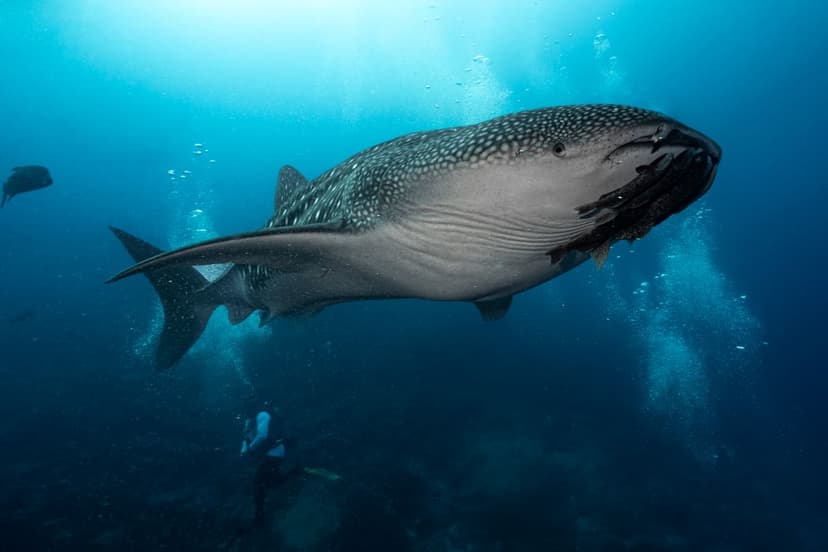
Every autumn, juvenile whale sharks congregate in the shallow waters around La Paz to feed on plankton blooms. Snorkelling with them (diving is generally not permitted to protect the animals) is a reliable, accessible experience — and La Paz operators have it down to a science. You'll be in the water with sharks within 30 minutes of leaving the dock.
Best time: October to February, peaking in November-December.
Other Encounters
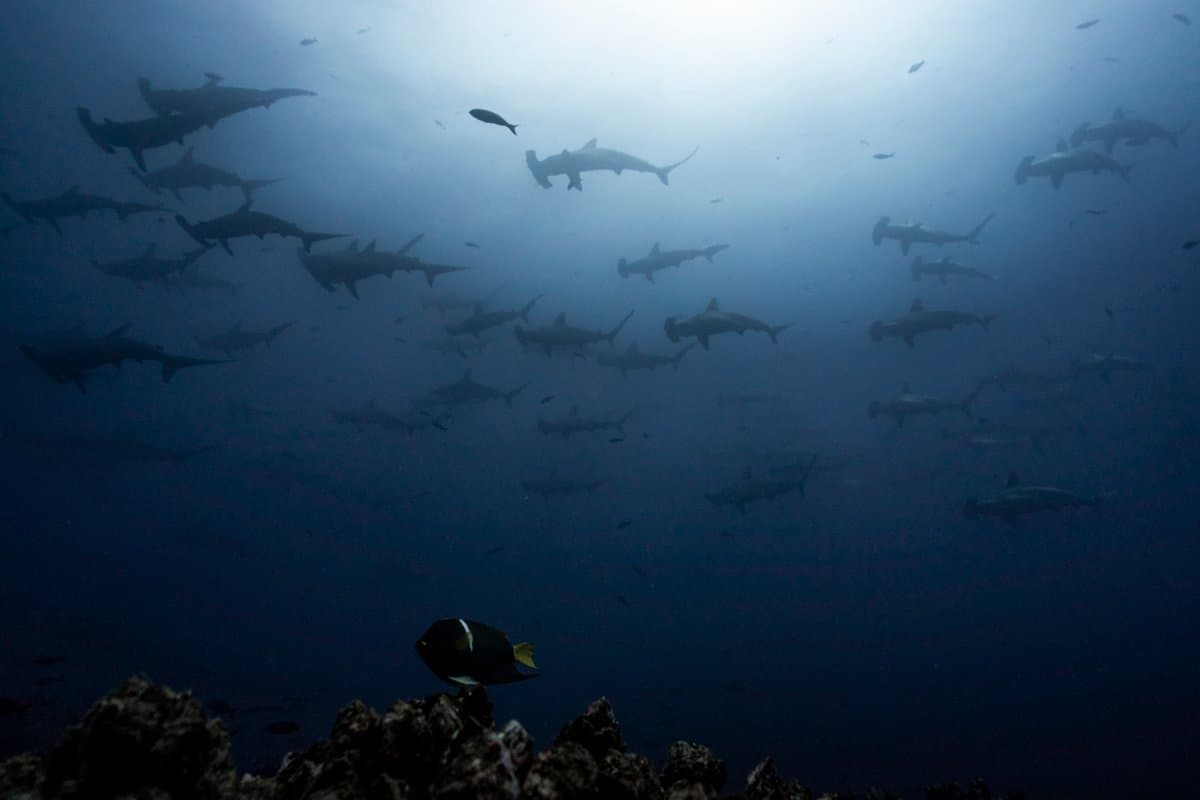
- Hammerhead sharks: Schooling at El Bajo seamount (a 3-pinnacle site peaking at 18m), particularly June-November. Early morning dives are key — get there before the light gets too bright.
- Bull sharks: Seasonal visitors to Cabo Pulmo and deeper sites around Cerralvo Island
- La Reina: A rocky island with sea lion colonies, cleaning stations, and regular manta sightings. Strong current here — bring a reef hook.
- Swanee Reef: Walls dropping to 30m+ with jacks, grouper, and excellent macro in the crevices
- Whale season: Humpback whales visit December to March, and grey whales use the Pacific side of the Baja for calving. You can combine diving with whale-watching day trips — not many places offer that.
Cabo Pulmo: The Conservation Miracle
No discussion of the Sea of Cortez is complete without mentioning Cabo Pulmo, and it's a story that should give every ocean lover hope.
In the 1990s, the fishing community of Cabo Pulmo looked at their dying reef and made a radical decision: they stopped fishing. Entirely. They lobbied for marine park status, banned extractive activities, and became ocean guardians.
The result? In 20 years, fish biomass increased by over 460%. The reef went from barren to teeming. Today, diving Cabo Pulmo means swimming through walls of jack fish so dense they block out the light, surrounded by grouper, snapper, and reef sharks that have returned to a place they'd abandoned.
It's one of the most successful marine conservation stories on the planet, and diving it feels like visiting the ocean as it's supposed to be.
How It Differs From Socorro
Since both are "Mexico diving," the question comes up constantly: Sea of Cortez or Socorro?
| Sea of Cortez | Socorro | |
|---|---|---|
| Access | Easy — fly to La Paz or Cabo | 24-hour boat crossing from Cabo |
| Diving level | All levels welcome | Intermediate to advanced |
| Water temp | 20-30°C (varies by season) | 22-26°C |
| Style | Playful, diverse, colourful | Big animal, open ocean, intense |
| Duration | Day trips or short liveaboards | 8-10 day liveaboards only |
| Cost | More affordable | Premium |
| Season | Year-round (best Jul-Nov) | November to May |
They're not competitors — they're complements. Many divers combine both on a single Mexico trip, starting with the Sea of Cortez and then heading to Socorro for the grand finale.
When to Go
The Sea of Cortez is diveable year-round, but the seasons matter:
- July-November: Warm water (26-30°C), best visibility, whale sharks arriving, mobula rays, sea lion pups at their most playful. This is peak season for a reason.
- December-March: Cooler water (20-24°C), humpback whales, grey whale calving on the Pacific side, fewer tourists. Bring a thicker wetsuit.
- April-June: Transition period. Water warming up, hammerhead activity increasing, mobula rays beginning to aggregate.
Water temperature note: The Sea of Cortez has real seasonal variation. Summer diving in a 3mm shorty is comfortable. Winter diving may require a 5-7mm suit. Plan accordingly.
Getting There
This is where the Sea of Cortez really shines — it's remarkably accessible for such an extraordinary destination.
Flights
- La Paz: The main hub for Sea of Cortez diving. Direct flights from several Mexican cities; connections from the US through Los Angeles, Phoenix, or Mexico City.
- Cabo San Lucas: More international flights, then a 2-hour drive or domestic hop to La Paz.
- From Portugal: Fly to Mexico City or a US gateway, then connect to La Paz. Total travel time: 16-20 hours.
Liveaboard vs. Day Trips
Unlike many destinations in this series, the Sea of Cortez offers both options:
- Day trips from La Paz: Perfect for shorter visits or mixing diving with other Baja activities
- Short liveaboards (3-5 days): Cover more ground, access remote sites, and typically include the sea lion colony and seamounts
- Longer expeditions: Some operators run extended trips that combine the Sea of Cortez with the Pacific side of the Baja
Practical Details
- Certification: Open Water is sufficient for many sites; Advanced recommended for seamounts and deeper dives
- Experience: Suitable for all levels, though some sites have current
- Currency: Mexican Peso (MXN). US dollars widely accepted in tourist areas.
- Language: Spanish. English is common in dive operations.
- Visa: EU citizens (including Portuguese) don't need a visa for stays under 180 days
- Insurance: DAN or equivalent recommended, though medical facilities in La Paz are decent
Here's what we tell divers who can't decide between Socorro and the Sea of Cortez: do Cortez first. It's easier to get to, cheaper, and the sea lion colony at Los Islotes alone is worth the trip. Then, once you've got a taste for Mexican diving, book Socorro for the big-animal sequel. The Faneca team can help you plan either — or both.
- Socorro: The Definitive Guide to Giant Mantas and Humpback Whales — The big-animal sequel to the Sea of Cortez
- What a Socorro Liveaboard Really Costs in 2026 (Including the New Park Fees) — Budgeting the Socorro step-up after the Sea of Cortez
- Best Liveaboard Trips for Beginners — The Sea of Cortez is great for first-timers
Related Articles
%20-%20Large.jpg&w=828&q=75)
Best Time to Dive: A Season-by-Season Guide
When to visit the world's top liveaboard destinations for the best conditions and marine life encounters.
Galápagos Diving: What to Expect on Your First Trip
Hammerhead highways, curious sea lions, and currents that demand respect — here's what awaits in the enchanted islands.