Best Liveaboard Trips for Beginners: 5 Destinations Where You'll Thrive
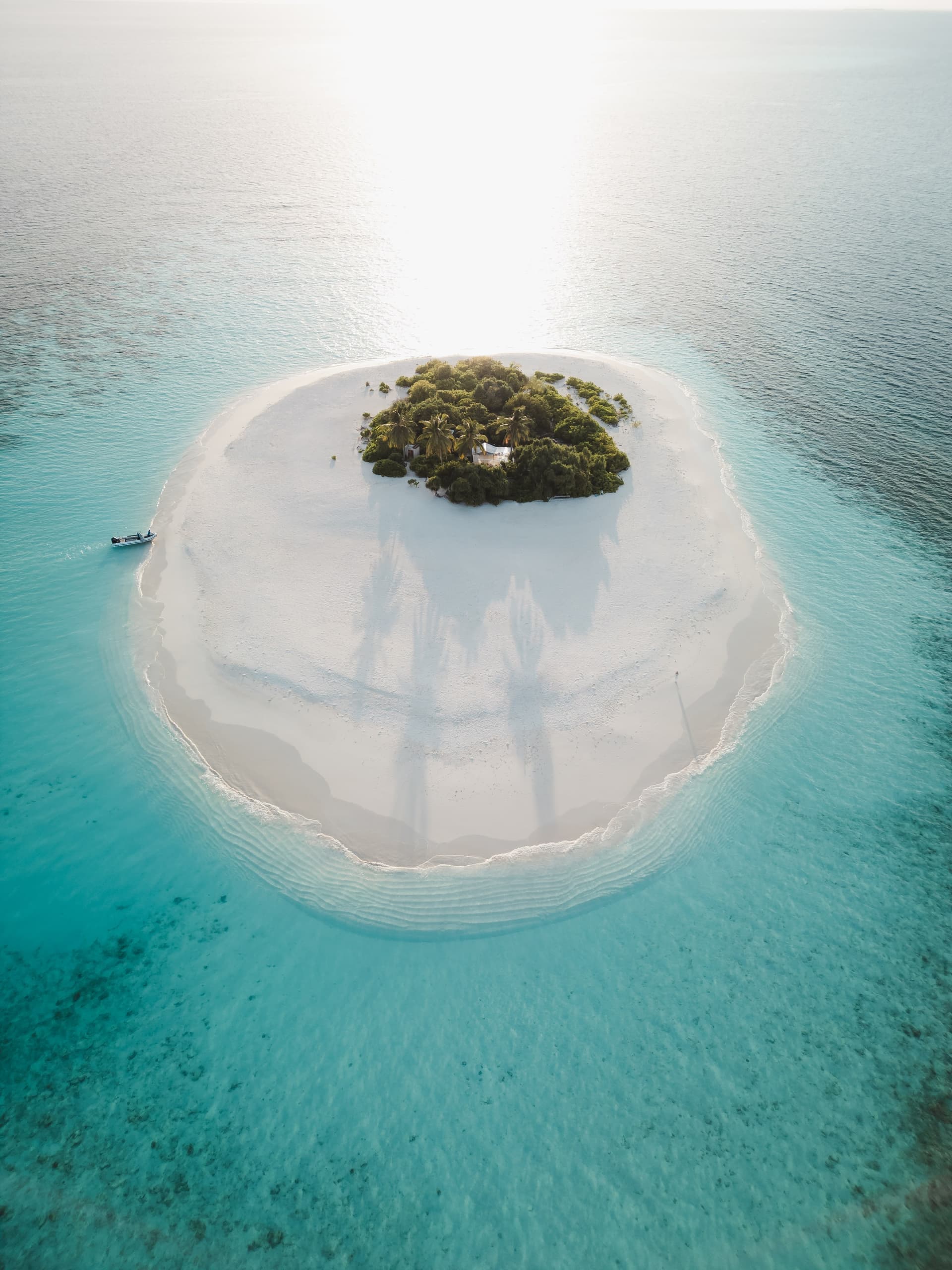
So you've got your Open Water card, maybe a few dozen dives under your belt, and someone mentioned liveaboards. Now you're lying awake at night wondering if you're "ready." Here's the secret nobody tells you: you don't need 500 dives and a drysuit certification to have an incredible liveaboard experience. You just need to pick the right destination.
Not all liveaboard trips involve fighting currents at 30 metres while hammerheads circle overhead. Some are designed — almost lovingly — for divers who are still figuring out their buoyancy. Let's find your perfect first trip.
1. The Maldives — Your Warm, Gentle Introduction
Why it works for beginners: Warm water (28-30°C), generally mild currents on the inside of the atolls, and dive sites that range from easy channel dives to sheltered reef exploration.
The Maldives is basically the ocean saying "welcome, we've been expecting you." Most liveaboard itineraries include a mix of difficulties, and good operators will always offer alternatives for less experienced divers when conditions get spicy.
What to expect
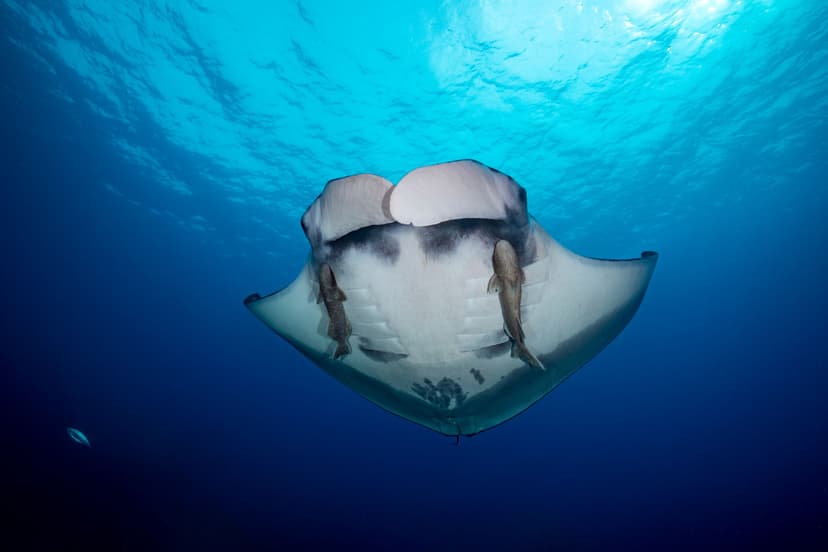
- Manta rays at cleaning stations — you literally float there and watch
- Reef sharks cruising past like they own the place (they do)
- Night dives on calm, sandy flats with nurse sharks and stingrays
- Water so warm you might fall asleep in your 3mm wetsuit
How to prepare
Get comfortable with drift diving before you go. The Maldives runs on currents, but the mild ones are like a lazy river — you just float and enjoy the view. Practice your reef hooks if you can, and work on staying relaxed at depth.
2. The Red Sea, Egypt — History, Reefs, and Chill Vibes
Why it works for beginners: Excellent visibility (often 30m+), warm water, calm conditions on many itineraries, and some of the most photogenic wrecks in the world.
The northern Red Sea routes are particularly beginner-friendly. Think stunning coral gardens, the legendary Thistlegorm wreck at recreational depths, and reef walls that are dramatic without being demanding.
What to expect
- The SS Thistlegorm — motorcycles, trucks, and railway carriages at 30 metres
- Coral gardens at Ras Mohammed that look like someone turned the saturation up
- Dolphins that might join your surface interval entertainment
- Reliable conditions that rarely throw curveballs
How to prepare
If you're going to do the deeper wrecks, an Advanced Open Water cert is worth getting first. But many northern route sites are perfectly accessible at 12-18 metres. Brush up on your navigation skills — wreck penetration isn't for beginners, but swimming around the outside is magical.
3. Thailand (Similan Islands) — The Perfect First Liveaboard
Why it works for beginners: Short trips (3-5 nights), affordable, incredibly diverse marine life, and dive guides who are used to working with newer divers.
Thailand might actually be the single best destination for a first liveaboard experience. The Similan and Surin Islands offer protected dive sites with gentle conditions, and the shorter trip length means you're not committing to a full week if you're unsure about boat life.
What to expect
- Granite boulder formations that create sheltered swim-throughs
- Manta ray encounters at Koh Bon (seasonal but spectacular)
- Whale sharks if the diving gods smile on you
- A social atmosphere — Thai liveaboards tend to be relaxed and fun
How to prepare
Honestly? Not much. If you can equalize comfortably and maintain neutral buoyancy, you're good. The water is warm, the sites are forgiving, and the crew will look after you. Just bring reef-safe sunscreen and an appetite — the food on Thai liveaboards is often absurdly good.
4. Indonesia — Komodo for the Slightly Adventurous Beginner
Why it works for beginners: A good mix of easy and moderate sites, stunning topography, and marine life density that will have you grinning through your regulator.
Now, Komodo isn't all beginner-friendly. Some sites have ripping currents that'll relocate you to the next island. But a well-planned itinerary includes plenty of sheltered bays with gentle conditions and mind-blowing biodiversity. The key is choosing an operator who tailors the trip to their group's experience level.
What to expect
- Manta rays at Manta Alley — sometimes dozens of them
- Coral gardens that rival anything on the planet
- Actual Komodo dragons on land excursions (the non-diving highlight)
- A fascinating mix of warm and cool water that brings together unusual species combinations
How to prepare
Get your Advanced Open Water before this trip. While many sites are accessible to Open Water divers, having the extra training gives you confidence and opens up more options. Practice your buoyancy until it's second nature — the coral here is too precious to bump into.
5. Raja Ampat — Yes, Really
Why it works for beginners: Sheltered bays, warm water, almost no currents at many sites, and the most biodiverse marine environment on Earth.
"But isn't Raja Ampat for experienced divers?" Not necessarily. While some sites have currents, many of the most famous dive spots — the ones with all those pygmy seahorses and wobbegong sharks — are calm, shallow, and perfect for divers of any level. You just need an operator who knows which sites to choose.
What to expect
- More fish species on a single dive than you thought existed
- Macro life that will make you want a better camera
- Mangrove dives that feel like exploring another planet
- Scenery above water that's almost as good as below
How to prepare
This one's a longer journey to reach, so make sure you're comfortable with boat life for 7-10 days. Get a few warm-water dives under your belt before you go, and consider investing in a good underwater torch — the colours in Raja Ampat are extraordinary, and a light brings them to life.
General Tips for Your First Liveaboard
No matter which destination you choose:
- Be honest about your experience level when booking. Good operators want to match you with the right trip, not sell you a seat on one that's wrong for you.
- Do a few refresher dives before your trip if it's been a while.
- Pack seasickness medication — even if you've never been seasick. Boats are different when you're sleeping on them.
- Relax about gear — most liveaboards have excellent rental equipment, and the crew will help you set up.
- Ask questions — your dive guides have done these sites hundreds of times. They want to help you have the best experience possible.
The Bottom Line
Your first liveaboard doesn't need to be a survival test. It should be the trip that hooks you for life — the one you're still talking about at dinner parties five years later. Pick a destination that matches your comfort level, choose an operator who genuinely cares about the experience (not just filling beds), and let the ocean do its thing.
Not sure which destination fits your experience level? The Faneca team has helped hundreds of first-timers find their perfect trip. Drop us a line — we love this conversation.
- First-Time Liveaboard: What to Expect Day by Day — The full day-by-day breakdown of liveaboard life
- 10 Mistakes First-Time Liveaboard Divers Make — Common pitfalls and how to avoid them
- How to Choose the Right Liveaboard for Your Level — Matching your experience to the right boat
Related Articles
The Complete Liveaboard Packing Guide
What to bring, what to leave behind, and the gear essentials that experienced liveaboard divers swear by.
First-Time Liveaboard: What to Expect Day by Day
Never done a liveaboard? Here's the inside scoop on the schedule, the meals, the diving, and the delightful chaos.