When to Dive Saudi Arabia's Red Sea: Month by Month
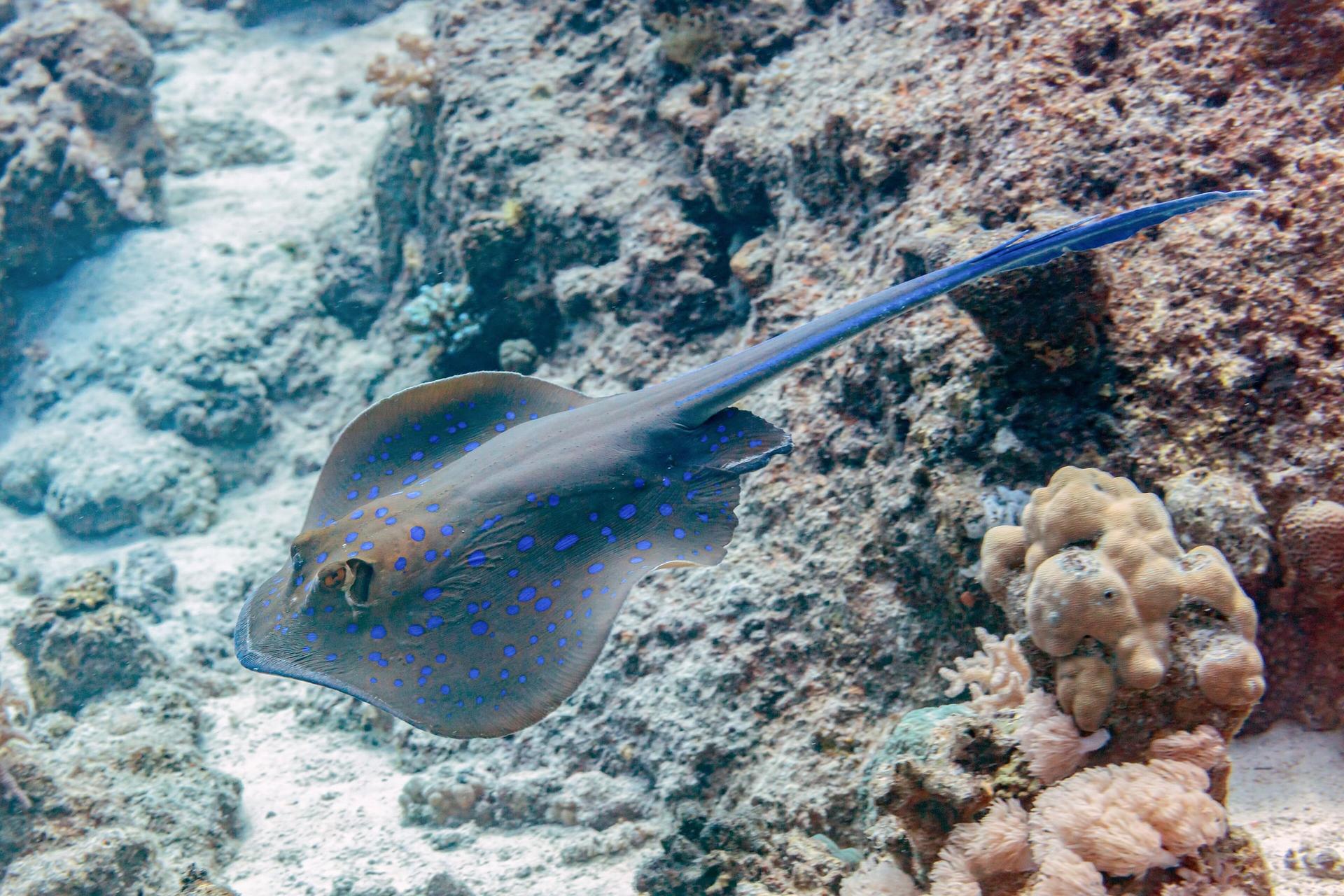
Photo: Diego Delso, CC BY-SA 4.0
The Saudi side of the Red Sea has a liveaboard season, and heat sets it more than anything in the water. The boats we sell dive the south in winter, move north for spring and autumn, and do not sail in July and August.
Every trip we sell there uses Jeddah's airport. From January to April the boats sail from Jeddah to the Farasan Banks, a maze of offshore reefs, pinnacles and low sandy islands that begins more than 200 km to the south, near Al Lith. In May and June, and again from late September to the New Year, they work the northern reefs: the Seven Sisters off Yanbu and the Five Corals between Yanbu and Rabigh, with one route that carries on towards Umluj. Almost all trips are 7 nights, with about 16 to 18 dives. The boats we sell ask for Advanced Open Water and at least 40 logged dives, and one asks for 50.
The short answer
- Coolest water and usually the best visibility: January to March, on the Farasan Banks.
- Hammerheads: possible in the cooler months on both routes, never certain.
- Whale sharks: at one reef off Al Lith from about March to May, most reliably in April and May. Only some Farasan Banks weeks call there.
- Warm water and a thin suit: May, June, and late September to November, in the north.
- No sailings: July, August and the first weeks of September.
How the year works
Heat. Jeddah has warm winters and very hot summers. Daytime highs are close to 29°C in January, pass 35°C in May and stay at 38–39°C from June to August. Yanbu, further north, reaches about 40°C in midsummer. Rain is rare, and what little falls comes mostly between November and January.
Water. Around Jeddah and the Farasan Banks the surface is 25–27°C from January to March, 28–30°C in May and June and 30–32°C from July to September. By December it is back to 27–29°C. Off Yanbu the sea runs a degree or two cooler, about 25°C in February and March. Even at its coolest this is warmer water than Egypt has in winter.
Wind. North of about 20°N, the wind over the Red Sea blows from the north-west in every month. Over the southern half it turns round between roughly October and April and blows from the south-east. The two streams meet in a belt of lighter wind that usually lies between about 18 and 20°N, roughly the latitude of the reefs south of Al Lith. In summer the north-westerly covers the whole sea. That is the pattern in published wind studies. On any one week the weather still decides the route, and an exposed reef can be dropped from the plan.
The boats. The schedule follows from all three: winter in the south, spring and autumn in the north. The Saudi Red Sea can be dived all year, but the boats we sell stop for the hottest months and do not sail again until the second half of September.
Month by month
Water temperatures are typical surface ranges for the central coast, from Jeddah to the Farasan Banks. The northern reefs run a degree or two cooler. Reef fish, reef sharks, turtles and dolphins are there in every month, so the fourth column lists only what changes.
| Month | Water | Air and sea | What is in season | Our sailings |
|---|---|---|---|---|
| January | 25–27°C | Days in the high 20s; usually the clearest water | Hammerheads possible | Farasan Banks |
| February | 25–27°C | About 30°C, dry; clear water | Hammerheads possible, a month the crews rate highest | Farasan Banks |
| March | 25–27°C | Low 30s, dry; clear water | Hammerheads possible; first whale sharks off Al Lith | Farasan Banks |
| April | 26–28°C | Mid 30s; sea warming | Whale sharks off Al Lith | Farasan Banks |
| May | 28–30°C | High 30s; warm sea | Whale sharks still off Al Lith, but the boats have moved north | Northern reefs |
| June | 28–30°C | High 30s to 40°C; warm sea | Nothing new | Northern reefs, until about the third week |
| July | 30–32°C | About 40°C; sea above 30°C | No sailings | None |
| August | 30–32°C | About 40°C; sea at its warmest | No sailings | None |
| September | 30–32°C | High 30s; sea still at its warmest | Nothing new | Northern reefs, from about the 20th |
| October | 29–31°C | Mid to high 30s; sea starting to cool | An oceanic whitetip is an occasional sighting offshore | Northern reefs |
| November | 28–30°C | Low 30s; the likeliest month for rain | Hammerheads more likely around the Seven Sisters | Northern reefs |
| December | 27–29°C | About 30°C; sea cooling | Hammerheads possible in the north | Northern reefs, including Christmas and New Year |
The table describes a typical year, and sailing dates move a little from one year to the next.
January to April: the Farasan Banks. The cool part of the year, and the only time the boats we sell go south. Visibility is usually at its best, often 20–30 m. From March the whale sharks arrive off Al Lith.
May and June: the north in warm water. The boats move to the Seven Sisters and the Five Corals. The sea is 27–30°C and a 3 mm suit is enough.
Late September to December: the north again. After the summer break the season restarts in the warmest water of the year, which cools from about 30°C to 27–28°C by December. As it cools, hammerheads become more likely on the outer walls.
What you see and when
Saudi sites are little surveyed. Tourist visas only began in 2019, few boats work the coast, and outside the research of King Abdullah University of Science and Technology (KAUST) there are few long records. Read every window below as a tendency, not as a calendar.
Hammerheads. Scalloped hammerheads are seen off the exposed corners of the offshore reefs in the cooler months. The crews of the boats we sell rate February and March highest on the Farasan Banks, at sites such as Sha'ab Ammar, and about November to February around the Seven Sisters. Published trip descriptions do not all name the same months; what most share is the cooler half of the year, from about November to April. The sharks tend to stay deep, and a whole week can pass without one. Our hammerhead calendar lists the places where the odds are better known.
Whale sharks. This is the best-documented animal on the coast. Young whale sharks gather each spring at Shib Habil, a reef just off Al Lith. KAUST researchers photographed them there from 2010 to 2015 and identified 136 individual sharks, all juveniles, with males and females in equal numbers. They are there from about March to May and most numerous in April and May. The Farasan Banks trips end in late April, and not every one calls at Shib Habil, so ask us which departures plan to. In the water, stay out of the shark's path and do not touch or chase it. The whale shark calendar compares other destinations.
Manta rays. Reef mantas use the same reefs off Al Lith, where KAUST tagged them in spring. On the liveaboard routes a manta is an occasional sighting. The manta ray calendar shows where they are dependable.
Dolphins and turtles. Neither has a season. Indo-Pacific bottlenose and spinner dolphins are the species Saudi Arabia's National Center for Wildlife reports most often around reefs, and a pod can meet the boat in any month. Hawksbill and green turtles are on the reefs all year, and the low sandy islands of the Farasan Banks are nesting sites for both.
Reef sharks. Grey reef and whitetip reef sharks patrol the offshore walls in every month, and silky sharks are reported on the Farasan Banks. Keep your expectations modest. A KAUST survey of the Saudi coast with baited cameras and longlines found far fewer reef sharks than on comparable reefs elsewhere, and its authors put that down to decades of fishing.
Oceanic whitetips. One turns up now and then on the offshore reefs in autumn. If they are the reason for your trip, go to the Egyptian side in October and November: see our oceanic whitetip guide.
The routes compared by season
| Route | When it sails | Water | What the season adds |
|---|---|---|---|
| Farasan Banks | January to April | 25–28°C | The clearest water; hammerheads possible; whale sharks off Al Lith from March, on the weeks that call there |
| Five Corals and Seven Sisters | May and June, then November to the New Year | 27–30°C in spring, cooling to about 27–28°C in December | Warm water in spring; hammerheads more likely as the water cools |
| Seven Sisters and Umluj | May, then late September to November | 27–30°C | The warmest weeks of the season, and two wrecks on the way north |
Farasan Banks. The boats leave Jeddah and return there. The diving is the most remote we sell on this coast: offshore walls, plateaus and pinnacles such as Gorgonia Reef, Mar Mar Island and Danak Island.
The northern routes. Steep walls, gorgonian forests and plateaus that run out into the blue. The trips board in Jeddah, in Yanbu or at King Abdullah Economic City, and some run one way. A 5-night version sails in September. The Umluj route, spelled Umlajj in its name, goes north from Yanbu and adds two wrecks, one of them the steamship Iona.
Both areas ask for the same experience, so the choice between them is mostly a choice of month.
What is sailing
For the cheapest sailing with space, the fare per person sharing a cabin is currently €1,824, and a 7-night week starts at €2,043. Our Saudi Arabia cost guide sets out what that includes and what comes on top.
| Date | Destination | Route | Nights | From |
|---|---|---|---|---|
| 9 Jan 2027 | Saudi Arabia | Farasan Banks | 7 | €2,043 |
| 16 Jan 2027 | Saudi Arabia | Farasan Banks | 7 | €2,043 |
| 23 Jan 2027 | Saudi Arabia | Farasan Banks | 7 | €2,043 |
| 30 Jan 2027 | Saudi Arabia | Farasan Banks | 7 | €2,043 |
| 6 Feb 2027 | Saudi Arabia | Farasan Banks | 7 | €2,043 |
| 13 Feb 2027 | Saudi Arabia | North — Five Corals & Seven Sisters | 7 | €2,285 |
The routes and requirements are on our Saudi Arabia liveaboards page, and every date is on the Saudi Arabia calendar.
Choosing your month
- Clear, cooler water: January to March, on the Farasan Banks.
- A chance of hammerheads: February and March in the south, November and December in the north. Count one as a bonus.
- Whale sharks: April, on a Farasan Banks week that plans a stop off Al Lith. March is earlier in their season and less sure.
- Warm water: May, June and October.
- Ramadan: in 2027 it is expected to run from about 8 February to 8 March, subject to the official moon sighting. It matters mostly for a night ashore, when daytime opening hours are shorter.
Before you go
Visa. Citizens of the countries on the official eVisa list, which includes the UK, the US, Canada, Australia and most of Europe, can apply online for a one-year, multiple-entry tourist visa that allows up to 90 days in the country. Check your passport on the official portal.
Alcohol. It is illegal in Saudi Arabia. None is served on board or ashore, and you cannot bring any in.
Dress ashore. Dress modestly, in loose clothing that covers shoulders and knees. That applies to men as well as women. Foreign women do not have to wear an abaya or a headscarf.
Travel advice. Before you book, check your government's current travel advice for Saudi Arabia and make sure your travel and dive insurance covers the trip.
Four short questions
What is the best month overall? February or March for most divers: cool, clear water on the Farasan Banks, in the months the crews rate highest for hammerheads. Choose April if whale sharks matter more to you, and November if you prefer the north while the water is still warm.
Is summer too hot? For the boats we sell, yes. They do not sail in July and August, when the sea is 30–32°C and the air about 40°C. If summer is your only time, the Egyptian Red Sea sails then, and June to August is its hammerhead season offshore.
What wetsuit do I need? From January to April, a 5 mm full suit, or a 3 mm with a hood or vest, suits most divers on three dives a day. In May and from September to November a 3 mm full suit is enough. On one boat the rental suits are 3 mm only, so bring your own if you want something thicker.
How does it differ from the Egyptian Red Sea? It is the same sea and the same kind of reef. The Saudi side is warmer in winter, at 25–27°C against about 22°C around Hurghada, and it has a few boats where Egypt has a large fleet, so you rarely share a site. It stops in summer, when Egypt keeps sailing, and it has no routes for newer divers. Egypt has the more dependable shark seasons: hammerheads offshore from June to August and oceanic whitetips in October and November. Our Red Sea month-by-month guide covers that side.
Tell us your dates and what is in your logbook, and our concierge will reply in writing with the Saudi sailings that fit.
Related Guides
Related Articles
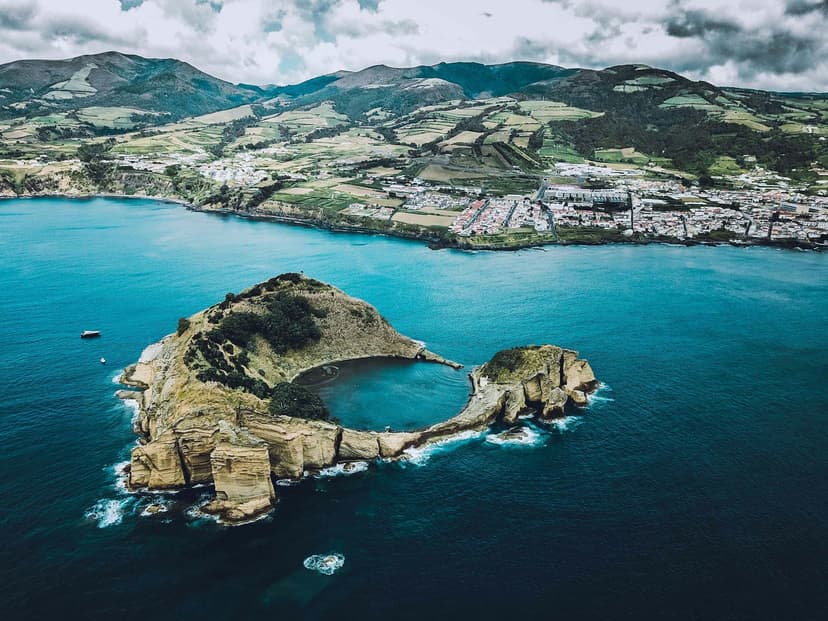
Diving the Azores: Blue Sharks, Mobulas and the North Atlantic's Largest Protected Network
In 2024 the Azores created the largest network of marine protected areas in the North Atlantic, about 287,000 km² of ocean that blue sharks, mobulas and sperm whales pass through. Here is why we think it is the most underrated diving in Europe, island by island and month by month.
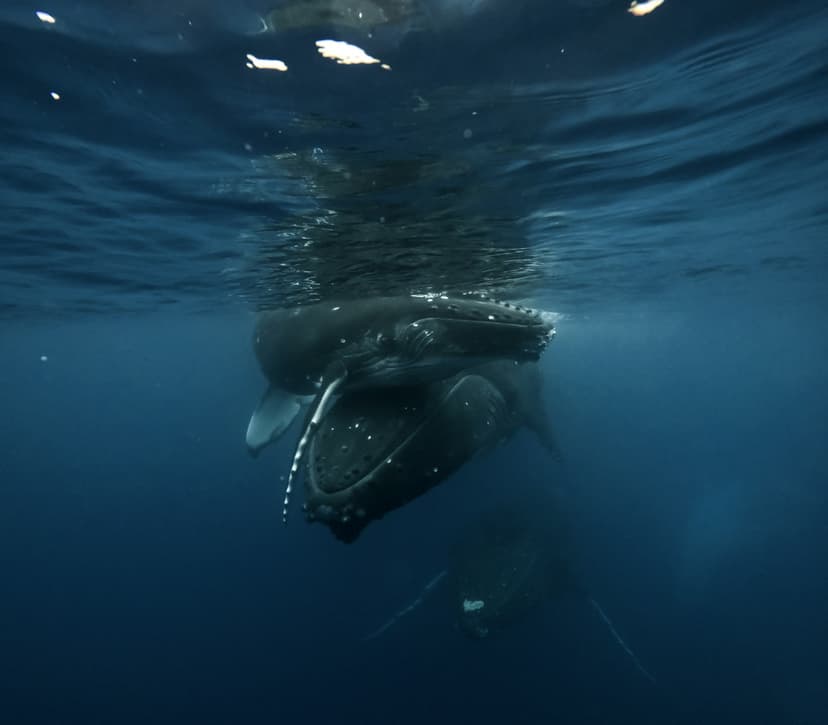
Cape Verde for Divers: Whales, Sharks, and the Atlantic Crossroads
Cape Verde sits where African, European and equatorial currents meet. The result: humpback whales in spring, juvenile lemon sharks in water you can wade into, nesting loggerheads in summer, and warm-water Atlantic diving most Europeans have never seriously considered.