Saudi Arabia: The Untouched Red Sea
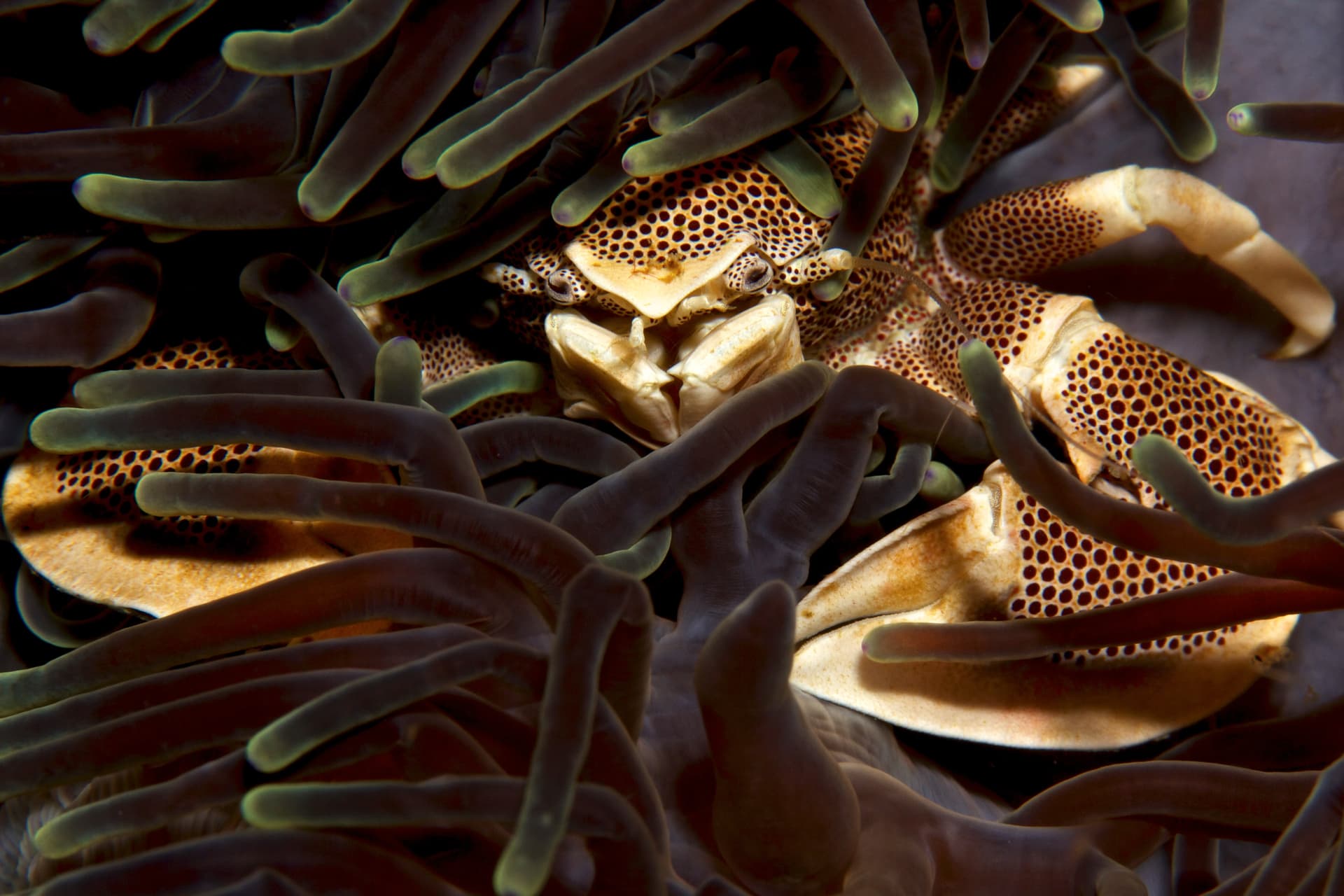
The Saudi Arabian Red Sea has been quietly opening to recreational divers, and the early reports read like fantasy: pristine coral gardens, fish populations so dense they block the light, and dive sites where your group is the first to visit that month. Sometimes that year.
This isn't marketing hyperbole. It's what happens when a coastline remains essentially undived for decades while its neighbour becomes one of the world's busiest dive destinations.
Why Now
Saudi Arabia's Vision 2030 initiative includes developing marine tourism along the Red Sea coast. New liveaboard operations have launched, visa restrictions have eased, and for the first time, international divers can access sites that existed only in expedition reports.
The window for "untouched" won't last forever. What's empty today becomes popular tomorrow.
What You'll Find
The northern Saudi Red Sea shares the same reef systems as Egypt's famous sites — the geological structures don't recognise borders. But without decades of anchor damage, fin kicks, and fishing pressure, the difference is stark.
Coral coverage: Approaching 90% in places, with hard and soft corals in conditions rarely seen elsewhere in the region
Fish life: Dense populations of reef fish, schooling species in numbers that feel historical
Visibility: Classic Red Sea clarity, often 30m+
Wrecks: Several notable wrecks, less explored than Egyptian counterparts
The Regions
NEOM Coast
The northwestern coast near the NEOM development project offers access to reefs that have never seen recreational divers. Infrastructure is developing; early operators are charting new sites.
Yanbu Area
More established than NEOM, with some diving history. Good balance of accessibility and quality.
Farasan Banks
The southern region, less accessible, more expedition-style. For operators willing to make the journey, essentially virgin territory.
Practical Realities
Visas
E-visa now available for most nationalities. The process has simplified dramatically in recent years.
Alcohol
Not available onboard or onshore. Plan accordingly. Liveaboards operate dry.
Operations
Limited but growing. Several quality operators now run the Saudi coast, with experienced crews and well-maintained vessels. This isn't pioneering adventure travel — it's professional liveaboard diving in a new location.
Cultural Considerations
Saudi Arabia remains conservative. Modest dress onshore (particularly for women), respect for prayer times, and general cultural awareness matter. Operators brief guests appropriately.
When to Go
October-May: Primary season. Summer months bring extreme heat topside.
Best months: November-April for comfortable conditions.
Water temperature and visibility follow Red Sea patterns — warm, clear, and consistent.
Who Should Go
Divers who:
- Appreciate being early to a destination
- Value reef quality over established infrastructure
- Have dived Egypt and wondered what it looked like before the crowds
- Want Red Sea conditions without Red Sea traffic
The Opportunity
The Saudi Red Sea in 2025 represents an opportunity that won't repeat. Early visitors get to experience something genuinely rare — world-class reef systems that haven't been degraded by overuse.
In five years, these reefs will have names. In ten years, they'll have reputations. In twenty years, some will show wear.
The window is now.
- Red Sea Egypt: Wrecks, Reefs, and the Best Routes — How the Egyptian side compares
- Oman: The Middle East's Hidden Diving Gem — Another emerging Middle Eastern destination
- Liveaboard Off-Season: Better Deals, Fewer Crowds — Finding uncrowded diving experiences
Related Articles
%20-%20Large.jpg&w=828&q=75)
Best Time to Dive: A Season-by-Season Guide
When to visit the world's top liveaboard destinations for the best conditions and marine life encounters.
Galápagos Diving: What to Expect on Your First Trip
Hammerhead highways, curious sea lions, and currents that demand respect — here's what awaits in the enchanted islands.