Shib Habil
A shallow reef off the Saudi coast where dozens of young whale sharks gather each spring, and almost no one is there to see them.
Shib Habil is a submerged reef platform about four kilometres off Al Lith on Saudi Arabia's Red Sea coast, and a seasonal gathering site for juvenile whale sharks, unusual for its near-even mix of males and females. Each spring, plankton blooms draw young whale sharks into shallow, sunlit water (a six-year study logged around 50 sightings a year), close enough to snorkel or dive without ever leaving the top of the reef. Diving Shib Habil is a genuine frontier experience: emerging and permit-sensitive, reached by liveaboard or by day boat from Al Lith.
Quick answer: Shib Habil is a whale shark encounter over a plankton-rich reef; snorkel and shallow scuba in Saudi Arabia. Best season: March–May, with April–May the reliable peak. Level: Open Water and up; strong snorkelling ability essential. Depth: Shallow reef platform; whale shark action is surface to ~10 m. Typical visibility: Around 20–35 m; often reduced in the densest plankton.
Facts verified September 2026
What makes Shib Habil special
Most whale shark encounters around the world are chance meetings with a lone adult cruising past a cleaning station or a bait ball. Shib Habil is different. It is one of a tiny handful of places on Earth where whale sharks reliably gather in numbers, and the only well-documented juvenile aggregation in this part of the Red Sea. Researchers from King Abdullah University of Science and Technology (KAUST) have studied the site since 2009, photo-identifying and tagging individuals, and their work confirmed what local fishermen had long known: every spring, the reef fills with young sharks.
What sets it apart is the make-up of the group. This is not a scattering of giants but a nursery-like assembly of juveniles, most in the four-to-seven-metre range, with roughly equal numbers of males and females. Individual sharks return year after year, and typically linger around three weeks before dispersing. For a filter feeder that spends much of its life diving to extraordinary depths, this shallow, sociable spring window is a rare gift for divers.
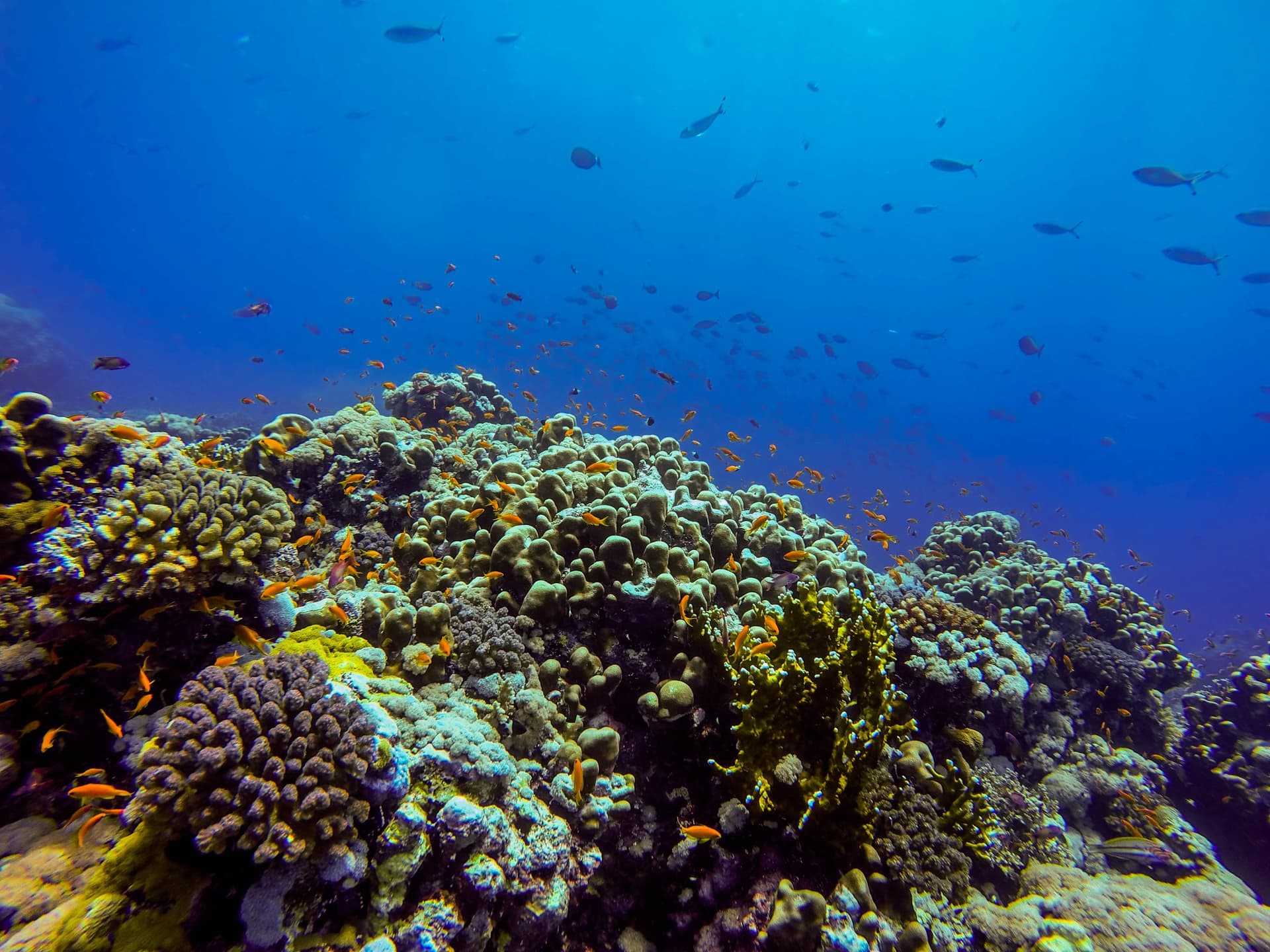
The reef itself is worth the trip on its own. Sitting well offshore and largely spared the bleaching that has scarred other Red Sea reefs, Shib Habil carries dense table and staghorn coral and broad soft-coral gardens. It is the plankton, though, that runs the show.
What you'll see diving Shib Habil
The headline act is the whale shark. In a good spring session you may share the water with several at once, usually feeding at or near the surface where the plankton is thickest. They move slowly and deliberately, and juveniles are often curious rather than shy, giving you long, unhurried passes if you stay calm and keep your distance.
Beyond the sharks, the wider Al Lith reef system delivers a full Red Sea cast. Reef mantas work the same plankton, hammerheads and grey reef sharks patrol the deeper edges, whitetips rest on the sand, and hawksbill turtles pick over the coral. Schools of trevally and barracuda hang in the blue. This is a living, pelagic-rich system, not a single-species show.
- Juvenile whale sharks feeding at the surface — the reason you came
- Reef manta rays drawn by the same plankton bloom
- Hammerhead, grey reef and whitetip sharks on the reef edges
- Hawksbill turtles, trevally and barracuda over healthy hard coral
Conditions, permits and who it's for
Shib Habil is not a technical site — the whale shark encounters happen in the top ten metres, and Open Water certification is enough for the shallow scuba here. What it demands instead is comfort in open, blue water and genuinely competent snorkelling. Much of your time with the sharks will be spent at the surface, finning quietly to keep pace, so free-swimming fitness matters more than a deep logbook. Currents on the reef are generally mild, but this is exposed offshore water and conditions can change.
The honest headline is access. Saudi Arabia is an emerging, permit-sensitive dive frontier. The country now issues eVisas to many nationalities, but operating at Shib Habil depends on the right boat with the right local permissions, and the whale shark aggregation is short and seasonal. This is not a walk-up day trip you can book on arrival; it is a planned expedition to a place still finding its footing as a dive destination. Go in with patience and flexibility, and treat sightings as a wild privilege rather than a guarantee.
When to dive it
The whale shark window is tight. Sharks begin arriving as the water warms and the plankton builds, with the aggregation most reliable from March through May and April and May the dependable peak. By late May the group thins and disperses, and the shallow-water spectacle winds down for the year.
Water temperatures across the season sit in a comfortable 22–27°C, and visibility generally runs 20–35 metres — though expect it to drop in the densest plankton, which is exactly the water the sharks want. The wider Saudi season runs roughly October to May, and liveaboards working the nearby Farasan Banks encounter whale sharks over a longer stretch, but for the concentrated Shib Habil aggregation, spring is the moment to aim for.
How you actually dive it
In practice, Shib Habil is worked from a boat sitting over or beside the reef, with guides scanning the surface for the tell-tale dark shape and dorsal fin. When a shark is spotted, you slip in quietly, usually on snorkel, and let it come to you. Chasing pushes animals down and away; holding position and letting them approach gives the best and longest encounters. Respect the standard distances — no touching, no blocking the path, no riding — both for the animal's welfare and because responsible conduct is what keeps this fragile, young destination open.
Shallow scuba over the reef fills the gaps between surface encounters, letting you explore the coral and the reef's resident sharks and mantas. Bring a wide lens rather than a macro setup; the subjects here are large and the light is bright. A good session is unhurried, weather-dependent and utterly memorable — a handful of young giants in clear, sunlit water, and hardly another diver in sight.
Faneca dives Shib Habil on our Saudi Arabia Red Sea liveaboards running from Al Lith and Jeddah; because this is a permit-sensitive frontier with a short spring whale shark window, we plan these trips well ahead around the March–May aggregation, and only Open Water certification and strong snorkelling are needed to make the most of it.
Shib Habil: common questions
What is the best season to dive Shib Habil?
March–May, with April–May the reliable peak
What experience level do I need for Shib Habil?
Open Water and up; strong snorkelling ability essential
How deep is Shib Habil?
Shallow reef platform; whale shark action is surface to ~10 m
What marine life will I see at Shib Habil?
Juvenile whale sharks (spring), reef mantas, hammerheads, grey reef and whitetip sharks, hawksbill turtles, trevally, barracuda
