Tubbataha or Malapascua? Two Philippine Dive Trips Compared
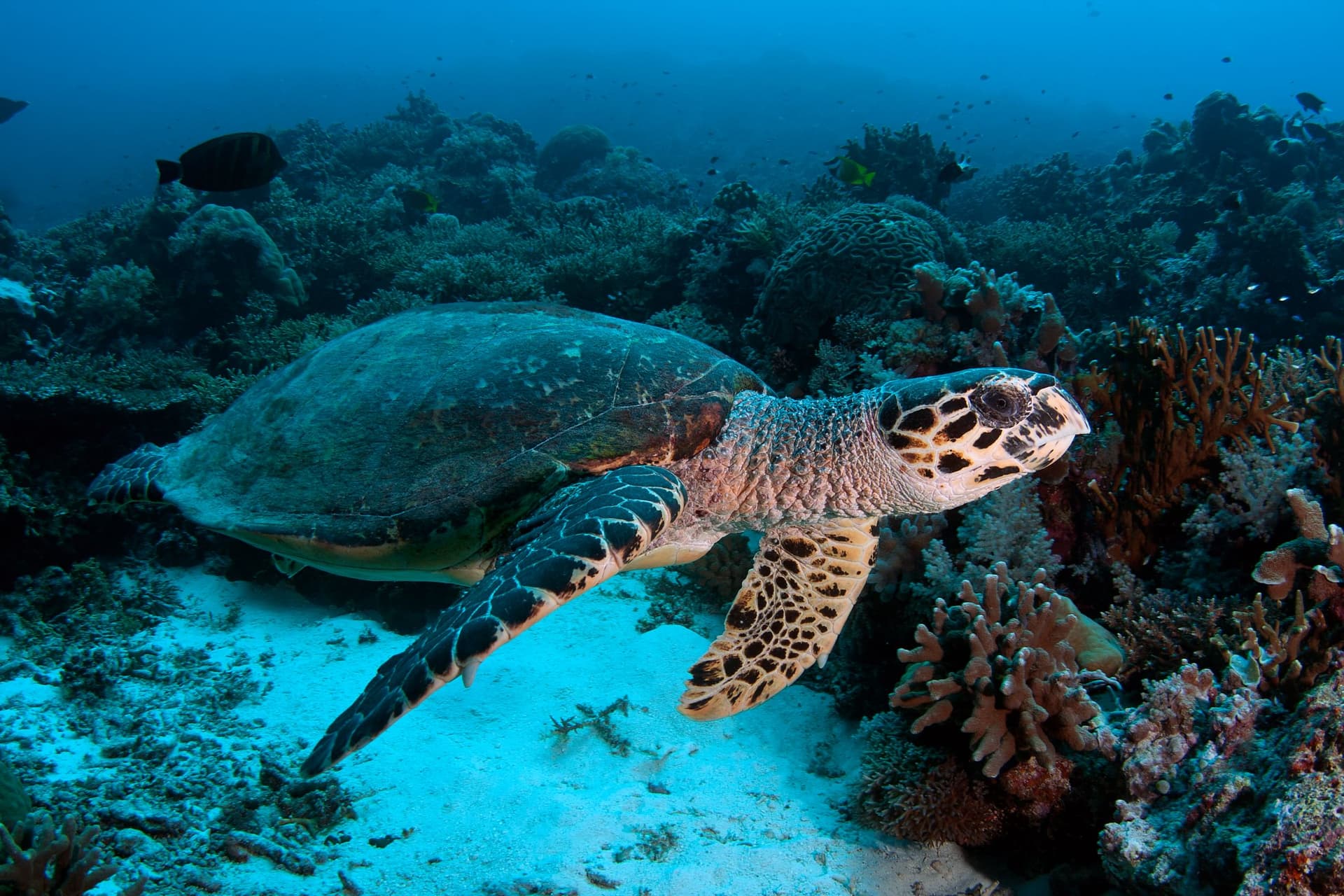
Tubbataha and Malapascua are often named together, but they are different kinds of trip. Tubbataha is a remote atoll park in the Sulu Sea that can only be dived from a liveaboard, for about three months a year. Malapascua is a small island off the northern tip of Cebu, dived all year from resorts and day boats and known for its thresher sharks. It is also a stop on some Visayas liveaboard routes.
The short answer
| Tubbataha | Malapascua | |
|---|---|---|
| What it is | Two atolls and a small reef in the middle of the Sulu Sea, a UNESCO World Heritage Site | A small island in the Visayan Sea, off the northern tip of Cebu |
| How you dive it | Liveaboard only, from Puerto Princesa on Palawan | Day boats from dive centres on the island; also a stop on some Visayas liveaboards |
| Season | About mid-March to mid-June | All year. The clearest water is usually in the first months of the year, and typhoons are most likely in the second half |
| Level | Boats typically ask for Advanced Open Water and 30 to 50 logged dives, with experience in current | Open Water for many sites. Advanced Open Water is worth having for the thresher dive |
| What you see | Walls and hard coral, grey reef and whitetip reef sharks, turtles, schools of jacks and barracuda. Mantas and whale sharks are possible | Pelagic thresher sharks at cleaning stations in the morning. Sea snakes, resting whitetip reef sharks and macro life at Gato Island |
| Trip length | Six nights for the park, around ten with Cagayancillo | As many days as you like on the island. Six to ten nights on most liveaboards that include it |
| From, per person | €2,310 | Resort stay, priced locally. Liveaboards that include it: €2,736 |
Each fare is the lowest confirmed sailing with space on our calendar, per person sharing a cabin.
Tubbataha in brief
Tubbataha Reefs Natural Park lies about 150 km south-east of Puerto Princesa. It is made up of the North Atoll, the South Atoll and Jessie Beazley Reef. There is nowhere to stay and it is too far from land for day boats, so every diver arrives on a liveaboard.
Season. The park is dived from roughly mid-March to mid-June. For the rest of the year the monsoons make the open-sea crossing unsafe. April and May usually have the calmest seas. The water is about 27 to 30°C and visibility is often 20 to 40 m.
The trip. The crossing from Puerto Princesa takes between ten and sixteen hours each way and is made overnight. The standard trip is six nights, with around 19 or 20 dives, weather permitting.
The diving. Almost every dive is a drift along a wall, started from a tender. Grey reef and whitetip reef sharks are regular along the walls, with turtles, schools of jacks and barracuda, tuna and Napoleon wrasse. Manta rays and whale sharks pass by now and then and cannot be counted on. Tiger sharks and hammerheads have been recorded and are rare.
The conditions. Tubbataha is the more demanding of the two. Currents range from mild to strong. They differ from one trip to the next and can change direction or pull downwards in the middle of a dive. The walls fall far below diving depth, and the nearest recompression chamber is at least a full sea crossing away. Boats state that the park does not allow reef hooks or night diving, and gloves are banned.
What boats ask for. Typically Advanced Open Water or equivalent and between 30 and 50 logged dives, depending on the boat, with experience of diving in current.
Dates, fares and each sailing's minimum are on our Tubbataha liveaboards page. Our Tubbataha liveaboard guide covers the sites, the park rules and how to prepare, and we have site guides to Amos Rock and Delsan Wreck.
Malapascua in brief
Malapascua is a small island off the northern tip of Cebu. You fly to Cebu, travel three to five hours north by road to Maya port, and cross by boat in 30 to 45 minutes. The island has dive centres and places to stay, and nearly all its diving is done from day boats.
The thresher sharks. Pelagic threshers are deep-water sharks, listed as Endangered by the IUCN. East of Malapascua two flat-topped shoals rise from deep water to within diving depth: Monad Shoal, about 8 km from the island, and Kimud Shoal, about 15 km away. Cleaner wrasse live on both. The sharks come up to be cleaned, most often in the early morning, which is why the boats leave before sunrise.
Monad Shoal or Kimud Shoal. For about two decades the dive was at Monad Shoal at dawn. Since around 2022 most of the regular sightings have been at Kimud Shoal, where the reef top is shallower, and that is where dive centres now run the thresher dive on most days. They still go to Monad when recent sightings favour it, and tiger sharks are now reported there from time to time. Our Monad Shoal guide describes the site and how the dive is run.
How the dive works. You descend to the top of the shoal, somewhere between about 12 and 25 m depending on the site, settle where the guide places you and wait. The rules protect the sharks: keep the distance your guide sets, do not chase, and use no lights or strobes, because bright light drives the sharks away. Threshers are seen in every month. They are wild animals and some mornings are blank, so allow two or three mornings if they are the reason for your trip.
What dive centres ask for. Each sets its own conditions for the thresher dive. A centre may ask newer divers to dive with a professional or to do a buoyancy session first. Parts of both shoals lie below 18 m, the limit of Open Water training, so Advanced Open Water is worth having.
The rest of the diving. Gato Island is a protected sea-snake site with a tunnel under the island, whitetip reef sharks resting in the overhangs, and seahorses, frogfish and nudibranchs. Many sites around Malapascua suit Open Water divers. The reefs are modest beside Tubbataha's: divers come for the threshers and the small animals.
On a liveaboard. Some Visayas routes on our calendar start or end at Malapascua. The six-night trips run one way, between Malapascua and Dauin on Negros, or between Malapascua and Donsol in southern Luzon. Some ten-night Visayas routes include Malapascua as well. The thresher dive is planned for the days at Malapascua, and the other sites, such as the sardines at Moalboal and the reefs of Apo Island, depend on the route, the week and the weather. Boats on these routes typically ask for Open Water and between about 10 and 30 logged dives, depending on the boat.
Which fits which diver
Tubbataha fits you if:
- you hold Advanced Open Water, have 30 to 50 logged dives or more, and have dived in current
- you can travel between mid-March and mid-June
- you want walls, coral, reef sharks and schooling fish on dive after dive, and no single animal is the point
- a week at sea with two overnight crossings and no land suits you
Malapascua fits you if:
- thresher sharks are the reason for the trip
- you have fewer dives logged, or you are travelling with someone who has
- you need to travel outside Tubbataha's season
- you want to stay on land, dive as much or as little as you like, and pay for your diving locally, by the dive
- you are travelling with someone who does not dive
A Visayas liveaboard fits you if you want the thresher dive as one part of a varied week of reefs, small animals and schooling fish, with easier conditions than Tubbataha.
Neither suits a diver who needs a promise. Tubbataha does not offer one particular animal, and even the threshers have blank mornings.
Doing both in one trip
It can be done, in Tubbataha's season. From mid-March to mid-June both are diveable, and April and May usually have the calmest sea for the crossing.
The usual plan is a Tubbataha week from Puerto Princesa and then a domestic flight to Cebu, followed either by several days on Malapascua or by a Visayas liveaboard that includes it. We do not book flights, but two points matter. Arrive in Puerto Princesa the day before the boat sails. After the Tubbataha week, fly the day after you disembark, not the same morning, which also keeps the usual interval between your last dive and a flight.
The order is a matter of experience. If your logbook is on the thin side for Tubbataha, dive the Visayas first and arrive in the park with a week of recent drift dives behind you. If you are already comfortable in current, either order works.
At the start and end of the season a few longer sailings on our calendar combine Tubbataha with parts of the Visayas in one trip, as boats move into and out of the Sulu Sea. Check the route name and the start and end ports of each departure.
The next Philippines sailings with space:
| Date | Destination | Route | Nights | From |
|---|---|---|---|---|
| 9 Dec 2026 | Philippines | Malapascua: Sharks & Shoals | 6 | €2,736 |
| 16 Dec 2026 | Philippines | Malapascua: Sharks & Shoals | 6 | €2,736 |
| 10 Jan 2027 | Philippines | Malapascua: Sharks & Shoals | 6 | €2,736 |
| 17 Jan 2027 | Philippines | Malapascua: Sharks & Shoals | 6 | €2,736 |
| 24 Jan 2027 | Philippines | Malapascua: Sharks & Shoals | 6 | €2,736 |
| 31 Jan 2027 | Philippines | Malapascua: Sharks & Shoals | 6 | €2,736 |
Every date is on the Philippines calendar, and both trips are described on our Philippines liveaboards page.
Four short questions
Are the thresher sharks at Monad Shoal or Kimud Shoal? Both shoals have cleaning stations. Since around 2022 most regular sightings have been at Kimud Shoal, and dive centres go to whichever has been producing.
Can I dive Tubbataha and Malapascua on the same boat? Not as a rule. Tubbataha trips sail from Puerto Princesa on Palawan, and the liveaboards that include Malapascua run through the Visayas. The usual way to do both is two trips with a domestic flight between them.
Which is better for a newer diver? Malapascua, or a Visayas liveaboard. Tubbataha boats typically ask for Advanced Open Water and 30 to 50 logged dives.
Which costs more? Diving Malapascua from the island usually costs less, because you pay locally for your room and by the dive. Tubbataha is a liveaboard fare plus the park's conservation fee, PHP 5,000 per visitor at the time of writing, paid in pesos. Our Philippines cost guide sets them side by side.
Tell us your dates and what is in your logbook through our concierge, and we will say which trip, or which order, fits.
Related Guides
Related Articles
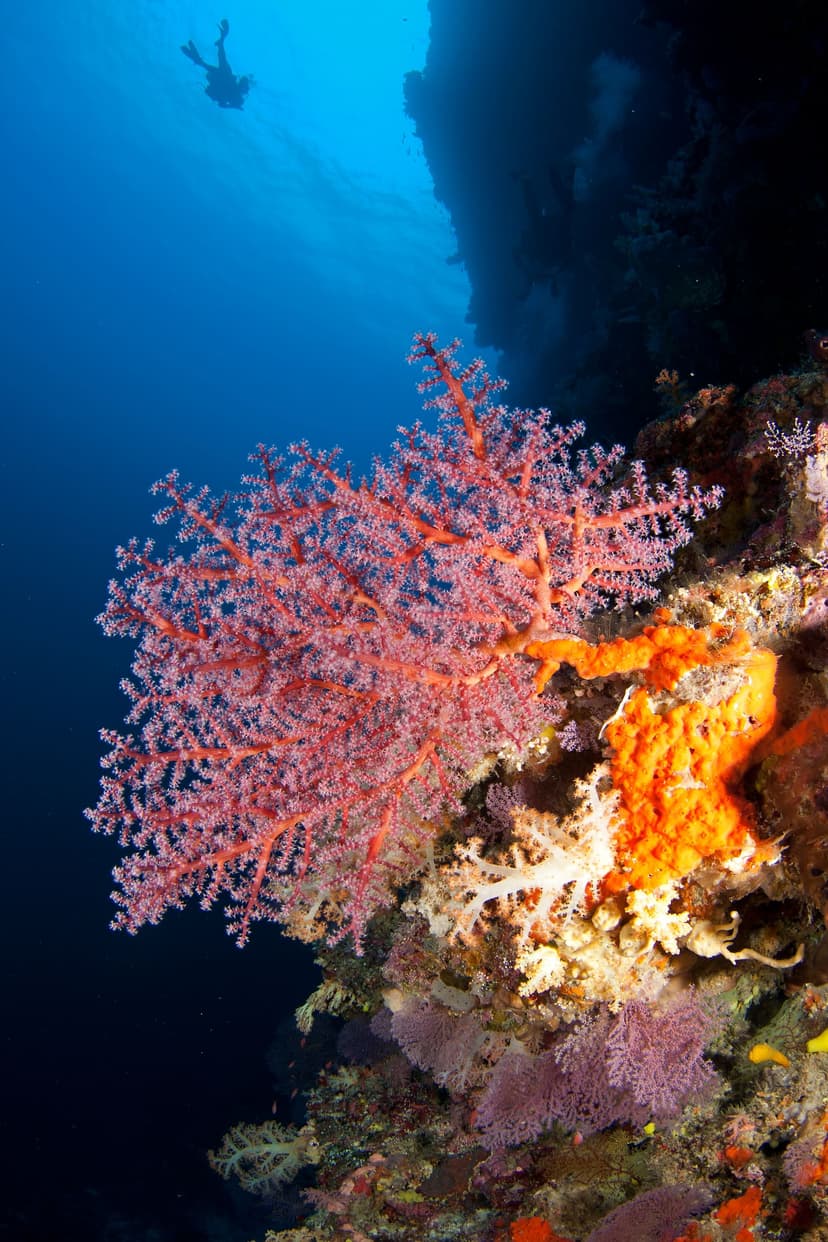
Tubbataha Reefs: The Complete Liveaboard Guide
Tubbataha can only be dived from a liveaboard, for about three months a year. The season, the crossing from Puerto Princesa, the atolls and their sites, the park rules, what boats ask of a diver and how to prepare.
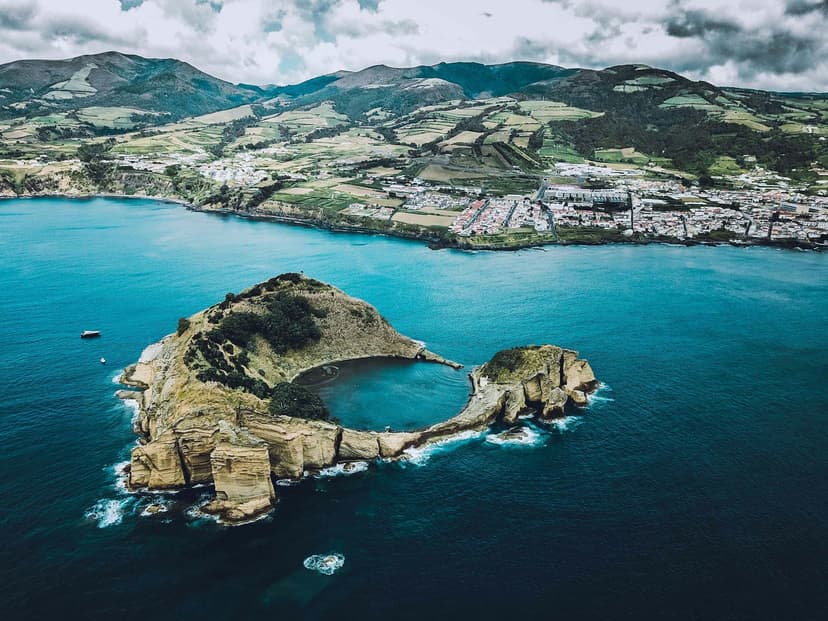
Diving the Azores: Blue Sharks, Mobulas and the North Atlantic's Largest Protected Network
In 2024 the Azores created the largest network of marine protected areas in the North Atlantic, about 287,000 km² of ocean that blue sharks, mobulas and sperm whales pass through. Here is why we think it is the most underrated diving in Europe, island by island and month by month.