Tubbataha Reefs Liveaboards
Two atolls and a lone reef in the middle of the Sulu Sea, reached only by liveaboard from Puerto Princesa, for about three months a year.
Tubbataha Reefs Natural Park lies in the middle of the Sulu Sea, about 150 km south-east of Puerto Princesa on Palawan. It is made up of two atolls, North and South, and the small Jessie Beazley Reef about 20 km to the north, and it covers about 97,000 hectares of reef and open water. UNESCO listed it as a World Heritage Site in 1993. Rangers staff a station on the North Atoll all year, and there is nowhere for visitors to stay, so every diver arrives on a liveaboard.
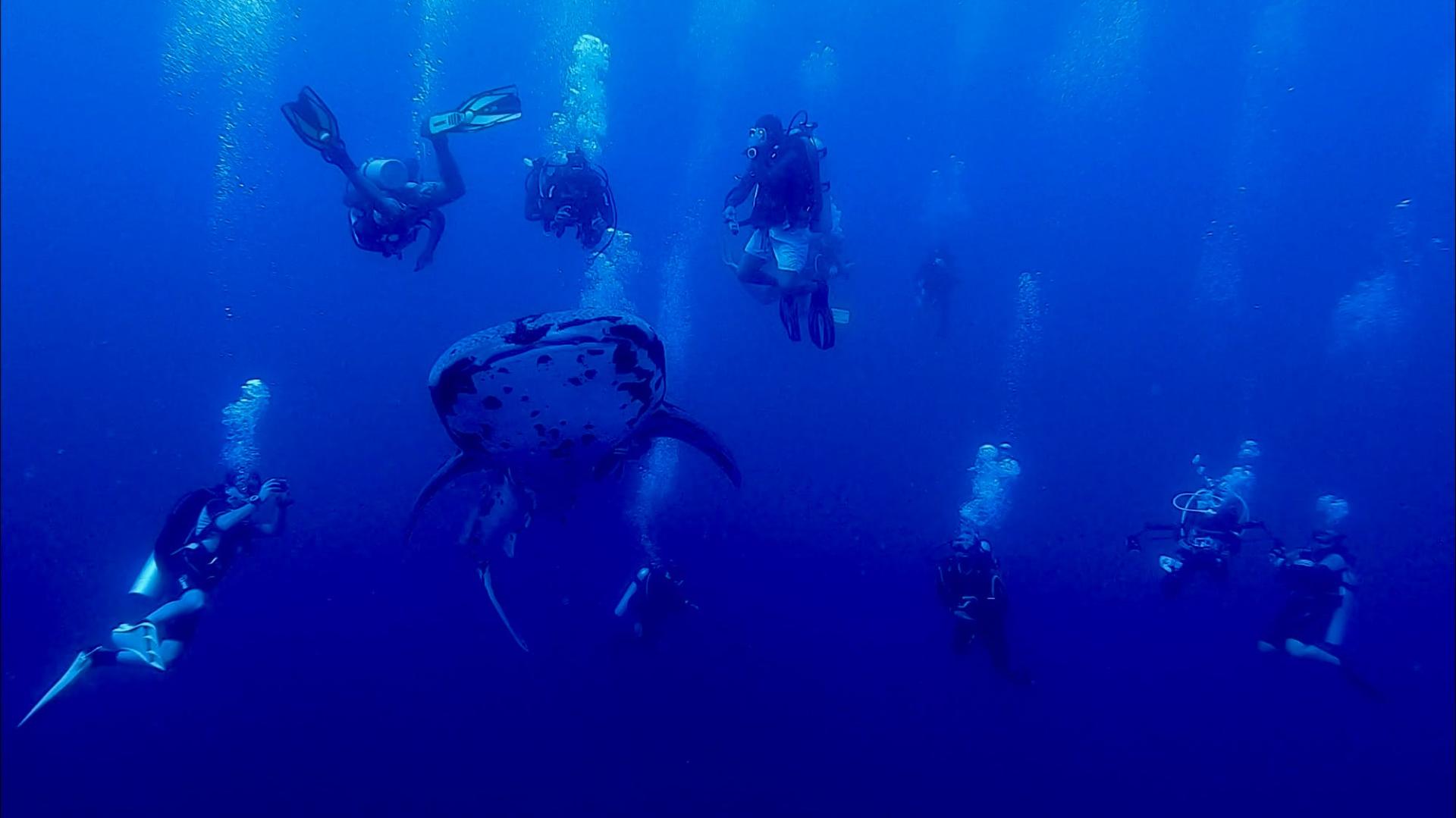
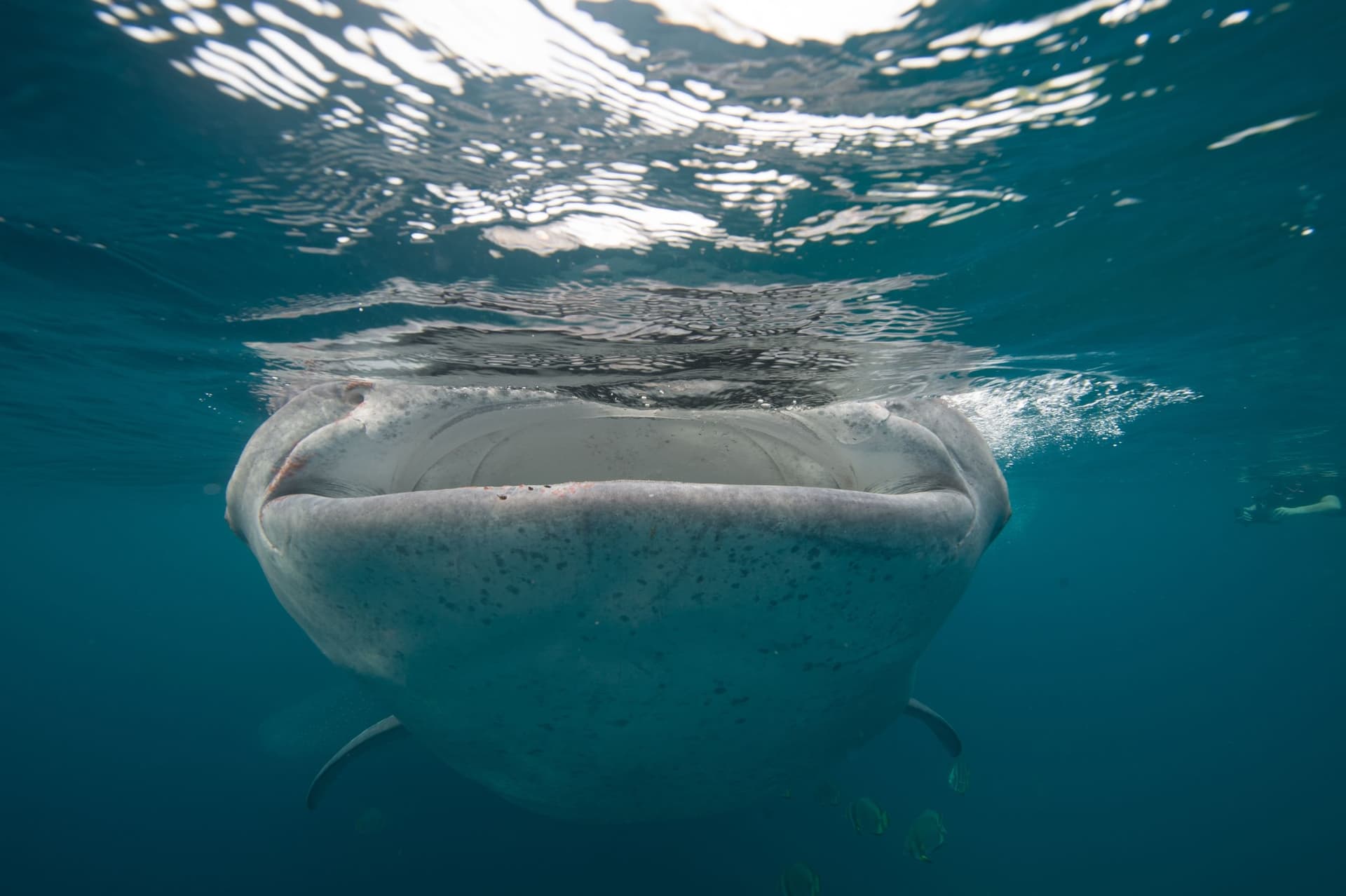
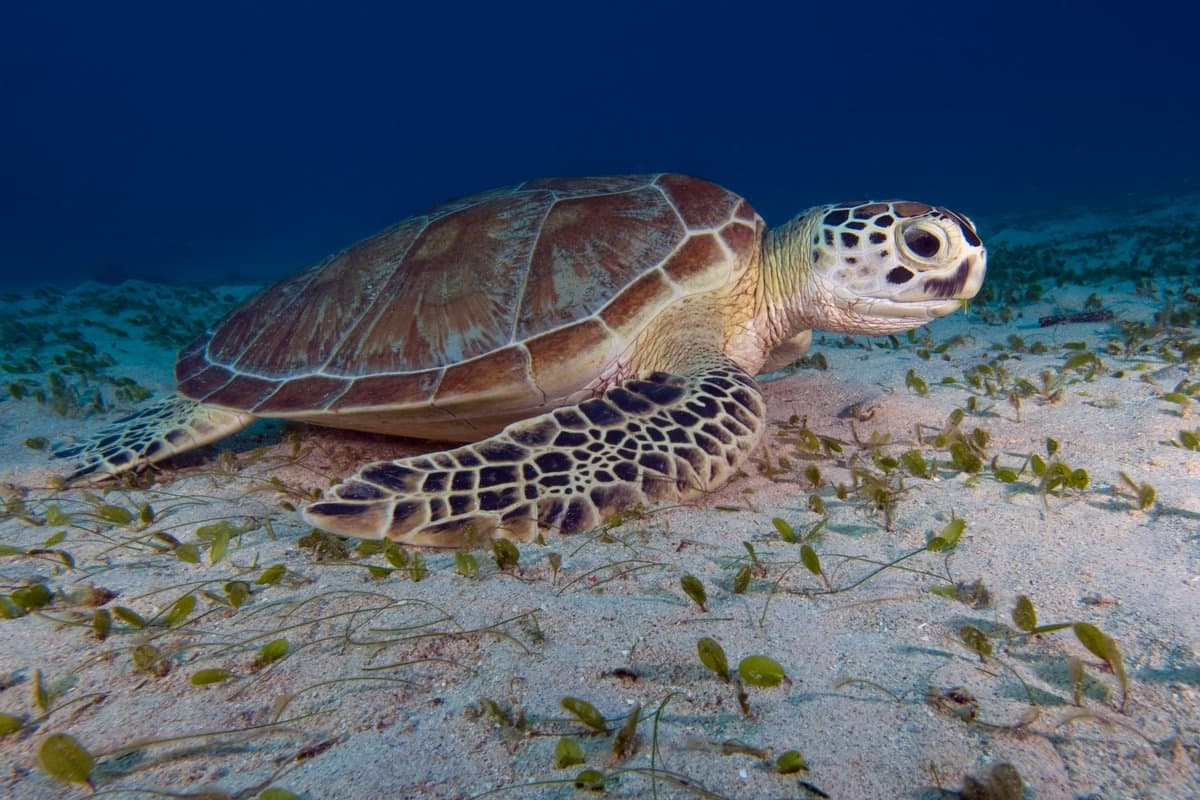
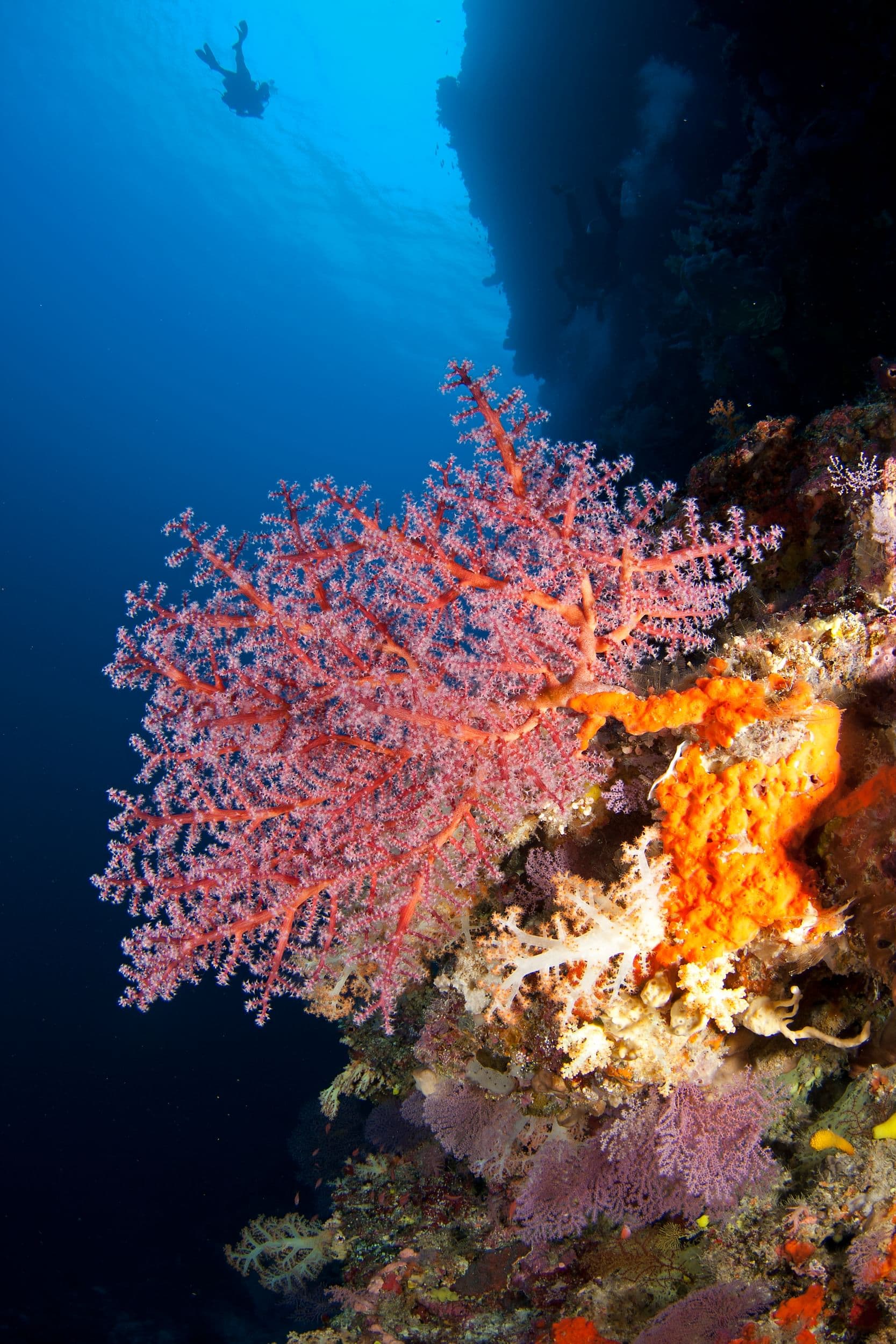
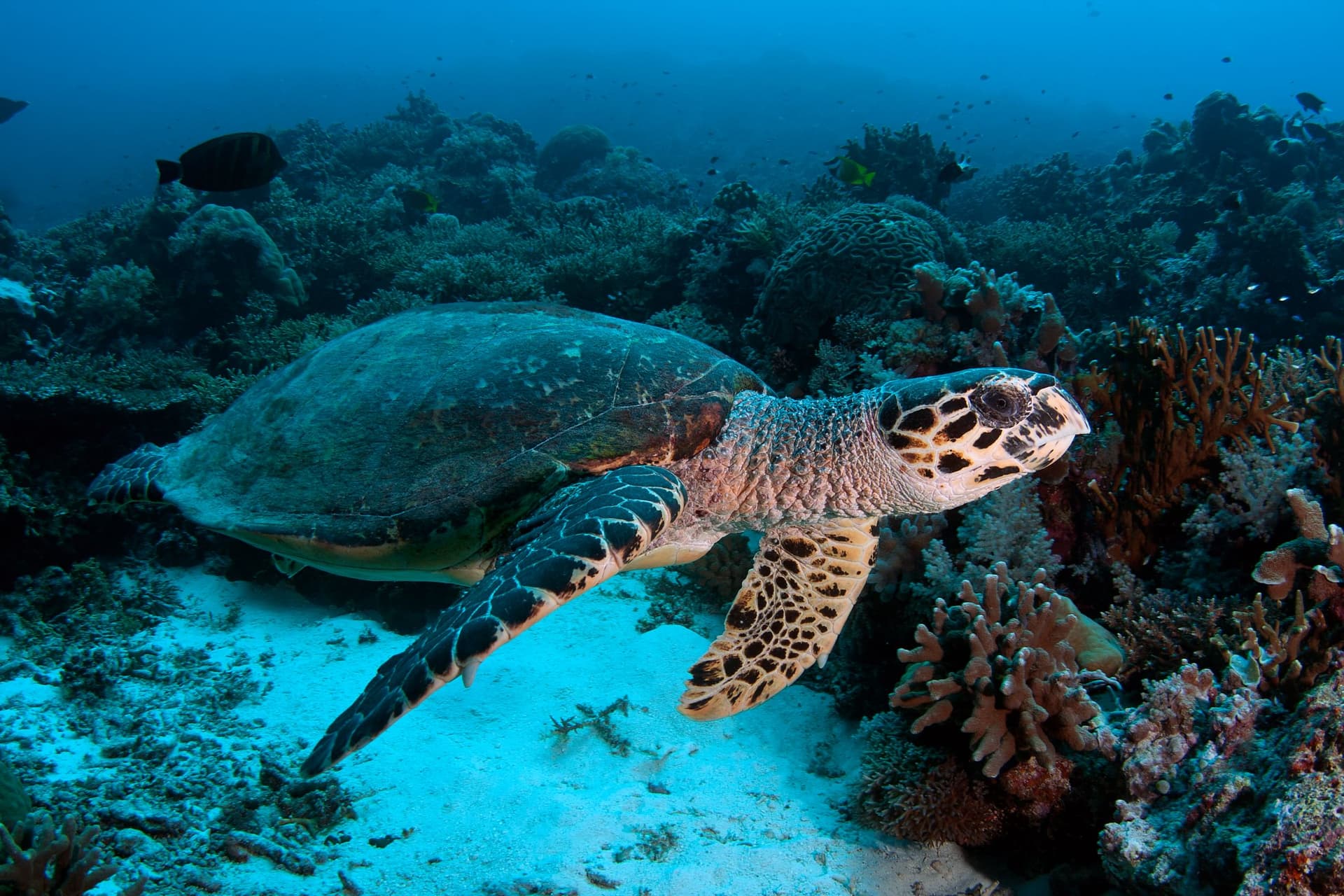
The diving is on the outer edges of the atolls: shallow reef tops covered in hard coral that tip over into walls falling far below diving depth. Grey reef and whitetip reef sharks are regular along the walls, with schools of jacks and barracuda, tuna, Napoleon wrasse, and the green and hawksbill turtles that nest in the park. Manta rays and whale sharks pass by now and then. Tiger sharks and scalloped hammerheads have been recorded by researchers and are reported by divers from time to time, but nobody should plan a trip around them.
The standard trip is six nights from Puerto Princesa: an overnight crossing, four full days and a final morning in the park, and an overnight crossing back. In that time most boats dive both atolls and, weather permitting, Jessie Beazley Reef. Trips of around ten nights add the reefs of Cagayancillo, the island municipality the park belongs to. At the start and end of the season a few sailings combine Tubbataha with other areas, such as the Visayas, Apo Reef and Coron, or Anilao, as boats move into and out of the Sulu Sea. Those are listed here too, so check the route name and the start and end ports of each departure. The dates below come from our live calendar, so they show what is actually sailing.
Tubbataha Reefs departures
Live from our calendar: per person sharing, from the lowest cabin. Hold any place free for 72 hours.
Marie-Ines
Cebu, Apo Island & Tubbataha
Apo Island and Cagayancillo on the way to Tubbataha
from €3,600
Dolphin
Apo Reef, Coron & Tubbataha
Apo Reef and the Coron wrecks, then Tubbataha
from €3,833
Philippine Siren
Tubbataha & More
Tubbataha and the Visayas, one way
from €7,705
Where you'll dive
Also on many itineraries: Shark Airport and Washing Machine (North Atoll), Malayan Wreck and Wall Street (North Atoll), Black Rock and Ko-ok (South Atoll), Triggerfish City and Staghorn Point (South Atoll), Jessie Beazley Reef, Cagayancillo (longer trips).
Best time for Tubbataha Reefs
Tubbataha is dived for about three months a year, from roughly mid-March to mid-June. For the rest of the year the northeast monsoon, from about November to March, and the southwest monsoon, from about July to October, make the open-sea crossing unsafe. Late March can still bring a bumpy crossing. April and May usually have the calmest seas. June can bring the first southwest monsoon weather before the season ends. A few of the longer combination trips on our calendar start in late February or run into July; on those, check how many days the itinerary plans inside the park.
The water is warm throughout, about 27 to 30°C, and visibility is often 20 to 40 m. The reef sharks, turtles and schooling fish are there all season, so the month you choose matters more for the sea than for the wildlife. Whale sharks and manta rays are possible at any point, with April and May the likeliest months, but they pass through rather than stay, and no trip can count on them.
The season is short and only a limited number of boats hold a permit for the park, so the choice of dates and cabins narrows early. If you need a particular week, look a year ahead.
Experience you'll need
Tubbataha is not a first liveaboard. Boats typically ask for Advanced Open Water or equivalent and between 30 and 50 logged dives, depending on the boat, with experience of diving in current; the minimum for each departure is shown on its listing. Do not count on taking the Advanced course on board: finish it before you travel.
Almost every dive is a drift along a wall, started from a tender. Currents range from mild to strong, differ from one trip to the next, and can change direction or pull downwards in the middle of a dive. You should be able to descend promptly with the group, hold your depth beside a wall with no bottom in sight, and send up a surface marker buoy from depth, because the tender collects you wherever the drift ends. Carry a dive computer and an SMB on every dive, and set a depth limit before you roll in: in clear water over a deep wall it is easy to drift below it.
The park is a long way from help. The nearest recompression chamber is at least a full sea crossing away, so dive conservatively and carry dive insurance that covers evacuation. If you are prone to seasickness, bring what works for you: there are two open-sea crossings and no land to step onto in between.
If Tubbataha is a step too far this year, a week in the Visayas builds the drift experience first. Tell us what and where you have dived and we will say plainly which week fits.
How the trip works
Trips start and end in Puerto Princesa, on Palawan. Its airport (PPS) is a short drive from the harbour and has domestic flights from Manila, which take under an hour and a half, and from Cebu. We do not book flights, but the safe plan is to arrive the day before the boat sails, because a missed departure cannot be caught up at sea.
The crossing takes between ten and sixteen hours each way, depending on the boat and the sea: the park office gives 10 to 12 hours, and some boats allow up to 16. It is run overnight in both directions. You disembark on the last morning and the arrival time depends on the weather, so avoid an early flight that day, which also keeps the usual no-fly interval after your last dive.
A full day in the park has three day dives and a sunset dive, and the last day has two morning dives before the boat turns for home. That adds up to around 19 or 20 dives on a six-night trip, weather permitting, and boats generally cap each dive at 60 minutes. Many trips include a visit to the ranger station on the North Atoll. Landing on the park's two islets, where seabirds nest, is not allowed.
The park's rules shape the trip. There is no fishing of any kind and no anchoring on the reef: boats tie up to the park's mooring buoys. Divers may not wear gloves, carry pointer sticks or tank bangers, or touch, feed, chase or collect anything, and single-use plastic bottles, cups and cutlery are banned on board. Boats state that the park does not permit night diving, so the last dive of the day is at sunset. Boats also state that reef hooks are not allowed, so leave yours at home, and a drone needs a permit from the park office, applied for in advance.
The park charges every visitor a conservation fee, PHP 5,000 at the time of writing, with children aged 12 and under exempt. It pays for the rangers and their patrols. Most boats charge it on top of the fare, usually on board and sometimes together with port fees, and your confirmation shows the amount. Nitrox, where offered, rental equipment and crew tips are extra too. A 3 mm wetsuit is enough for most divers, with a hooded vest if you feel the cold by the fourth dive of the day.
Tubbataha Reefs: common questions
When is the Tubbataha liveaboard season?
From about mid-March to mid-June. Outside those months the monsoons make the open-sea crossing from Puerto Princesa unsafe. April and May usually have the calmest seas; late March and June can be rougher.
How long is the crossing from Puerto Princesa to Tubbataha?
Between ten and sixteen hours by sea, depending on the boat and the conditions: the park office gives 10 to 12 hours and some boats allow up to 16. The crossing is made overnight. There are no day boats and nowhere to stay in the park, so a liveaboard is the only way to dive it.
What experience do I need for a Tubbataha liveaboard?
Boats typically ask for Advanced Open Water or equivalent and 30 to 50 logged dives, depending on the boat, plus experience of drift diving in current. Each departure shows its own minimum. Dives are along walls from tenders, so carry a dive computer and a surface marker buoy on every dive.
Can you night dive at Tubbataha?
No. Boats state that the park does not permit night diving, so the day ends with a sunset dive. The park also bans gloves, fishing, and touching or feeding marine life, and boats generally limit each dive to 60 minutes.
How much does a Tubbataha liveaboard cost?
It depends on the boat, the cabin and the length of the trip. The departures on this page show the current fare per person for each sailing. On top of the fare, the park charges a conservation fee of PHP 5,000 per visitor (children aged 12 and under are exempt), and nitrox, rental equipment and crew tips are usually extra.
Not sure this route is right for you?
Tell us your experience and dates and we'll match you to the right route, week and boat.