How to Choose the Best Red Sea Liveaboard Boat
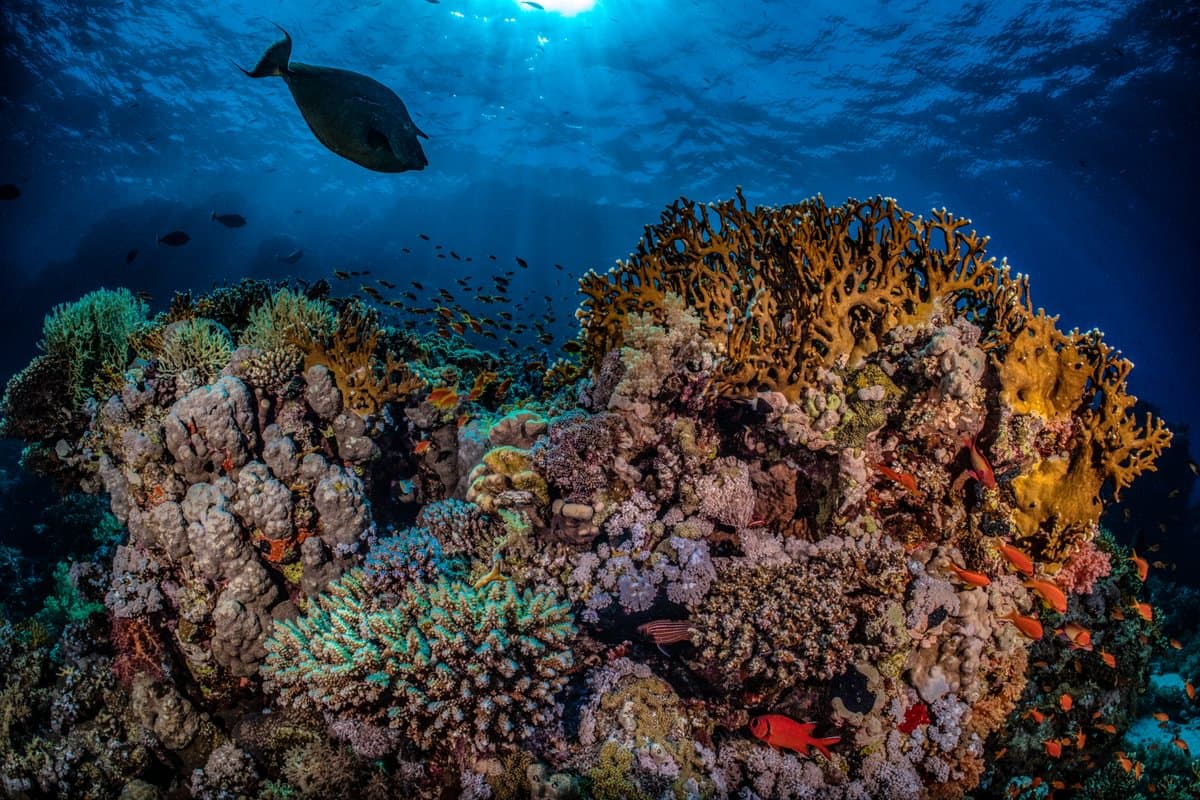
Picking the best Red Sea liveaboard boat isn't about chasing the prettiest brochure photo. It's about matching the vessel to the route you actually want to dive in the Red Sea (Egypt) — because a boat built for gentle northern reefs is the wrong boat for shark-patrolled offshore pinnacles. Get the pairing right and the whole week clicks into place. Get it wrong and you've paid for a cabin you'll resent by day three.
The general "how do I pick a liveaboard" question is covered elsewhere, and so are the routes themselves. This piece stays narrow: the boat decision, Egypt-specific. What follows is how experienced bookers do it.
Start With the Route — the Boat Comes Second
Most first-timers get this backwards. They fall for a boat, then bolt on whatever itinerary it happens to run. Flip that. Decide where you want to dive, then find the boat that does it well.
Different Egyptian routes ask different things of a vessel — and of you. A quick map (we go deeper in our Red Sea liveaboard routes guide):
| Route | Known for | What the boat needs | Diver level |
|---|---|---|---|
| Northern Wrecks & Reefs (Tiran, Ras Mohammed, SS Thistlegorm) | Iconic wrecks, sheltered reefs, easy logistics | Comfort over range; close to Hurghada/Sharm | Open Water+ comfortable |
| Brothers, Daedalus, Elphinstone (BDE) | Pelagics, walls, sharks, blue-water hangs | Range, stable hull, strong tenders, good guide ratio | Advanced, roughly 50+ dives |
| Deep South & St John's | Remote reefs, fewer crowds, long crossings | Big fuel range, sea-keeping, sometimes longer trips | Advanced, self-sufficient |
| Ras Mohammed / Strait of Tiran (short hops) | Reef diving, accessible, family-friendly | Any well-run mid-range boat does fine | All levels |
The pattern is clear. The further offshore you go, the more the boat's capability — not its cushions — starts to matter. A northern reef week rewards a comfortable, well-fed, sociable boat. A BDE or Deep South week rewards range, stability, and crew who know those sites cold. For a route-vs-route breakdown, see Brothers vs Northern Wrecks.
What the Price Step Actually Buys
Egyptian liveaboards span a wide price band, and the gap between tiers is real — though not always where people assume. You're rarely paying more for "better diving." You're paying for the margins that make a hard week comfortable and a remote week safer.
Roughly how the tiers shake out:
| Tier | Typical week (per diver, ex-flights) | What you actually get |
|---|---|---|
| Budget | ~€800–1,300 | Smaller cabins, shared bathrooms common, basic food, one tender, higher diver count, leaner crew |
| Mid-range | ~€1,300–2,000 | En-suite cabins, decent food, two tenders, Nitrox often included, sensible group size |
| Premium | ~€2,000–3,500+ | Larger cabins, stabilisers, multiple zodiacs, better guide-to-diver ratio, free Nitrox, sometimes private guides |
Prices swing by season, route length, and the dollar, so treat these as ballparks, not quotes.
What the premium step really buys on offshore routes:
- Stabilisers. On exposed BDE and Deep South crossings, a stabilised hull is often the difference between sleeping and being seasick. Worth more than it sounds.
- Tender count. Two or three tenders mean smaller groups dropped on the site faster, with shorter surface waits in current.
- Guide-to-diver ratio. A premium boat might run one guide per four to six divers; a packed budget boat can stretch past ten. On a current-swept pinnacle, that ratio is a safety feature, not a luxury.
- Cabin size and en-suite. Seven nights is a long time in a coffin-sized bunk. This is the upgrade people regret skipping.
A mid-range boat with a great crew beats a tired "premium" boat with a fresh coat of paint every time. The hardware matters less than the people running it — which is exactly what a good agent vets for.
The Safety Checks You Don't Skip
The Red Sea is one of the world's great dive destinations, and it has also seen several well-publicised liveaboard incidents in recent years — fires, sinkings, evacuations. That's not a reason to stay home. It's a reason to vet properly.
Before you put money down, the non-negotiables:
- A real safety briefing. Good operators brief muster stations, life jackets, fire exits, and emergency procedures on day one — not just dive sites. If safety is an afterthought on paper, assume it's an afterthought at sea.
- Onboard emergency oxygen and a first-aid setup. O2 should be present, full, and the crew should know where it is. Ask.
- DAN or equivalent cover and a stated evacuation plan. Remote routes are hours from a recompression chamber. The boat should know the drill.
- Build and maintenance standards. Well-maintained hulls, working alarms, accessible exits. Several past incidents have been linked to older boats and maintenance gaps.
- Recent, specific reviews. Not the operator's own testimonials — independent reviews from the last year or two that name the actual boat. Patterns matter more than any single complaint.
This is where a reputable operator earns its keep, and where our concierge does the unglamorous work of checking the things you can't easily verify from a laptop.
Group Size, Guide Ratio, and Nitrox
Three smaller details quietly shape your week.
Group size. Egyptian boats commonly carry somewhere around 16 to 26 divers. Fewer divers means shorter surface intervals, less queuing for the tender, and more relaxed dives. On busy reef routes a big group is survivable; on current-heavy offshore sites, a smaller, well-led group is genuinely better diving.
Guide-to-diver ratio. Ask the actual number per guide. Anything around 1:4 to 1:6 is comfortable for offshore Red Sea diving. Push past 1:8 on a route like the Brothers and you're effectively diving solo in a crowd.
Nitrox. On a Red Sea week of three to four dives a day, Nitrox extends bottom time and shortens surface intervals — close to essential for the repetitive-dive grind. Check whether the boat has a working Nitrox membrane (continuous blending) versus partial-pressure fills, and what it costs. Budget roughly €50–150 for the week; premium boats often bundle it free. A boat that can't reliably supply Nitrox is a real mark against it for offshore routes.
Are You Actually Qualified for This Boat?
Offshore Red Sea routes carry soft entry requirements that good operators take seriously.
- Brothers, Daedalus, Elphinstone (BDE): generally Advanced certification and around 50+ logged dives, with solid air consumption and comfort in current and blue water. Some operators ask for more.
- Deep South & St John's: similar experience expectations, plus genuine self-sufficiency — you're a long way from help.
- Northern reefs & wrecks: far more forgiving; a comfortable Open Water or Advanced diver does well here.
Air consumption is the quiet gatekeeper. Offshore sites involve current, depth, and blue-water hangs — if you drain your tank in 30 minutes, those dives get cut short and stressful. Be honest about where you are. Not sure which route fits your level? Our trip matchmaker quiz is built for exactly that, and our how-to-choose-by-level guide goes deeper.
Season Matters Too
The boat you want can shift with the calendar. Roughly:
- Spring and autumn — the sweet spot for offshore routes: warmer water, good visibility, pelagic action ramping up.
- Summer — hot topside, warm water, and prime time for the Brothers and Deep South; some divers find the deck heat punishing.
- Winter — cooler water and choppier offshore crossings, which is exactly when stabilisers and a sturdy hull pay off. Northern routes hold up better than exposed southern ones.
Match the boat's capability to the conditions you'll actually meet. A light boat on a windy winter BDE crossing makes for a long, green-faced week.
Where an Agent Quietly Helps
You can absolutely book a Red Sea liveaboard direct. Plenty of people do. But the things that separate a great trip from a regrettable one — the real guide ratio, the maintenance history, whether last season's reviews flagged anything, whether the boat genuinely suits your route and level — aren't on the booking page.
That's the gap our concierge fills. We work with hand-picked Egyptian operators, ask the awkward questions, and shortlist boats against your route, budget, and experience rather than against whoever paid for the banner ad. You can browse what's currently bookable on our departures calendar, or read the full Red Sea destination guide for the bigger picture.
Frequently Asked Questions
What's the best Red Sea liveaboard route for first-timers?
The Northern Wrecks & Reefs itinerary — Tiran, Ras Mohammed, and the SS Thistlegorm. It's sheltered, logistically easy, and forgiving on air consumption, so a comfortable Open Water or Advanced diver can enjoy it without offshore pressure. Save the Brothers and Deep South for once you've logged more dives.
How much does a Red Sea liveaboard cost?
Expect roughly €800–1,300 for a budget week, €1,300–2,000 mid-range, and €2,000–3,500+ for premium boats, per diver and excluding flights. Prices shift with season, route length, and exchange rates, so treat these as ballparks. Factor in Nitrox (~€50–150/week if not included), park fees, and crew tips (commonly around 5–10% of the trip).
Do I need Nitrox for a Red Sea liveaboard?
It's close to essential. With three to four dives a day for a week, Nitrox extends bottom time and shortens surface intervals — a real quality-of-life gain. Confirm the boat has a working Nitrox membrane and check whether it's included or charged separately before booking.
Is the Red Sea safe for liveaboard diving?
The Red Sea is a world-class destination, but it has seen liveaboard incidents in recent years, so vetting matters. Choose a well-maintained boat with a proper safety briefing, onboard emergency oxygen, DAN-style cover, a stated evacuation plan, and recent independent reviews. A reputable operator — or a concierge who checks these for you — meaningfully lowers the risk.
Want help picking the right Red Sea boat for your route, budget, and experience level? Talk to our concierge for a personalised, vetted shortlist.
- Red Sea Liveaboard Routes: North, South, BDE, and Deep South — Pick the itinerary before you pick the boat.
- Red Sea Route Deep Dive: Brothers Islands vs Northern Wrecks — Head-to-head on the two classic Egyptian routes.
- How to Spot a Quality Liveaboard Operator — The safety and vetting checks that actually matter.
- How to Choose the Right Liveaboard for Your Level — Match the trip to your certification and air consumption.
Related Articles
%20-%20Large.jpg&w=828&q=75)
Best Time to Dive: A Season-by-Season Guide
When to visit the world's top liveaboard destinations for the best conditions and marine life encounters.
Galápagos Diving: What to Expect on Your First Trip
Hammerhead highways, curious sea lions, and currents that demand respect — here's what awaits in the enchanted islands.