Red Sea Egypt: Wrecks, Reefs, and the Best Routes
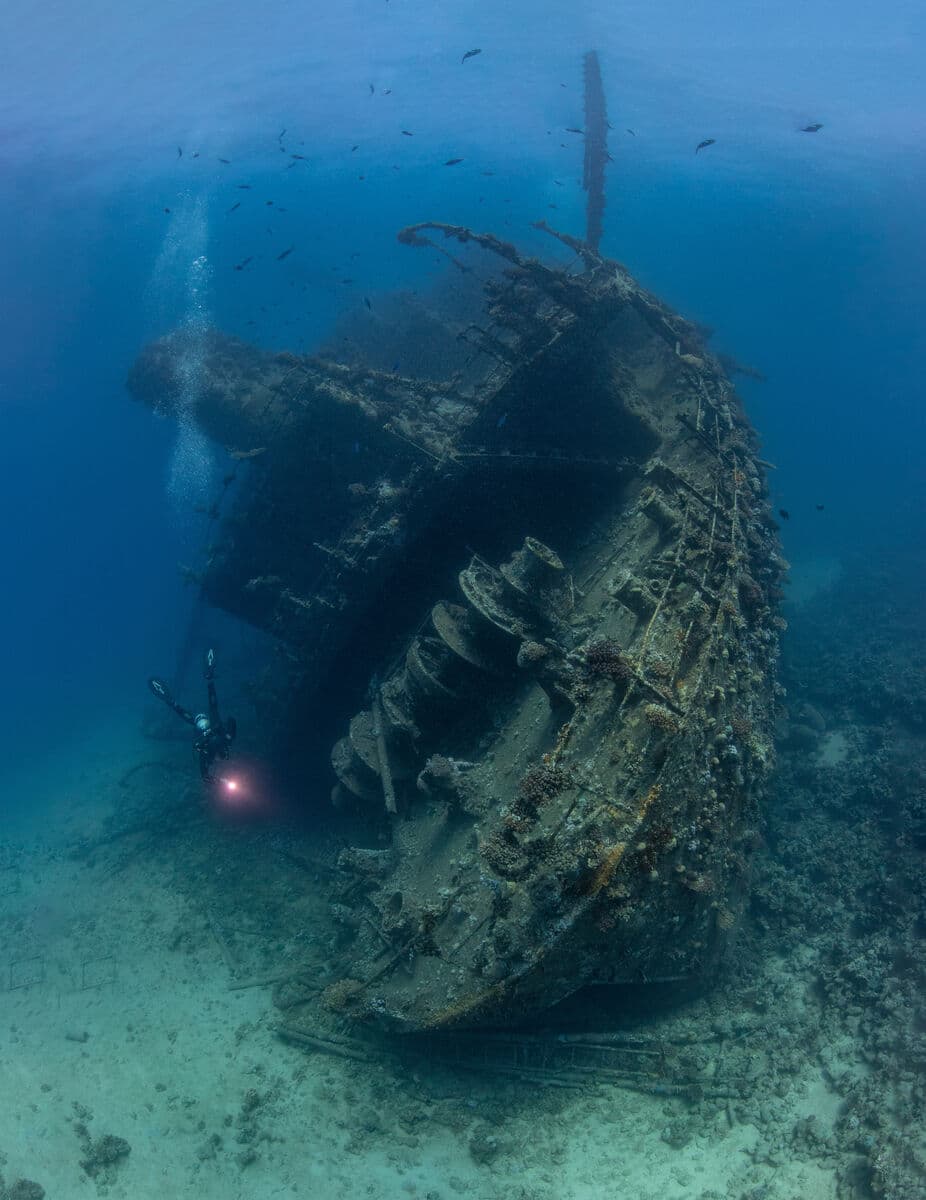
The Egyptian Red Sea built the modern liveaboard industry. Accessible from Europe, loaded with world-class wrecks, and blessed with conditions that spoil divers for everywhere else — it remains the proving ground for new divers and a reliable favourite for experienced ones.
The Routes
Northern Wrecks
The classic introduction to Red Sea liveaboards. Departing from Hurghada, these trips focus on the legendary wrecks near the Strait of Gubal.
The Thistlegorm: The world's most famous wreck. A WWII British cargo ship loaded with military supplies — motorcycles, trucks, locomotives, ammunition — frozen in time at 30 metres. It's dived heavily because it deserves to be.
The Rosalie Moller: Less visited than the Thistlegorm, often done as a night or early morning dive. Atmospheric, intact, and excellent for those who prefer wrecks without crowds.
The Dunraven and Carnatic: Classic Red Sea wrecks with excellent coral growth and ambient light penetration.
Best for: Wreck enthusiasts, newer liveaboard divers, those with limited time.
Brothers, Daedalus, Elphinstone (BDE)
The shark route. These offshore reefs sit in deep water, far from shore, and attract oceanic species that rarely visit coastal sites.
Big Brother: A wall dropping into the abyss with resident grey reef sharks and seasonal thresher shark sightings at depth. Two wrecks on the reef add variety.
Little Brother: Arguably better than its larger sibling for shark action. Smaller, more concentrated, and often delivers.
Daedalus Reef: Remote, oceanic, and famous for hammerhead sightings. The schooling can be spectacular during peak season.
Elphinstone: Oceanic whitetip territory. This reef has the highest concentration of oceanic whitetip encounters in the Red Sea — an increasingly rare species worth the journey.
Best for: Experienced divers, shark enthusiasts, photographers.
St. John's and the Deep South
Softer coral gardens, pristine reefs, and a different character from the offshore routes.
Habili Ali: Brilliant soft corals and potential hammerhead sightings.
Fury Shoals: Sheltered lagoons with dolphins, healthy reefs, and relaxed diving.
Best for: Those wanting reef beauty over shark intensity, photographers, mixed-level groups.
Conditions
The Red Sea spoils divers with:
- Visibility: 20-40+ metres typical
- Temperature: 22-28°C depending on season and depth
- Currents: Moderate; stronger at offshore sites
- Salt content: High — you'll float like a cork
Year-round diving is possible, though summer (June-August) brings intense heat topside and winter (December-February) cooler water temperatures requiring thicker exposure suits.
Best Times for Specific Goals
- Oceanic whitetips at Elphinstone: October-December
- Thresher sharks at Brothers: June-August (early morning dives)
- Hammerheads at Daedalus: June-August
- Comfortable conditions overall: March-May, September-November
The Operator Question
Egypt has hundreds of liveaboards ranging from budget to luxury. Quality varies enormously. The cheapest boats cut corners on food, safety equipment, and crew training. The best boats rival anything in the world.
Research matters. Recent reviews, safety records, and specific boat (not just company) matter more than glossy websites.
Is It Still Worth It?
The Red Sea has been heavily dived for decades. Some sites show it. The Thistlegorm sees hundreds of divers daily during peak season.
But the offshore routes remain spectacular. The Brothers still deliver sharks. Daedalus still schools hammerheads. The accessibility from Europe means you can do a serious liveaboard trip in a week, including flights.
For European divers especially, the Red Sea remains unbeatable value for world-class diving.
- Red Sea Liveaboard Routes: North, South, BDE, and Deep South — Comparing all the Red Sea route options
- Red Sea Route Deep Dive: Brothers Islands vs Northern Wrecks — Which Red Sea route is right for you
- Saudi Arabia: The Untouched Red Sea — Exploring the other side of the Red Sea
Related Articles
%20-%20Large.jpg&w=828&q=75)
Best Time to Dive: A Season-by-Season Guide
When to visit the world's top liveaboard destinations for the best conditions and marine life encounters.
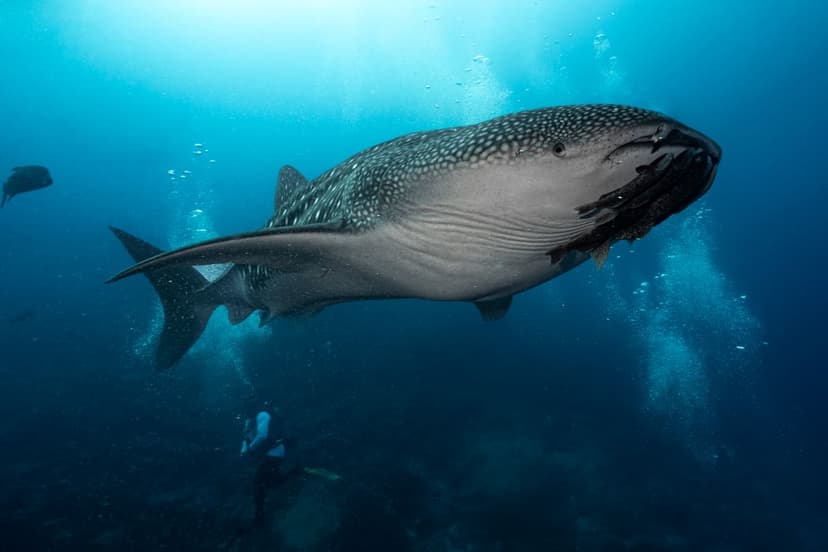
Galápagos Diving: What to Expect on Your First Trip
Hammerhead highways, curious sea lions, and currents that demand respect — here's what awaits in the enchanted islands.