Red Sea Route Deep Dive: Brothers Islands vs Northern Wrecks
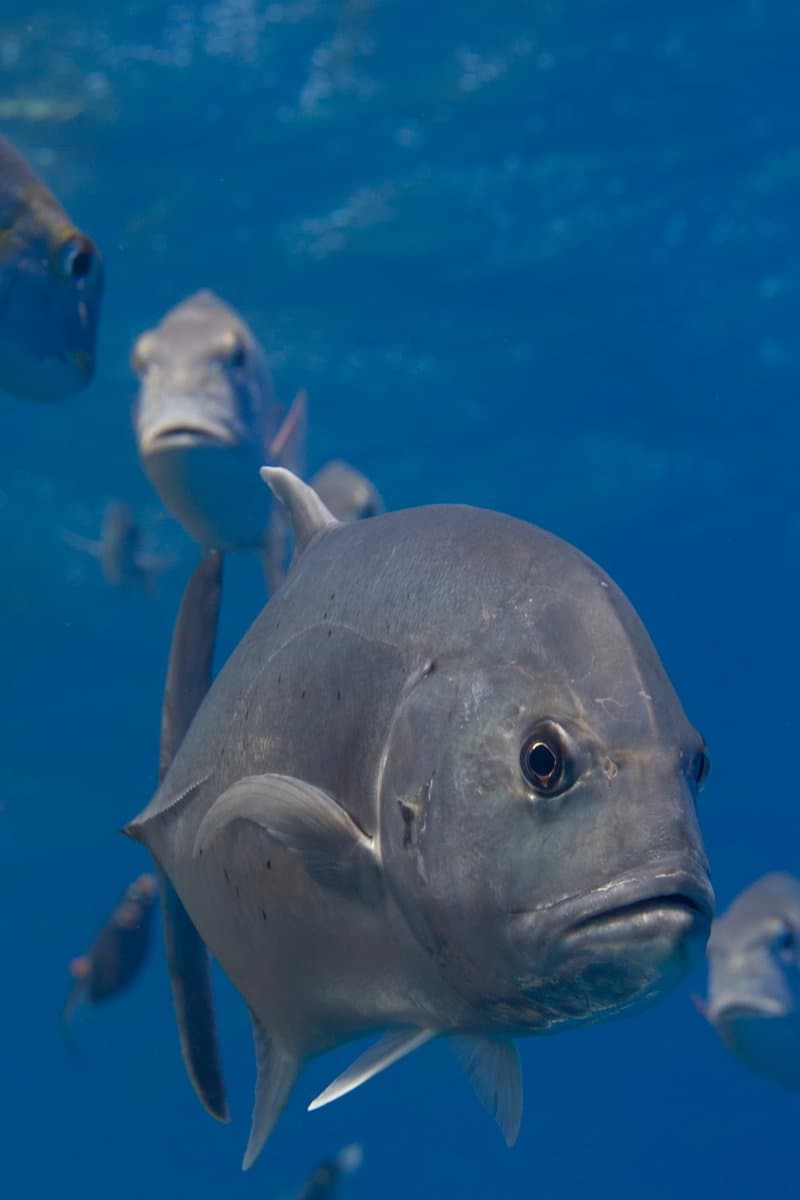
If you've started looking at Red Sea liveaboards, you've probably noticed that most trips fall into two broad categories: the southern "BDE" route (Brothers, Daedalus, Elphinstone) and the northern wreck route (Thistlegorm, Abu Nuhas, Ras Mohammed). Both are exceptional. Both are popular. And the question of which one to choose generates more debate in dive forums than whether pineapple belongs on pizza.
Let's break them down properly so you can make an informed decision — or better yet, decide to do both.
The Southern Route: Brothers, Daedalus, Elphinstone (BDE)
The Pitch
Open-ocean islands, deep walls, big animals, and current that can rip at 2-3 knots without warning. The crossing to Brothers takes 6-8 hours through open sea — bring seasickness meds even if you think you don't need them. This is the Red Sea at its most wild.
The Dive Sites
Brothers Islands (Al Akhawein)
Two tiny volcanic islands rising from the deep, roughly 60 kilometres offshore. No land-based access, no shelter from conditions, and absolutely electric diving.
- Big Brother: A 400-metre wall dive with a lighthouse on top. The current sweeps along the island, bringing nutrients and predators. Expect grey reef sharks, schools of barracuda, and the occasional hammerhead or thresher patrolling the blue.
- Little Brother: Smaller, often with stronger current, and frankly better for big animal encounters. The northwest point is famous for hammerheads in the early morning. Oceanic whitetip sharks — the Holy Grail of Red Sea diving — are spotted here more consistently than almost anywhere else.
- Wrecks on Big Brother: Two wrecks sit on the wall — the Numidia (a cargo ship from 1901) and the Aida (a military supply ship from 1957). Both are covered in soft coral and provide stunning photo opportunities.
Daedalus Reef (Abu el-Kizan)
A massive offshore reef system with a lighthouse, walls that drop into the abyss, and a reputation for hammerhead schooling that borders on legendary.
- North plateau: The hammerhead highway. Early morning dives here, with the right current and a bit of luck, deliver schools of hammerheads cruising past in formation. It's one of those moments that rewires your brain.
- The walls: Vertical drops covered in soft coral, with grey reef sharks, napoleons, and oceanic whitetips making regular appearances
- Night diving: If conditions permit (and your operator is up for it), Daedalus at night is surreal — hunting sharks, sleeping turtles, and macro life emerging from every crack
Elphinstone Reef
A long, narrow reef running north-south, with dramatic walls, coral plateaus, and an almost guaranteed oceanic whitetip encounter if you visit in autumn.
- North and south plateaus: Where divers hover in the blue and wait for the big stuff to appear. Patience pays off here.
- The arch: A natural archway on the western wall, usually at around 30 metres, draped in soft coral
- Current: Can be strong and unpredictable. Elphinstone is beautiful but demands respect.
Who Should Choose the Southern Route
- Divers who prioritise big animal encounters
- Photographers chasing pelagic species
- Experienced divers (Advanced OW minimum, 50+ dives recommended)
- Anyone who's seen an oceanic whitetip photo and thought, "I need that in my life"
Experience Requirements
The BDE route is not for beginners. The sites are exposed to open ocean, currents can be powerful and changeable, and the deep walls make depth management critical. Most operators require:
- Advanced Open Water certification
- Nitrox certification (essential for repetitive deep dives)
- 50+ logged dives minimum
- Comfort with current and blue-water diving
- Good physical fitness
If you're an Open Water diver with 30 dives, this isn't your trip yet. Build experience first — you'll appreciate it more when you're ready.
Departure ports: Most BDE trips depart from Hurghada, Port Ghalib, or Marsa Alam. Port Ghalib puts you closest to the southern sites, which means less transit time and more dive time. Visibility on the BDE route typically runs 20-40m, with the best clarity in September-October.
The Northern Route: Wrecks and Reefs
The Pitch
History you can swim through, colourful reef systems in calmer conditions, and some of the most iconic wreck diving in the world. This route is the Red Sea's greatest hits album.
The Dive Sites
SS Thistlegorm
The most famous wreck dive in the world, and with good reason. This British armed merchant ship was sunk by German bombers in 1941 while carrying war supplies to the Allied forces. She sits upright on a sandy bottom at around 30 metres, and the cargo is remarkably intact.
What you'll see inside:
- Motorcycles (BSA and Norton) still standing in rows
- Trucks, armoured vehicles, and Jeeps in the holds
- Ammunition (deactivated, relax), boots, rifles, and supplies
- Locomotives that fell off the deck when she sank and now rest on the sand beside the hull
The Thistlegorm is spectacular for history buffs and photographers. Fair warning: it can be a zoo. At peak times, you'll share the wreck with 5-10 other boats. Early morning and night dives are the way to beat the crowds — ask your operator if they offer these. Even with company, the sheer scale of this wreck makes it unmissable.
Abu Nuhas — The Ship Graveyard
This reef has earned its nickname by collecting shipwrecks like souvenirs. Four major wrecks lie on and around the reef:
- Giannis D (1983): A Greek cargo ship, the most photogenic of the group. The wheelhouse at 24 metres is a classic Red Sea image — encrusted with coral and bathed in blue light
- Carnatic (1869): The oldest wreck here, beautifully overgrown with hard coral. She broke in two, and swimming through the cargo hold is magical.
- Chrisoula K (1981): Nicknamed the "tile wreck" for her cargo of Italian floor tiles. Still largely intact.
- Kimon M (1978): The deepest of the four, with less coral coverage but interesting penetration opportunities
You can dive all four in a single day, and each tells a different story.
Ras Mohammed National Park
Egypt's first marine park, and still one of the best reef dives in the Red Sea.
- Shark Reef and Yolanda Reef: A wall dive that drops into the blue, with a bizarre cargo of toilets and bathtubs from the Yolanda wreck scattered at the base. Schools of snapper, barracuda, and the occasional grey reef shark make this a lively dive.
- Jackfish Alley: Dense schools of jackfish forming silver walls in the current
- The coral: Hard coral gardens in pristine condition, thanks to decades of national park protection
Straits of Tiran
Four reefs strung across the narrow strait between Sinai and Saudi Arabia, with dramatic walls, strong currents, and excellent fish life. Jackson, Woodhouse, Thomas, and Gordon reefs each offer different characters, from gentle slopes to vertical walls.
Who Should Choose the Northern Route
- Wreck enthusiasts and history buffs
- Photographers who love colourful, structured subjects
- Less experienced divers (Open Water friendly, though some sites need Advanced)
- First-time liveaboard divers looking for a proven, well-supported route
- Divers who prefer calmer conditions overall
Experience Requirements
The northern route is more forgiving:
- Open Water certification is sufficient for many sites
- Advanced Open Water recommended for deeper wreck penetration and the Straits of Tiran
- Nitrox recommended but not essential
- 20+ dives is a reasonable minimum
- Some current experience helpful for Ras Mohammed and Tiran
The Head-to-Head Comparison
| BDE (Southern) | Northern Wrecks | |
|---|---|---|
| Star attraction | Oceanic whitetips, hammerheads | SS Thistlegorm, Abu Nuhas wrecks |
| Diving style | Open water walls, pelagic hunting | Wreck exploration, reef diving |
| Conditions | Exposed, currents, deeper | More sheltered, calmer, shallower |
| Min. experience | Advanced + 50 dives | Open Water + 20 dives |
| Best for photos | Big animal wide-angle | Wreck interiors, colourful reefs |
| Best months | Sep-Nov (sharks), Mar-May | Year-round; Mar-May optimal |
| Crowd level | Lower (fewer boats venture out) | Higher (especially Thistlegorm) |
| Seasickness risk | Higher (open ocean crossings) | Lower (more sheltered waters) |
| Price | Similar | Similar |
Best Months for Each Route
BDE Southern Route
- September-November: Prime time. Water is warm (27-28°C), oceanic whitetips are most active, hammerheads schooling at Daedalus. This is when the BDE earns its legendary reputation.
- March-May: Excellent conditions, warming water, shark activity building. A strong second choice.
- June-August: Hot topside, good diving, but pelagic encounters can be less consistent.
- December-February: Cooler water, potentially rougher crossings. Still good diving, but not peak.
Northern Wreck Route
- Year-round: The northern route is remarkably consistent. The wrecks don't migrate.
- March-May and September-November: Best visibility and most comfortable conditions.
- Summer: Hot but diveable. Thistlegorm gets busier.
- Winter: Cooler water (22-24°C), fewer crowds, and slightly reduced visibility.
The Verdict: Which One?
Here's the honest answer: if you can only do one, match it to your priorities.
Choose BDE if: You've been diving for a while, you want big animal encounters, you're comfortable with challenging conditions, and the phrase "oceanic whitetip at five metres" makes you emotional.
Choose Northern Wrecks if: You love history, you want accessible world-class diving, you're building your experience, or you simply can't resist the idea of swimming past WWII motorcycles inside a sunken cargo ship.
Choose both if: You're smart. Many operators offer combination routes or back-to-back trips. The Red Sea is compact enough that you can do both in a two-week holiday, and the contrast between the routes makes each one richer.
One more thing: the Red Sea's biggest advantage is proximity. From Lisbon, you're in Hurghada in about 6 hours. No 24-hour marathon flights, no jet lag, no "I need a holiday to recover from my holiday." For European divers, there's simply nothing else that delivers this level of diving this easily.
The Faneca team books Red Sea liveaboards year-round and can tell you exactly which boats run which routes, which weeks to avoid (Thistlegorm in August is... crowded), and when the oceanic whitetips are most likely to show. Sharks or shipwrecks — tell us what gets you excited.
- Red Sea Liveaboard Routes: North, South, BDE, and Deep South — Overview of all Red Sea route options
- Red Sea Egypt: Wrecks, Reefs, and the Best Routes — Complete guide to Egyptian Red Sea diving
- Saudi Arabia: The Untouched Red Sea — Exploring the pristine Saudi side
Related Articles
%20-%20Large.jpg&w=828&q=75)
Best Time to Dive: A Season-by-Season Guide
When to visit the world's top liveaboard destinations for the best conditions and marine life encounters.
Galápagos Diving: What to Expect on Your First Trip
Hammerhead highways, curious sea lions, and currents that demand respect — here's what awaits in the enchanted islands.