Oman: The Middle East's Hidden Diving Gem
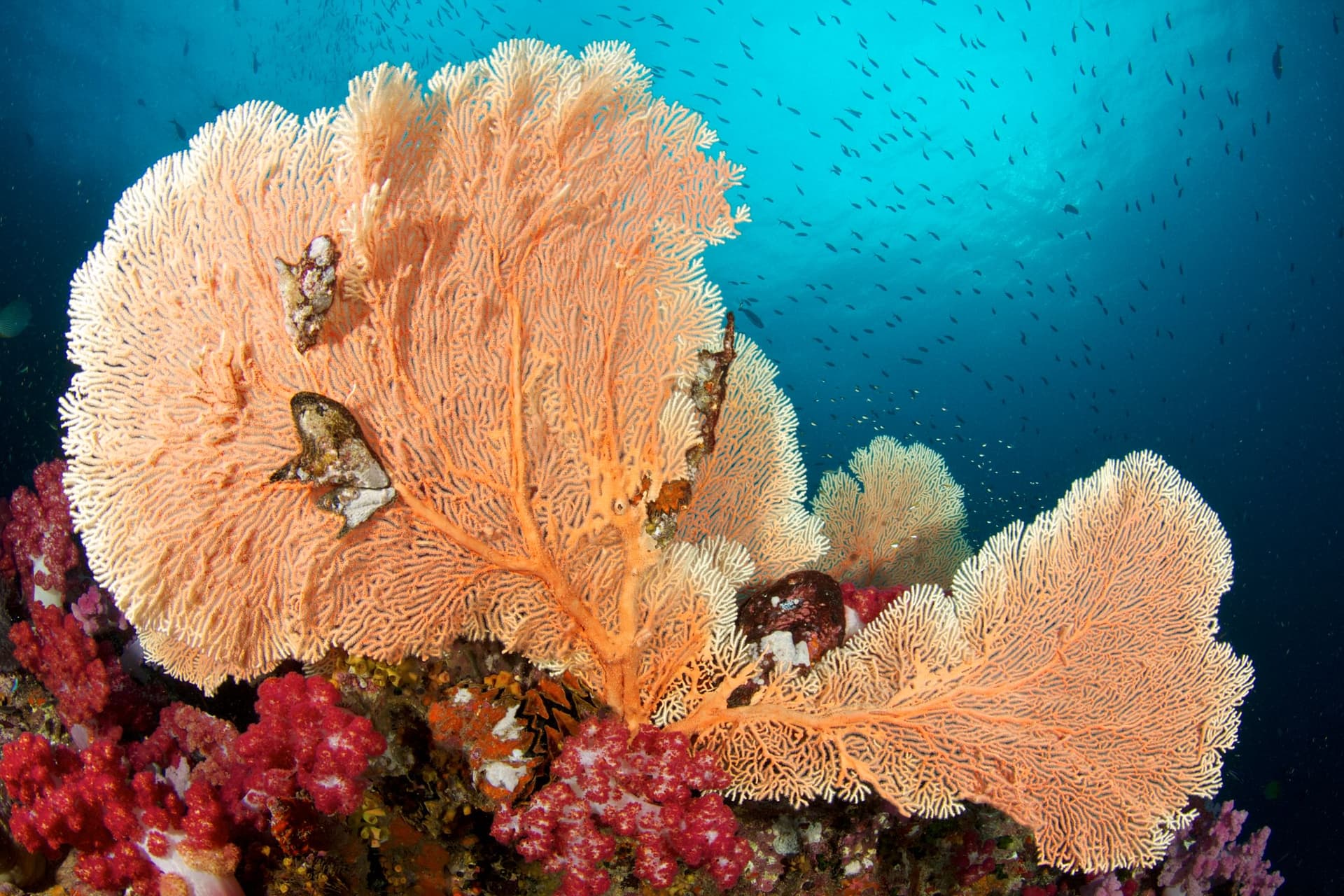
While divers flock to Egypt and increasingly Saudi Arabia, Oman quietly offers some of the Middle East's healthiest reefs and most interesting diving. Protected marine reserves, seasonal whale shark aggregations, and dramatic geography both above and below the water — all wrapped in genuine Arabian hospitality.
The Diving Regions
Daymaniyat Islands
A protected marine reserve off Muscat, the Daymaniyat Islands showcase what Gulf of Oman reefs look like without fishing pressure. Nine islands with fringing reefs, healthy coral coverage, and abundant fish life.
Day trips from Muscat access the closer islands. Overnight boats reach the outer areas where fewer divers venture.
Musandam Peninsula
Oman's northernmost territory is geographically separated from the rest of the country, jutting into the Strait of Hormuz. Dramatic fjords (called "khors") slice into mountains that rise straight from the water.
The diving is unique — wall dives in fjord-like settings, seasonal nutrient upwellings bringing pelagics, and a very different character from tropical reef diving.
Dhofar (Salalah Region)
The southern region offers Arabian Sea diving with different conditions — cooler water, seasonal upwellings, and whale shark aggregations during the right months.
Whale sharks: Seasonal (typically September-November) aggregations occur as nutrient-rich water attracts plankton. Unlike swim-with programs elsewhere, Dhofar whale sharks are encountered by divers, not snorkelers.
What Makes Oman Different
Marine Protection
Omani waters benefit from actual enforcement of marine protections. The difference shows — reef fish populations are healthy, sharks are present, and ecosystems function.
Conditions Variety
Oman spans from tropical Arabian Gulf waters to cooler Arabian Sea upwellings. Different regions offer genuinely different experiences.
Cultural Experience
Oman combines diving with accessible cultural experiences. The country is welcoming, safe, and proud to share its heritage with visitors.
Conditions
Gulf of Oman (Daymaniyat, Musandam):
- Temperature: 22-30°C depending on season
- Visibility: 10-25m
- Best season: October-May
Arabian Sea (Dhofar):
- Temperature: 18-26°C
- Visibility: Variable, affected by upwellings
- Whale shark season: September-November
The Honest Assessment
Oman isn't Egypt. The reef systems are smaller, the diving less varied, and the infrastructure less developed. You won't find dozens of world-famous sites or legendary wrecks.
What Oman offers is healthy, protected diving in a welcoming country with genuine cultural depth. For divers combining Middle East travel with underwater time, or those seeking whale shark encounters outside the typical destinations, Oman rewards exploration.
Getting There
Muscat is well-connected internationally. Diving the Daymaniyats is straightforward — operators run daily boats. Musandam requires either overland travel (through UAE) or flights to Khasab. Dhofar means flights to Salalah.
Worth the Trip?
For divers already visiting Oman, absolutely. The Daymaniyats are genuinely excellent.
As a dedicated diving destination, Oman makes most sense for:
- Whale shark seekers targeting Dhofar season
- Divers interested in Middle Eastern destinations beyond Egypt
- Those combining diving with cultural exploration
The diving rewards exploration even if it doesn't match marquee destinations for sheer volume.
- Saudi Arabia: The Untouched Red Sea — Another emerging Middle Eastern diving frontier
- Red Sea Egypt: Wrecks, Reefs, and the Best Routes — The established Red Sea diving scene
- Diving with Sharks: What Every Liveaboard Diver Should Know — Preparing for whale shark encounters in Dhofar
Related Articles
%20-%20Large.jpg&w=828&q=75)
Best Time to Dive: A Season-by-Season Guide
When to visit the world's top liveaboard destinations for the best conditions and marine life encounters.
Galápagos Diving: What to Expect on Your First Trip
Hammerhead highways, curious sea lions, and currents that demand respect — here's what awaits in the enchanted islands.