East of Eden
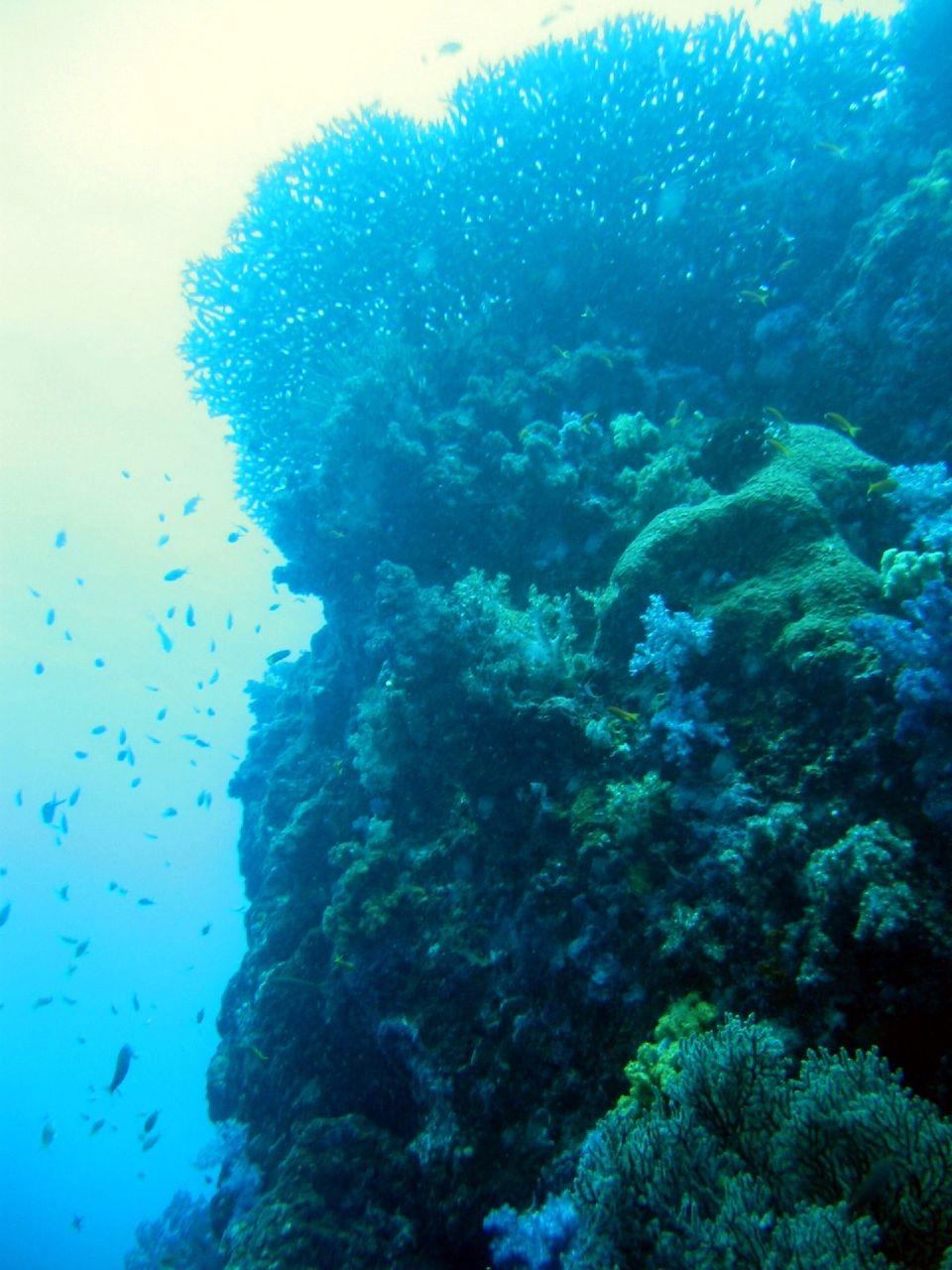
A coral slope on the sheltered east side of Island 7, once one of the best-known Similan dives, closed by the park since January 2011 after coral bleaching.
East of Eden is a sloping reef on the east side of Koh Payu, the island Similan divers call Island 7. It was one of the best-known dives in the park, a gentle drift past hard and soft coral to a large coral bommie. In January 2011 Mu Ko Similan National Park closed it to divers and snorkellers after the 2010 heat wave bleached much of its coral, and took away its mooring. We have found no notice reopening it, and recent guides to the park still list it as closed, so it is not a dive you can plan. This page sets out what is known about its status, what the site was like, and what is dived on the same island instead.
Quick answer: East of Eden is a sheltered east-coast coral slope with a large bommie; closed by the park since january 2011 in Thailand. Best season: Not dived at present. The park itself is open from about 15 October to 15 May, and the open sites on Koh Payu and Koh Similan are dived throughout that season. Level: Closed to divers. When it was open it was dived as an easy slope that suited newer divers, with Open Water divers staying above 18 m. Depth: Before the closure: a slope from about 5 m down to 25 m and beyond (sources give 25 to 40 m), with a large coral bommie rising from about 20 m to about 12 m. Typical visibility: No current reports while the site is closed.
Facts verified November 2026
Status: closed since 2011
In 2010 a marine heat wave in the Andaman Sea caused severe coral bleaching across the Thai parks. On 21 January 2011 Mu Ko Similan National Park closed two of its dive sites where the damage was worst: East of Eden on Island 7 and Beacon Reef on Island 8. The notice closed them to all marine activities, said the mooring buoys would be removed, and said a reopening would be announced when the reef had recovered. The Thai parks closed more sites elsewhere in the Andaman and the Gulf at the same time.
A dive centre that works the park reported in 2017 that East of Eden was still closed and its corals were recovering. Guides to the park published for the 2026 season still list it as closed, alongside several other sites. A few operator pages still describe it as a current dive or say it has reopened, but none of them is dated and we have not found a park notice to support them.
Until the park announces a reopening, treat East of Eden as closed. The park also rests other sites from time to time, so the list of open sites can change from one season to the next. If East of Eden reopens, we will update this page.
Why an east-side reef
The Similans have two kinds of coast. The west sides face the open sea and are washed by internal waves that push cold, nutrient-rich water up from depth, most strongly from about February to April. The east sides are sheltered and stay warm.
That difference mattered in 2010. Researchers who followed two common Similan coral species through the heat wave found that colonies on the exposed west sides, cooled by the internal waves, survived and recovered, while colonies on the sheltered east sides suffered partial or total mortality. East of Eden, on a sheltered east coast, was the kind of reef that took the worst of it.
What the site was
East of Eden is a slope on the east side of Koh Payu, running from the shallows down onto sand at about 25 metres and deeper. Its centrepiece is a large coral bommie that rises from about 20 metres to about 12 metres, known in Thai as Ruan Gluay Mai, the "orchid house". The same name appears in the park's 2011 closure notice.
Divers knew it for its density of life rather than for drama: hard coral on the slope, soft coral, anemones and sea fans on the bommie with clouds of glassfish, giant moray eels under the table corals, and turtles on the reef top. The current was usually gentle, so it was dived as a slow drift and as a night dive, and it suited newer divers.
- Hard and soft corals, anemones and large sea fans
- Glassfish around the fans and the bommie
- Giant moray eels
- Turtles on the shallow reef
- Ghost pipefish, ribbon eels, frogfish, scorpionfish and nudibranchs
What is dived on Koh Payu and nearby instead
The west side of the same island is open. West of Eden is a typical western Similan site: large granite boulders with canyons and walls, sea fans and soft coral, from about 10 to 35 metres, with the current usually running along the island. Operators list ribbon eels, frogfish and ghost pipefish there, and it suits most levels on a calm day.
A short way north, in open water off Koh Similan, is Elephant Head Rock, a boulder and swim-through site for more experienced divers. Further north on Island 9, Christmas Point is known for its arches, and Breakfast Bend, on the sheltered east side of the same island, is a gentle coral slope and a popular night dive, the kind of dive East of Eden used to be.
Wherever you dive in the park the rules are the same: no touching, no feeding, no collecting and no fishing, and since August 2021 sunscreens containing oxybenzone, octinoxate, 4-methylbenzylidene camphor or butylparaben are banned in Thai marine national parks.
East of Eden cannot be dived while the park keeps it closed. Our Similan and Surin liveaboards dive the open sites around Koh Payu and Koh Similan, including West of Eden and Elephant Head Rock, before heading north to Koh Bon and Richelieu Rock. See the Thailand calendar for dates, or tell us what you want from the trip in a concierge brief.
East of Eden: common questions
What is the best season to dive East of Eden?
Not dived at present. The park itself is open from about 15 October to 15 May, and the open sites on Koh Payu and Koh Similan are dived throughout that season
What experience level do I need for East of Eden?
Closed to divers. When it was open it was dived as an easy slope that suited newer divers, with Open Water divers staying above 18 m
How deep is East of Eden?
Before the closure: a slope from about 5 m down to 25 m and beyond (sources give 25 to 40 m), with a large coral bommie rising from about 20 m to about 12 m
What marine life will I see at East of Eden?
Recorded before the closure: hard and soft corals, sea fans with glassfish, giant moray eels, turtles, ghost pipefish, ribbon eels, frogfish, scorpionfish and nudibranchs