Palau: Best Dive Sites and When to Go
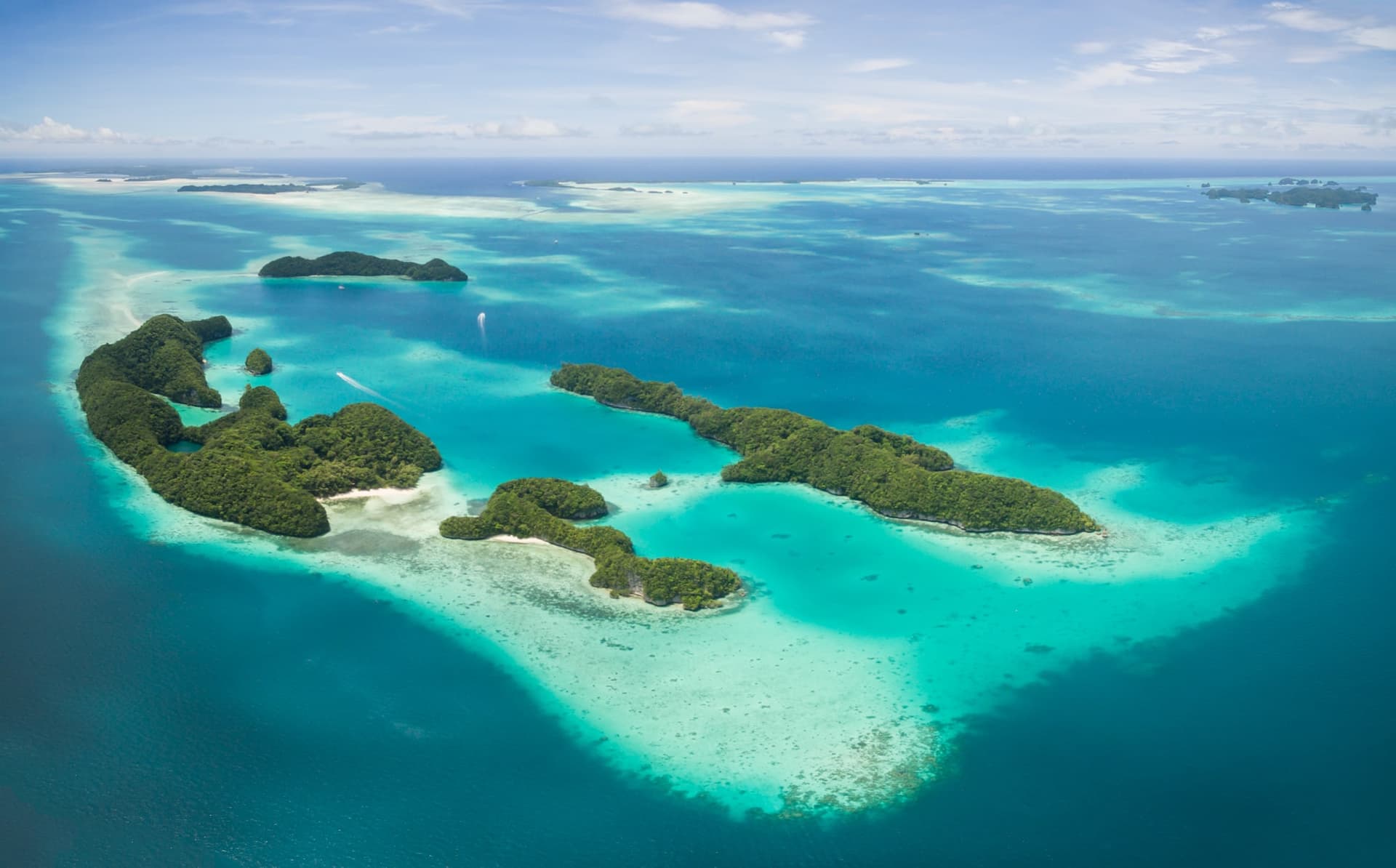
There's a reason Palau appears on every serious diver's bucket list. This Micronesian archipelago delivers the kind of diving that makes you reconsider what you thought was possible underwater — walls that drop into the abyss, currents that deliver sharks like clockwork, and a lake filled with millions of jellyfish you can swim through without a sting.
The Signature Sites
Blue Corner
The site that built Palau's reputation. Hook into the reef at 15 metres, inflate your SMB for stability, and watch the show. Grey reef sharks patrol the drop-off. Napoleon wrasse the size of small children cruise past at arm's length. Schools of barracuda spiral in the blue. On good days, you'll see more sharks in a single dive than most divers see in a year.
The current is the engine here. When it's running, Blue Corner comes alive. When it's slack, it's still excellent — just a different kind of excellent.
German Channel
Palau's manta cleaning station. The channel acts as a funnel for nutrient-rich water flowing between the lagoon and open ocean, and mantas have figured this out. Early morning dives often deliver multiple mantas circling the cleaning stations, close enough to count the remoras hitching a ride.
Patience matters here. Find a spot on the sandy bottom, control your breathing, and let them come to you.
Jellyfish Lake
Not a dive — a snorkel — but essential nonetheless. Millions of golden jellyfish have evolved without stingers in this isolated marine lake. Swimming among them is surreal, otherworldly, and unlike anything else in diving.
Note: The lake occasionally closes when jellyfish populations drop. Check current status before planning your trip around it.
Blue Holes
Four holes in the reef top drop into a massive cavern at 30 metres, with a cathedral-like opening to the wall. The light filtering through the holes creates conditions photographers dream about. It's dramatic, it's beautiful, and it's over too quickly.
Peleliu
For experienced divers comfortable with currents, Peleliu offers Palau's most exhilarating diving. Peleliu Corner and Peleliu Express deliver big sharks, big schools, and big currents. This isn't beginner territory, but for those ready, it's exceptional.
When to Go
Best conditions: November to May (dry season)
Water temperature: 28-30°C year-round
Visibility: 20-40 metres, best in dry season
Palau is diveable year-round, but the dry season offers calmer seas, better visibility, and more reliable boat access to outer sites. The wet season (June-October) brings occasional rough conditions but also fewer divers.
What You Need
- Certification: Advanced Open Water minimum for most sites
- Experience: Comfort with currents essential; hook experience helpful
- Gear: Reef hook (often provided), SMB, decent exposure suit (3mm usually sufficient)
The Practical Stuff
- Getting there: Fly to Koror (ROR) via Manila, Taipei, Seoul, or Guam
- Liveaboard vs land-based: Both work well; liveaboards access distant sites like Peleliu more easily
- Permits: Rock Islands permit required (~$100, valid 10 days)
Is It Worth the Hype?
Yes. Palau delivers consistently — the marine life is abundant, the sites are varied, and the infrastructure is mature without feeling overcrowded. It's not the cheapest destination, but you get what you pay for.
For divers ready to step up from standard tropical reef diving, Palau is an obvious choice.
- Palau: The Underwater Wonderland — A broader overview of diving in Palau
- Best Time to Dive: A Season-by-Season Guide — Seasonal planning for Palau and other destinations
- Month-by-Month: Where to Dive in 2026-2027 — Planning your diving calendar around the best conditions
Related Articles
%20-%20Large.jpg&w=828&q=75)
Best Time to Dive: A Season-by-Season Guide
When to visit the world's top liveaboard destinations for the best conditions and marine life encounters.
Galápagos Diving: What to Expect on Your First Trip
Hammerhead highways, curious sea lions, and currents that demand respect — here's what awaits in the enchanted islands.