Galápagos: Diving with Hammerheads and Marine Iguanas
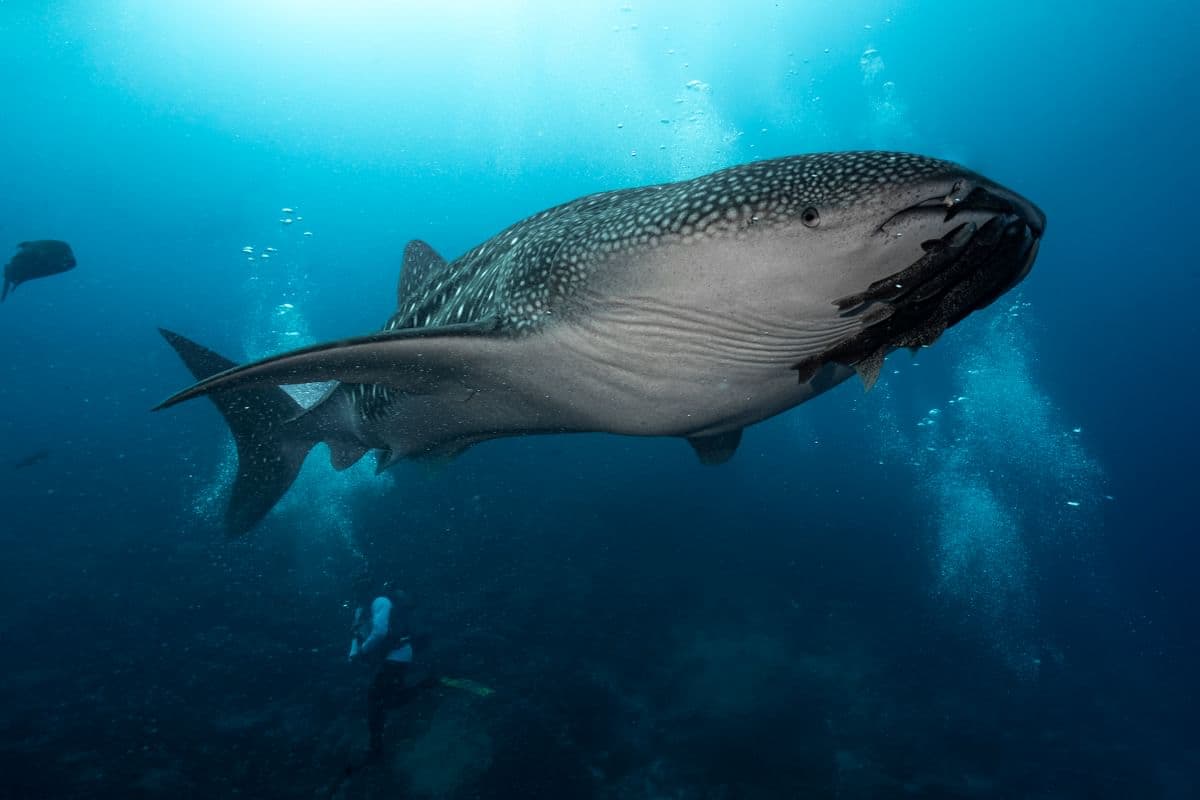
Darwin figured out evolution here. The marine life still hasn't read the memo about fearing humans. The Galápagos delivers wildlife encounters that feel prehistoric, improbable, and utterly addictive.
But this isn't resort diving. The Galápagos demands experience, fitness, and a tolerance for conditions that shift from spectacular to challenging within minutes.
The Crown Jewels: Wolf and Darwin
Two small islands at the northern tip of the archipelago, 10-15 hours by boat from the main islands. This is where the hammerheads school.
Wolf Island
The more accessible of the two (relatively speaking). Walls dropping into the blue, cleaning stations with hammerheads circling at 25 metres, and the chance of whale sharks during the right season.
The diving here follows a pattern: descend along the wall, find a sheltered spot, wait, and let the ocean deliver. When it works — and it usually does — you'll see more hammerheads than you can count.
Darwin's Arch (and what remains)
The iconic arch collapsed in 2021, but the diving hasn't diminished. Darwin remains the premier site for hammerhead encounters in the archipelago. Schools of hundreds are documented regularly during peak season.
The site also delivers eagle rays, Galápagos sharks, dolphins, and — with luck — whale sharks cruising through the blue.
Beyond Wolf and Darwin
The central islands offer different but equally unique diving:
Gordon Rocks
Called "the washing machine" for good reason. Strong currents, surge, and challenging conditions reward with hammerhead sightings closer to the main islands. Not for beginners.
Kicker Rock (León Dormido)
A dramatic rock formation with a channel swim-through. Galápagos sharks, rays, and sometimes hammerheads. More accessible conditions than Gordon Rocks.
Cousin's Rock
Walls covered in black coral, sea horses, and nudibranchs. Different character from the big animal sites — excellent for photographers wanting variety.
The Unique Stuff
Marine Iguanas
Found nowhere else on Earth. These prehistoric-looking reptiles dive to graze on algae, visible underwater at several sites. It's genuinely surreal to watch a lizard swim past at 10 metres.
Flightless Cormorants
Another Galápagos exclusive. They've lost the ability to fly but gained fishing skills. Underwater encounters are possible at certain sites.
Sea Lions
Playful, curious, and everywhere. They'll circle divers, blow bubbles in your face, and generally treat you as entertainment.
Conditions Reality Check
Galápagos diving is not tropical holiday diving:
- Water temperature: 16-24°C depending on season and depth. Cold thermoclines are common.
- Visibility: Highly variable, 10-25m typical. Plankton blooms bring life but reduce clarity.
- Currents: Often strong, sometimes unpredictable. Blue water skills essential.
- Exposure: 5-7mm wetsuit or semi-dry recommended. Hood and gloves useful.
This isn't meant to discourage — just to prepare. Divers expecting warm, clear, calm conditions will be disappointed. Divers prepared for temperate, dynamic conditions will be blown away.
When to Go
June-November (Cool Season):
- Cooler water (16-22°C)
- Best hammerhead action
- Whale shark season (June-October at Darwin)
- Rougher seas possible
December-May (Warm Season):
- Warmer water (22-26°C)
- Better visibility generally
- Calmer seas
- Fewer hammerheads, but still present
Requirements
- Certification: Advanced Open Water minimum
- Experience: 50+ dives strongly recommended; 100+ for Wolf/Darwin
- Fitness: Good physical condition; climbing ladders in surge, swimming against current
- Insurance: Mandatory; DAN or equivalent required by operators
The Bottom Line
The Galápagos isn't for everyone. It's expensive, remote, demanding, and cold.
It's also unlike anywhere else on Earth. The hammerhead schools, the marine iguanas, the sense of diving in a place evolution forgot to modernise — nothing else compares.
For experienced divers ready for the challenge, it belongs on the list.
- Galápagos Diving: What to Expect on Your First Trip — First-timer planning and logistics
- Cocos Island: The Definitive Guide to Hammerhead Heaven — Another world-class hammerhead destination
- Diving with Sharks: What Every Liveaboard Diver Should Know — Preparing for big pelagic encounters
Related Articles
%20-%20Large.jpg&w=828&q=75)
Best Time to Dive: A Season-by-Season Guide
When to visit the world's top liveaboard destinations for the best conditions and marine life encounters.
Galápagos Diving: What to Expect on Your First Trip
Hammerhead highways, curious sea lions, and currents that demand respect — here's what awaits in the enchanted islands.