Solo Female Diver's Guide to Liveaboard Travel
You're thinking about booking a liveaboard trip on your own. Maybe your partner doesn't dive. Maybe your dive buddies can't get time off. Maybe you just want to go and you don't feel like waiting for someone else's schedule to align with yours.
Good. Do it. Solo liveaboard travel as a woman is overwhelmingly positive, and this guide exists because you deserve the practical details rather than vague reassurance.
Cabin Sharing: The Elephant in the Room
Most liveaboard pricing is based on twin-share cabins. If you're travelling solo, you have three options:
Pay the single supplement: Usually 50-80% extra on top of the per-person price. On a EUR 2,500 trip, that's an extra EUR 1,250-2,000. Expensive, but you get your own space.
Share with another solo female traveller: Most operators will match you with another solo woman. This is extremely common and usually works out well. Liveaboard cabins are small — you're basically sleeping and changing in there — so having a compatible roommate matters more than having a best friend. Ask the operator if they have other solo female bookings.
Join a group trip: Some dive travel agencies organise women-only or small group liveaboard departures. You'll share a cabin with another solo traveller, and the group dynamic tends to be excellent.
Watch for the fourth policy, the one nobody advertises: the full cabin charge. Some operators make a solo guest pay for both berths on every cabin type, which effectively doubles your price. Before you pay a deposit, ask "What is your single-supplement policy, and do you offer cabin sharing for solo travellers?" and get the answer in writing. Cabin-share availability also depends on who else is booked, so ask again close to departure if the first answer is "not yet".
What Cabin Sharing Is Actually Like
The cabin is maybe 8 square metres. Two single beds or bunks, a tiny bathroom, a few hooks for towels. You'll spend almost no time there during the day — you're on deck, in the water, eating, socialising.
Your cabin mate will see you in a towel. You'll hear each other snore. Someone's alarm will go off at 5:45 for the dawn dive. This is all completely normal and fine.
Tips that make it work:
- Agree on light and noise rules the first night. "Headtorch after 10pm" and "phone on silent" solve 90% of cabin conflicts.
- Bring a sleep mask and earplugs regardless.
- A small hanging toiletry bag keeps the shared bathroom functional.
- Be direct about space. "Can I have this shelf?" is a perfectly reasonable day-one conversation.
Buddy Assignment
As a solo diver, your buddy is assigned by the dive guides, either once for the whole week or dive by dive. On professional boats this works well: guides are used to pairing divers by experience, air consumption and pace, and plenty of solo divers say their assigned buddy became one of the highlights of the trip.
- Tell the guides your experience level, your camera setup (if any) and your preferred pace on day one.
- If your buddy's style doesn't match yours, speak up early. Guides can reassign.
- If you'd rather dive with a guide than another guest, most boats allow it, especially with smaller groups.
Safety on Board
Liveaboards are remarkably safe environments for solo women. You're on a boat with 15-25 other divers and a crew of 8-15. Everyone knows everyone by name within hours. There's nowhere to disappear to, which is actually a feature, not a bug.
That said, here's the honest conversation.
The Crew Situation
On the vast majority of boats, crew are professional and respectful. But the diving industry is male-dominated, and very occasionally, a dive guide or crew member will be overly familiar. This is rare, but real.
What "overly familiar" looks like: a dive guide who consistently pairs with you, touches your equipment more than necessary, makes comments about your body in a wetsuit, or shows up where you are during downtime.
What to do: Tell them directly. "I'd prefer to pair with someone else today." "Please don't touch me when helping with gear." If direct doesn't work, tell the cruise director or boat manager immediately. Reputable operators take this seriously.
Red flags before booking: operators that don't respond clearly when you ask about their harassment policy, boats with zero female crew, trip reports that mention "the flirty dive guide" as if it's charming.
The Guest Dynamic
Most liveaboard guests are couples, buddy pairs, and small groups. Solo travellers — men and women — are a normal part of the mix. The social structure of a liveaboard means you'll be absorbed into the group within a day.
If someone makes you uncomfortable, the confined environment actually works in your favour. Everyone notices. You have witnesses. The cruise director is right there.
The Destinations Themselves
Most liveaboard destinations are remote, which also makes them low-crime. Port towns such as Hurghada, Malé, Cabo San Lucas and Sorong need ordinary travel awareness, but you're usually on the boat within hours of landing. Standard precautions still apply on board: lock your cabin and keep valuables secure. If you're weighing up Egypt specifically, our guide to whether Red Sea diving is safe for solo female travellers goes into the detail.
What to Wear on Deck
This matters depending on where you're going.
Red Sea (Egypt): On the boat, anything goes. Bikinis on the sun deck are standard. Crew are used to it. But if you stop in a port town, cover up — shoulders and knees at minimum.
Maldives: On the liveaboard, bikini is fine. But the Maldives is a Muslim country, and if you visit a local island, you need to be covered. Pack a sarong or light dress.
Indonesia (Komodo, Raja Ampat): Very relaxed on board. Cover up for village visits.
Thailand: Relaxed everywhere. The junk boats in the Similans are especially casual.
Oman / Saudi Arabia: More conservative. On the boat, swimwear is fine, but be more aware of crew sensibilities. On shore, dress conservatively — loose trousers, covered shoulders.
The practical answer: bring a sarong. It wraps into a skirt, covers shoulders, works as a towel, and solves any modesty question in about three seconds.
The Social Side
Here's what nobody tells you about solo liveaboard travel: it's one of the most social travel experiences you can have. You eat every meal together. You dive together. You share the sundeck, the camera table, the bar.
By day two, you'll have dive buddies. By day four, you'll have inside jokes. By the last night, people will be exchanging contact details and talking about the next trip.
As a solo traveller, you're more approachable than couples. People seek you out. You get invited to buddy up, to join the post-dive camera review, to share the best spot on the sun deck.
Introverts: you can absolutely have alone time. A book on the bow while everyone else is on the back deck. An early night. Nobody will take it personally.
Boat size shapes the social side more than people expect. A larger boat (20+ divers) lets you stay as anonymous as you like; a very small one (8–12) has a tight but low-pressure group. Mid-size boats (14–18) are where cliques can form that feel harder to break into. If you want the most sociable week possible, look at group departures or themed trips such as photography workshops or marine biology expeditions, and ask the operator whether your departure has one.
Finding Other Solo Travellers
If you'd rather not be the only solo person on board:
- Facebook groups: "Women Who Dive Solo" and "Solo Female Divers" are active communities where people post upcoming trips and look for cabin mates.
- WhatsApp groups: Many dive communities maintain trip-planning groups. Ask your local dive shop or instructor for links.
- Dive shows: BOOT Dusseldorf, DEMA, The Dive Show Birmingham — these are where solo divers meet and plan trips together.
- Operator Facebook pages: Post on the operator's page asking if any other solo women are booked on your departure. Operators sometimes do this matchmaking themselves.
Solo Supplement Costs: What to Expect
The solo supplement varies hugely:
- Budget Red Sea boats: EUR 200-400 supplement on a EUR 900-1,200 trip
- Mid-range (Maldives, Indonesia): EUR 600-1,000 supplement on a EUR 2,000-3,500 trip
- Premium (Galapagos, Cocos): EUR 1,500-2,500 supplement on a EUR 5,000-8,000 trip
Some operators waive the supplement if the departure is undersold. It's always worth asking: "Are there any departures coming up where you'd waive the single supplement?" Shoulder season departures in September-October often have this flexibility.
Practical Packing Notes
Everything in the general packing guides applies, plus:
- Menstrual supplies for the full trip plus two extra days. Weather delays happen. Boats don't stock tampons. If you use a cup, bring backup pads. Remote atolls don't have pharmacies.
- A lightweight lock for your cabin if sharing. Not because your cabin mate will steal things, but for peace of mind when everything's on the bed and you're on deck.
- Your own rash guard or sun shirt for deck time. Solves the modesty question everywhere, prevents sunburn, dries fast.
- Reef-safe sunscreen in solid form travels better and doesn't leak in your bag.
Picking the Right Boat for Solo Travel
Some boats are better for solo women than others:
Good signs: Mixed-gender crew, female cruise director or dive guide, clear solo traveller pricing on the website, active social media showing group shots of diverse guests.
Ask before booking: "How many solo travellers do you typically have per departure?" "Do you have female dive guides?" "What's your policy on cabin matching for solos?"
Check the guest mix: Boats that draw guests from many countries tend to have a better culture for solo travellers than a departure chartered by a single nationality or club. If a week is mostly one booked group, you can end up on the outside of it, so ask about the group composition of your specific departure.
Where to Go for Your First Solo Trip
Any destination works for a solo female diver, but some make the first trip easier:
- Red Sea: Short flights from Europe, lots of boats (so cabin-share partners are easier to find), and a strong safety record. The best first solo liveaboard for most European women.
- Maldives: Warm, relaxed and physically easy diving, with good boats drawing an international mix. The snorkeling fills surface intervals without any pressure.
- Raja Ampat: Smaller boats and an expedition atmosphere, so the group bonds quickly.
- Madeira or the Canaries (land-based): If you want to try solo dive travel before committing to a week on a boat, a land-based week with daily boat dives is a lower-stakes start.
When solo women enquire with us, we confirm the operator's cabin-share policy and rate in writing, and check the composition of the specific departure. If a week is mostly one charter group, we'll flag it and suggest a better-mixed date. Tell us about your trip plans →
The Actual Experience
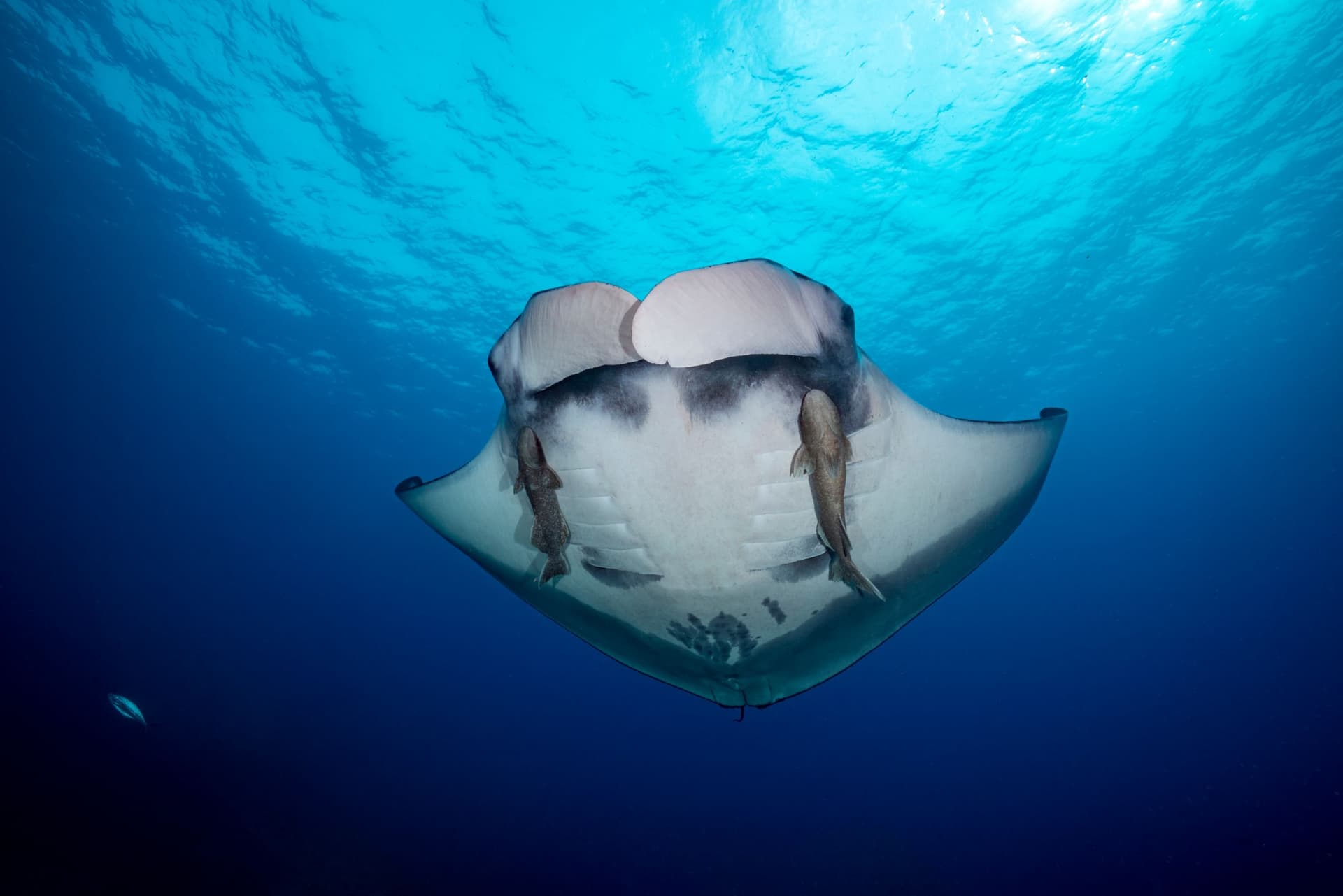
You'll wake up to a sunrise over open ocean. You'll roll into 28-degree water alongside people who were strangers yesterday and are friends today. You'll see a manta at a cleaning station and make eye contact with the person next to you and both of you will grin through your regulators.
You'll eat too much. You'll sleep deeply from the combination of salt air and physical exertion. You'll have conversations about diving, about travel, about life, with people from countries you've never been to.
And at some point — maybe sitting on the bow at sunset with a beer, watching the sea turn gold — you'll think: I almost didn't book this because I couldn't find someone to come with me.
Go. You don't need permission and you don't need company.
Related Guides
- Is Red Sea Diving Safe for Solo Female Travelers? — The Egypt-specific safety picture.
- Liveaboard Diving for Non-Divers: Can My Partner Join? — If the question is whether to go solo or bring someone.
- Emergency Procedures on Remote Liveaboards — The wider safety context.
- Red Sea vs Maldives vs Raja Ampat: Which First Liveaboard Is Right for You — Choosing the destination.
Related Articles
How to Choose the Right Liveaboard for Your Level
Budget or luxury? Small or spacious? Here's how to find the floating home that fits your diving style.
When to Dive the Red Sea: Month-by-Month Guide
The Red Sea dives well every month of the year, but what you see and how much you pay changes dramatically. Here is the honest month-by-month breakdown — water temperatures, species windows, operator availability, and the two weeks most serious divers target.