Going Pro: Is Divemaster Certification Right for You?
Somewhere between your 50th and 100th dive, the thought crosses your mind: what if diving wasn't just a hobby? What if it was your job?
Divemaster is the first step into the professional diving world. It's also where you discover whether you actually want to work in this industry — or just love diving on your own terms.
What a Divemaster Actually Does
Let's clear up misconceptions:
The Reality
- Assisting instructors during training dives
- Leading certified divers on guided dives
- Handling logistics — gear, boats, paperwork
- Managing problems — equipment issues, nervous divers, changing conditions
- Customer service — you're in hospitality as much as diving
What It's Not
- Teaching diving (that requires instructor certification)
- Guaranteed employment (the industry is competitive)
- A paid vacation (the work is physical and demanding)
- A path to wealth (dive industry pay is notoriously modest)
The Training
Prerequisites
Before you start, you need:
- Advanced Open Water certification
- Rescue Diver certification
- Emergency First Response (or equivalent)
- At least 40 logged dives (60 for some agencies)
- Medical clearance
What You'll Learn
The course covers:
Theory
- Dive physics and physiology (deeper than recreational level)
- Equipment function and maintenance
- Dive planning and supervision
- Risk management and emergency procedures
- Diving business and ethics
Practical Skills
- Underwater map making
- Search and recovery
- Deep diving practice
- Night diving proficiency
- Dive site setup and management
Professional Development
- Assisting with actual student training
- Leading certified divers
- Handling real-world scenarios
- Demonstrating skills to professional standards
Time Investment
Divemaster isn't a quick course:
- Minimum: 2-3 weeks intensive (not recommended)
- Typical: 4-8 weeks with proper experience building
- Internship style: 2-6 months working at a dive operation
The longer programs give you actual experience, not just skills checklists.
The Honest Assessment
Why People Do It
Good reasons:
- Genuine passion for sharing diving with others
- Interest in working in the dive industry
- Wanting to deepen skills and knowledge
- Pursuing instructor certification eventually
- Working abroad in interesting locations
Less good reasons:
- Thinking it will be easy money
- Wanting to dive for free (you'll earn that diving ten times over)
- Escaping a career without real planning
- Expecting tropical paradise lifestyle (the reality is harder)
The Reality of Working
Divemaster jobs typically involve:
- Long hours — 10-14 hour days aren't unusual
- Physical labor — tanks, gear, equipment hauling
- Customer management — not everyone is pleasant
- Modest pay — $1,000-2,000/month in many locations
- Seasonal uncertainty — many positions are temporary
- Basic accommodation — staff housing varies wildly
The tradeoff is diving regularly in beautiful locations and doing something you love. For the right person, that's worth it.
Where Divemasters Work
Dive Centers and Resorts
The most common path:
- Tourist destinations worldwide
- Mix of guiding and assisting
- Seasonal or year-round positions
- Often includes accommodation
Liveaboard Vessels
Popular with experienced divemasters:
- Extended trips to remote locations
- Demanding schedules
- Close-quarters living
- Usually better pay than land-based work
Specialty Operations
With additional training:
- Technical diving support
- Scientific diving assistance
- Film and photography operations
- Military and commercial crossover
The Investment
Financial Reality
Expect to spend:
- Course fees: $800-2,500 depending on location and style
- Materials: $200-400 for crew pack, manuals
- Insurance: $300-500 annually for professional coverage
- Lost income: During training (if you're taking unpaid time)
This is an investment, not an expense. Treat it that way.
Choosing Where to Train
Consider:
- Quality of instruction (research the facility)
- Variety of diving conditions (different environments make better divemasters)
- Language of instruction (if not your native language)
- Post-certification job prospects (some courses lead to employment)
- Overall cost (including living expenses during training)
Southeast Asia, Egypt, Central America, and the Caribbean are popular training destinations.
After Certification
Building Experience
Your new card doesn't make you competent. You become competent by:
- Working hundreds of dives in various conditions
- Dealing with real problems and real divers
- Learning from experienced professionals
- Making mistakes and learning from them
The Instructor Question
Many divemasters eventually pursue instructor certification:
- Significantly more employable
- Better pay potential
- More career options
- Additional investment (the IDC isn't cheap)
Decide this after working as a divemaster, not before. The experience will inform your choice.
Is It Right for You?
Consider divemaster if:
- You genuinely enjoy helping other divers
- You're organized and responsible
- Physical work doesn't bother you
- You can handle long hours
- You're realistic about compensation
- You're interested in the industry long-term
Reconsider if:
- You mainly love diving solo or with experienced buddies
- Customer service isn't your strength
- You need significant income
- You're looking for an escape, not a career
- You get frustrated with beginners easily
The Alternative
Here's something the dive industry doesn't always tell you: you don't need to go pro to be an excellent diver.
Many passionate divers choose to:
- Get rescue certified (valuable skills)
- Pursue specialty courses (photography, sidemount, etc.)
- Dive extensively without professional obligations
- Keep diving separate from work
There's no wrong answer. Just make sure your choice matches your actual goals.
Considering the professional path? We can recommend quality training programs and discuss the realities of working in the dive industry.
- Rescue Diver Certification: Why It Changes Everything — The prerequisite that transforms your diving
- Technical Diving: Is It Right for You? — Another advanced path to consider
- How to Spot a Quality Liveaboard Operator — Understanding the industry from a professional perspective
Related Articles
%20-%20Large.jpg&w=828&q=75)
Best Time to Dive: A Season-by-Season Guide
When to visit the world's top liveaboard destinations for the best conditions and marine life encounters.
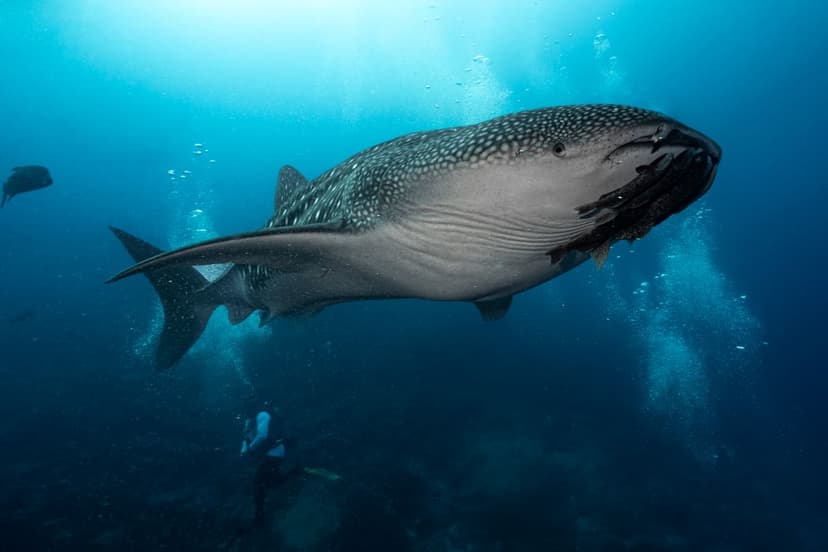
Galápagos Diving: What to Expect on Your First Trip
Hammerhead highways, curious sea lions, and currents that demand respect — here's what awaits in the enchanted islands.