Best Liveaboard Diving Destinations in Indonesia
%20-%20Large.jpg&w=1920&q=75)
Indonesia is not one dive trip. It is a dozen of them, scattered across roughly 17,000 islands and two monsoon seasons, which is exactly why people freeze up choosing. The best liveaboard diving destinations in Indonesia — Raja Ampat and Komodo lead the pack, but they are far from the whole story — each have a personality, a peak window, and a kind of diver they reward. This guide helps you pick the right one, starting with the two everyone has heard of and then the wilder corners most travellers never reach.
Here is the freeing part. Because the archipelago straddles two weather systems, somewhere in Indonesia is almost always in season. So the real question is rarely "when can I dive Indonesia." It is "what do I want to see, and how much current can I handle."
The two-season quirk that makes Indonesia near year-round
Most of these regions run on roughly opposite calendars. Raja Ampat, Komodo and the Banda Sea each favour their own drier stretch, and because those windows are staggered, the country as a whole has no real off-season for diving.
That is the unlock. If your only free week is in July, Komodo is humming while Raja Ampat naps. If you can only get away in January, Raja Ampat is at its best while Komodo's seas turn rougher. Tell us your dates and we will point you at whatever is firing. That is more or less what our concierge does all day.
One honest caveat: Indonesia loves current. Many of its signature sites are drift dives or wash with serious water movement, which is part of why they are so alive. Current feeds coral and pulls in big animals. It also means a good chunk of the best diving suits experienced divers. If you are newer, do not write the country off. There are gentler options, and we cover them in our Indonesia liveaboard for beginners guide.
Region by region: who each one suits
Raja Ampat — the biodiversity heavyweight
If you only know one Indonesian dive name, it is this one. Raja Ampat sits at the heart of the Coral Triangle and holds some of the highest marine biodiversity ever recorded — soft coral gardens that look painted on, fish schools dense enough to block the light, and manta cleaning stations in the Dampier Strait.
The region splits roughly into the central Dampier Strait (mantas, big schools, easier logistics) and Misool in the south (extraordinary soft coral and seascapes, more remote). Many liveaboards take in both across a week to ten or so nights.
Best season: broadly October to April, with the calmest, clearest stretch often falling around November to March.
Suits: divers chasing maximum colour and life, photographers, and anyone happy to fly a long way for it. Currents are manageable on plenty of sites, though Advanced-level comfort helps. Budget for the Raja Ampat marine park conservation fee, typically somewhere around 1 million rupiah per diver (in the rough region of 60 to 100 US dollars, depending on the year and exchange rate).
Komodo — mantas, currents, and dragons on land
Komodo National Park is the high-energy one. The currents here are notorious, and so is the payoff. Karang Makassar, often nicknamed the "manta highway," and Manta Alley can serve up manta encounters that border on the absurd, while the colder southern sites bristle with critters and adrenaline.
The topside bonus is hard to beat. This is the one place you surface from a manta dive and go meet actual Komodo dragons. We dig into all of it in Komodo National Park: Dragons Above, Mantas Below.
Best season: roughly April to November, with the drier mid-year months popular for the southern sites.
Suits: confident divers who like drift and do not mind a brisk dive. Park and entry fees here have shifted around in recent years, sometimes sharply, so build in a little budget headroom and check the current rate before you book.
Pro tip: a reef hook earns its keep in Komodo and Raja Ampat. On a ripping manta site it lets you anchor in, stop finning, and just watch. Better for you, your air, and the reef.
Banda Sea — hammerheads and big blue crossings
The Banda Sea is a connoisseur's run. Liveaboards cross open water between remote volcanic islands, and the headline act is schooling hammerheads. Never guaranteed, because nothing wild ever is, but this is one of Indonesia's genuine shots at them. Add pristine reef, sea snakes in numbers at certain sites, and a real sense of remoteness.
Best season: the short crossing windows, typically around March to April and again around September to October.
Suits: experienced divers chasing big stuff, comfortable with blue-water dives and longer surface intervals between islands.
Alor and the Forgotten Islands — remote, and gloriously odd
Out east, Alor and the so-called Forgotten Islands deliver a rare combo: world-class muck and critter diving and a shot at big pelagic action, all far from any crowd. You can go a day or two without seeing another boat. Volcanic backdrops, strong topside culture, and reefs that feel genuinely under-visited.
Best season: broadly the drier mid-year months, often around May to November depending on the exact route.
Suits: divers who have "done" the classics and want frontier territory, plus macro lovers who also want a chance at something large.
Triton Bay and Cenderawasih Bay — soft coral and whale sharks
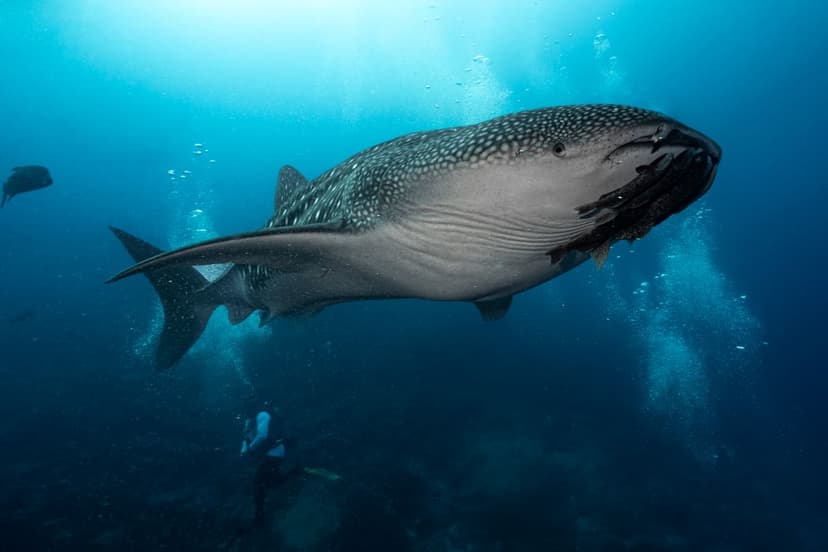
These two West Papua bays trade on a special draw. Cenderawasih Bay is known for whale sharks that gather around local fishing platforms, or bagans, which makes for a more reliable encounter than most whale shark sites on earth. Triton Bay counters with explosive soft coral, black coral forests, its own whale shark scene, and properly off-grid reefs.
Best season: Cenderawasih leans toward the more year-round end; Triton Bay is often best in the drier months, roughly October to April.
Suits: anyone whose bucket list says "dive with whale sharks" and who wants soft coral without Raja Ampat's crowds.
Season and region comparison
| Region | Best season (approx.) | Known for | Current level | Best for |
|---|---|---|---|---|
| Raja Ampat | Oct–Apr | Peak biodiversity, soft coral, mantas | Moderate (advanced helps) | Photographers, life-counters |
| Komodo | Apr–Nov | Manta highways, dragons topside | Strong, drift | Confident drift divers |
| Banda Sea | Mar–Apr and Sep–Oct | Hammerheads, remote crossings | Moderate to strong, blue water | Pelagic chasers |
| Alor and Forgotten Islands | ~May–Nov | Critters plus occasional big stuff | Variable | Frontier divers, macro fans |
| Triton Bay | Oct–Apr | Soft coral, whale sharks | Mostly mild to moderate | Whale shark and coral seekers |
| Cenderawasih Bay | Leans year-round | Whale sharks at bagans | Mild | Whale shark hopefuls |
Seasons shift year to year with the monsoon. Treat these as starting points, not promises.
How to actually choose
Strip it back to three questions.
What do you most want to see? Coral and colour overload points to Raja Ampat or Triton Bay. Mantas with a side of land dragons means Komodo. Sharks in the blue is the Banda Sea. Whale sharks lean Cenderawasih. Frontier solitude is Alor.
How is your drift game? Komodo and parts of the Banda Sea reward experience. Cenderawasih and Triton Bay are gentler. Not sure where you sit? Our 8-question trip matchmaker quiz sorts it in a couple of minutes.
When can you travel? Lock your dates first, then let the season decide the region. It is the cleanest way to choose, and the reason Indonesia rarely disappoints on timing.
If you are weighing the two headline acts head to head, we wrote a whole comparison: Raja Ampat vs Komodo. And for the wider picture beyond the tourist trail, see Diving Indonesia Beyond Bali.
A quick word on budget
Indonesian liveaboards span a wide price range, and the variable costs are the ones that are easy to forget at booking. All figures below are rough guides, not fixed quotes.
- Marine park and conservation fees: Raja Ampat charges a diver permit; Komodo's fees have moved around and occasionally jumped. Budget for both and confirm current rates close to your trip.
- Nitrox: often somewhere around 50 to 150 US dollars for a week, and usually worth it on multi-dive days.
- Crew tips: customarily in the region of 5 to 10 percent of your trip cost, though this varies by operator and region.
- Dive insurance: a dedicated diving policy typically runs in the rough range of 30 to 150 US dollars a year. Effectively non-negotiable for remote, current-heavy diving.
- Flights: vary a lot by region. The far-east routes such as West Papua and Alor involve more connections than Komodo.
Frequently Asked Questions
What is the best liveaboard region in Indonesia for first-timers?
For a first Indonesian liveaboard, the gentler-current regions are kinder: Cenderawasih Bay, Triton Bay, and the easier Dampier Strait sites in Raja Ampat. Komodo's southern sites and the Banda Sea crossings are better saved for once you are confident with drift and blue-water diving. Our beginners guide breaks down what to expect.
When is the best time to dive Indonesia?
There is no single answer, which is the good news. Raja Ampat and Triton Bay tend to peak October to April; Komodo runs roughly April to November; the Banda Sea has short crossing windows around March to April and September to October; Cenderawasih leans more year-round. Pick your dates, then pick the region that is in season.
Raja Ampat or Komodo — which should I choose?
Raja Ampat for sheer biodiversity, soft coral, and a slightly mellower pace. Komodo for high-octane drift diving, manta highways, and dragons on land. They also run on roughly opposite seasons, so your travel dates may decide for you. We compare them in detail in Raja Ampat vs Komodo.
Do I need advanced certification for Indonesia liveaboards?
Not for every region, but it helps. Many signature sites in Komodo, the Banda Sea, and parts of Raja Ampat involve real current, so Advanced Open Water plus solid buoyancy and drift experience make a meaningful difference. For gentler options, ask our concierge to steer you toward suitable itineraries.
Want help picking the right Indonesian liveaboard for your dates and experience level? Talk to our concierge for a personalised shortlist.
- Diving Indonesia Beyond Bali: Raja Ampat, Komodo, Banda Sea — the wider picture beyond the tourist trail
- Raja Ampat vs Komodo: Which Indonesian Trip is Right for You? — head-to-head on the two headline regions
- Komodo National Park: Dragons Above, Mantas Below — mantas, currents, and dragons in one trip
- Indonesia Liveaboard for Beginners: What to Expect — gentler options if you are newer to drift
Related Articles
%20-%20Large.jpg&w=828&q=75)
Best Time to Dive: A Season-by-Season Guide
When to visit the world's top liveaboard destinations for the best conditions and marine life encounters.
Galápagos Diving: What to Expect on Your First Trip
Hammerhead highways, curious sea lions, and currents that demand respect — here's what awaits in the enchanted islands.