Astove Wall
A vertical reef that falls away from ankle-deep water into a kilometre of blue, on one of the most remote atolls in the Indian Ocean.
Astove Wall diving is the kind you plan a life around. This is a near-vertical drop-off on Astove Atoll, in the far southwest of the Seychelles outer islands — the Aldabra group — where a six-kilometre wall plunges from the shallows past 40 metres into open ocean. You get here only by expedition liveaboard, and the reward is turtles, reef sharks, big groupers and schooling pelagics on a wall so clean and so deep that Jacques Cousteau filmed it. It is a genuinely wild dive site, and the remoteness is the whole point.
Quick answer: Astove Wall is a wall / drift dive from a liveaboard tender in Seychelles. Best season: Roughly November to May, when seas are calm enough to reach the atoll; March–May and October–November are often the sweet spot. Level: Advanced — comfort with walls, blue water and current is essential. Depth: From the surface shallows to well past 40m; the wall itself continues beyond recreational limits into hundreds of metres. Typical visibility: Frequently 30m or more, often exceeding 40m.
Facts verified September 2026
What makes Astove Wall special
Most walls slope. Astove does not. It drops away at close to ninety degrees, starting where the atoll's reef flat meets the open sea and continuing far beyond anything you will dive on a single tank. Divers who have seen a lot of reef reach for the same comparison — looking over the lip feels like standing at the rim of a flooded canyon, with the bottom simply gone from view.
The scale is the point. Astove is the smallest atoll in the Aldabra group, a shallow lagoon ringed by sheer drop-offs, and the wall runs for roughly six kilometres along its northwest and west sides. Because so few divers ever make it out here, the diving still feels genuinely exploratory. This is remote-Seychelles liveaboard diving at its most raw: no crowds, no moorings, no other boats on the horizon — just you, the wall and the blue.
What you'll see
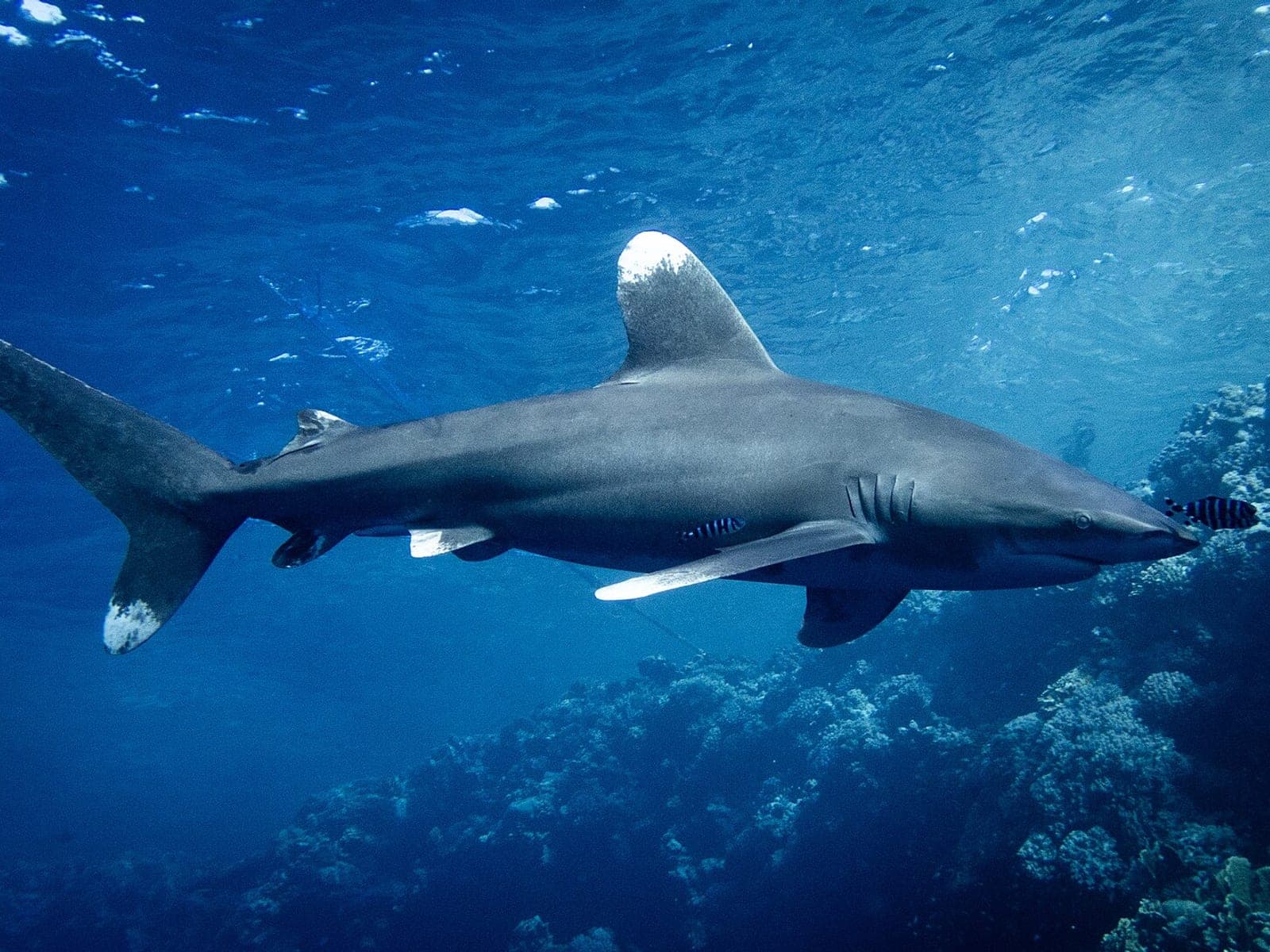
Astove works on two registers at once. Press your eye to the wall and it is dense with soft corals, sponges, crevices and macro life. Turn your back to it and face the blue, and the big animals arrive out of the haze. The atoll holds a large resident green turtle population, and encounters are close and unbothered.
On the reef and along the drop-off, expect these regulars:
- Green turtles — resident and numerous, often several on a single dive
- Reef sharks — grey reef and silvertip patrol the wall; nurse sharks rest in the crevices
- Potato grouper (potato bass) — large, curious and characterful
- Napoleon (humphead) wrasse, big schools of snapper and jacks
- Eagle rays and, on lucky days in the current, passing hammerheads
- Dense clouds of reef fish over soft-coral gardens, with macro subjects tucked into the wall
Conditions and who it's for
Be honest with yourself about this one. Astove Wall is an advanced dive. The wall gives you no bottom for reference, the water is deep and open, and currents are variable — sometimes gentle, sometimes strong enough to turn the channels into fast, exhilarating drifts. Good buoyancy and confidence in blue water are non-negotiable; it is easy to sink deeper than you intended when there is nothing beneath you but more wall.
One quirk to plan for: the thermoclines. Cool currents push around the atoll regularly, and the temperature drop can be sharp — several degrees colder starting as shallow as 10 metres. The surface can feel tropical while the wall is markedly cooler, so bring more exposure protection than the Seychelles brochure temperatures suggest. Visibility, in fairness, is usually superb — frequently over 30 metres and often past 40 — which makes the depth and the drop-off all the more dramatic.
When to dive Astove Wall
Access, not marine life, sets the calendar here. Astove sits near the cyclone belt in the far south of the Seychelles, and for much of the year the seas are simply too rough for boats to reach it safely. The liveaboard window runs roughly from November through May, when conditions calm enough to make the long open-water crossing.
Within that window, the shoulder months tend to deliver the best mix of flat seas, warm water and visibility — many operators point to March–May and October–November as the sweet spot. Water is at its warmest, around 28–29°C at the surface, though the thermoclines below stay cool year-round. Trips are limited and seasonal, so these dates fill early.
How you actually dive it
There is no resort dive centre feeding sites here in the way you would find in the Seychelles inner islands. You dive Astove from a liveaboard, working the wall in tenders and dropping in along its length. Dives are typically run as wall or drift profiles: you descend onto the reef edge, keep the wall on one shoulder, and let the conditions dictate whether it is a slow hover or a moving drift.
Getting here is an expedition in itself — around 1,000 kilometres of open ocean southwest of Mahé, deep in the Aldabra group. The wider region is heavily protected; neighbouring Aldabra Atoll is a UNESCO World Heritage Site requiring prior permission from the Seychelles Islands Foundation, and outer-island itineraries are planned around these protections and the weather. Treat the remoteness as part of the appeal, and come prepared to be genuinely self-reliant and flexible with the plan.
Faneca reaches Astove Wall on our Seychelles outer-atoll liveaboard expeditions through the Aldabra group — long-range trips that only run in the calm-season window of roughly November to May, so plan well ahead and expect a genuine expedition rather than a resort week.
Astove Wall: common questions
What is the best season to dive Astove Wall?
Roughly November to May, when seas are calm enough to reach the atoll; March–May and October–November are often the sweet spot
What experience level do I need for Astove Wall?
Advanced — comfort with walls, blue water and current is essential
How deep is Astove Wall?
From the surface shallows to well past 40m; the wall itself continues beyond recreational limits into hundreds of metres
What marine life will I see at Astove Wall?
Green turtles, grey reef and silvertip sharks, potato grouper, Napoleon wrasse, snapper, jacks, eagle rays, occasional hammerheads
