Top 10 Liveaboards in the World: 2026 Rankings
%20-%20Large.jpg&w=1920&q=75)
Every dive publication runs a "best liveaboards" list. Most of them read like press releases. Boats pay for placement, writers get comped trips, and readers get a list that tells them nothing useful.
This one is different. We've dived on or placed clients on every boat listed here. We're ranking by value — what you actually get for your money — not by how many marble countertops are in the salon.
How We Ranked
Three criteria, weighted equally:
- Diving quality — Guide ratios, dive site access, flexibility on scheduling, nitrox availability
- Hardware — Boat condition, cabin comfort, safety equipment, camera facilities
- Value — What you get per dollar spent, including what's included vs. what's extra
Price ranges listed are per person for a standard 7-night itinerary in a twin/double cabin, excluding flights.
1. Emperor Elite — Red Sea, Egypt
$1,800-$2,400/week
The Emperor fleet has been running Red Sea trips since the early 1990s, and the Elite is their best boat. 26 metres, 12 guests maximum, steel hull. Nothing fancy. Everything works.
What puts it at number one is the value equation. For under $2,400, you get 3-4 dives per day, nitrox included, a dedicated camera room with individual charging stations, and guides who have been diving these sites for 15+ years. The Brothers and Daedalus itinerary is the one to book — you'll see oceanic whitetips, thresher sharks, and some of the best wall diving on earth.
The cabins are compact but well-maintained. Food is solid Egyptian home cooking, not fine dining. You won't miss the fine dining.
2. Damai — Raja Ampat, Indonesia
$5,500-$7,000/week
If you're going to spend serious money on a liveaboard, spend it in Raja Ampat on the Damai. Traditional Phinisi build, 40 metres, maximum 12 guests. The crew-to-guest ratio is nearly 2:1.
Raja Ampat has the highest recorded marine biodiversity on the planet — over 1,700 fish species on a good survey. The Damai runs itineraries that smaller boats physically can't reach, pushing into the Dampier Strait and southern Misool when conditions allow.
The food is exceptional. Actual Indonesian cuisine, not the bland international buffet most boats default to. Cabins are genuine suites with proper desks for camera work. Nitrox is included, and the dive deck is designed by people who clearly dive themselves — wide benches, personal rinse tanks, dedicated drying areas.
Expensive? Yes. Worth it? If Raja Ampat is on your list, this is the boat.
3. Solitude One — Philippines / Tubbataha
$2,800-$3,800/week
The Solitude One runs a circuit that most liveaboards in the Philippines don't attempt: Tubbataha Reef Natural Park (March to June only), Malapascua for thresher sharks, and the Visayas for macro. At 50 metres, it's one of the larger boats on this list, carrying up to 22 divers — but the dive deck handles it well.
Tubbataha is a 10-hour crossing from Puerto Princesa, and it's one of the last truly pristine reef systems in Southeast Asia. Shark populations here are what the rest of the Coral Triangle looked like 30 years ago. The Solitude One holds a Tubbataha permit, which is not easy to get and limits the number of boats on-site at any time.
Camera facilities are solid. Nitrox is extra ($100/week). Food is Filipino with Western options. Good value for the access it provides.
4. Blue Force One — Red Sea, Egypt
$2,200-$3,200/week
The Blue Force One is the Red Sea boat for divers who want a bit more polish than the Emperor fleet without jumping to the $5,000+ range. 42 metres, 20 guests, modern build with a proper salon and sundeck.
It runs the same Brothers/Daedalus routes as the Emperor boats but also does extended Sudan itineraries when the political situation allows. Sudan remains some of the most untouched diving in the Red Sea — Sha'ab Rumi, the Umbria wreck, Angarosh — and Blue Force One is one of the few boats with the range and permits to get there.
The guide team is strong, cabins are well-sized with good air conditioning (critical in the Red Sea summer), and the camera room is properly set up. Nitrox is included on most itineraries.
5. Argo — Maldives
$2,400-$3,500/week
The Maldives liveaboard market is saturated. Over 150 boats operate in the atolls, and quality varies enormously. The Argo stands out because it does three things well: itinerary planning, guide quality, and not cramming too many divers on board.
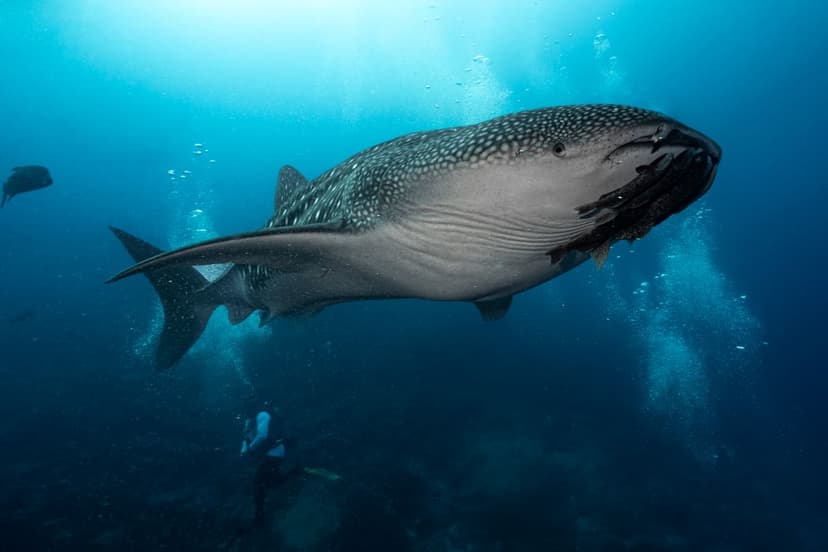
22 metres, 16 guests max. The Argo runs central and southern atoll routes, chasing mantas in Ari Atoll (November to April) and whale sharks off South Ari year-round. The guides adjust the schedule daily based on current reports from other boats and local fishermen — this flexibility is what separates decent Maldives trips from great ones.
Cabins are comfortable, not luxurious. Food is good Maldivian-influenced. Nitrox is $75/week extra. For the Maldives, this is strong value.
6. MV Bilikiki — Solomon Islands
$3,800-$4,500/week
The Solomons are genuinely remote. The Bilikiki has been running these waters for over 25 years, and that experience matters — there are no dive shops on most of these islands, no rescue boats nearby, no mobile signal. You need a crew that knows what they're doing.
The diving is reef and macro. No big pelagic action here, but the soft coral coverage is extraordinary, and you'll dive sites where the fish have never seen a diver before. Kavachi submarine volcano, when it's accessible, is one of the most surreal dive experiences available anywhere.
The Bilikiki is not a luxury boat. It's a working vessel with comfortable cabins, decent food, and a crew who will take you to places no other boat goes. The journey to get there is part of the experience — fly into Honiara (HIR), then board.
7. Nautilus Under Sea — Socorro, Mexico
$3,200-$4,500/week
Socorro (the Revillagigedo Archipelago) is a 24-hour crossing from Cabo San Lucas. The Nautilus Under Sea makes that crossing worthwhile. Giant Pacific mantas — 5-6 metre wingspans, not the small reef mantas — hammerhead schools, and humpback whale encounters (January to March).
The Under Sea carries 18 guests on a 32-metre steel hull. The crossing can be rough (bring Dramamine), but the boat handles it well. Once on-site, you'll do 3-4 dives per day at sites like The Boiler, Roca Partida, and San Benedicto.
Nitrox is included. Camera facilities are excellent — Nautilus caters heavily to the underwater photography crowd. Cabins range from budget twin shares to proper staterooms. Food is Mexican-American, generous portions.
8. Blue Manta — Maldives
$1,800-$2,600/week
The budget pick for the Maldives, and legitimately good. The Blue Manta doesn't have the polish of the Argo or the high-end safari boats, but it runs the same atolls, dives the same channels, and the marine life doesn't check your cabin grade.
20 guests, basic but clean cabins, solid local food. The dive guides are Maldivian — they grew up in these waters and know the channels and cleaning stations better than any imported divemaster. Nitrox is extra.
If your priority is getting into the water with mantas and whale sharks without spending $4,000, the Blue Manta delivers. You'll sacrifice sundeck space and wine selection. The diving is identical.
9. Raja Ampat Aggressor — Raja Ampat, Indonesia
$4,200-$5,500/week
The Aggressor fleet has a reputation for consistency, and the Raja Ampat boat maintains it. 33 metres, 16 guests, well-organized dive operations. If you want Raja Ampat diving without the Damai price tag, the Aggressor is the sensible choice.
It runs northern Raja Ampat routes — Dampier Strait, Mansuar, Wayag — with reliable access to manta cleaning stations and the famous Cape Kri fish counts. The boat itself is modern, cabins are good, and the camera setup works.
It's not cheap, but it's $2,000 less than the Damai per week, and the core diving experience is 90% the same. You lose the boutique feel and the exceptional food, but you gain a well-run operation that rarely disappoints.
10. Rocio del Mar — Sea of Cortez, Mexico
$2,200-$3,000/week
Jacques Cousteau called the Sea of Cortez "the world's aquarium," and for once the hype matches reality. The Rocio del Mar runs summer trips (June to November) for mobula ray aggregations, sea lions, and whale sharks, and winter trips to the midriff islands for schooling hammerheads.
30 metres, 18 guests. The boat has been operating these waters since the 1990s and knows every pinnacle and seamount. La Paz is the departure point — easy to reach via LAP airport with connections through Mexico City or direct from some US cities.
The Rocio is not flashy. It's a working boat with solid cabins, good food, and dive operations that prioritize time in the water. Nitrox is included. For North American divers looking for a liveaboard trip without a 20-hour flight, this is the obvious choice.
The Honest Summary
Notice what's not on this list: floating hotels with infinity pools, boats that spend more on marketing than maintenance, or vessels charging $8,000/week for the same reefs you can see from a $2,500 boat.
The best liveaboard is the one that gets you to great diving, safely, with competent guides, and doesn't nickel-and-dime you for nitrox and camera rinse water. Everything else — thread count, cocktail menu, spa treatments — is noise.
At Faneca Expeditions, we've placed divers on every boat on this list. We know which cabins to request, which itineraries to avoid, and which weeks have the best conditions. If you want help matching a boat to your priorities and budget, we're here for that conversation.
Related Articles
%20-%20Large.jpg&w=828&q=75)
Best Time to Dive: A Season-by-Season Guide
When to visit the world's top liveaboard destinations for the best conditions and marine life encounters.
Galápagos Diving: What to Expect on Your First Trip
Hammerhead highways, curious sea lions, and currents that demand respect — here's what awaits in the enchanted islands.