Fitness for Diving: How to Prepare Your Body for a Liveaboard Week
%20-%20Large.jpg&w=1920&q=75)
Nobody talks about this enough: liveaboard diving is physically demanding.
Not in the "you need to be an Olympic athlete" sense. But in the "you're going to do 25 dives in 7 days, haul yourself up a boat ladder in full gear, and your body needs to handle repetitive pressure changes while processing nitrogen" sense.
The divers who enjoy liveaboards the most aren't necessarily the youngest or the fittest. They're the ones who showed up prepared. Their bodies were ready for what the week demanded, and they could focus on the diving instead of fighting fatigue, nausea, or shortness of breath.
Here's how to be one of those divers.
Why Fitness Matters for Diving
Diving is often perceived as a relaxing activity. Float around, look at fish, breathe slowly. And at its best, that's exactly what it is. But the physics working on your body don't care whether you're relaxed:
- Nitrogen absorption: A fit cardiovascular system processes and eliminates nitrogen more efficiently, reducing DCS risk
- Air consumption: Better fitness = lower heart rate = slower breathing = more bottom time
- Thermal regulation: Fit bodies manage temperature better, meaning you stay warmer longer
- Fatigue management: Four dives a day for seven days is cumulative. By day five, unfit divers are exhausted
- Emergency readiness: If something goes wrong — a current sweeps you away, you need to tow a buddy — can your body respond?
Cardiovascular Fitness: The Foundation
You don't need to run marathons. But your heart and lungs should be in decent shape. Here's what to aim for in the 8-12 weeks before your trip:
Swimming
The most obvious choice, and the most relevant. If you're a diver who doesn't swim regularly, now is the time to start.
- Aim for 20-30 minutes of continuous swimming, 2-3 times per week
- Mix up strokes to work different muscle groups
- Focus on steady, rhythmic breathing — this translates directly to diving
- If you can comfortably swim 400 metres without stopping, you're in good shape
Walking and Light Jogging
Don't underestimate the basics. A brisk 30-minute walk every day does wonders for cardiovascular health and is accessible to almost everyone.
- Build up to a pace where you can talk but not sing
- If you want to jog, start with walk-jog intervals
- Hills are your friend — they build the endurance that matters for climbing back onto boats
Cycling
Low impact, good cardio, and easy on the joints. Stationary bikes count.
- 30-45 minutes, 3 times per week
- Keep the intensity moderate — you should be slightly breathless but able to hold a conversation
Strength and Flexibility
Diving gear is heavy. Boat ladders are steep. Currents are strong. Here's what to work on:
Core Strength
A strong core helps with:
- Maintaining horizontal trim in the water
- Hauling yourself onto the boat
- Stability on a rocking deck
- Carrying gear from cabin to dive deck
Simple exercises: Planks (work up to 60 seconds), dead bugs, bird dogs, and gentle crunches. Three sessions a week, 15 minutes each.
Leg Strength
You'll be finning for extended periods and climbing ladders in full gear. Strong legs matter.
Simple exercises: Squats (bodyweight is fine), lunges, calf raises, and step-ups. If you have access to a pool, fin laps are ideal.
Shoulder and Back
Carrying cylinders, pulling yourself against current, and don't forget the dreaded BCD wrestle on the surface.
Simple exercises: Rows (resistance bands work great for travel), shoulder presses with light dumbbells, and pull-ups if you can manage them.
Flexibility
Stiff bodies use more energy. A basic stretching routine — 10 minutes daily — keeps you limber and reduces the risk of muscle strains.
Focus on: hamstrings, hip flexors, shoulders, and neck. Yoga is excellent pre-trip preparation if you're inclined.
Hydration: The Most Underrated Factor
Dehydration is arguably the single biggest controllable risk factor for decompression sickness. And on a liveaboard, dehydration sneaks up on you:
- Breathing dry compressed air pulls moisture from your lungs
- Sun exposure on the dive deck between dives
- Salt water — you won't notice how much you're sweating in a wetsuit
- Altitude — if you've just flown 12 hours to reach the boat
The Protocol
- Start hydrating three days before your trip, not on the morning of
- Aim for 2-3 litres of water daily during the trip
- Electrolytes matter — plain water isn't always enough. Bring electrolyte tablets
- Limit caffeine and alcohol — both are diuretics
- Check your urine colour — pale yellow is the goal. Dark yellow means drink more. Clear means you might be overdoing it (yes, that's possible)
Dealing With Seasickness
Even experienced sailors get seasick. On a liveaboard, you're on the water 24/7, and conditions can change overnight. Here's the honest advice:
Prevention (Start Before Symptoms)
- Medication: Stugeron (cinnarizine) is the gold standard among liveaboard divers. Take it the night before boarding. Dramamine and Bonine (meclizine) are alternatives, but they can cause drowsiness
- Patches: Scopolamine patches (prescription in most countries) work well for multi-day trips
- Ginger: Ginger tablets, ginger tea, crystallised ginger. The evidence is mixed, but many divers swear by it
- Acupressure bands: Sea-Bands on your wrists. Low-cost, no side effects, and some people find them genuinely helpful
Management (When It Hits)
- Stay on deck: Fresh air and a view of the horizon work wonders
- Avoid screens: Reading and phone scrolling below deck are seasickness accelerators
- Eat bland, small meals: Crackers, bread, bananas. An empty stomach makes things worse
- Stay near the centre of the boat: Less movement than bow or stern
- Get in the water: Paradoxically, many seasick divers feel fine once they're underwater. The symptoms return topside
The Good News
Most people adapt within 24-48 hours. Your body's balance system adjusts, and by day three, you'll have your sea legs. Don't let the first rough night discourage you.
Pre-Trip Health Checklist
In the 2-4 weeks before your liveaboard:
- Dental check: Pressure changes can aggravate untreated dental issues. That filling you've been putting off? Get it done
- Ear health: See a doctor if you have any history of ear problems. Equalisation issues end more dives than any other single factor
- Medications: If you take regular medication, bring more than enough. There's no pharmacy at sea
- Dive medical: If you're over 45, have any chronic conditions, or haven't had one recently, get a dive-specific medical clearance
- Sleep: Arrive at the boat rested, not jet-lagged and exhausted from a red-eye flight. Add a buffer day if your flight is long
The Honest Truth
You don't need to be an athlete to enjoy a liveaboard. Divers of all ages, sizes, and fitness levels have incredible liveaboard experiences every single day.
But a little preparation goes a long way. Eight weeks of moderate exercise, consistent hydration, and basic health maintenance can be the difference between "that was the best week of my life" and "I spent day four in my cabin feeling awful."
Your body is your most important piece of dive equipment. Treat it that way.
Have specific health concerns about an upcoming trip? The Faneca Expeditions team can help you prepare and connect you with dive medicine resources. Don't hesitate to ask.
- Essential Safety Guide for Liveaboard Diving — Complete safety checklist including health preparation
- Seasickness on Liveaboards: Prevention and Remedies — Dealing with motion sickness on board
- Dive Insurance Explained: What You Actually Need — Coverage for health-related diving incidents
Related Articles
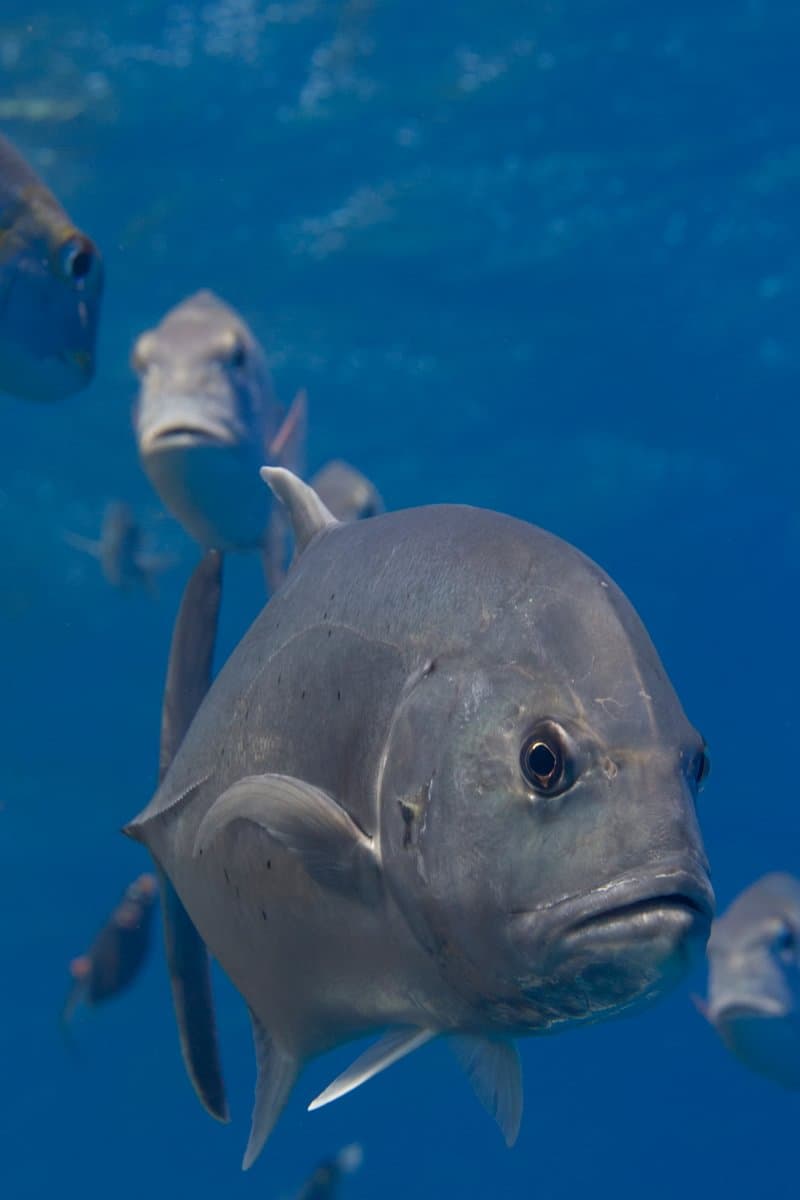
Essential Safety Guide for Liveaboard Diving
Everything you need to know about staying safe on liveaboard trips, from pre-dive checks to emergency procedures.
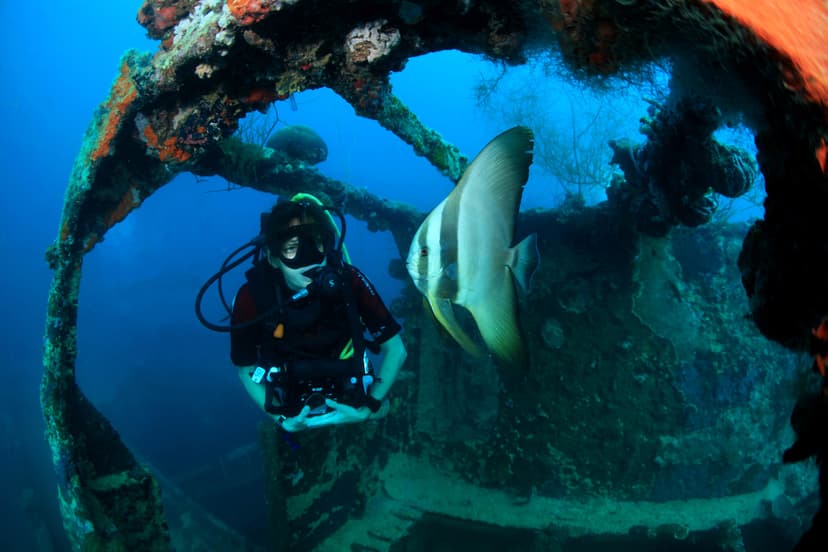
Dive Insurance Explained: What You Actually Need
Cutting through the confusion about dive insurance — coverage types, providers, and what to look for.