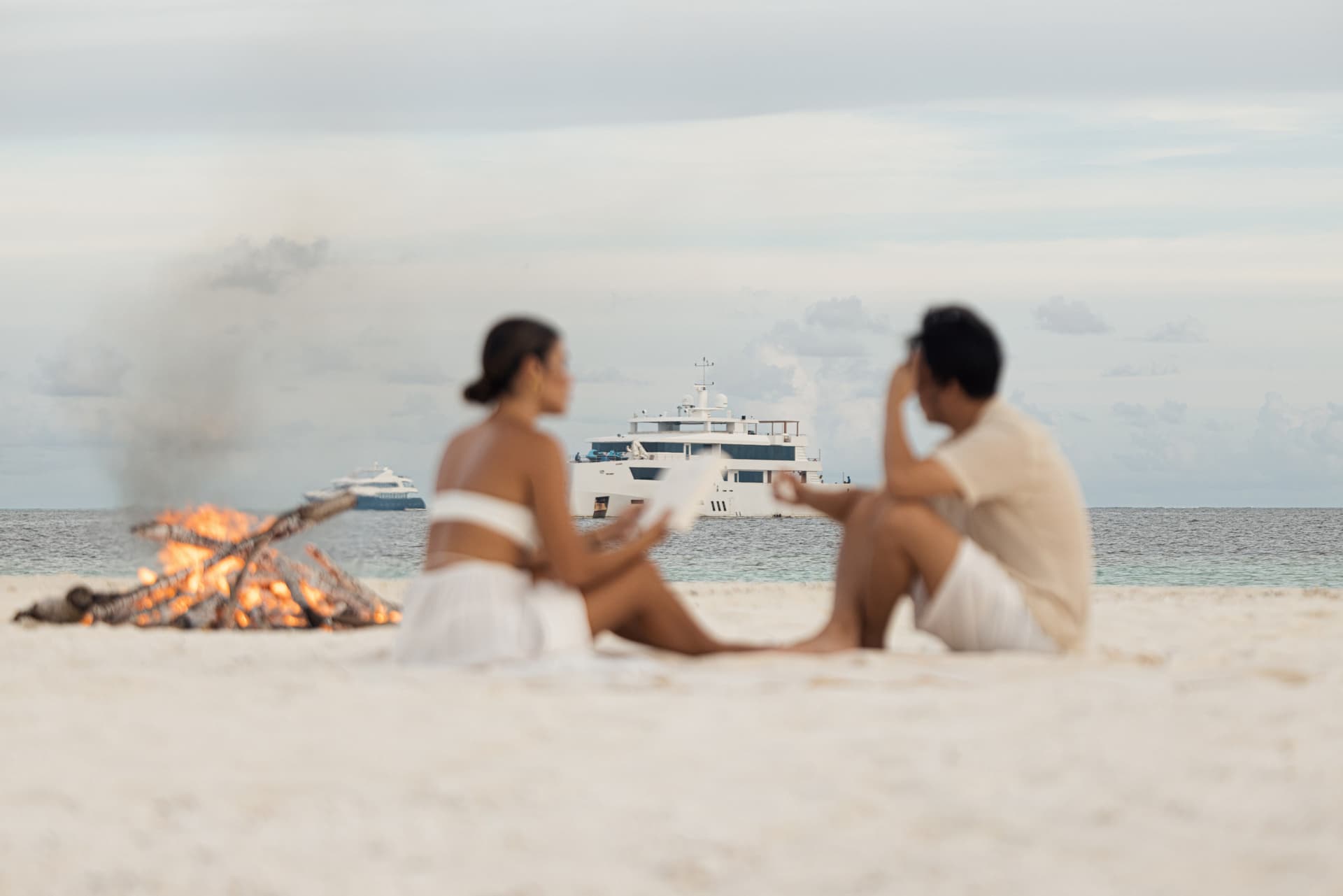
Luxury vs Budget Liveaboards: What $2,000 vs $6,000 Gets You
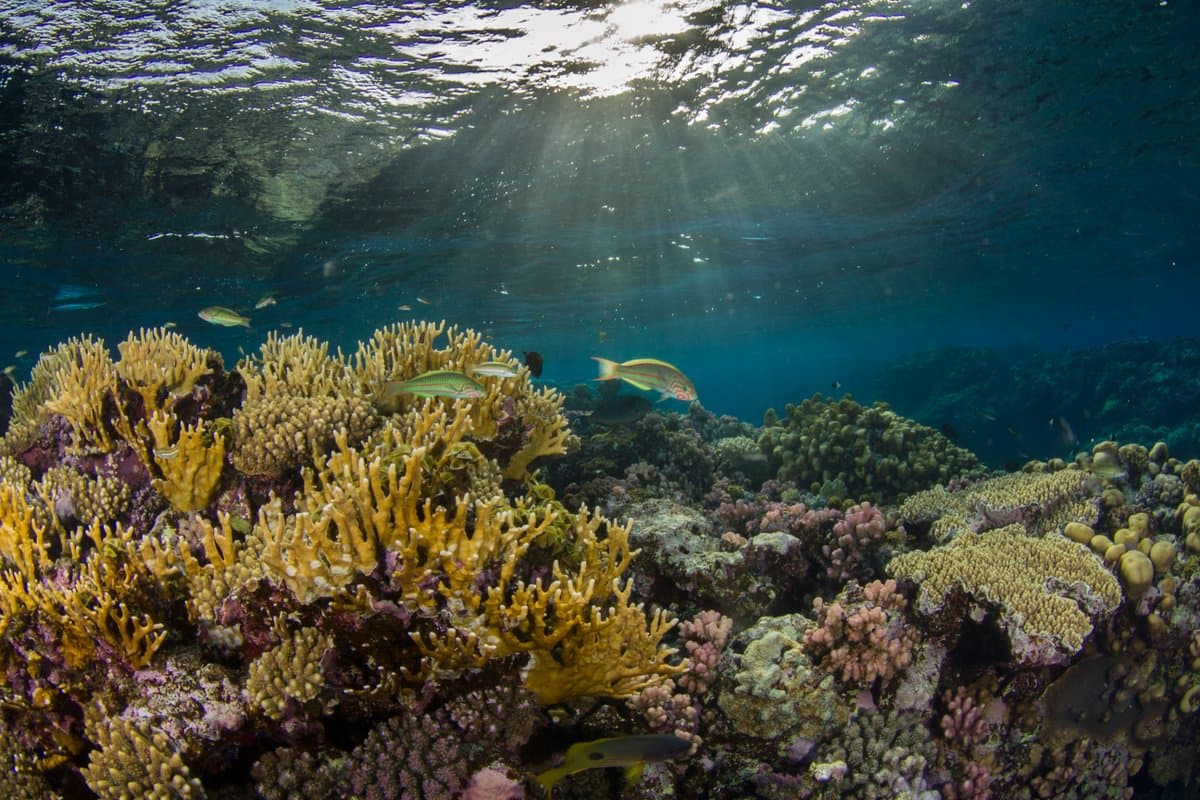
Here's the thing nobody in the liveaboard industry wants to say out loud: a $2,000 boat and a $6,000 boat often dive the same reefs, on the same day, within sight of each other.
The manta at the cleaning station doesn't check your cabin grade. The hammerhead school doesn't scatter because your sundeck doesn't have a jacuzzi. So what are you actually paying for when you triple your budget?
Let's break it down, category by category, using real boats at real price points.
The Comparison Setup
Budget example: Emperor Echo, Red Sea — roughly $1,800-$2,200/week
Luxury example: Damai, Raja Ampat — roughly $5,500-$7,000/week
Different regions, yes, but the price gap is representative of the industry-wide pattern. I'll note regional price differences where they matter.
Cabin Size and Quality
Budget ($2,000):
Standard twin or double cabin. Expect 8-10 square metres. A bed, a small shelf, maybe a porthole. En-suite bathroom with a marine toilet and a shower that shares space with the sink. Everything works. Nothing is luxurious. The mattress is adequate — you'll sleep fine after four dives.
Luxury ($6,000):
15-25 square metres. King bed with a proper mattress (orthopaedic, not marine foam). Writing desk for camera work. Full-height wardrobe. En-suite with separate shower, proper fixtures, heated towel rails on some boats. A few have private balconies.
Does it matter?
You spend maybe 7 hours in your cabin per day — sleeping and between-dive naps. If you have back problems, the mattress upgrade is real. If you're a couple wanting space, the bigger cabin changes the dynamic. Solo divers who surface-interval on the sundeck and crash hard at night? Save the money.
Food
Budget ($2,000):
Three meals, buffet style. Expect solid local cuisine — Egyptian on Red Sea boats, Filipino in the Philippines, Maldivian in the Maldives. Breakfast is eggs, bread, fruit. Lunch and dinner are rice or pasta with meat/fish and vegetables. Adequate portions. Snacks between dives: biscuits, fruit, instant coffee.
No alcohol included (some boats are dry on dive days). Soft drinks may or may not be included — check before you book.
Luxury ($6,000):
Plated meals, often with a dedicated chef. Multiple courses at dinner. Quality ingredients — fresh fish bought from local fishermen that morning, proper seasoning, vegetable variety. Espresso machine, not instant. Between-dive snacks might include sashimi, homemade cakes, or cheese platters.
Alcohol often included — house wines, local beers, basic spirits. Some boats have a proper bar list.
Does it matter?
Honestly, yes. Over 7 days, three mediocre buffets per day wears on you. The food upgrade from budget to luxury is one of the most tangible differences. If you care about eating well, this is where extra money goes furthest.
That said, "budget food" on most boats is decent. You won't go hungry. You just won't Instagram your dinner.
Dive Guide Ratio
Budget ($2,000):
Typical ratio: 1 guide per 8-10 divers. On a full 20-guest boat, that's 2 guides leading groups. Briefings cover the basics — entry point, max depth, current direction, what to look for. Groups are organized by experience level on better-run boats.
Luxury ($6,000):
Typical ratio: 1 guide per 4-6 divers. Some boutique boats offer 1:3 or even private guiding for couples. Guides tend to be more experienced — many are marine biologists or underwater photography specialists. Briefings are longer, more detailed, and often include species identification sessions.
Does it matter?
This is the single biggest quality difference between price tiers. Smaller groups find more. They spend longer with individual animals. They don't kick up silt on each other's photos. If you're an experienced diver who knows what you're looking for, a big group slows you down. If you're less experienced, a dedicated guide changes the trip.
Camera Facilities
Budget ($2,000):
A rinse tank. Maybe a shared table. Charging outlets in your cabin or a communal area. Your camera gear lives in your cabin between dives.
Luxury ($6,000):
Dedicated camera room with individual workstations. Personal rinse tanks (fresh water, not shared). Multiple charging stations with international socket types. Compressed air for drying. Some boats provide a laptop station for editing. Camera charging overnight while gear stays in a secure, dry, ventilated space.
Does it matter?
If you shoot with a compact, no. If you carry a housing, strobes, and lenses worth more than the trip itself — yes, significantly. A proper camera room saves you 30 minutes per dive day in setup and breakdown. The rinse tank alone can extend the life of your O-rings.
Safety Equipment
Budget ($2,000):
Meets certification requirements. First aid kit, oxygen kit, life rafts, fire extinguishers. VHF radio and satellite phone for emergencies. DAN emergency contact posted somewhere.
Luxury ($6,000):
Same baseline, plus extras. Onboard recompression chamber on some boats (rare, but they exist). Dive computers available for rent or included. Surface marker buoys provided. GPS trackers for drift dives. Emergency oxygen stations at multiple points on the dive deck. Some boats carry a paramedic or dive medic.
Does it matter?
The fundamentals should be identical — any boat not meeting minimum safety standards shouldn't be operating. The extras on luxury boats are genuine quality-of-life improvements, particularly GPS trackers and individual oxygen stations. But the safety margin difference between a well-run budget boat and a luxury boat is smaller than you'd think.
The Boat Itself
Budget ($2,000):
20-30 metres. Steel or fibreglass hull. Functional deck spaces — a sundeck with plastic chairs, a shaded area for briefings. Engine noise is present in forward cabins. The boat gets you there and back safely.
Luxury ($6,000):
30-50 metres. Often traditional builds (Phinisi in Indonesia, dhoni in Maldives). Teak decks, proper lounging areas, sometimes a spa or plunge pool. Quieter engines or better insulation. Multiple social spaces so 12 guests never feel crowded.
What We Actually Recommend
Here's our honest advice, based on placing hundreds of divers on boats across both tiers:
Spend $2,000 if:
- You're a diver first, traveller second
- You'll be underwater 4+ hours per day anyway
- You're not carrying expensive camera gear
- You'd rather do two budget trips per year than one luxury trip
Spend $6,000 if:
- You're travelling as a couple and cabin comfort matters to your non-diving partner
- You shoot with serious camera equipment
- You want small dive groups and personal attention from guides
- Good food and a glass of wine at sunset are part of the experience for you
The dirty secret: many operators run boats at both price points visiting the same sites. The coral doesn't know the difference. The fish don't care. You're paying for the mattress, the wine list, and the guide ratio. Decide which of those matters to you.
At Faneca Expeditions, we book both ends of the spectrum. We'll never push you toward a more expensive boat than you need. Tell us what matters to you, and we'll match you to the right vessel.
Related Articles
The Complete Liveaboard Packing Guide
What to bring, what to leave behind, and the gear essentials that experienced liveaboard divers swear by.
First-Time Liveaboard: What to Expect Day by Day
Never done a liveaboard? Here's the inside scoop on the schedule, the meals, the diving, and the delightful chaos.